10 Easy Low-Maintenance Garden Designs That Look Amazing
Dreaming of a stunning garden without the endless hours of weeding, pruning, and watering? You’re not alone! Many homeowners desire a beautiful outdoor space that offers relaxation and visual appeal, not a demanding chore list. The good news is that achieving a vibrant, low-maintenance garden is entirely possible with thoughtful planning and smart plant choices. This comprehensive guide will walk you through 10 incredible low-maintenance garden designs that will transform your yard into a personal oasis, requiring minimal upkeep once established.
[lwptoc]
Why This Matters for Your Garden
In today’s fast-paced world, time is a precious commodity. A high-maintenance garden can quickly become a source of stress rather than enjoyment, leading to neglect and a less-than-ideal outdoor living space. Opting for low-maintenance garden designs allows you to reclaim your weekends, reduce your environmental footprint, and still enjoy the myriad benefits of a beautiful garden.
Beyond saving time, low-maintenance gardens often require less water, fewer chemical inputs, and promote biodiversity. They are a sustainable choice that can actually thrive with less intervention, fostering a healthier ecosystem right in your backyard. Imagine spending more time relaxing on your patio and less time pulling weeds – that’s the promise of a well-designed, low-maintenance garden.
What You Need for Low-Maintenance Garden Designs
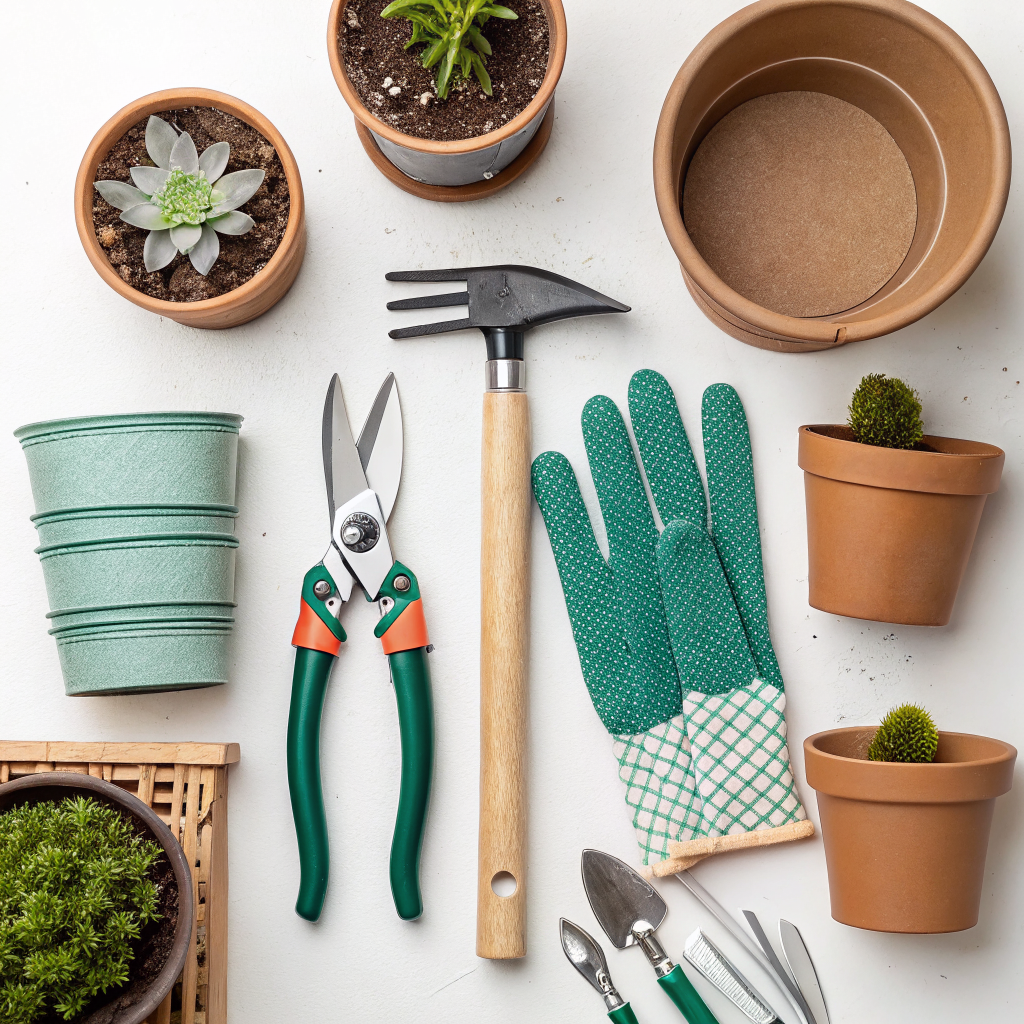
Creating a low-maintenance garden begins with the right foundations and plant selections. While the specific items will vary depending on the design you choose, here’s a general list of essential tools, materials, and plant types to consider:
Tools and Equipment:
- Hand Trowel and Cultivator: For planting and minor weeding.
- Pruners: For occasional deadheading or shaping of shrubs.
- Wheelbarrow or Garden Cart: For transporting mulch, soil, or plants efficiently.
- Gloves: Essential for protecting your hands.
- Hose with Adjustable Nozzle or Drip Irrigation System: For efficient watering, especially during establishment.
- Garden Fork or Shovel: For preparing larger areas or planting bigger specimens.
Materials:
- Organic Mulch (Wood Chips, Bark, Shredded Leaves): Crucial for suppressing weeds, retaining moisture, and regulating soil temperature.
- Weed Barrier Fabric (Optional, but Recommended for Pathways): Helps prevent weed growth in hardscaped areas or beneath gravel.
- Good Quality Topsoil/Compost: To enrich poor soil and provide a healthy foundation for plants.
- Edging Materials (Metal, Stone, Plastic): For creating clean lines and preventing turf invasion into garden beds.
- Gravel, Pea Stone, or Stepping Stones: For pathways or hardscaped areas in designs like Zen gardens or Mediterranean styles.
Plant Types:
- Native Plants: Best adapted to your local climate, requiring less water and pest control. Learn about native plants for your region.
- Drought-Tolerant Plants (Xeriscaping): Ideal for reducing water consumption, such as succulents, lavender, and certain ornamental grasses.
- Evergreen Shrubs and Perennials: Provide year-round structure and color without needing annual replanting.
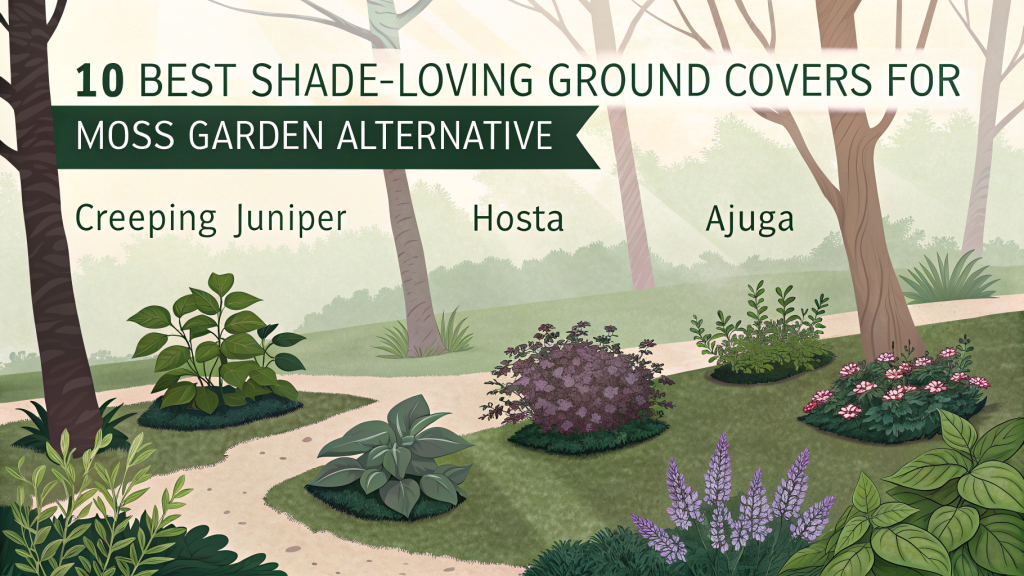
- Groundcovers: Suppress weeds and reduce exposed soil, requiring very little attention once established.
- Selected Ornamental Grasses: Offer texture, movement, and a modern aesthetic with minimal fuss.
- Low-Maintenance Succulents and Cacti: Perfect for dry climates or rock gardens, providing unique aesthetics.
Pro Tip: Always research plants that are suitable for your specific USDA hardiness zone and sun exposure. Matching the right plant to the right place is the cornerstone of any low-maintenance garden.
Step-by-Step Guide to Implementing Low-Maintenance Garden Designs
Embarking on a garden transformation project can feel daunting, but breaking it down into manageable steps makes it much easier. Here’s a general guide to help you implement your chosen low-maintenance garden design:
Step 1: Assess Your Site and Dream Big (but Realistically)
Before you lift a single shovel, take stock of your existing space. What are the sun patterns throughout the day? What type of soil do you have? Are there existing features (trees, fences, hardscaping) you need to work around? Consider your lifestyle and how you want to use the garden. Do you need pathways, seating areas, or space for entertaining? Dreaming big is great, but ensure your vision aligns with your budget, time commitment, and the natural conditions of your yard.
Sketch out your ideas, noting areas of sun and shade, predominant wind directions, and how you currently move through the space. Our article on Smart Garden Sensors can even help you understand your microclimates better before you even plant.
Step 2: Soil Preparation and Hardscaping Foundations
Healthy soil is the foundation of any thriving garden, low-maintenance or not. Amend your existing soil with plenty of organic matter like compost to improve drainage, aeration, and nutrient retention. If your chosen design involves pathways, patios, or raised beds, now is the time to install these hardscaping elements. Proper preparation at this stage, such as laying down weed barrier fabric under gravel paths, will save countless hours of weeding later.
Ensure any edges between garden beds and lawn are installed cleanly to prevent grass from creeping into your planting areas. This small effort upfront makes a huge difference in long-term maintenance.
Step 3: Choose Your Plants Wisely
This is arguably the most crucial step for a low-maintenance garden. Select plants known for their resilience, adaptability to your local climate, and minimal care requirements. Group plants with similar needs (sun, water, soil) together to create efficient watering zones. Prioritize native plants, drought-tolerant varieties, and those with a long season of interest.
Consider the mature size of plants to avoid overcrowding and the need for frequent pruning. Our guide on Garden Technology for Small Spaces might offer ideas for optimizing plant choices even in limited areas.
Step 4: Strategic Planting and Mulching
Once you have your plants, arrange them in their containers on the bed to visualize the layout before digging. Plant according to recommended spacing, giving each plant room to grow. After planting, water thoroughly to settle the soil around the roots. This is also the perfect time to install any drip irrigation or soaker hose systems if you’re opting for automated watering.
Apply a generous layer of organic mulch (2-4 inches deep) over all exposed soil. Mulch is your best friend in a low-maintenance garden! It suppresses weeds by blocking sunlight, conserves soil moisture, moderates soil temperature, and adds nutrients as it breaks down. Keep mulch slightly away from plant stems to prevent rot.
Step 5: Initial Establishment and Ongoing Minor Care
The first year after planting is crucial for establishment. Young plants will need more frequent watering, especially during dry spells, until their root systems are well-developed. Monitor for pests or diseases, though healthy plants are less susceptible. Once established, your low-maintenance garden will truly begin to shine.
Ongoing care generally involves topping up mulch annually, occasional weeding (which will be minimal thanks to the mulch), and light pruning to maintain plant shape or remove dead foliage. Enjoy observing your garden evolve and flourish with minimal intervention!
Pro Tips and Common Mistakes
Pro Tips for a Truly Low-Maintenance Garden:
- Embrace Zones: Create distinct zones based on water needs, light exposure, and usage. This simplifies plant selection and watering.
- Mass Plantings: Instead of individual specimens scattered about, plant drifts or groups of the same varieties. This creates visual impact and reduces the number of different care requirements.
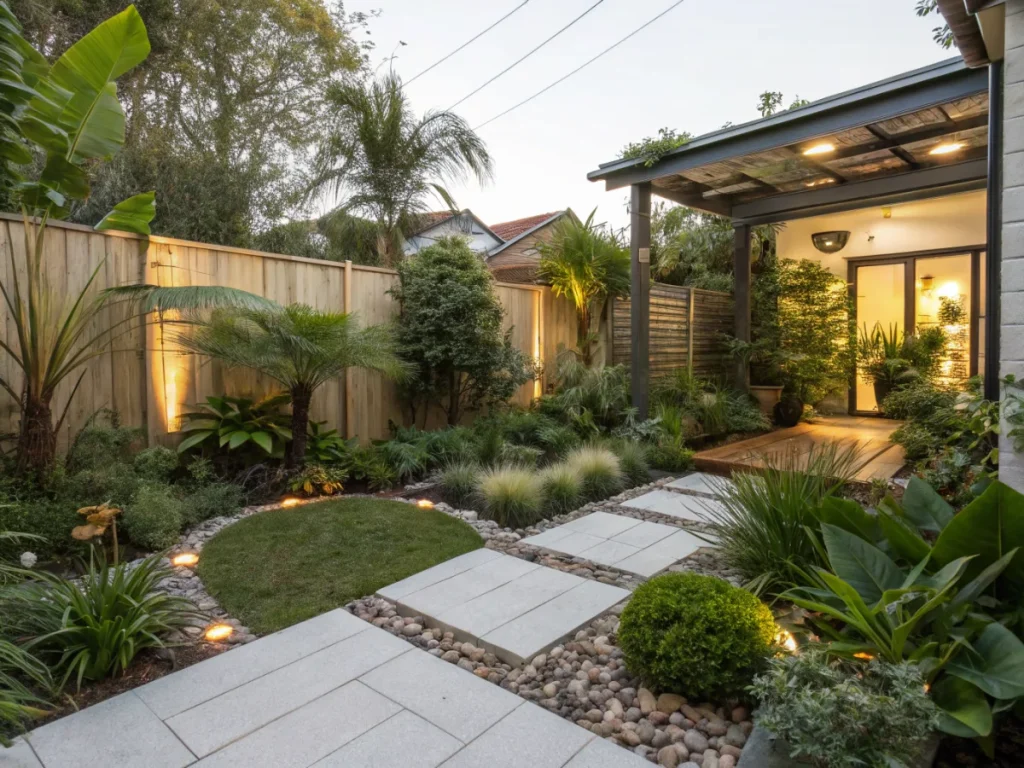
- Incorporate Hardscaping: Patios, pathways, and decorative gravel areas require zero watering or weeding. They provide structure and reduce the overall planted area.
- Self-Seeding Annuals: Choose annuals that readily self-seed, reducing the need for annual replanting, such as cosmos, marigolds, and calendula.
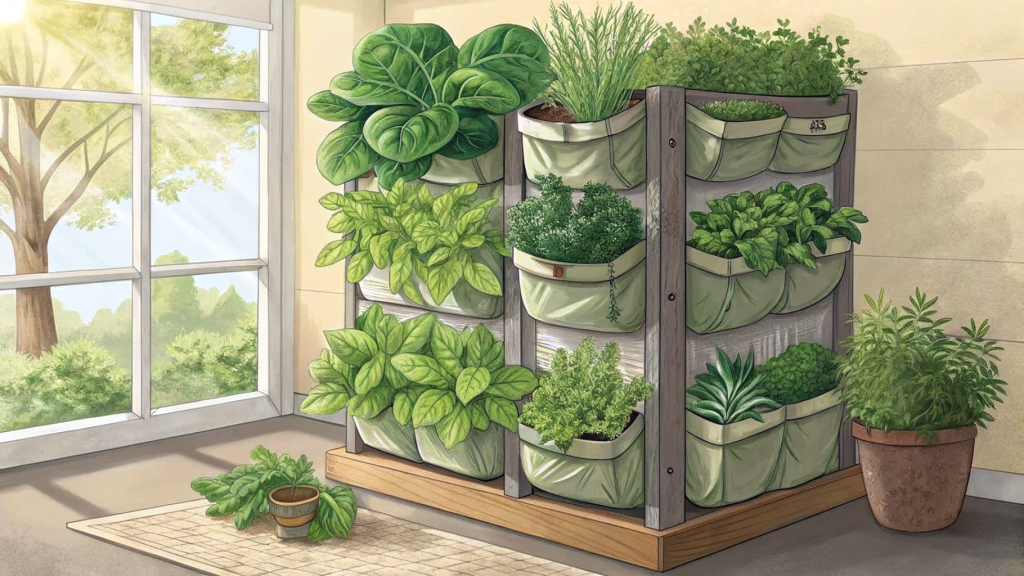
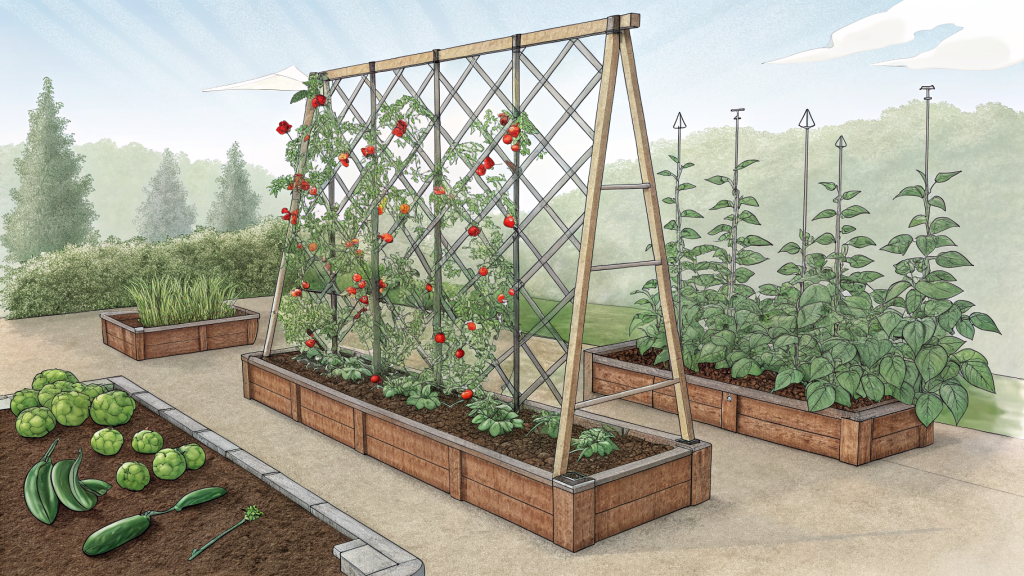
- Vertical Gardening: Utilize trellises and walls for climbing plants. This adds interest without consuming ground space that might otherwise need weeding.
- Consider Drought-Tolerant Lawns: If you must have a lawn, explore options like fescue mixes or clover lawns that require less water and mowing than traditional turf.
Common Mistakes to Avoid:
- Ignoring Soil Preparation: Planting in poor, unamended soil is a recipe for struggling plants and more work later.
- Overwatering or Underwatering During Establishment: New plants are delicate. Learn their specific water needs for the first year.
- Planting the Wrong Plant in the Wrong Place: Sun-loving plants in deep shade will never thrive, and shade-loving plants in full sun will burn. Research is key!
- Forgetting About Mulch: Skipping mulch is the biggest low-maintenance sin. It’s your primary defense against weeds and drought.
- Getting Overwhelmed by Trends: Stick to classic, resilient plants rather than chasing tricky, high-maintenance fads.
- Not Planning for Mature Size: Plants grow! What looks small now can quickly outgrow its space, leading to constant pruning or removal.
Eco-Friendly Variations for a Sustainable Low-Maintenance Garden
Making your low-maintenance garden eco-friendly often goes hand-in-hand with making it less work. These variations focus on sustainability and can further reduce your garden’s footprint:
- Xeriscaping: This design strategy focuses on water-efficient landscaping. It involves using drought-tolerant plants, efficient irrigation (like drip systems), and appropriate zoning. Discover more about xeriscaping principles.
- Native Plant Gardens: As mentioned, native plants are adapted to local conditions, requiring less water, fertilizer, and pest control. They also support local wildlife and pollinators, making your garden a haven for biodiversity.
- Permaculture Principles: While complex for a full system, you can incorporate permaculture elements like “food forests” with low-maintenance fruit trees and berry bushes, or “guilds” of mutually beneficial plants that reduce weed competition and improve soil.
- Rain Gardens: Design a depression in your landscape planted with water-loving native plants to capture and filter stormwater runoff from roofs and driveways. This reduces runoff pollution and recharges groundwater, requiring no additional watering once established.
- Composting: Instead of buying soil amendments, create your own nutrient-rich compost from kitchen scraps and yard waste. This reduces waste and provides free, high-quality soil food. Our article on Urban Farming Technology sometimes discusses efficient composting systems.
- Organic Pest Control: Encourage beneficial insects (ladybugs, lacewings) that prey on pests by planting diverse flowering plants. Avoid chemical pesticides, which can harm beneficial insects and pollute your garden.
Seasonal Considerations for Low-Maintenance Gardens
While the goal is low maintenance, seasonal awareness is still beneficial to ensure long-term success:
Spring:
- Annual Mulch Top-Up: Refresh your mulch layer before summer weeds emerge.
- Light Pruning: Remove any winter-damaged branches or deadheading perennials.
- Weed Patrol: Catch any new weeds while they are small and easy to pull after spring rains.
- Planting: Ideal time for planting new perennials, shrubs, and trees to allow them to establish before summer heat.
Summer:
- Watering During Establishment: New plants will still need regular watering, but established plants should be quite self-sufficient, especially if you chose drought-tolerant varieties.
- Monitor for Pests/Diseases: Quick intervention can prevent minor issues from becoming major problems. Early detection is key.
- Enjoyment! This is the time to simply relax and appreciate your hard work (or lack thereof!).
Autumn:
- Leaf Management: Instead of bagging all fallen leaves, shred some and use them as free mulch or add to your compost pile.
- Winter Protection: For borderline hardy plants, consider a late-season application of mulch for insulation.
- Fall Planting: Many trees, shrubs, and perennials do well when planted in the fall, allowing roots to establish before winter dormancy.
Winter:
- Appreciate Structure: Enjoy the forms of evergreen shrubs, ornamental grasses, and seed heads that add interest to the winter landscape.
- Minimal Intervention: Typically the quietest time in a low-maintenance garden.
- Planning: Use this time to dream up new additions or improvements for the coming spring.
Expert Resources
To dive deeper into specific plant choices and regional gardening advice, consult these trusted resources:
- Royal Horticultural Society (RHS): An invaluable resource for UK gardeners, with extensive plant profiles and gardening advice. Visit the RHS website.
- Gardening Know How: Provides a vast library of articles covering almost every gardening topic imaginable, suitable for a global audience. Explore Gardening Know How.
- University Extension Offices: Many universities across the US (and similar organizations globally) offer free, research-based gardening advice tailored to local climates and conditions. They are excellent sources for native plant lists and integrated pest management strategies. For example, the University of Minnesota Extension offers significant resources.
Conclusion
Creating a beautiful, low-maintenance garden is not a pipe dream; it’s an achievable reality with careful planning and smart choices. By focusing on site assessment, thoughtful plant selection, soil health, strategic mulching, and incorporating hardscaping, you can design an outdoor space that provides enduring beauty with minimal effort. Imagine sipping your morning coffee amidst flourishing plants, knowing that your garden largely takes care of itself.
Embrace the principles outlined in this guide, and you’ll soon discover the joy of a truly amazing garden that enhances your lifestyle rather than draining your free time. Get started today, and watch your low-maintenance garden dreams blossom!
Frequently Asked Questions About Low-Maintenance Garden Designs
<p><strong>Q1: What are the best plants for a low-maintenance garden?</strong></p>
<p>A1: The "best" plants depend on your climate and specific design. However, excellent choices generally include native plants, drought-tolerant perennials (like lavender, salvia, sedum), ornamental grasses (e.g., switchgrass, fountain grass), evergreen shrubs (e.g., boxwood, junipers), and sturdy groundcovers (e.g., creeping thyme, vinca minor). Research plants suitable for your USDA hardiness zone and sun exposure.</p>

<p><strong>Q2: How often do I need to water a low-maintenance garden?</strong></p>
<p>A2: Once established, which typically takes one year, a well-designed low-maintenance garden with appropriate plant choices and a thick layer of mulch will require significantly less watering than a traditional garden. Many established drought-tolerant plants may only need supplemental watering during extended dry spells or extreme heat. Drip irrigation can further minimize water usage.</p>

<p><strong>Q3: Can I have a low-maintenance garden that still attracts pollinators?</strong></p>
<p>A3: Absolutely! Many native plants and drought-tolerant perennials are excellent for attracting pollinators like bees, butterflies, and hummingbirds. Examples include coneflowers, black-eyed Susans, bee balm, butterfly bush, and various salvias. Focus on diverse flower shapes, colors, and bloom times to provide continuous nectar and pollen sources.</p>

<p><strong>Q4: Is it more expensive to create a low-maintenance garden initially?</strong></p>
<p>A4: Sometimes, yes. Good quality hardscaping materials (like flagstone or large boulders) and mature plant specimens can be an upfront investment. However, these initial costs are quickly offset by long-term savings in water bills, fertilizer, pesticides, and, most importantly, your time. The reduced ongoing maintenance makes it an economical choice in the long run.</p>