No Dig Garden — Reaping Sustainable Results with Minimal Effort
No Dig Garden blends practical, low-cost techniques with real environmental impact. Use these eco-first methods to reduce waste, save water, build living soil, and support pollinators—all while keeping your garden beautiful and productive through the cold season.
Why No Dig Garden Matters This Season
Winter prep is when smart gardeners get ahead: leaves become mulch, rain becomes irrigation, and “waste” becomes soil food. With No Dig Garden, you set resilient foundations now—so spring growth is faster, healthier, and cheaper.
Core Materials & Tools for Your No Dig Garden
One of the beauties of the no-dig method is its reliance on readily available and often free resources. You don’t need expensive machinery or a vast array of specialized tools. Instead, focus on gathering the essentials that will help you build soil, conserve resources, and simplify your gardening tasks.
- Dry leaves, shredded cardboard, twig cuttings: These are the backbone of your no-dig system. Leaves provide carbon-rich organic matter, suppressing weeds and slowly feeding the soil. Shredded cardboard acts as a weed barrier and breaks down over time, adding valuable carbon. Twig cuttings, especially finely chipped ones, offer longer-lasting structure and food for soil microbes. Collect these from your own yard, ask neighbours for theirs, or check with local garden centres or arborists for free supplies.
- Compost setup: Whether it’s a simple bin, a sophisticated bokashi system for kitchen scraps, or a worm tower for converting organic waste into nutrient-rich castings, a method for composting is central to a no-dig garden. It creates the rich, living material essential for plant growth and soil health.
- Rain barrel with downspout diverter; watering can or soaker hose: Water conservation is paramount. A rain barrel captures precious rainwater, reducing your reliance on treated tap water. A watering can is perfect for targeted application to young seedlings, while a soaker hose provides efficient, deep watering directly to plant roots, minimizing evaporation.
- Reusable pots and sturdy seed trays: Investing in durable, reusable containers made from terracotta, metal, or wood reduces plastic waste. Terracotta breathes, wooden planters offer insulation, and metal can be long-lasting. Sturdy seed trays will serve you for many seasons, cutting down on single-use plastics.
- Hand tools: A good quality stainless steel trowel is invaluable for planting and moving soil amendments. Sharp pruners are essential for harvesting and tidying. A garden rake helps spread mulch evenly, and a simple sieve is surprisingly useful for creating fine seed-starting mixes from your leaf mould.
Step-by-Step Method for Your No Dig Garden
Embracing a no-dig approach simplifies gardening by working with nature, not against it. These steps focus on layering materials, conserving water, enhancing soil biology, and fostering a balanced ecosystem.
Step 1 — Build a No-Dig Base with Leaves
This is the foundational step for establishing new beds or revitalizing existing ones. The principle is to create layers that suppress weeds, build soil health, and gradually release nutrients.
- Site Selection: Choose an area that receives adequate sunlight for the plants you intend to grow. Clear any perennial weeds by simply cutting them to ground level; there’s no need to remove their roots.
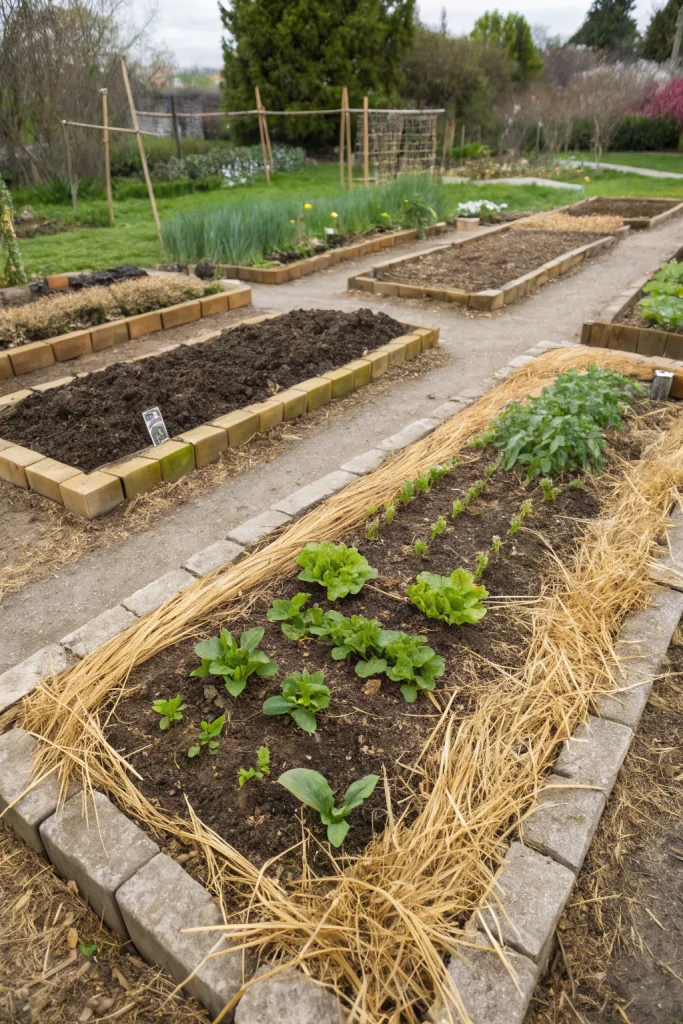
- Cardboard Layer: Lay down overlapping sheets of plain, unprinted cardboard directly onto the prepared surface. Ensure each piece overlaps by 10–15 cm (4-6 inches) to prevent weeds from finding gaps. Wet the cardboard thoroughly. This helps it to settle, begin breaking down, and makes it harder for weeds to penetrate. The cardboard acts as a powerful weed suppressor while providing carbon as it decomposes.
- Leaf Layer: On top of the wet cardboard, add a generous layer of 5–10 cm (2-4 inches) of shredded or whole dry leaves. Leaves are a fantastic carbon source, provide shelter for beneficial organisms, and slowly break down into nutrient-rich leaf mould. They also help retain moisture and regulate soil temperature. If you don’t have enough leaves, wood chips or straw can be used as alternatives, though leaves are ideal.
- Compost Layer: Finish the base with a thin layer (around 2-5 cm or 1-2 inches) of good quality compost. This introduces essential microbes and immediate nutrients for any plants you install. This layer is where you’ll plant directly into. Over time, the layers beneath will break down, enriching the entire bed.
- Why this works: This layering mimics natural forest floor processes. The cardboard smothers existing weeds. The organic matter breaks down, feeding a complex web of soil life—bacteria, fungi, worms, and micro-arthropods—which in turn creates healthy, living soil without the disruption of digging. This method also improves drainage and aeration naturally.
Step 2 — Capture Rain & Water Smarter in Your No Dig Garden
Efficient water management is a cornerstone of sustainable gardening. By capturing rainwater and applying it thoughtfully, you reduce your environmental footprint and create more resilient plants.
- Install a Rain Barrel: Connect a rain barrel to a downspout on your house, shed, or garage. Ensure it has an overflow mechanism directed away from your foundation. Rainwater is free of chlorine and other chemicals found in tap water, making it excellent for plants and soil microbes.
- Water Early: The best time to water is in the early morning. This allows the water to soak in before evaporation rates soar, and plants have adequate moisture for the day. Watering in the evening can encourage fungal diseases, especially on foliage.
- Group Pots by Water Needs: Arrange your potted plants based on their moisture requirements. Drought-tolerant succulents can be grouped together, while thirsty annuals or vegetables can be placed in another area. This prevents over or under-watering and saves time.
- Mulch Containers with Leaves: Just as in your garden beds, a layer of leaves (or other organic mulch like wood chips) on the surface of your potted plants significantly reduces evaporation. It also insulates roots from temperature extremes and slowly adds nutrients to the pot.
- Add Saucers with Gravel: Place saucers under your pots to catch excess water, preventing runoff and allowing roots to reabsorb moisture as needed. Adding a layer of gravel to the saucer elevates the pot slightly, preventing it from sitting directly in stagnant water, which can lead to root rot. The gravel also creates a microclimate of humidity around the plant.
- Consider Soaker Hoses or Drip Irrigation: For larger beds or multiple containers, a soaker hose or drip irrigation system applies water directly to the root zone, minimizing waste from overspray or evaporation. Timers can automate this process, ensuring consistent watering.
Step 3 — Feed Soil Life Naturally in a No Dig Garden
The health of your garden is directly linked to the health of your soil. In a no-dig system, you prioritize feeding the microscopic ecosystem within the soil rather than just feeding the plants. This builds long-term fertility and resilience.
- Start a Cold Compost Pile: A cold compost pile for leaves, grass clippings, and coffee grounds is a simple, low-effort way to create rich amendment. No turning is strictly necessary; simply layer materials. Over months, these break down into valuable humus. This is perfect for fall and winter when leaves are abundant.
- Utilize Bokashi Indoors: For kitchen scraps, a bokashi system is fantastic. It ferments food waste (including meat and dairy) under anaerobic conditions. The fermented “pre-compost” can then be trenched directly into resting garden beds or added to your outdoor compost, where it breaks down rapidly and adds beneficial microbes.
- Trench Fertilization: Instead of spreading compost on top, create small trenches in unused or resting garden beds and bury your bokashi pre-compost or other food scraps. This allows them to break down underground, directly feeding soil organisms and releasing nutrients where plant roots can access them, without attracting pests.
- Sieve Last Year’s Leaf Mould: Leaf mould (decomposed leaves) is gold for gardeners. If you started a leaf mould bin last year, sieve some of the mature, crumbly product. This fine, lightweight material is perfect for creating a silky, moisture-retentive seed-starting mix. It’s sterile and gentle for delicate seedlings.
- Compost Tea: To give an instant boost of microbial activity and nutrients to plants, brew compost tea. Steep a bag of finished compost in rainwater for 24-48 hours, aerating occasionally. Dilute the “tea” and apply it as a soil drench or foliar spray. This liquid gold feeds the soil and plant leaves directly.
- Importance of Soil Microbes: Healthy soil teems with bacteria, fungi, nematodes, and other microorganisms. They decompose organic matter, cycle nutrients, suppress diseases, and create soil structure. By feeding the soil with compost and organic materials, you’re nurturing this vital underground workforce.
Step 4 — Balance Pests with Habitat in a No Dig Garden
In a no-dig garden, the goal isn’t elimination of all pests, but rather fostering a balanced ecosystem where natural predators keep pest populations in check. This means providing habitat and understanding when intervention is truly necessary.
- Keep Select Seed Heads for Winter Birds: Resist the urge to “deadhead” every spent flower. Leaving some seed heads on plants like echinacea, sunflowers, and coneflowers provides vital food for birds like finches and sparrows through the lean winter months. Birds are also excellent pest controllers during the growing season.
- Bundle Stems into a Habitat Corner: Create a “bug hotel” or habitat zone with old plant stems (like hollow monarda or fennel stalks), sticks, and leaves. Bundle these together and place them in an out-of-the-way corner of your garden. This provides shelter for beneficial insects like solitary bees, lacewings, and ladybugs, which are crucial for pollination and pest control.
- Use Mild Sprays Only When Necessary: Adopt an integrated pest management (IPM) approach. First, tolerate minor pest damage. If a pest outbreak is severe, try the least toxic option. Mild soap sprays can deter aphids. Neem oil can disrupt insect feeding and reproduction. Garlic or chilli sprays can act as repellents. Always test on a small area first and apply in the evening to protect beneficial insects.
- Companion Planting: Strategically plant certain species together to deter pests or attract beneficial insects. For example, marigolds can deter nematodes, while dill and cilantro attract predatory wasps and ladybugs. Basil can repel flies and mosquitoes.
- Attract Pollinators: Plant a diverse array of native flowers that provide nectar and pollen throughout the season. These attract bees, butterflies, and other pollinators, which are vital for fruit and vegetable production. Many beneficial insects (predators) also feed on nectar and pollen.
- Observe Your Garden: Spend time observing your garden. Learn to identify both pests and beneficial insects. Often, if you wait a little, natural predators will show up and take care of the problem for you. Over-tidying your garden removes these natural allies.
Environmental & Cost Impact of a No Dig Garden
The benefits of adopting a **No Dig Garden** approach extend much further than just your backyard. They ripple outwards to have significant positive impacts on the environment and your wallet, proving that sustainable practices can be both ecologically sound and economically savvy.
- Waste Diversion from Landfill:
- Leaves: Perhaps the most visible impact is the diversion of “waste” leaves. Estimates suggest that millions of tons of leaves are sent to landfills annually, where they contribute to methane gas production as they decompose anaerobically. By using leaves as mulch, for compost, or for creating leaf mould in your **No Dig Garden**, you intercept this waste stream. You transform a landfill burden into a free, carbon-rich soil amendment, reducing disposal costs for municipalities and extending landfill life.
- Cardboard and Kitchen Scraps: Similarly, using cardboard as a weed barrier and for its carbon content, and composting kitchen scraps (either through traditional composting or bokashi) significantly reduces household waste. This lessens the demand for waste collection and processing, offering direct financial savings if you pay for waste by volume or weight.
- Reduced Irrigation Needs:
- Mulch Magic: A thick layer of organic mulch, such as leaves, wood chips, or straw, is a game-changer for water conservation in a **No Dig Garden**. This mulch acts as a protective blanket, dramatically reducing evaporation from the soil surface. It also keeps the soil cooler in summer and warmer in winter, mitigating extreme temperature fluctuations.
- Improved Soil Structure: The continuous addition of organic matter to a no-dig bed improves soil structure over time. Healthy soil with high organic content acts like a sponge, holding onto water more effectively and making it available to plant roots for longer periods. This means less frequent, but more effective, watering.
- Rain Harvest Integration: By actively capturing rainwater in barrels, you further reduce your reliance on municipal water supplies. This is especially impactful in regions prone to drought or with high water tariffs, translating directly into lower water bills.
- Increased Garden Biodiversity and Ecosystem Services:
- Habitat Zones: Leaving seed heads, creating brush piles, or simply tolerating a slightly “wilder” corner in your **No Dig Garden** provides crucial shelter, nesting sites, and food sources for a vast array of wildlife. This includes native solitary bees, predatory insects (like ladybugs, lacewings, and parasitic wasps), spiders, and ground beetles. These creatures are vital for pollination and natural pest control.
- Soil Biodiversity: The no-dig method, by disturbing the soil structure as little as possible, fosters a thriving underground ecosystem. Earthworms, fungi (especially mycorrhizal fungi), bacteria, and other microorganisms are allowed to build complex networks. These organisms are essential for nutrient cycling, disease suppression, and creating robust soil structure, leading to healthier plants that are less reliant on external inputs.
- Pollinator Support: By choosing native plants and providing diverse blooms throughout the season, your no-dig garden becomes a vital sanctuary and food source for pollinators like bees, butterflies, and hummingbirds, countering the global decline in pollinator populations.
- Reduced Chemical Inputs:
- Natural Fertility: Building soil fertility through compost and organic matter reduces or eliminates the need for synthetic fertilizers. This saves money and prevents nutrient runoff into waterways, which can cause harmful algal blooms.
- Pest & Disease Resistance: Healthy soil and a balanced ecosystem lead to stronger, more resilient plants that are better able to ward off pests and diseases naturally. This minimizes or negates the need for chemical pesticides and fungicides, saving money and protecting beneficial organisms.
- Long-term Savings: While there might be an initial investment in a rain barrel or compost bin, the long-term savings on water bills, fertilizer, pesticides, and soil amendments make **No Dig Garden** a remarkably cost-effective approach. The “free” inputs from collected organic matter are invaluable.
Advanced Eco Hacks for Your No Dig Garden
Once you’ve mastered the basics, these advanced techniques can further enhance the sustainability, productivity, and resilience of your **No Dig Garden**.
- Charge Homemade Biochar in Compost Tea: Biochar is a highly porous charcoal created through pyrolysis (burning organic material in a low-oxygen environment). When added to soil, it improves water retention, nutrient holding capacity, and provides habitat for microbes. However, raw biochar can initially absorb nutrients from the soil. “Charging” it by soaking it in nutrient-rich compost tea for a few days (or even weeks) saturates its pores with beneficial microbes and available nutrients before you mix it into your beds. This supercharges its beneficial effects.
- Swap Plastic Seed Trays for Soil Blocks: Plastic seed trays, even reusable ones, eventually degrade and contribute to plastic waste. Soil blocks are a fantastic, plastic-free alternative. A soil blocker tool compresses a moist soil-seed starting mix into self-contained “blocks.” Seeds are sown directly into these. When it’s time to transplant, the entire block goes into the garden, minimizing root disturbance and eliminating the need for pots.
- Try Milk-Jug Winter Sowing: This ingenious method uses repurposed translucent milk jugs (or other similar plastic containers) as miniature greenhouses for starting hardy perennials, cool-season vegetables, and some annuals. Cut the jug almost in half, fill the bottom with soil, sow seeds, tape it back up, and place it outdoors. The jugs provide protection from harsh winter elements while allowing natural temperature fluctuations, stratifying seeds naturally, and creating robust seedlings ready for transplant in spring. This saves space indoors and electricity for grow lights.
- Insulate Patio Pots with Cardboard Jackets and Leaf Fill: Potted plants, especially in colder climates, are vulnerable to root damage from freezing temperatures. Insulate them by creating a “jacket” around the pot using cardboard. Secure the cardboard with tape or twine, then fill the gap between the actual pot and the cardboard jacket with dry leaves, straw, or shredded newspaper. This creates an insulating layer that protects roots from harsh freezes and temperature swings, allowing you to overwinter more tender perennials outdoors.
- Create a Hugelkultur Mound (Small Scale): While traditional hugelkultur is a large mound, you can apply the principles on a smaller scale in your **No Dig Garden**. Bury logs, branches, and woody debris before adding your leaf and compost layers. This buried wood slowly decomposes, providing nutrients, improving drainage, and acting like a sponge to retain moisture for years, reducing watering needs.
- Employ Keyhole Gardening Principles: For a concentrated effort, adapt keyhole garden design. If building a raised no-dig bed, integrate a central composting tube (e.g., a bottomless bucket or a roll of chicken wire) where you continuously add kitchen scraps and other organic matter. This feeds the surrounding bed directly and efficiently, creating a highly productive, self-sufficient growing area.
- Cultivate Mycorrhizal Fungi: These beneficial fungi form symbiotic relationships with plant roots, extending their reach and ability to absorb water and nutrients (especially phosphorus). Minimize soil disturbance, use organic mulches, and avoid synthetic fungicides to encourage their growth. You can also inoculate new plants with commercially available mycorrhizal fungi, especially when transplanting.
Design & Aesthetics (Keep It Beautiful) in Your No Dig Garden
Sustainability doesn’t mean sacrificing beauty. In fact, a **No Dig Garden** can be incredibly aesthetically pleasing, embodying a natural, harmonious look. The key is to blend eco-conscious choices with thoughtful design principles.
- Recycled-Wood Edges: Define your no-dig beds with edges made from reclaimed timber, old fence posts, or even fallen branches. This creates a neat, organized appearance while utilizing repurposed materials. The wood will weather naturally, adding character and a rustic charm that perfectly complements the organic feel of a no-dig garden.
- Mossy Planters: Embrace the beauty of aging. Encourage moss to grow on terracotta pots or stone features. Moss adds a velvety texture, a sense of timelessness, and a soft, green hue that is particularly appealing in cooler, shadier spots. It also indicates a healthy level of moisture and adds to the natural, established look.
- Warm Solar Path Lighting: Rather than conventional electrical lighting, illuminate your paths and seating areas with solar-powered lights. Choose styles with a warm, soft glow rather than harsh white light. This creates a cozy, inviting atmosphere for evening enjoyment and minimizes energy consumption. Strategically placed lights can highlight key plantings or features, drawing the eye.
- Restrained Color Palette: Instead of a riot of clashing colors, consider a more restrained palette for your plantings. Focus on a few dominant colors (perhaps whites and greens, or varying shades of blues and purples) to create a sense of calm and sophistication. This allows the subtle textures and forms of plants to shine.
- Repeat Textures for Cohesion: Achieve visual harmony by repeating certain textures throughout your garden. This could be the fine foliage of ferns, the bold leaves of hostas, the feathery plumes of grasses, or the smooth bark of a particular tree. Repeating textures creates a rhythm and connects different parts of the garden, making it feel unified and intentional.
- Choose Plants with Multi-Season Interest: Select plants that offer more than just a fleeting bloom. Look for interesting bark, persistent berries for winter color, attractive seed heads, or striking fall foliage. This ensures your **No Dig Garden** remains captivating through all seasons, even when green growth is dormant.
- Integrate Water Features (Eco-Friendly): A small pond with native aquatic plants, a self-contained fountain, or a bird bath can add movement, sound, and a focal point to your garden. Ensure water features are designed for minimal water loss and attract wildlife.
- Strategic Placement of Evergreen Elements: Incorporate evergreen shrubs or small trees to provide structure and visual interest during the winter months when deciduous plants have dropped their leaves. Their presence helps maintain the garden’s form and color.
- Mindful Use of Hardscaping: When incorporating paths or seating areas, opt for permeable materials like gravel, decomposed granite, or spaced stepping stones. These allow rainwater to infiltrate the soil rather than run off, supporting your overall water conservation efforts while contributing to a natural aesthetic.
- Embrace the “Lived-In” Look: A no-dig garden, by its nature, is not about sterile perfection. Embrace a slightly wilder, “lived-in” aesthetic. A fallen log can become a bench or a habitat element. A few weeds around the edges can be part of the natural charm. This relaxed approach reduces stress and celebrates the dynamic beauty of nature.
Common Mistakes to Avoid in a No Dig Garden
While the **No Dig Garden** method is generally forgiving, avoiding these common pitfalls can save you time, effort, and prevent setbacks, ensuring your garden thrives sustainably.
- Using Peat Moss: Peat moss is harvested from ancient peat bogs, which are crucial carbon sinks and unique ecosystems. Its extraction is detrimental to these environments and contributes to climate change.
- Why it’s a mistake: Non-renewable resource, habitat destruction, carbon release.
- Eco-friendly alternative: Opt for leaf mould, coir (shredded coconut fiber, ensuring it’s ethically sourced and transported), or well-rotted compost. Leaf mould is particularly excellent for seed starting and increasing soil’s water retention.
- Over-tidying: The urge to make everything perfectly neat can be counterproductive in a no-dig, eco-conscious garden. Removing every dried stem, leaf, or fallen branch can eliminate vital habitat.
- Why it’s a mistake: Removes overwintering sites for beneficial insects (lacewings, ladybugs), nesting material for native bees, and food sources for birds (seed heads). A sterile garden is a less resilient garden.
- Better practice: Remove only hazardous debris. Leave some spent plant stalks standing; create small brush piles or log stacks in an out-of-the-way corner. Allow leaves to break down in place or rake them into mulch. Embrace a slightly wilder, more natural aesthetic.
- Watering at Midday: While tempting, watering when the sun is highest is one of the least efficient ways to irrigate your plants.
- Why it’s a mistake: High evaporation rates mean most of the water never reaches the roots, leading to waste and thirsty plants. Water droplets on leaves can also magnify sunlight, causing leaf scorch.
- Smarter watering: Water in the early morning (ideal) or late evening. This allows the water to soak into the soil deeply before evaporation increases, giving plants ample time to absorb it. Install soaker hoses or drip irrigation for targeted, efficient delivery.
- Heavy Fertilizing in Cold Soils: Plants’ metabolic activity, and more importantly, soil microbial activity, slows significantly in cold temperatures. Excess fertilizer applied when plants aren’t actively growing can be wasted or even harmful.
- Why it’s a mistake: Cold soil microbial populations are dormant and cannot process nutrients efficiently. Excess synthetic fertilizer can leach into groundwater, contribute to runoff pollution, or build up salts in the soil, potentially burning roots.
- Better approach: Focus on feeding the soil microbes, not just the plants. Apply compost and leaf mould in fall and early spring. These organic materials slowly release nutrients as soil temperatures rise, providing a steady, gentle food source for plants and microbes alike. If absolutely needed, use a mild, diluted compost tea or organic liquid fertilizer when plants show signs of active growth and soil temperatures are consistently above 10°C (50°F).
- Ignoring Soil Health: Trusting the “no-dig” method alone will miraculously fix all soil issues without active replenishment. While it’s transformative, a no-dig garden still requires consistent inputs of organic matter.
- Why it’s a mistake: Neglecting to add compost, leaves, or other organic matter means the soil food web will eventually run out of fuel. Fertility will decline, and soil structure may not improve as desired.
- Continuous improvement: Regularly top-dress beds with 2-5 cm (1-2 inches) of compost or leaves at least once a year, ideally in fall or early spring. This ensures a continuous supply of nutrients and organic matter, keeps weeds suppressed, and actively feeds the soil.
- Planting Too Densely: While abundance is lovely, overcrowding plants, particularly in areas with limited airflow, can create problems.
- Why it’s a mistake: Reduces air circulation, increasing the risk of fungal diseases. Plants compete for light, water, and nutrients, leading to stunted growth and reduced yields.
- Spacing strategy: Follow recommended spacing guidelines for mature plant size, rather than seedling size. Consider companion planting for mutual benefits but avoid creating a dense, impenetrable canopy. Ensure there’s enough room for air to move.
Storage & Winter Care for Your No Dig Garden
Preparing your **No Dig Garden** for winter is a vital step in ensuring its long-term health and your continued success. Proper storage and care now will make spring awakening much smoother and more productive.
- Cover Rain Barrels: Once freezing temperatures become consistent, drain your rain barrel completely to prevent ice expansion from cracking the plastic or metal. Disconnect it from the downspout and store it upside down, or cover the opening to prevent debris from accumulating and pests from nesting. Reconnect the downspout diverter to allow water to flow freely down the drain.
- Aerate Compost: If your compost pile is active, continue to turn or aerate it occasionally until temperatures drop significantly. For colder dormant compost piles, simply ensure they are well-covered (with a tarp or lid) to prevent them from becoming waterlogged. A well-aerated compost will break down more efficiently once warmth returns.
- Label Leaf-Mould Pens by Date: Leaf mould takes time to decompose into its rich, crumbly form (typically 1-2 years for fully finished, fine leaf mould). If you have multiple leaf mould holding bins or cages, label them with the date you started them. This helps you identify which batch is ready for use, especially for fine seed-starting mixes.
- Oil Cleaned Tools: Extend the life of your gardening tools by giving them a good clean and oiling before winter storage. Remove all soil and debris from trowels, pruners, spades, and hoes. Sharpen any cutting edges. Then, apply a thin coat of linseed oil, mineral oil, or camellia oil to metal parts to prevent rust. Wooden handles can also benefit from a coat of oil to prevent drying and cracking. Store tools in a dry place.
- Store Dry Cardboard Flat: Collect and flatten any plain, unprinted cardboard boxes throughout the year. Store them in a dry, accessible location (like a shed or garage). Having a supply of dry cardboard readily available makes it easy to quickly create new no-dig beds or add extra layers for weed suppression as soon as an area becomes free in spring or fall.
- Insulate Established Perennials and Containers: For less hardy perennials or those in containers that you plan to leave outside, consider providing extra winter protection. Mulch around the base of perennials with a thick layer of leaves or straw. For containers, group them closely together, wrap them in burlap or bubble wrap, and fill the gaps with leaves for insulation.
- Protect Empty Garden Beds: Don’t leave your no-dig beds bare over winter. A cover crop (e.g., winter rye, crimson clover) can protect the soil from erosion, suppress weeds, and add organic matter when tilled under (or simply flattened in a no-dig system) in spring. Alternatively, apply a thick final layer of leaves or straw mulch to protect the soil life and prevent weed seeds from settling.
- Clean and Store Pots and Trays: Wash all reusable pots, seed trays, and plant labels thoroughly. Sterilize them with a dilute bleach solution or hydrogen peroxide to kill off any lingering pathogens. Dry them completely before stacking them neatly for storage in a shed or garage, ready for next spring’s sowing.
Conclusion
No Dig Garden proves greener gardening is easier, cheaper, and more resilient. Start with leaves, water capture, soil life, and habitat—your spring garden will repay you with vigor and fewer inputs. By embracing these simple, nature-inspired methods, you’re not just growing plants; you’re cultivating a thriving, sustainable ecosystem that benefits both your home and the planet. The initial investment of time in learning these techniques will yield bountiful returns in terms of healthier plants, richer soil, reduced waste, and a deeper connection to the natural world. Experience the profound satisfaction of a garden that truly works with nature, not against it, flourishing even through the coldest seasons and bursting with life when spring arrives.
FAQ
- Can I start now? Yes—focus on leaves, rain capture, no-dig prep, and tool care. The cold season is an ideal time to build your soil foundations and plan for spring.
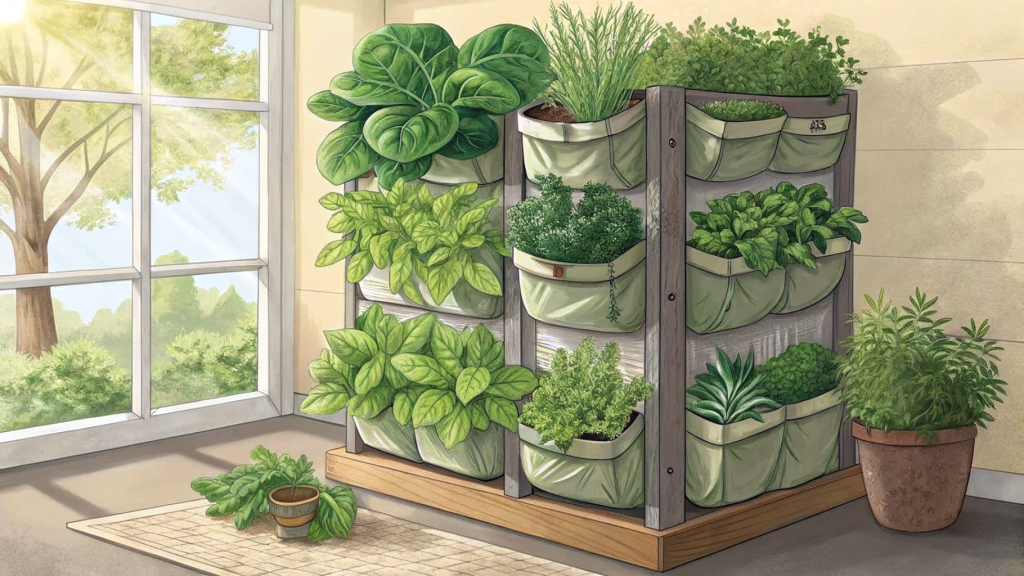
- Only a balcony? Use worm towers/bokashi in planters and insulate pots with cardboard + leaves. Even small spaces can benefit immensely from no-dig principles. Vertical gardens can also extend growing space.
- Special tools required? No—rake, pruners, and a basic bin (or bags) are enough. The beauty of No Dig Garden is its simplicity and reliance on readily available, often free, materials.
- Science behind this? The no-dig method is supported by extensive research in soil science, ecology, and microbiology. It focuses on mimicking natural decomposition processes, preserving soil structure, and fostering healthy microbial communities. Key principles include:
- Soil Structure: Minimizing disturbance preserves fungal networks (mycorrhizae) and earthworm tunnels, which are crucial for aeration, drainage, and nutrient transport. Tilling disrupts these vital structures, leading to soil compaction and degradation over time.
- Organic Matter Decomposition: Layers of organic materials (leaves, compost, cardboard) break down slowly on the surface, feeding a vast network of soil organisms. These organisms are responsible for nutrient cycling, making essential elements available to plants.
- Water Conservation: The organic layers act as a mulch, significantly reducing evaporation and allowing the soil to retain moisture for longer. Improved soil structure also enhances water infiltration and holding capacity.
- Weed Suppression: The initial cardboard layer smothers existing weeds, and subsequent layers of mulch prevent new weed seeds from germinating by blocking light.
- Biodiversity: A healthy, undisturbed soil ecosystem, combined with minimal chemical inputs, supports a greater diversity of soil microbes, insects, and beneficial wildlife, leading to a more resilient garden.
For more in-depth information, you can explore resources from respected permaculture practitioners, organic gardening associations, and university extension programs.
- Healthline — Growing food in limited space
- Harvard T.H. Chan — Plate & Planet (sustainability)
- Medical News Today — Health benefits of gardening