The Ultimate Spring Garden Checklist: 15 Essential Tasks to Do Before April
As the last vestiges of winter melt away, a new season of growth and vibrant color beckons. Spring is not just a time for new beginnings, but also a crucial period for laying the groundwork for a spectacular garden. Without proper preparation, even the most dedicated gardener can face an uphill battle. This comprehensive spring garden checklist guides you through 15 vital tasks to complete before April arrives, ensuring your garden is primed for success.
[lwptoc]
From cleaning and revitalizing your soil to planning your planting schedule, each step plays a pivotal role in cultivating a thriving outdoor space. Embrace the invigorating spirit of spring and transform your garden dreams into a flourishing reality. Let’s dig in!
Why This Matters for Your Garden’s Success
Neglecting early spring garden preparation is akin to building a house without a strong foundation. The tasks outlined in this spring garden checklist aren’t just arbitrary chores; they are fundamental steps that directly impact the health, vigor, and productivity of your plants throughout the entire growing season. Think of it as an investment in future beauty and bounty.
Clearing debris prevents pests and diseases from overwintering and spreading. Amending your soil provides the essential nutrients plants need to thrive from the moment they emerge. Proper pruning encourages healthier growth and better flowering or fruiting. By being proactive now, you minimize problems later, reduce the need for harsh interventions, and ultimately create a more resilient and beautiful garden landscape.
A well-prepared garden also means less stress for you. When you have a clear plan and tackle tasks systematically, gardening becomes a joyful, therapeutic activity rather than an overwhelming burden. This structured approach allows you to fully enjoy the unfolding magic of spring without feeling rushed or unprepared.
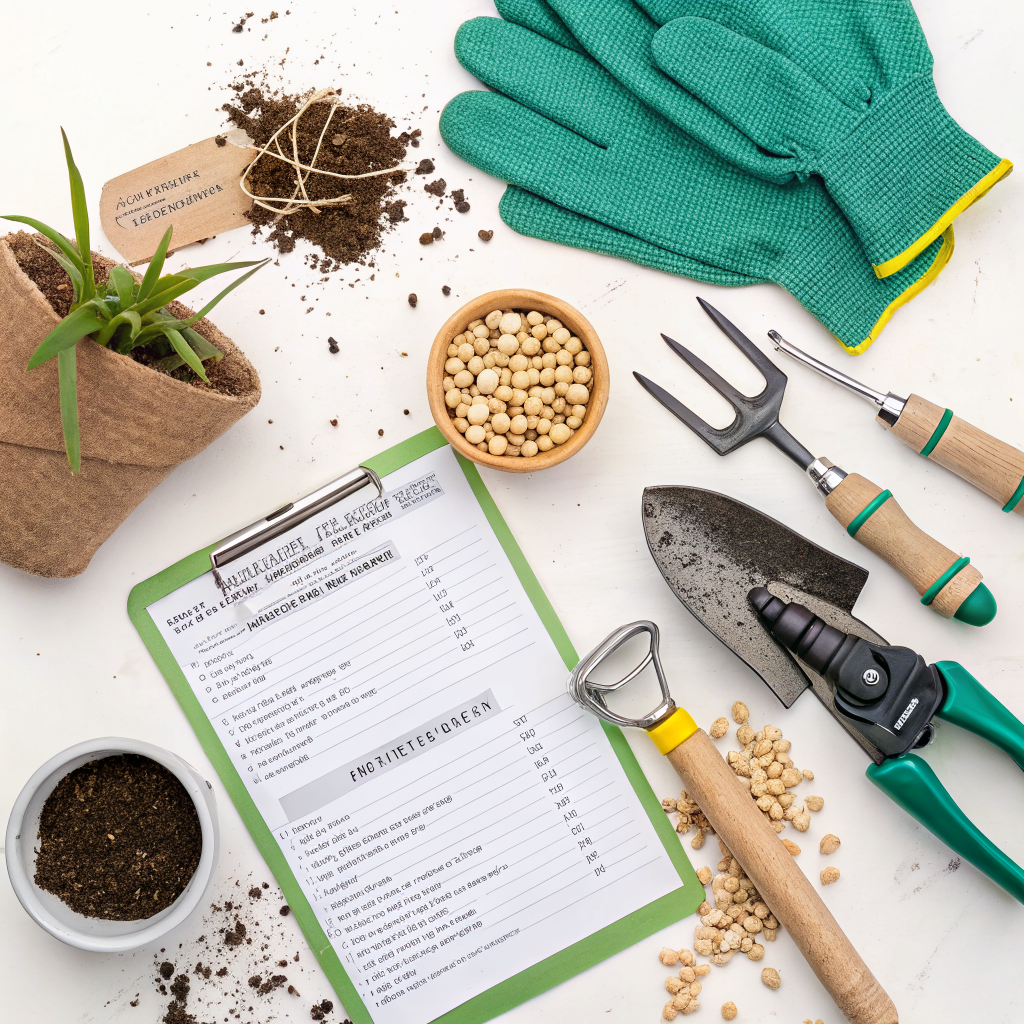
What You’ll Need: Essential Tools, Materials, and Plants
Before you embark on your spring gardening journey, gathering the right tools and materials is crucial. Having everything at hand will make your tasks more efficient and enjoyable. Start with the basics: sturdy gardening gloves, a hand trowel, a digging fork, pruning shears, and a watering can or hose.
For soil preparation, you’ll likely need compost, well-rotted manure, or other organic matter. Consider a soil test kit to understand your soil’s current nutrient profile. You might also want a wheelbarrow for moving materials, a rake for clearing debris, and a kneeling pad for comfort. For planting, have your seed packets, young plants, or bare-root stock ready.
Don’t forget supplies for pest and disease management, such as insecticidal soap or horticultural oil, if previous seasons indicated a need. Labels, markers, and gardening twine can also be incredibly useful for organization. For specific tasks like tool cleaning, ensure you have disinfectant wipes, sharpening tools, and rust-preventative oil.
Step-by-Step Guide: 15 Tasks for Your Spring Garden Checklist
Here’s your detailed spring garden checklist, designed to get your garden ready for the vibrant growing season ahead. Tackle these tasks before April for the best results.
1. Clean Up Debris and Winter Lingers
Start by thoroughly raking out fallen leaves, twigs, and any other detritus that accumulated over winter. This crucial step removes potential hiding spots for pests and fungal spores, promoting better air circulation. Pay special attention to beds and borders where debris can smother emerging plants. Dispose of diseased material safely, rather than adding it to your compost.
2. Inspect and Sharpen Garden Tools
Give your tools a good clean, removing any rust or caked-on soil. Sharpen pruning shears, loppers, and shovels for cleaner cuts and more efficient work. Lubricate moving parts with oil to ensure smooth operation. Proper tool care extends their lifespan and prevents the spread of plant diseases.
3. Prune Dormant Trees and Shrubs
Before new growth emerges, prune any dead, damaged, or diseased branches from deciduous trees and shrubs. This improves plant health, encourages better air circulation, and can enhance flowering or fruiting. Always use clean, sharp bypass pruners or loppers for the best results.
4. Test Your Soil
A soil test provides invaluable information about your garden’s nutrient levels and pH. This data allows you to make informed decisions about amendments, ensuring your plants receive exactly what they need. You can purchase DIY kits or send samples to your local agricultural extension office for more comprehensive analysis.
5. Amend and Prepare Garden Beds
Once you know your soil’s needs, amend it with appropriate organic matter like compost, well-rotted manure, or leaf mold. Dig it in gently or lay it as a thick top dressing. This improves soil structure, drainage, and fertility, creating an optimal environment for roots. Don’t over-till, as it can disrupt beneficial soil organisms.
6. Plan Your Garden Layout and Plantings
Now is the perfect time to visualize your garden for the upcoming season. Consider crop rotation for vegetables to prevent nutrient depletion and disease build-up. Plan where new plants will go, accounting for sun exposure, mature size, and companion planting opportunities. This thoughtful planning saves time and effort later.
7. Start Seeds Indoors (If Applicable)
For many annuals and some perennials, starting seeds indoors gives them a head start on the growing season. Check seed packets for recommended planting times relative to your last frost date. Provide adequate light (grow lights are often necessary), warmth, and consistent moisture for successful germination.
8. Clean and Prepare Cold Frames or Greenhouses
If you have season-extending structures, give them a thorough cleaning. Wash down surfaces, check for any damage, and ensure ventilation systems are working correctly. This creates a healthy and protected environment for young seedlings or early cool-season crops. Proper cleaning reduces the risk of pests and diseases.
9. Inspect Irrigation Systems
Check drip lines, hoses, and sprinkler heads for leaks, cracks, or blockages. Repair or replace any damaged components to ensure efficient watering once the growing season begins. A functional irrigation system is vital for providing consistent moisture to your plants, especially during dry spells.
10. Divide Perennials
Many overcrowded perennials benefit from division every few years in early spring. This rejuvenates the plant, improves flowering, and provides you with new plants to expand your garden or share. Dig up the clump, gently separate it into smaller sections, and replant promptly.
11. Fertilize Lawns (If Needed)
If your lawn needs a boost, early spring is a good time for a slow-release fertilizer application. Consider a soil test for your lawn as well to ensure you’re providing the right nutrients. Avoid over-fertilizing, which can lead to runoff and harm the environment. Overseed bare patches if necessary.
12. Address Pest and Disease Issues Early
Scout your garden for any early signs of pests or diseases. Dormant oil sprays can be effective on susceptible plants to control overwintering insect eggs or fungal spores before they become active. Early detection and intervention can prevent widespread problems later in the season.
13. Replenish Mulch
Refreshing your mulch layers provides numerous benefits. It conserves soil moisture, suppresses weeds, regulates soil temperature, and adds organic matter as it breaks down. Aim for a 2-4 inch layer, keeping it a few inches away from tree and shrub trunks to prevent rot. Hardwood chips, straw, or shredded leaves are excellent choices.
14. Introduce Early Cool-Season Crops
Depending on your last frost date, you can often plant cool-season vegetables like lettuce, spinach, kale, radishes, and peas in late March. These plants thrive in cooler temperatures and can provide an early harvest before the summer heat arrives. Use row covers for extra protection if late frosts are still a concern.
15. Plan for Pollinators
Incorporate plants that attract bees, butterflies, and other beneficial pollinators into your garden design. Early spring flowers like crocus, hellebores, and early-blooming salvias provide vital nectar and pollen resources when other options are scarce. This supports biodiversity and improves overall garden health.
Pro Tips and Common Mistakes to Avoid
To maximize your gardening efforts this spring, consider these expert tips and learn from common errors. One cardinal rule: don’t rush it. While enthusiasm is wonderful, planting too early before the danger of frost has passed can lead to heartbreak and wasted effort. Always keep an eye on your local weather forecast and understand your area’s average last frost date.
Pro Tip: Observe your garden. Take time to walk around, identify forgotten plants, notice drainage patterns, and see where winter damage is most prevalent. This personal observation is invaluable. Pay attention to microclimates in your yard – some spots warm up faster or stay shadier longer.
A common mistake is over-tilling the soil. While it seems like a good idea to break up compacted earth, excessive tilling can destroy the delicate soil structure and beneficial microbial networks. Instead, focus on incorporating organic matter and using a broadfork for gentle aeration. Another error is neglecting tool hygiene; dirty tools can spread diseases. Always clean and disinfect them, especially after working on diseased plants.
Don’t forget about watering needs, even in early spring. While rain can be plentiful, young seedlings and newly planted trees may still require supplemental watering, particularly if you experience dry spells. Ensure your irrigation is efficient rather than just spraying everywhere.
Eco-Friendly Variations for a Sustainable Garden
Embracing eco-conscious practices in your garden benefits not just the environment but also the long-term health of your plants. When tackling your spring garden checklist, integrate sustainable choices whenever possible. Instead of chemical fertilizers, rely on nutrient-rich compost and other organic amendments to feed your soil and plants. This fosters a healthier soil biome and reduces chemical runoff.
Opt for predatory insects or physical barriers over synthetic pesticides for pest control. Encourage beneficial wildlife by planting native species and providing water sources. This creates a balanced ecosystem that naturally keeps pests in check. Learn more about effective composting techniques here to turn your kitchen and garden waste into valuable soil amendments.
Water conservation is another key aspect of eco-conscious gardening. Consider installing a rain barrel to collect water for irrigation, reducing your reliance on municipal supplies. Choose drought-tolerant plants appropriate for your climate and apply mulch generously to retain soil moisture. These simple changes collectively make a significant positive impact on your garden’s sustainability footprint.
Seasonal Considerations: Beyond Early Spring
While this spring garden checklist focuses on tasks before April, it’s important to remember that gardening is a continuous process. As temperatures rise and the days lengthen, new tasks will emerge. For instance, as summer approaches, you’ll need to transition from cool-season crops to warm-season varieties like tomatoes, peppers, and cucumbers. Regular weeding will become a more pressing concern, and watering needs will intensify.
Mid-spring is often the ideal time for transplanting seedlings started indoors and planting tender annuals after all danger of frost has passed. Continuous monitoring for pests and diseases, along with fertilizing according to plant needs, will keep your garden thriving. Remember to deadhead spent flowers to encourage new blooms and prune back leggy growth. The rhythm of the seasons dictates your gardening endeavors, and staying flexible and observant is key.
Expert Resources for Deeper Learning
For those looking to expand their gardening knowledge and troubleshoot specific challenges, a wealth of expert resources is available. Consulting these reliable sources can provide in-depth information, tailored advice, and research-backed solutions.
- Gardening Know How: This extensive website offers a vast library of articles, guides, and Q&A sections covering almost every gardening topic imaginable. From plant care to pest control, their resources are invaluable for both novice and experienced gardeners. Explore their wisdom at gardeningknowhow.com.
- Royal Horticultural Society (RHS): A world-renowned gardening charity, the RHS provides authoritative advice on all aspects of horticulture. Their website features plant profiles, gardening guides, and scientific research. It’s an excellent resource for detailed plant information and cultivation practices, particularly for UK gardeners but applicable globally. Visit their site at rhs.org.uk.
- University Extension Services: Every state in the US has a university extension service, often linked to land-grant universities. These services provide localized, research-based information on gardening, local pests, soil health, and plant selection specific to your region. They are an unparalleled resource for community-specific advice. Find your local office via the National Institute of Food and Agriculture (NIFA) or directly search for “extension + your state.” As an example, the University of Minnesota Extension offers robust resources at extension.umn.edu.
Conclusion: A Season of Growth Awaits
Completing this spring garden checklist before April is more than just crossing off tasks; it’s an investment in the health, beauty, and productivity of your outdoor sanctuary. Each step, from clearing debris to amending soil and planning your plantings, contributes to a stable foundation for the growing season ahead. By being proactive now, you minimize future problems, enhance plant vigor, and set the stage for a truly rewarding gardening experience.
Embrace the invigorating energy of spring, get your hands dirty, and enjoy the process of nurturing your garden back to life. With these 15 essential tasks under your belt, you’re not just preparing a plot of land; you’re cultivating a vibrant ecosystem that will bring joy, sustenance, and natural beauty to your home throughout the year. Happy gardening!
Spring Garden Checklist: Frequently Asked Questions
Q1: Why is it important to clean up garden debris in early spring?
Cleaning up garden debris like fallen leaves and twigs in early spring is crucial because it removes potential overwintering sites for pests and diseases. This practice also improves air circulation around emerging plants, reducing the risk of fungal issues and creating a healthier environment for new growth.
Q2: How often should I test my garden soil, and why?
It’s generally recommended to test your garden soil every 3-5 years, or more frequently if you observe plant health issues or are making significant changes to your garden beds. Soil testing provides essential information on nutrient levels, pH, and soil composition, allowing you to tailor amendments precisely to your plants’ needs for optimal growth and productivity.
Q3: What is the benefit of dividing perennials in spring?
Dividing overcrowded perennials in early spring rejuvenates the parent plant, promotes bushier growth, and often leads to more abundant flowering. It also helps manage the plant’s size and provides you with new divisions to expand your garden or share with others, preventing plants from becoming root-bound and unproductive.
Q4: When is the best time to start seeds indoors for my spring garden?
The best time to start seeds indoors varies by plant type and your local climate, but generally falls between 6-12 weeks before your area’s average last frost date. Always check the specific recommendations on your seed packets. Starting seeds indoors gives tender plants a head start, allowing them to establish a strong root system before being transplanted outside when conditions are favorable.