The Essential Guide to Natural Pest Control: 7 Plants That Repel Insects
Are you tired of battling garden pests with harsh chemicals that harm beneficial insects, pets, and even your family? Imagine a thriving garden where plants work together to create a natural defense system. This comprehensive guide will introduce you to the power of natural pest control through companion planting, focusing on 7 incredible plants that effectively repel various unwanted critters. Embrace eco-friendly gardening and discover how to protect your precious plants the natural way.
[lwptoc]
Why Natural Pest Control Matters for Your Garden (and the Planet)
The allure of a vibrant, pest-free garden is undeniable, but the conventional approach often involves synthetic pesticides. These chemicals can decimate not only harmful insects but also beneficial pollinators like bees and butterflies, which are crucial for our ecosystem. Moreover, residues from these products can linger in the soil, affecting soil health and potentially contaminating groundwater.
Opting for natural pest control methods, particularly companion planting, offers a multitude of benefits. It fosters biodiversity, creating a more resilient and balanced garden ecosystem. By attracting beneficial insects and deterring pests with specific plant compounds, you reduce your reliance on chemical interventions, leading to safer produce and a healthier environment for everyone. This sustainable approach is a win-win for your garden, your family, and the planet.
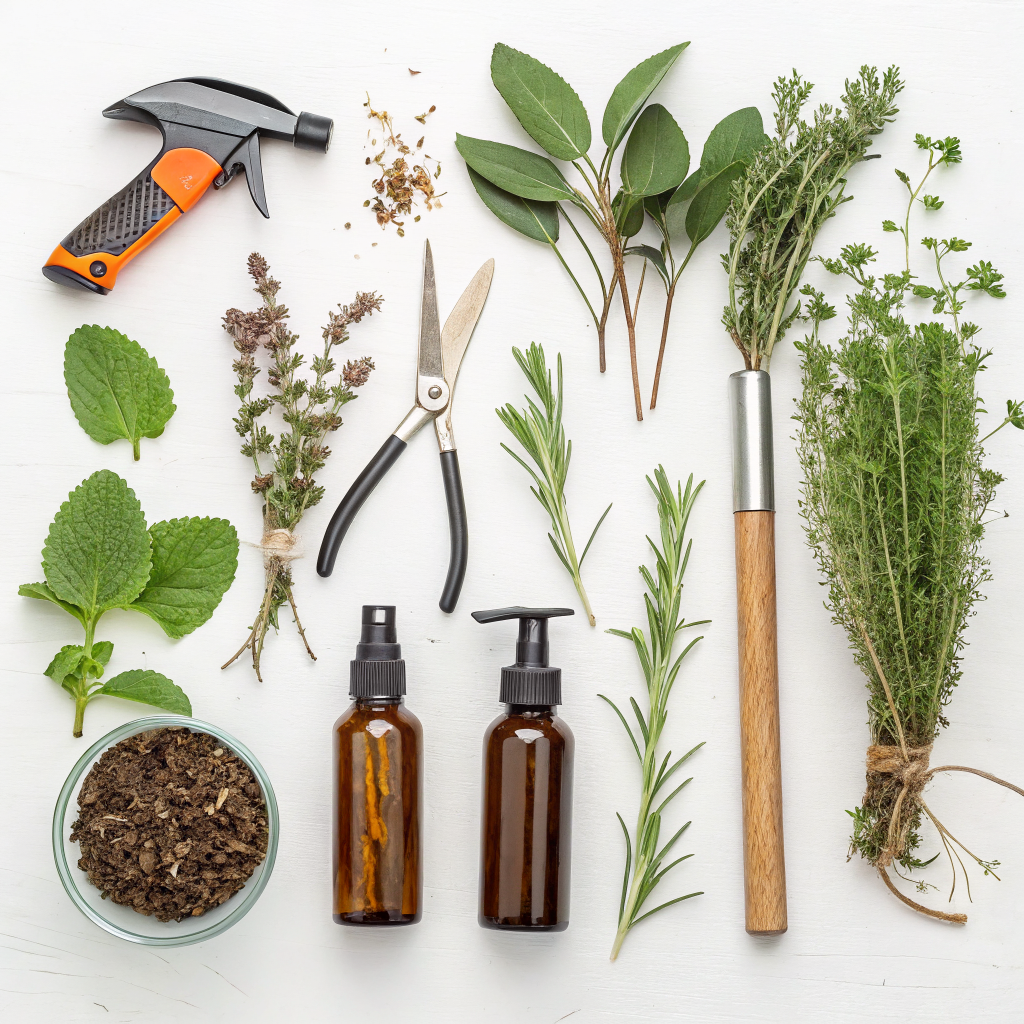
What You Need: Tools, Materials, and the Right Plants
Embarking on your natural pest control journey is surprisingly straightforward and requires minimal specialized equipment. The most important “tools” are your understanding of plant interactions and a willingness to observe your garden closely. Here’s a breakdown of what you’ll need to get started:
- Gardening Gloves: To protect your hands while planting and tending.
- Hand Trowel and Spade: For digging planting holes and amending soil.
- Watering Can or Hose: Essential for establishing new plants and regular maintenance.
- Organic Potting Mix or Compost: To enrich your garden soil, providing a healthy start for your pest-repelling plants.
- Plant Markers: Helpful for identifying your newly planted additions, especially when they are young.
- Notebook and Pen: For journaling your observations, noting which companion planting combinations work best in your specific garden.
- Crucially, the Plants Themselves: We’ll delve into the top 7 natural pest control plants shortly, but consider starting with seeds or small starter plants from a reputable nursery.
Step-by-Step Guide: Integrating Natural Pest Control Plants into Your Garden
Successfully incorporating pest-repelling plants into your garden is more than just scattering seeds; it involves strategic planning and thoughtful placement. Follow these steps to maximize their effectiveness and create a natural fortress against unwanted insects.
Step 1: Assess Your Current Pest Problems and Garden Layout
Before you start planting, take some time to observe your garden. Identify which plants are most frequently attacked by pests and which types of pests you are typically dealing with. Are aphids a recurring issue on your roses? Do slugs decimate your hostas? Understanding your specific challenges will help you choose the most effective repellent plants. Also, consider your garden’s layout – sun exposure, existing plant groupings, and soil conditions will all influence your planting decisions.
Step 2: Choose Your 7 Pest-Repelling Plants Strategically
Once you know your pest adversaries, select from the following proven natural pest control plants that repel insects. Each offers unique defensive properties:
- Marigolds (Tagetes spp.): Especially French Marigolds, known for repelling nematodes, whiteflies, and even rabbits. Their strong scent is a key deterrent. Plant them near tomatoes, roses, and other susceptible plants.
- Basil (Ocimum basilicum): A beloved culinary herb that also excels at repelling flies and mosquitoes. Some studies suggest it can deter tomato hornworms. Plant basil near tomatoes, peppers, and in patio containers.
- Mint (Mentha spp.): While incredibly effective at repelling ants, mosquitoes, and rodents, mint is a vigorous spreader. It’s best grown in containers or in a dedicated, contained bed to prevent it from taking over your garden. Its potent aroma is its greatest weapon.
- Lavender (Lavandula spp.): This beautiful, aromatic plant is a champion against mosquitoes, moths, fleas, and flies. Its pleasant scent for humans is a major irritant for many insects. Plant lavender near entryways, outdoor seating areas, and around garden beds that need protection.
- Rosemary (Rosmarinus officinalis): A woody herb that deterring mosquitoes, cabbage moths, and carrot rust flies. Its strong, resinous scent is effective when planted near susceptible vegetables. It can also be brushed or crushed to release its oils.
- Chrysanthemums (Chrysanthemum cinerariifolium): These flowers contain pyrethrins, natural insecticidal compounds found in many organic pest sprays. They repel a wide range of insects, including ants, ticks, fleas, spider mites, and even roaches. Be mindful of their potent properties.
- Citronella Grass (Cymbopogon nardus): While the oil is commonly used in candles, the plant itself is a superb mosquito repellent. Plant it near outdoor living spaces or strategically around your garden perimeter. It thrives in warm climates.
Remember to select plants that thrive in your climate zone and specific garden conditions (check your USDA hardiness zone if unsure).
Step 3: Prepare Your Planting Sites
Good soil is the foundation of healthy plants, and healthy plants are better equipped to defend themselves. Amend your garden beds with good quality compost or organic matter. Ensure proper drainage, as many pest-repelling herbs prefer well-drained soil. Dig holes that are twice as wide as the plant’s root ball and just as deep.
Step 4: Strategic Planting for Maximum Impact
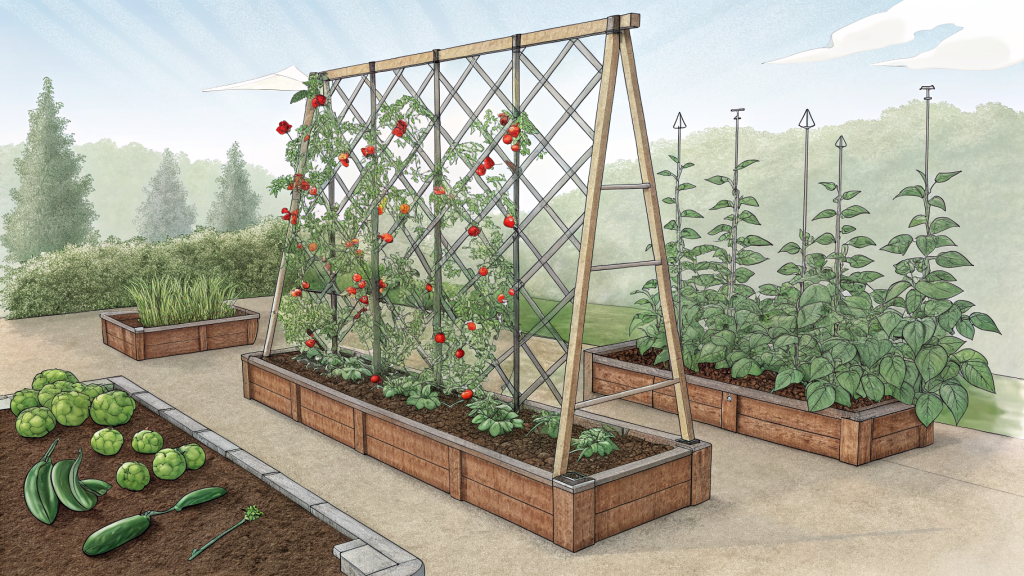
This is where companion planting truly shines. Don’t just plant these beneficial botanicals in a separate bed. Instead, intersperse them among your vulnerable plants. For instance, plant marigolds around the base of tomatoes, basil between pepper plants, or lavender near your roses. Consider grouping a few different types of repellent plants together in areas where pest pressure is typically high, like borders or around vegetable patches. Learn more about sustainable gardening practices to enhance your plant’s vigor.
Step 5: Ongoing Care and Observation
Once planted, your natural pest control team needs proper care to thrive. Water them consistently, especially during dry spells, and provide adequate sunlight as per their individual needs. Regularly observe your garden for signs of pest activity. Note which combinations are working well and which areas might need additional intervention. Pinch back herbs like basil and mint to encourage bushier growth and more potent aromatic oils.
Pro Tips and Common Mistakes to Avoid
Mastering natural pest control with plants comes with practice. Here are some insights to help you succeed and pitfalls to steer clear of:
- Tip 1: Diversity is Key. Don’t rely on just one type of repellent plant. A diverse array of aromatic plants creates a more complex and effective deterrent. Pests are less likely to adapt to multiple defense mechanisms.
- Tip 2: Crush Leaves for Stronger Scent. For quick, localized pest deterrence, gently bruise or crush the leaves of aromatic plants like rosemary or mint. This releases more of their essential oils, intensifying their repelling power. Do this particularly around plants showing signs of distress.
- Tip 3: Rotate Your Repellents. If you’re struggling with a persistent pest, occasionally change up the repellent plants you’re using in that area. This prevents pests from becoming accustomed to a single scent.
- Tip 4: Attract Beneficial Insects. While some plants repel pests, others attract beneficial insects (e.g., ladybugs, lacewings) that prey on pests. Incorporate plants like dill, fennel, and cosmos to create a balanced ecosystem. Discover how to attract pollinators for an even healthier garden.
- Tip 5: Companion Planting Charts. Utilize companion planting charts as a guide, but always observe your specific garden’s reactions. What works for one gardener might need slight adjustments for another.
- Overplanting Mint Directly in Beds: Mint will quickly take over if not contained. Always plant it in pots or with root barriers.
- Expecting Instant Results: Natural pest control is a long-term strategy. It builds resilience over time, unlike quick-fix chemical solutions.
- Ignoring Plant Needs: A stressed plant, even a repellent one, is less effective. Ensure your plants receive adequate water, sunlight, and nutrients.
- Planting Too Far Apart: For maximum effectiveness, pest-repelling plants need to be close enough to the vulnerable plants to effectively mask their scent or create a deterrent zone.
- Not Observing: Failing to regularly check your garden means you might miss early signs of pest incursions or ineffective placement of your repellent plants.
Eco-Friendly Variations and Enhancements
Beyond simply planting deterrents, you can further boost your garden’s natural defenses through other environmentally conscious practices:
- Homemade Pest Sprays: Combine crushed garlic, hot peppers, and a drop of dish soap with water to create a natural insecticidal spray. This can be used as a targeted treatment for localized infestations.
- Neem Oil: A naturally derived insecticide from the neem tree, effective against many soft-bodied insects. It’s systemic, meaning plants can absorb it, offering longer-lasting protection.
- Beneficial Insect Releases: For severe infestations, consider introducing beneficial insects like ladybugs (for aphids) or praying mantises (general predators) to your garden. Ensure you have a habitat for them to stay.
- Crop Rotation: Regularly rotating your crops helps to break pest life cycles and prevents soil-borne diseases. Pests specific to certain plants won’t find their preferred food source in the same location year after year.
- Row Covers: For highly susceptible plants, physical barriers like floating row covers can effectively exclude pests without any chemicals. Just remember to remove them during flowering if pollination is needed.
- Healthy Soil Practices: Rich, organic soil supports healthy, robust plants that are naturally more resistant to pests and diseases. Focus on composting and avoiding chemical fertilizers that can disrupt soil microbiology.
Seasonal Considerations for Year-Round Protection
The effectiveness and maintenance of your natural pest control plants will vary with the seasons. Adapting your approach ensures continuous protection:
- Spring: Establishing New Defenses. Spring is the ideal time to plant your pest-repelling annuals like marigolds and basil. Start seeds indoors for an earlier jump or plant nursery starts once the danger of frost has passed. Perennials like lavender and rosemary can also be planted or divided now. Focus on establishing strong root systems.
- Summer: Peak Pest Season and Maintenance. Summer sees the highest pest activity. Your repellent plants should be in full swing. Water consistently, especially during hot, dry spells. Deadhead marigolds and lavender to encourage more blooms and continuous oil production. Keep an eye on mint to prevent it from overwhelming other plants. Harvest herbs regularly; this not only provides you with fresh ingredients but also encourages new growth and releases more deterrent oils.
- Autumn: Preparing for Next Year. As temperatures drop, annual repellent plants will begin to fade. Collect seeds from open-pollinated varieties for next year. For perennial deterrents like rosemary and lavender, ensure they are well-watered before winter sets in. In colder climates, consider bringing potted basil or mint indoors before the first hard frost to extend their season or overwinter them in a protected space. Clean up fallen leaves and plant debris to remove overwintering sites for pests.
- Winter: Planning and Protection. While active pest control might be minimal in winter, this is a crucial planning period. Review your notes from the previous growing season. What worked well? Where were the weak spots? Plan your companion planting strategy for the upcoming spring. For perennial pest repellents, ensure they are mulched to protect their roots from extreme cold.
Expert Resources for Deeper Learning
To further enhance your knowledge and gardening skills, consult these reputable sources:
- Royal Horticultural Society (RHS) – Pest and Disease Control: A comprehensive resource for identifying pests and diseases, along with sustainable control methods.
- University of Minnesota Extension – Companion Planting and Biological Pest Control: Provides research-backed information on effective companion planting strategies.
- Gardening Know How – All About Companion Planting: Offers practical advice and extensive lists of beneficial plant pairings.
Conclusion: Cultivating a Naturally Resilient Garden
Embracing natural pest control with these 7 remarkable plants is a powerful step towards a healthier, more sustainable garden. By understanding the intricate relationships between plants and insects, you can transform your outdoor space into a vibrant ecosystem where nature does the heavy lifting. This eco-friendly approach not only protects your plants from unwanted invaders but also fosters biodiversity, supports beneficial insects, and reduces your environmental footprint. So, roll up your sleeves, start planting, and enjoy the satisfaction of a thriving garden, naturally protected and abundantly beautiful. Your garden, and the planet, will thank you.
FAQ: Natural Pest Control Plants
Q1: How quickly do pest-repelling plants start working?
A1: The effectiveness varies. Some, like strong-scented herbs, offer immediate deterrence upon planting (or even crushing their leaves). However, for a fully established, resilient defense system, it can take a few weeks as the plants grow and their aromatic compounds become more potent. Consistent growth contributes to their efficacy.
<p><strong>Q2: Can I use these plants in containers if I have a small space?</strong><br>
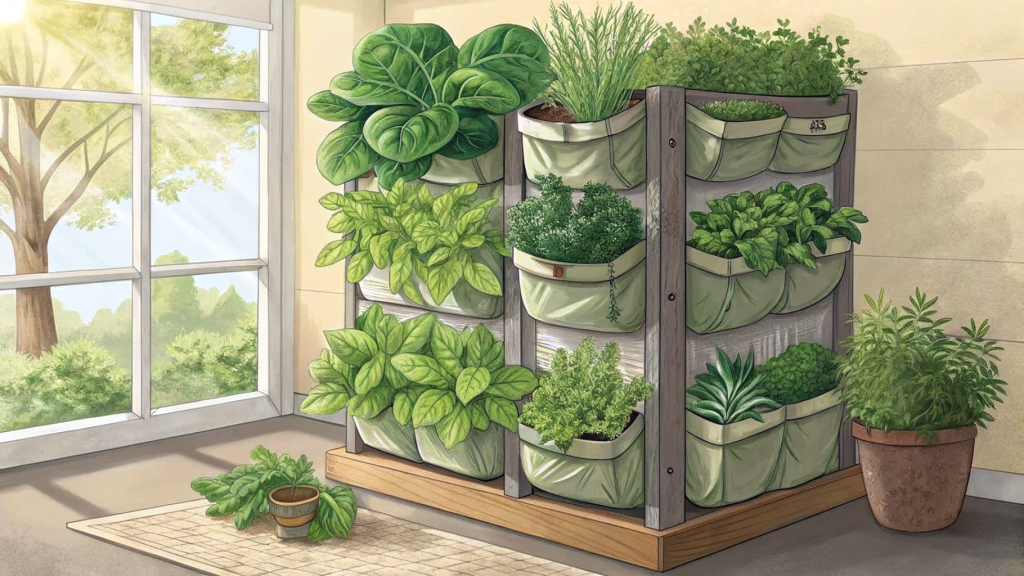
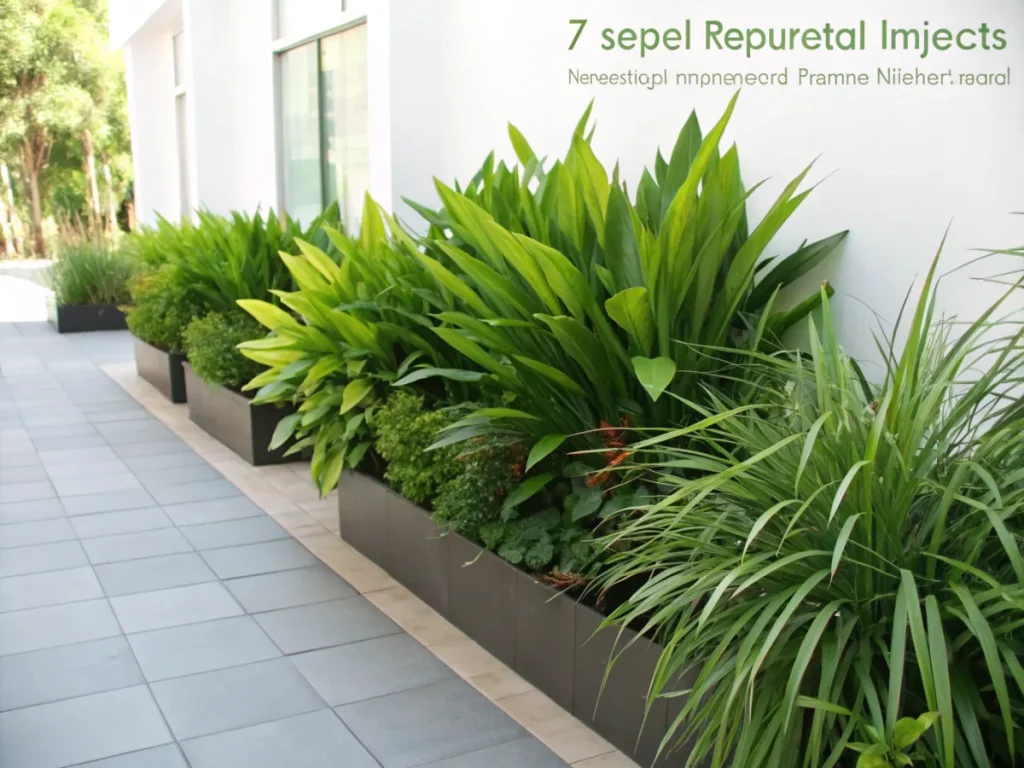
A2: Absolutely! Most pest-repelling plants, especially herbs like basil, mint (essential for containment), rosemary, and lavender, thrive in containers. Place them strategically on patios, balconies, or near entryways to create localized pest-free zones. This is an excellent solution for urban gardeners or those with limited garden space.</p>

<p><strong>Q3: Are these natural pest control plants safe for pets and children?</strong><br>
A3: Generally, yes, but it's always wise to exercise caution. Most of the plants listed (marigolds, basil, mint, lavender, rosemary, citronella) are non-toxic or have very low toxicity. Chrysanthemums, however, contain pyrethrins, which can cause mild irritation if ingested in large quantities by pets. Always supervise children and pets, and consult a veterinarian or poison control if accidental ingestion of any plant is a concern.</p>

<p><strong>Q4: Do I still need to use other pest control methods if I plant these?</strong><br>
A4: While these plants offer significant natural protection, they are part of an integrated pest management strategy, not a complete standalone solution for every scenario. They reduce the need for other methods dramatically. You might still occasionally need to hand-pick larger pests, use row covers for highly vulnerable crops, or apply organic sprays like neem oil for heavy infestations. The goal is to minimize, not necessarily eliminate, all other interventions.</p>