21 Essential Steps to Supercharge Your Garden with Biochar & Compost
Are you dreaming of a garden teeming with vibrant life, boasting robust plants, and yielding abundant harvests? The secret often lies beneath your feet – in the soil. For millennia, gardeners and farmers have understood the profound impact of healthy soil on plant vitality. Today, we’re delving into a dynamic duo that’s revolutionizing soil health: biochar and compost. Individually, they are formidable soil improvers; together, they create a synergistic effect that can dramatically transform your garden from the ground up. This comprehensive guide will walk you through everything you need to know about harnessing the power of biochar compost soil amendment to cultivate a thriving living soil ecosystem.
[lwptoc]
Why This Matters for Your Garden: Unlocking the Soil’s Full Potential
Gardening is an act of creation, and healthy soil is its foundation. Imagine soil as the engine of your garden, powering nutrient uptake, water retention, and microbial activity. When this engine runs optimally, your plants thrive, resisting diseases and pests more effectively, and producing higher quality yields.
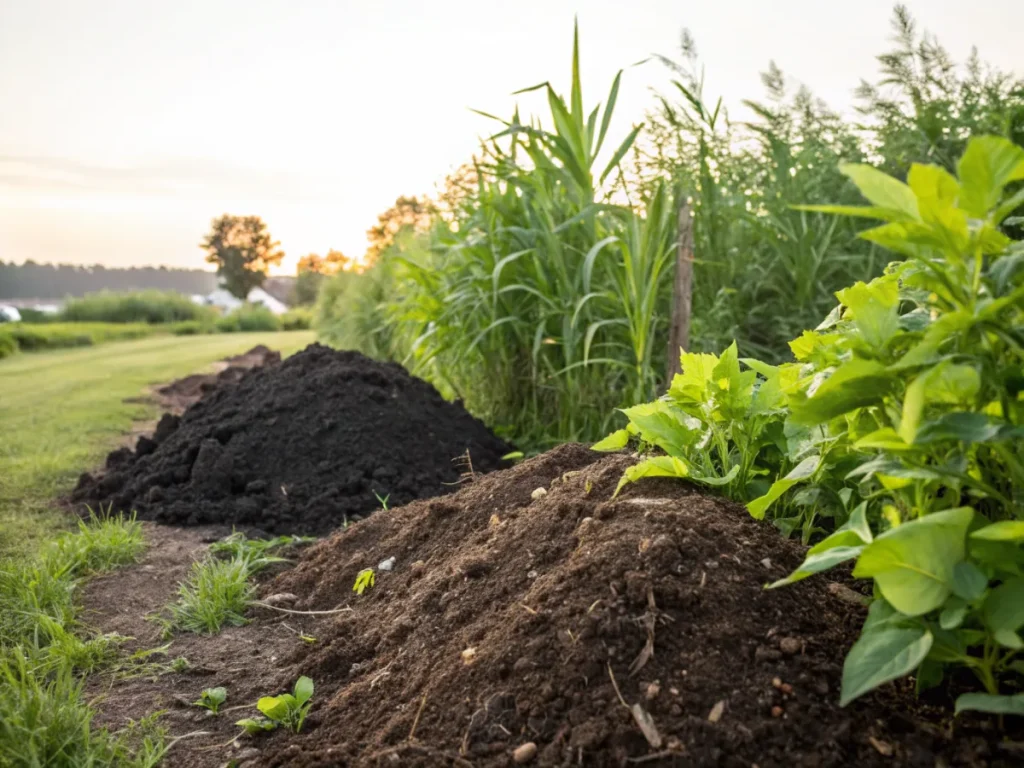
Compost is often hailed as “gardener’s gold,” and for good reason. It’s a rich organic material, the result of decomposed plant and animal matter. Its benefits are numerous: it improves soil structure, increases water holding capacity, provides a slow-release source of essential nutrients, and most importantly, feeds the vast microbial community that underpins soil health. These microorganisms break down organic matter, cycle nutrients, and even help protect plants from pathogens.
Biochar, on the other hand, is a relatively ancient yet rediscovered soil amendment. It’s a highly porous form of charcoal produced by heating organic matter in the absence of oxygen, a process called pyrolysis. What makes biochar so special is its incredibly stable structure and vast surface area. Think of it as a microscopic condominium for microbes, offering countless pores and nooks where water, air, and nutrients can be held and exchanged.
When you combine these two powerhouses, you don’t just get the sum of their parts; you get exponential benefits. Compost provides the food, and biochar provides the long-term, stable housing and infrastructure. This biochar compost soil amendment creates a living, breathing, incredibly resilient soil environment. For instance, biochar can reduce nutrient leaching, meaning valuable nutrients from your compost are less likely to wash away, becoming more available to your plants over time. It buffers pH, improves drainage in heavy clay soils, and increases water retention in sandy soils. Ultimately, this synergy leads to healthier roots, stronger plants, and a more sustainable, less labor-intensive garden in the long run. It’s an investment in the future vitality of your garden, reducing the need for synthetic fertilizers and intensive watering.
What You Need: Tools, Materials, and Plants for Your Biochar Compost Journey
Embarking on the biochar compost soil amendment journey doesn’t require a NASA-grade laboratory. Most of what you need is readily available, and much of it you might already possess. The key is quality materials and a bit of patience.
Essential Materials:
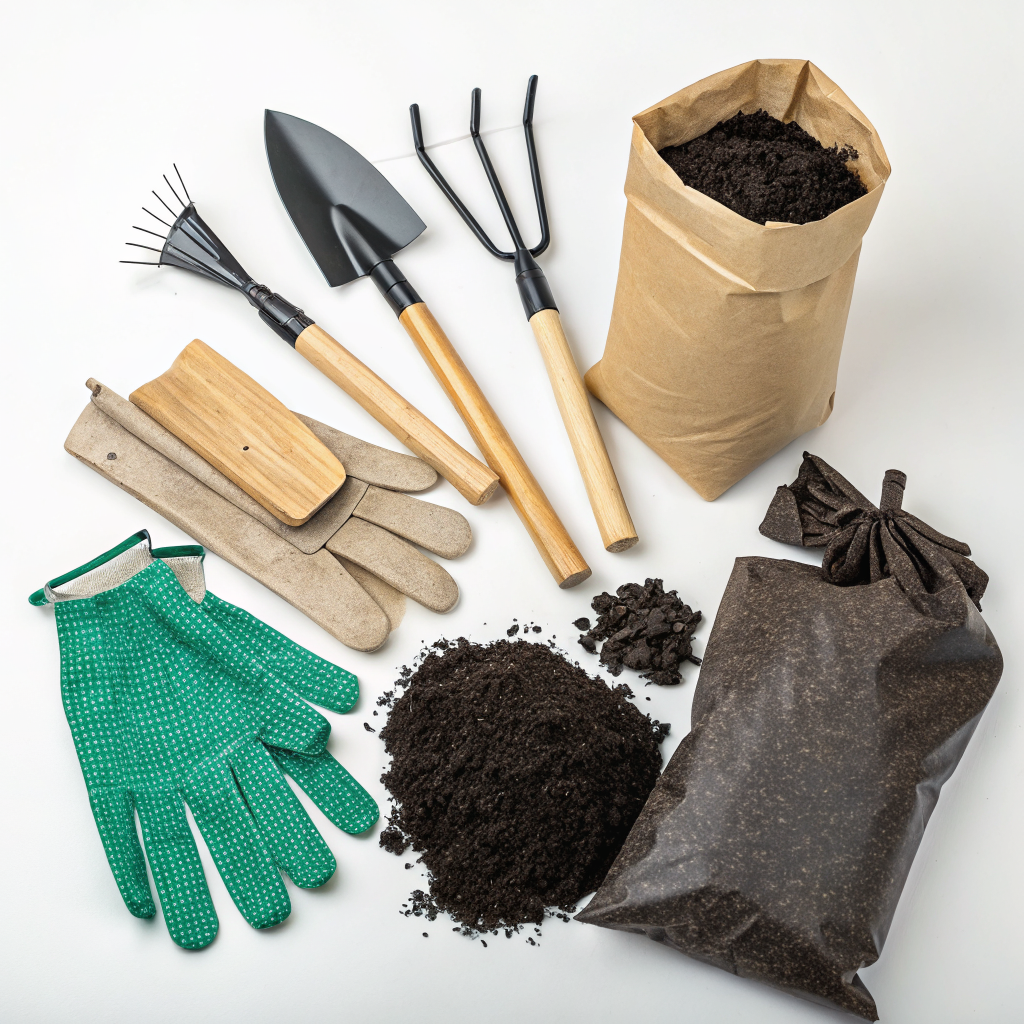
- High-Quality Compost: This is non-negotiable. Aim for mature, finished compost that is dark brown, crumbly, and smells earthy, not rancid. You can make your own compost (which we highly recommend!) or purchase it from a reputable garden center or local farm. Avoid compost made primarily from manure unless you know its source and it’s fully aged.
- Quality Biochar: Not all biochar is created equal. Look for horticultural-grade biochar, preferably made from sustainable feedstocks like wood waste or agricultural residues. It should be coarse, charcoal-like, and relatively dust-free. Avoid biochar made from unknown sources or treated with chemicals. The particle size is important; finer biochar integrates more easily.
- Water: Essential for activating your biochar and keeping your soil hydrated.
- Optional: Beneficial Microbial Inoculants: While compost is rich in microbes, adding specific inoculants can further boost your soil’s biological diversity. Mycorrhizal fungi, for example, form symbiotic relationships with plant roots, enhancing nutrient uptake.
Essential Tools:
- Wheelbarrow or Large Tarp: For mixing large quantities of biochar and compost.
- Shovel or Trowel: For digging, mixing, and incorporating amendments.
- Garden Fork: Excellent for aerating soil and distributing compost.
- Gardening Gloves: To protect your hands.
- Watering Can or Hose with a Gentle Sprayer: For moistening the mixture.
- Soil Testing Kit (Recommended): Understanding your starting soil composition and pH will help you tailor your amendment strategy.
Plants:
This biochar compost soil amendment benefits virtually all plants, from vegetables and herbs to flowers, shrubs, and trees. However, some plants respond particularly well to improved soil structure and nutrient availability. Think heavy feeders like tomatoes, corn, squash, and roses. Root vegetables will also appreciate the friable, easy-to-penetrate soil texture.
Step-by-Step Guide: Crafting Your Biochar Compost Soil Amendment
Creating this powerful amendment is a process of preparation, mixing, and integration. Follow these steps for optimal results.
Step 1: Source Your Materials
Obtain your compost and biochar. Ensure your compost is fully broken down. If using raw biochar, it’s crucial to “charge” it before adding it to your garden. Charging biochar refers to saturating its pores with nutrients and microbes, preventing it from ‘stealing’ nutrients from your soil as it equilibrates. This is where your compost comes in.
Step 2: Calculate Your Ratios
A good starting ratio for a biochar compost soil amendment is 1:5 to 1:10, meaning one part biochar to five to ten parts compost. For extremely depleted soils, you might go as high as 1:3 for initial application. You want enough biochar to make a significant impact without overwhelming the soil. For general soil improvement, 5-10% biochar by volume in the top working soil layer is a common recommendation. A helpful resource for calculating your needs can be found at Gardening Know How.
Step 3: Charge the Biochar with Compost and Moisture (The Most Crucial Step!)
This step is vital. Do NOT add uncharged biochar directly to your soil, especially if it’s fine. It can temporarily absorb nutrients from the soil, leading to plant stress. Instead, mix your biochar directly with moist compost.
Combine your biochar and compost in your wheelbarrow or on a tarp. Moisten the mixture thoroughly, ensuring it’s damp but not waterlogged. Think of the consistency of a wrung-out sponge. You can also add a liquid fertilizer or compost tea at this stage to accelerate charging. This process allows the vast surface area of the biochar to become inoculated with beneficial microorganisms and absorb nutrients from the compost.
Step 4: Incorporate into Garden Beds or Containers
Once your biochar-compost blend is charged, it’s ready for application.
For new garden beds: Spread a 2-4 inch layer of the mixture over the entire bed. Use a garden fork or shovel to thoroughly incorporate it into the top 6-12 inches of existing soil. Break up any large clumps and ensure even distribution.
For existing garden beds: Side-dress plants, applying a 1-2 inch layer around the base of plants and gently working it into the topsoil, being careful not to disturb shallow roots. For trees and shrubs, apply within their drip line.
For container gardening: Mix 10-20% of your charged biochar-compost blend into your potting mix. This will significantly improve drainage, water retention, and nutrient availability in your pots.
Step 5: Water Thoroughly After Application
After incorporating the biochar compost soil amendment, water the area thoroughly. This helps settle the soil, brings the amendments into good contact with existing soil particles, and encourages microbial activity.
Step 6: Plant Your Starts or Seeds
With your revitalized soil, your plants will have the best possible start. Proceed with your regular planting schedule, confident that your soil is now a powerhouse of fertility and structure.
Pro Tips and Common Mistakes to Avoid
Maximizing the benefits of your biochar compost soil amendment involves more than just following the steps; it requires understanding some nuances and avoiding common pitfalls.
Pro Tips:
- Test Your Soil First: Before you even think about amendments, perform a basic soil test. Knowing your existing pH, organic matter content, and nutrient levels will help you fine-tune your biochar compost ratio and identify any other necessary adjustments. Home test kits are available, or you can send a sample to your local extension office. (University of Minnesota Extension offers great guidelines).
- Layering for Long-Term Benefits: Instead of one massive application, consider annual or biannual smaller applications of your biochar compost mix. This builds soil health progressively and sustainably over time.
- Mix with Worm Castings: For an extra microbial punch, incorporate a small amount of worm castings into your charging mix. Worm castings are incredibly rich in beneficial microbes and plant-available nutrients.
- Consider Specific Plant Needs: While generally beneficial, some acid-loving plants might prefer biochar that has been “quenched” with a slightly acidic solution if your soil is already alkaline. Discuss any specific concerns with your local nursery RHD.
- Mycorrhizal Inoculation: Enhance the soil food web by adding mycorrhizal fungi inoculants when planting. These fungi expand the root system’s ability to access water and nutrients.
- Sustainable Sourcing: Always prioritize biochar from sustainable sources, ideally locally produced using agricultural or forestry waste. This reduces your carbon footprint and supports responsible resource management. For more on ethical sourcing, check out our guide on sustainable gardening practices.
Common Mistakes to Avoid:
- Applying Uncharged Biochar: This is the biggest error. As mentioned, raw biochar can temporarily absorb nutrients, drawing them away from plants, especially in fine-particulate forms. Always charge it with compost or another nutrient-rich solution before application.
- Over-Application: While biochar is beneficial, applying excessively high concentrations (e.g., more than 10-20% by volume in the topsoil) can sometimes lead to issues, particularly with pH changes in sensitive plants. Stick to recommended ratios, especially initially.
- Not Mixing Thoroughly: Simply sprinkling biochar and compost on the surface without incorporation limits their effectiveness. They need to be integrated into the root zone where they can interact with the soil, water, and roots.
- Ignoring Soil Conditions: If your soil has severe compaction or drainage issues, biochar compost alone might not be a silver bullet. Address underlying structural problems first, perhaps with double digging or raised beds.
- Using Low-Quality Materials: Cheap, unverified biochar can be inert or even contain undesirable contaminants. Similarly, immature or poor-quality compost can introduce pests, diseases, or weed seeds. Invest in good quality.
Eco-Friendly Variations for a Greener Garden
The biochar compost soil amendment inherently leans towards eco-friendliness, but there are ways to amplify its positive environmental impact further.
- DIY Biochar Production: While requiring specific equipment and safety precautions, making your own biochar from garden waste (e.g., pruning scraps) closes the loop on organic matter and reduces waste. This is an advanced technique, but it’s the ultimate in sustainable gardening.
- Composting Local Materials: Focus on making your own compost using kitchen scraps, yard waste, and locally sourced organic materials. This reduces transportation emissions and supports local resource management.
- Rainwater Harvesting for Charging: Use collected rainwater to moisten your biochar-compost mix. This conserves municipal water and introduces beneficial microbes present in natural rainwater. Learn more about water conservation for gardens here.
- No-Till or Minimum Tillage Application: For existing beds, adopt no-till or minimum tillage practices. Instead of deep digging, gently incorporate your biochar-compost blend into the top few inches of soil. This preserves existing soil structure, protects microbial networks, and reduces soil disturbance, making it a truly living soil.
- Companion Planting: Enhance the effects of your improved soil by incorporating beneficial companion planting strategies. Certain plant combinations can deter pests, attract pollinators, and even improve nutrient cycling, creating a more resilient ecosystem. Explore these combinations on the RHS website.
Seasonal Considerations: Timing is Everything
The timing of your biochar compost soil amendment application can influence its effectiveness, particularly in different climates and for various planting needs.
Spring Application:
Spring is often the ideal time to apply your biochar compost blend, especially before planting annual vegetables or establishing new beds.
Incorporating it a few weeks before planting gives the soil time to settle and for microbial activity to fully engage.
This provides an immediate nutrient boost from the compost and establishes the long-term benefits of biochar for the growing season.
Autumn Application:
Applying biochar compost in the autumn after harvest is also highly beneficial.
It allows the amendments to work their magic over the winter months, breaking down further and integrating into the soil structure.
For perennial beds, dormant shrubs, and trees, an autumn application can fortify them for the winter and prepare them for vigorous spring growth.
The freeze-thaw cycles of winter can help break down organic matter and physically integrate the biochar into the soil matrix.
Year-Round Maintenance:
While bulk applications are seasonal, you can certainly use smaller amounts of charged biochar compost throughout the year for specific needs:
Top-dressing: Apply a thin layer around existing plants, especially heavy feeders, mid-season.
Potting mixes: Incorporate into container mixes any time you’re starting seeds or potting up plants.
Transplanting: Add a handful into the planting hole when transplanting seedlings or new plants to give them an excellent start. A great technique for establishing healthy roots, check out our specialized tools for planting.
Expert Resources: Deepening Your Knowledge
To further empower your gardening journey, here are some invaluable resources where you can delve deeper into specific aspects of soil health, biochar, and composting:
- Gardening Know How – Biochar in the Garden: This article provides a fantastic overview of biochar’s benefits and practical application tips. (https://www.gardeningknowhow.com/soil-and-fertilizers/soil-amendments/using-biochar-in-garden.htm)
- RHS – Composting Guide: The Royal Horticultural Society offers comprehensive advice on all aspects of composting, from setting up your bin to troubleshooting common issues. An indispensable resource for any gardener looking to make their own compost. (https://www.rhs.org.uk/earth-garden/composting)
- University of Minnesota Extension – Soil Testing: Understanding your soil is the first step to improving it. This guide provides clear instructions on how to properly collect and prepare a soil sample for testing. (https://extension.umn.edu/soil-testing/how-take-soil-sample)
Conclusion: Cultivating a Legacy of Living Soil
Embracing biochar and compost as your go-to soil amendments is more than just a gardening technique; it’s a commitment to sustainable, regenerative practices. By creating a biochar compost soil amendment, you are not merely adding nutrients; you are building a resilient, living ecosystem beneath your plants. You are enhancing water retention, improving nutrient availability, fostering a bustling microbial community, and ultimately, ensuring the long-term health and productivity of your garden.
The beauty of this duo lies in its synergy. Compost provides the immediate organic matter and microbial diversity, while biochar acts as a permanent, stable infrastructure, amplifying and extending the benefits for years, even decades. This dynamic combination buffers your soil against environmental stresses, reduces your reliance on external inputs, and makes your garden inherently more productive and vibrant. Start small, observe the changes, and watch as your garden transforms into a thriving haven of life, proving that the most profound improvements often begin right beneath our feet.
Frequently Asked Questions About Biochar Compost Soil Amendment
<p><strong>Q1: Why is it crucial to "charge" biochar before adding it to the soil?</strong></p>
<p>A1: Charging biochar, typically by mixing it with moist compost or nutrient-rich liquid, is crucial because raw biochar's highly porous structure can initially absorb available nutrients and microbes from the soil. This temporary "nutrient sponge" effect can starve plants during the initial weeks. By charging it, you inoculate its pores with beneficial microorganisms and nutrients, turning it into a slow-release reservoir rather than a temporary drain.</p>

<p><strong>Q2: Can I just add biochar and compost separately to my garden?</strong></p>
<p>A2: While adding them separately will still provide benefits, combining them as a pre-mixed biochar compost soil amendment offers superior synergy. The compost helps "charge" the biochar, and the biochar's stable structure acts as a permanent home for the microbial life and nutrients that compost introduces. This creates a more robust and long-lasting soil improvement compared to individual applications.</p>

<p><strong>Q3: How often should I apply the biochar compost soil amendment?</strong></p>
<p>A3: The initial application can be a significant one, incorporating it thoroughly into new beds (e.g., 5-10% biochar by volume in the topsoil). For established gardens, annual or biannual applications of a 1-2 inch layer worked into the topsoil are generally sufficient for ongoing maintenance and improvement. Biochar itself is very stable and remains in the soil for centuries, so subsequent applications mainly replenish the compost component and maintain microbial activity.</p>

<p><strong>Q4: Will biochar change my soil's pH?</strong></p>
<p>A4: Biochar typically has an alkaline pH. Therefore, it can slightly raise the pH of acidic soils, bringing it closer to a neutral range that most plants prefer. In alkaline soils, excessive application or using highly alkaline biochar might raise the pH further. This is why a soil test is recommended before application. When mixed with compost, the buffering capacity of the organic matter can help moderate any drastic pH shifts.</p>