The Ultimate Guide to Deadheading Flowers: 10 Steps for Non-Stop Summer Blooms
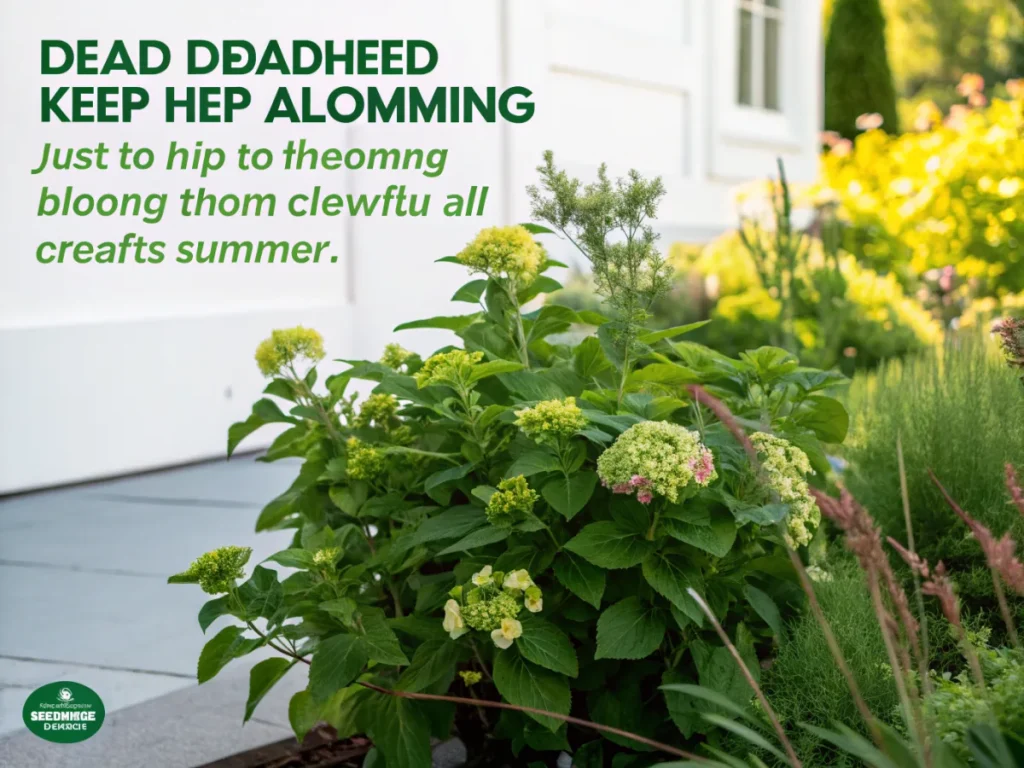
Do you dream of a garden overflowing with vibrant colors and lush foliage, blooming profusely from the first days of summer right through to the autumn frost? The secret to this endless floral display isn’t magic, nor is it an impossibly green thumb; it’s a simple, yet incredibly effective technique known as deadheading. Mastering how to deadhead flowers to keep them blooming all summer is one of the most rewarding skills any gardener can acquire, transforming a tired-looking plant into a prolific bloom factory. This comprehensive guide will walk you through everything you need to know, from the “why” to the “how,” ensuring your garden remains a breathtaking spectacle all season long.
[lwptoc]
Why This Matters for Your Garden: Unlocking Continuous Beauty
The primary goal of any plant is to reproduce, and it achieves this by producing seeds. Once a flower has bloomed and begins to fade, its energy shifts from producing new blossoms to developing those seeds. This process, known as ‘setting seed,’ signals to the plant that its reproductive cycle for that particular bloom is complete.
When you deadhead flowers blooming, you are essentially tricking the plant. By removing faded blooms before they can form seeds, you interrupt this natural cycle, prompting the plant to produce more flowers in an attempt to fulfill its reproductive duty. This keeps the plant in a continuous state of trying to bloom and set seed, resulting in a prolonged and often more abundant floral display.
Beyond extending the blooming season, deadheading offers several other significant benefits. It improves the plant’s overall appearance by removing unsightly, spent blossoms, making your garden look tidier and more vibrant. Furthermore, by diverting energy from seed production back into foliage growth and new flower development, deadheading can lead to stronger, healthier plants. It also prevents unwanted self-seeding, which can be beneficial or detrimental depending on your garden design and plant choices. Imagine a garden bursting with color, attracting pollinators, and simply looking its absolute best – all thanks to this simple, regular practice.
What You Need: Tools for a Blooming Success Story
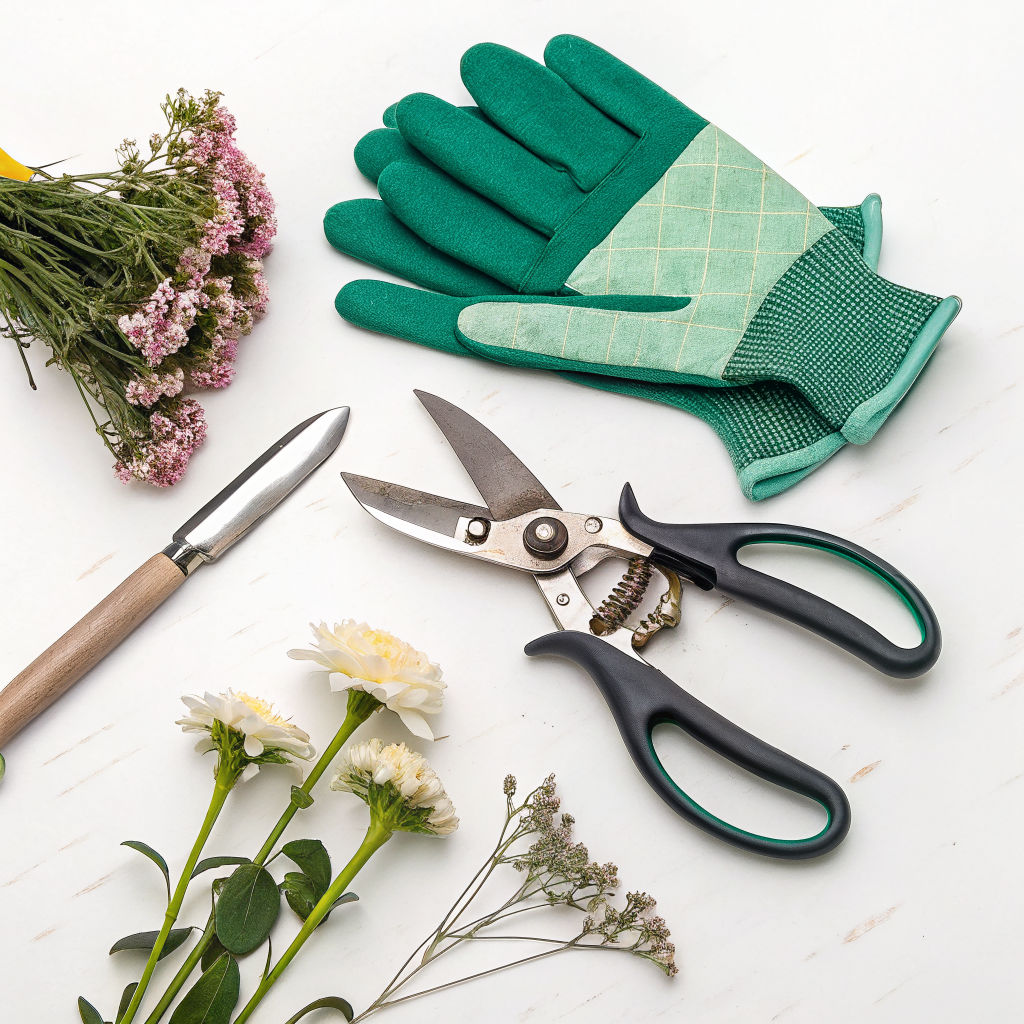
Fortunately, deadheading doesn’t require an arsenal of expensive or specialized equipment. Most of what you need you probably already have, or can easily acquire, making it an accessible task for every gardener. Having the right tools, however, makes the process more efficient and ensures clean cuts that benefit your plants.
- Sharp Pruners or Snips: These are your primary instruments. Look for bypass pruners for cleaner cuts that heal quickly, minimizing stress on the plant. Small, sharp snips are excellent for delicate flowers or getting into tight spaces.
- Gloves: While not strictly necessary for all plants, gloves protect your hands from thorns, sap, or skin irritants. They also keep your hands clean.
- A Bucket or Bag: For collecting the deadheaded material. This keeps your garden tidy and makes disposal easier, especially for plants that might carry diseases.
- Rubbing Alcohol or Disinfectant Wipes: Essential for sterilizing your tools, particularly if you are deadheading multiple plant types or dealing with plants that have shown signs of disease. This prevents the spread of pathogens.
Regarding plants that benefit most from deadheading, a vast number of annuals and perennials will reward your efforts. Some of the most popular and responsive include:
- Annuals: Petunias, Marigolds, Zinnias, Cosmos, Snapdragons, Salvia, Geraniums, and Dahlias. These plants are often bred for continuous blooming and respond wonderfully to consistent deadheading.
- Perennials: Delphiniums, Lupines, Coreopsis, Shasta Daisies, Bee Balm (Monarda), Tall Phlox, and some varieties of Roses. While not all perennials require deadheading for rebloom, many will produce a second or even third flush of flowers if encouraged.
Understanding which plants respond best will help you prioritize your deadheading efforts, directing your energy to where it will have the most impact on your summer display. For more detailed information on specific plant care, consider exploring resources on eco-friendly gardening practices.
Step-by-Step Guide: How to Deadhead Flowers for Non-Stop Blooms
Mastering the technique of deadheading is straightforward once you understand where to make the cut. The goal is always to remove the spent flower head while encouraging new growth and continuous blooming. Follow these steps for successful deadheading:
Step 1: Identify Faded Flowers
Walk through your garden regularly, ideally every few days. Look for flowers that are past their prime – their petals may be wilting, discolored, browning, or falling off. The beauty of a fresh bloom is unmistakable; similarly, the sign of a fading flower becomes obvious with practice. Early identification is key to prompting a quicker rebloom.
Step 2: Choose Your Method: Pinching vs. Cutting
The method you choose depends on the plant and the stem’s thickness. For delicate plants with soft stems like petunias or impatiens, you can often simply pinch off the spent flower head with your thumb and forefinger. For plants with tougher, thicker stems or where clean cuts are paramount, use sharp pruners or snips. Ensure your tools are clean and sharp to prevent damage and disease.
Step 3: Locate the Right Spot for the Cut
This is the most crucial step. Do not just snip off the flower head immediately below the bloom. Instead, follow the flower stem down to one of two places:
- A Bud or a Leaf Node: Look for a newly developing bud, a side branch, or a set of healthy leaves below the faded flower. Make your cut just above this point. This encourages the plant to put energy into developing the new growth at that node, which will often become a new flower stem.
- The Base of the Stem: If there are no obvious buds or leaves further down the stem, or if the entire flower stalk is spent (as with some delphiniums or lupines), cut the stem all the way back to the main plant or its base. This directs energy into producing entirely new flower stalks from the plant’s base.
Always make a clean, angled cut. An angled cut prevents water from pooling on the fresh wound, which can lead to rot.
Step 4: Remove and Dispose
Once you’ve made your cut, gather the removed flower heads. It’s best to dispose of them in a compost pile (if disease-free) or in your garden waste bin. Leaving them on the ground can harbor pests or diseases, or simply look untidy. Regularly clearing these spent blooms is part of maintaining a healthy and vibrant garden. You can also learn more about sustainable gardening practices for waste management.
Step 5: Repeat Regularly
Consistency is key to encouraging continuous blooms. Make deadheading a regular part of your garden routine, checking your plants every few days or at least once a week. Some plants, like petunias, benefit from almost daily attention, while others, such as coneflowers, might only need weekly maintenance. The more diligently you deadhead, the more your plants will produce, ensuring your garden maintains its lively display all summer long. This consistent care also helps you notice early signs of pests or diseases. For more strategies on keeping your garden healthy, consider resources on natural pest control.
Pro Tips and Common Mistakes: Elevating Your Deadheading Game
While deadheading is straightforward, a few advanced techniques and awareness of common pitfalls can significantly enhance your results and maintain plant health. These insights will help you refine your approach and ensure your efforts truly pay off.
Pro Tips for Maximizing Blooms:
- Be Proactive, Not Reactive: Don’t wait until all the flowers on a stem are completely gone. As soon as individual blooms start fading or withering, remove them. This keeps the plant focused on new flower development and improves overall appearance.
- Consider the Plant’s Form: For plants that produce flower spikes (e.g., delphiniums, lupines), once the primary spike has finished blooming, cut it back significantly to encourage secondary, smaller flower spikes from lower down the stem.
- “Shearing” for Mass Bloomers: Some annuals and perennials with numerous small flowers (e.g., alyssum, low-growing petunias, some calibrachoa) can be difficult to deadhead individually. For these, a “shearing” technique works wonders. Simply take a pair of hedge shears or sharp scissors and cut back the top few inches of growth, effectively removing all spent flowers at once. This rejuvenates the plant and encourages a new flush of blooms.
- Fertilize After Major Deadheading: If you’ve just done a significant deadheading session or sheared a plant, consider giving it a light feed with a balanced liquid fertilizer. This replenishes nutrients and provides the energy needed for new growth and flower production.
- Water Consistently: Increased blooming requires more energy and hydration. Ensure your deadheaded plants receive consistent water, especially during dry spells, to support their continuous growth cycle.
Common Mistakes to Avoid:
- Cutting Too Little: Simply pinching off the dried petals leaves the seed head developing, which defeats the purpose. Always aim to remove the entire spent flower structure.
- Cutting Too Much: While you want to encourage new growth, cutting too far back into fresh, healthy foliage can stress the plant. Always look for a leaf node or new bud below the spent flower to make your cut.
- Ignoring Plant-Specific Needs: Not all plants are created equal. Some, like impatiens or vinca, are “self-cleaning” and drop their faded blooms naturally, requiring little to no deadheading. Others, like poppies or bachelor’s buttons, are often grown for their attractive seed pods, and deadheading might not be desired. Always research the specific needs of your plants.
- Using Dull or Dirty Tools: Dull tools tear plant tissue, creating ragged wounds that are slower to heal and more susceptible to disease. Dirty tools can spread diseases from one plant to another. Always keep your pruners sharp and sterilize them between plants, especially if you suspect disease.
- Neglecting Seed Saving Goals: If you want to save seeds from specific plants for next season, you must allow some flowers to go to seed. Plan ahead and leave a few prime blooms untouched on those particular plants.
Eco-Friendly Variations: Nurturing Your Garden and Nature
Incorporating eco-friendly practices into your deadheading routine not only benefits your garden but also supports local ecosystems. By making conscious choices, you can contribute to a healthier environment while enjoying continuous blooms.
Consideration for Pollinators:
While deadheading encourages more flowers, some spent blossoms and developing seed pods provide vital food and habitat for pollinators and birds. Consider leaving a portion of spent flowers on plants known to produce attractive seeds for birds (e.g., coneflowers, sunflowers) or for beneficial insects.
- Selective Deadheading: Instead of rigorous deadheading of every single spent bloom, try selective deadheading. This involves removing the majority of faded flowers to encourage rebloom but leaving a percentage of them to develop seeds. This provides a balance between aesthetic appeal and ecological benefit.
- Composting Deadheaded Material: All those spent flower heads can be returned to the earth. Instead of sending them to landfill, add them to your compost pile. This enriches your garden soil naturally and reduces waste, creating a closed-loop system for your garden nutrients. Ensure you only compost healthy material; discard diseased plant parts to prevent spreading pathogens.
- Attracting Beneficial Insects: Some plants, when allowed to set a few seeds, can attract beneficial insects that feed on pests. For example, leaving some open umbels of dill or cilantro can attract predatory wasps. A diverse garden with a mix of deadheaded and naturally seeding plants creates a richer habitat.
- Avoiding Chemicals: When giving your plants an energy boost after deadheading, opt for organic fertilizers or compost tea instead of synthetic chemical fertilizers. Organic options feed the soil, not just the plant, improving overall soil health and microbial activity, which is crucial for a thriving ecosystem.
By blending the practical benefits of deadheading with eco-conscious decisions, you cultivate a garden that is not only beautiful but also a vibrant, thriving part of the natural world.
Seasonal Considerations: Timing and Nuances Across the Year
While “all summer” is our goal, the nuance of deadheading shifts slightly as the seasons progress. Understanding these seasonal considerations will help you adapt your approach for optimal results from spring through autumn.
- Spring Deadheading: For early-blooming perennials like Hellebores or Daffodils, deadheading involves removing the spent flower stalks but allowing the foliage to remain. This allows the plant to photosynthesize and store energy for next year’s blooms. Do not remove the leaves until they naturally yellow and die back.
- Peak Summer Deadheading: This is when your efforts are most crucial for how to deadhead flowers to keep them blooming all summer. Annuals and continuous-blooming perennials will demand regular attention, often daily or weekly. The goal is to keep them producing new flowers throughout the hottest months. Consistent moisture and occasional feeding after intense deadheading will support this vigorous growth.
- Late Summer/Early Autumn Deadheading: As days shorten and temperatures cool, you might start to ease up on deadheading, particularly for plants whose seed heads offer late-season interest or provide food for birds. Coneflowers, for instance, have beautiful architectural seed heads that attract finches. Allowing some plants to set seed also signals to them to begin preparing for dormancy, particularly for perennials.
- Preparing for Winter: For many perennials, deadheading in late autumn depends on your climate and aesthetic preference. Some gardeners prefer to leave spent stalks for winter interest and to provide shelter for beneficial insects, cutting them back in early spring instead. Others prefer a tidy garden and cut everything back to the ground before winter. For annuals, once frost hits, their life cycle is complete, and deadheading is no longer necessary.
Adapting your deadheading schedule to the specific needs of your plants and the progression of the seasons ensures that your garden remains healthy, productive, and aesthetically pleasing throughout the year, maximizing your chances of having vibrant flowers and attracting helpful pollinators.
Expert Resources: Deep Diving into Floral Care
To further enhance your gardening knowledge and refine your deadheading techniques, consulting expert resources is invaluable. These organizations offer science-backed advice, regional guidance, and extensive plant databases.
- Gardening Know How: This comprehensive website offers a vast array of articles, tips, and guides on every aspect of gardening, including detailed instructions on deadheading specific plant types. Their articles are usually accessible and practical for gardeners of all levels.
- Royal Horticultural Society (RHS): As one of the world’s leading horticultural organizations, the RHS provides authoritative gardening advice, research, and excellent plant databases. Their website is a treasure trove of information on plant care, including UK-specific advice which can often be adapted globally.
- University of Minnesota Extension: University extension offices across the U.S. provide research-based information tailored to local growing conditions. The University of Minnesota Extension, like many others, offers excellent guides on gardening techniques, plant selection, and pest management, often with free online resources accessible to everyone.
Leveraging these resources will undoubtedly deepen your understanding of plant physiology and help you make informed decisions in your garden beyond just deadheading, ensuring overall plant health and continuous blooming success.
Conclusion: A Simple Act for Extraordinary Beauty
Deadheading, at its core, is a simple act of removing spent flowers, yet its impact on the vitality and visual appeal of your garden is profound. It’s a testament to the idea that sometimes, the smallest interventions yield the most spectacular results. By understanding the “why” behind the process – redirecting a plant’s energy from seed production to continuous flowering – you transform a chore into a thoughtful interaction with your garden’s natural cycles.
Regular deadheading ensures a continuous flush of blooms, making your garden a lively, colorful haven from early summer until the first frosts. It also contributes to the overall health and vigor of your plants, making them more resilient and attractive. By adopting this practice, along with other eco-friendly considerations, you’re not just maintaining a garden; you’re nurturing a thriving ecosystem. So, grab your snips, step into your garden, and embrace the simple, yet powerful, art of deadheading. Your summer blooms, and the pollinators they attract, will thank you for it.
FAQ: Your Deadheading Questions Answered
Q1: What is the main purpose of deadheading flowers?
A1: The main purpose of deadheading is to remove faded or spent flowers before they can produce seeds. This tricks the plant into thinking it hasn’t completed its reproductive cycle, prompting it to produce more flowers in an effort to set seed, resulting in a prolonged and often more abundant blooming season.
Q2: Which types of flowers benefit the most from deadheading?
A2: Annuals and many perennials that are known for continuous blooming benefit most. Examples include Petunias, Marigolds, Zinnias, Cosmos, Snapdragons, Delphiniums, Lupines, Coreopsis, and some varieties of Roses. Self-cleaning plants, which naturally drop their faded blooms, may require little to no deadheading.
Q3: How often should I deadhead my flowers?
A3: Consistency is key. For many prolific bloomers, checking your plants every few days or at least once a week is ideal. Some plants, like petunias, might benefit from almost daily attention during their peak bloom season. The more frequently you deadhead, the more continuous your floral display will be.
Q4: Can deadheading harm my plants?
A4: No, when done correctly, deadheading does not harm plants. In fact, it generally benefits them by redirecting energy into flower production and overall plant vigor. However, using dull or dirty tools can create ragged wounds or spread disease, so always ensure your tools are sharp and clean. Also, avoid cutting into healthy foliage excessively.