The Ultimate 7-Step Guide to Creating a Productive Balcony Permaculture System
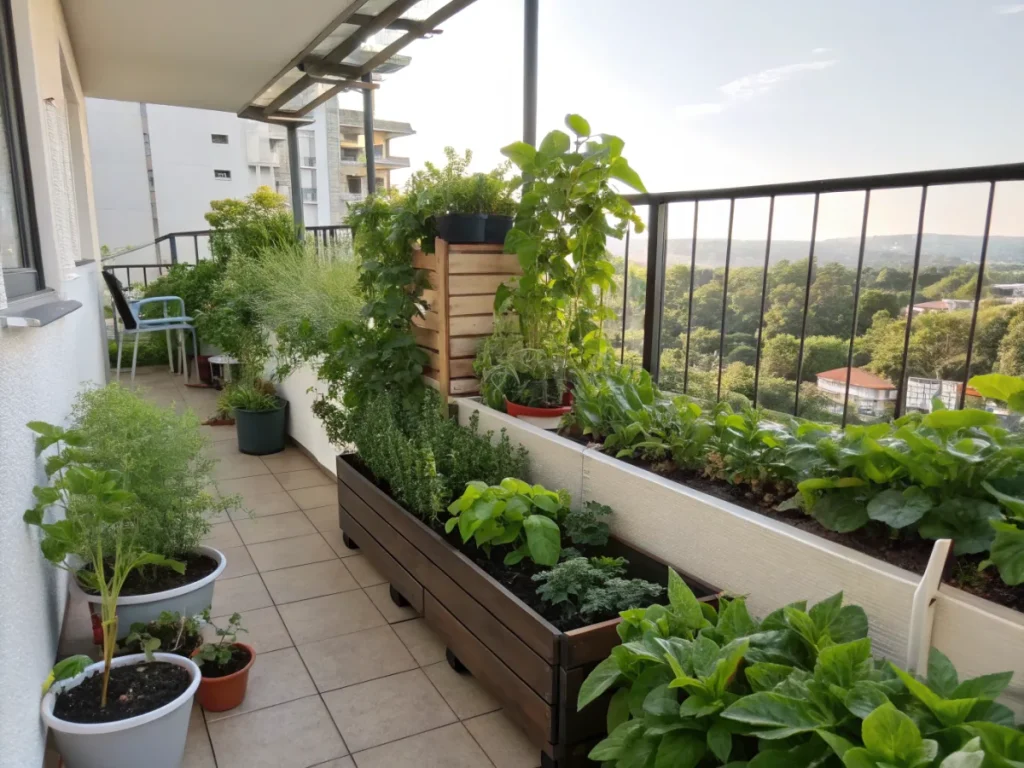
Living in an urban environment doesn’t mean sacrificing the joy and bounty of growing your own food. With a little creativity and the principles of permaculture, even the smallest balcony can be transformed into a thriving, productive ecosystem. Learn how to design an efficient food-growing system in just a few square meters, bringing fresh produce right to your doorstep. This comprehensive guide will walk you through everything you need to know to establish a successful and sustainable balcony permaculture system.
[lwptoc]
Why This Matters for Your Urban Oasis
Creating a productive balcony permaculture system offers a multitude of benefits beyond just fresh food. It’s a powerful way to reconnect with nature, reduce your ecological footprint, and enhance your well-being. Imagine stepping outside to pluck your own herbs, leafy greens, or even small fruits, knowing exactly where your food comes from.
Permaculture, a design science rooted in observing natural ecosystems, emphasizes sustainability, efficiency, and perennial systems. Applying these principles to your balcony means creating a resilient garden that minimizes waste, conserves water, and thrives with fewer interventions. This approach transforms a simple balcony garden into a miniature, self-sustaining food forest, working with nature not against it.
Furthermore, a thriving balcony garden contributes to local biodiversity, providing habitat and food for beneficial insects like bees and butterflies. It can also help regulate temperatures, provide shade, and improve air quality in your immediate urban environment. Beyond the practical aspects, the act of gardening itself is incredibly therapeutic, offering a calming escape from city life.
What You Need: Tools, Materials, and Plants for Your Balcony Permaculture System
Before you begin, gather the necessary resources. A well-prepared gardener is a successful gardener, even on a small scale. Start with the basics and expand as your system grows.
Essential Tools:
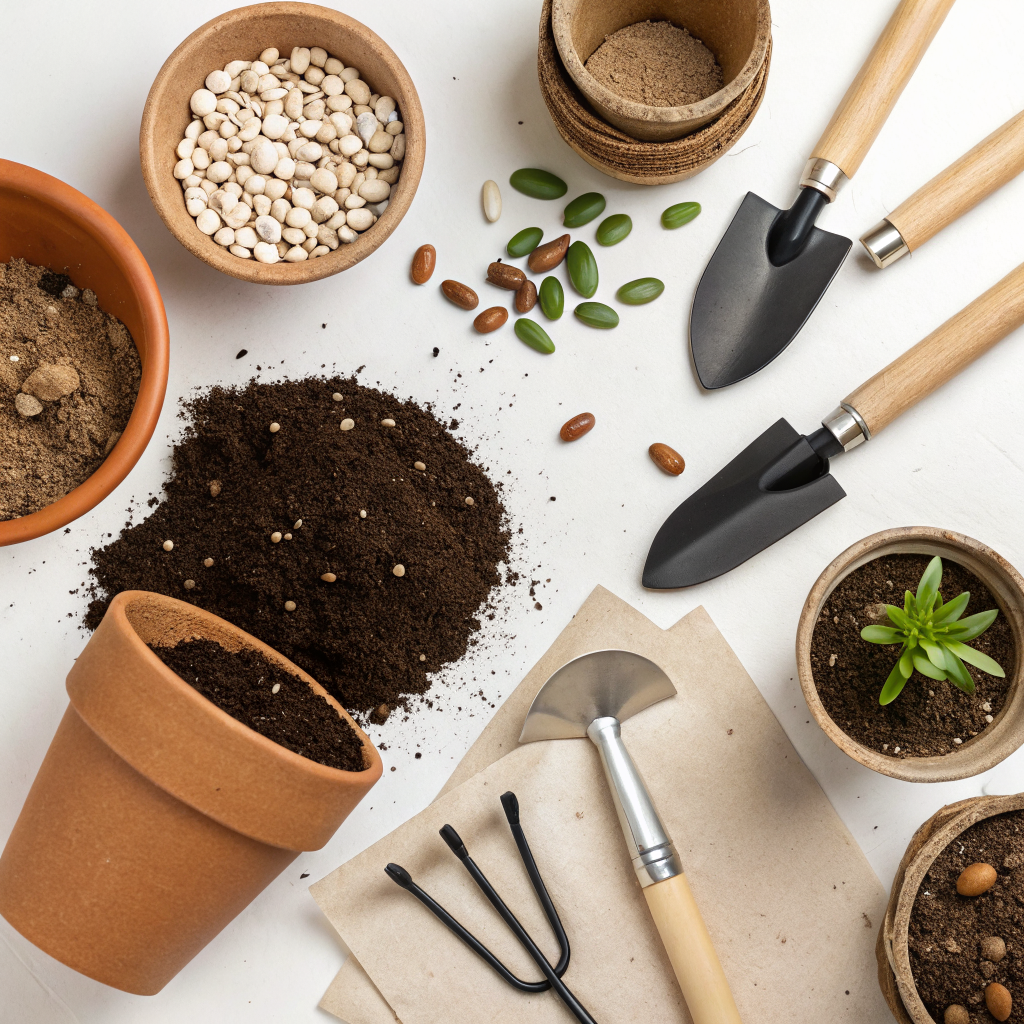
- Hand Trowel and Cultivator: For planting, weeding, and aerating soil in containers.
- Pruners/Shears: For harvesting, trimming, and light pruning.
- Watering Can (or drip irrigation system): Efficiently deliver water to plants without waste. Consider one with a fine rose for seedlings.
- Spatula or Small Shovel: Useful for precise soil movements and mixing.
- Gardening Gloves: Protect your hands from dirt and thorns.
Key Materials:
- Containers: Choose a variety of sizes and shapes to accommodate different plants. Terracotta, fabric grow bags, recycled plastic, or even repurposed items like old tires or wooden pallets can work. Ensure they have adequate drainage holes.
- High-Quality Potting Mix: This is crucial. Look for organic, well-draining soil specifically formulated for containers. You can enrich it later with compost.
- Compost: Essential for nourishing your plants and improving soil structure. If you don’t have space for a worm farm, consider buying vermicompost or a good quality organic compost.
- Mulch: Straw, wood chips, shredded leaves, or even pebbles can retain moisture, suppress weeds, and regulate soil temperature.
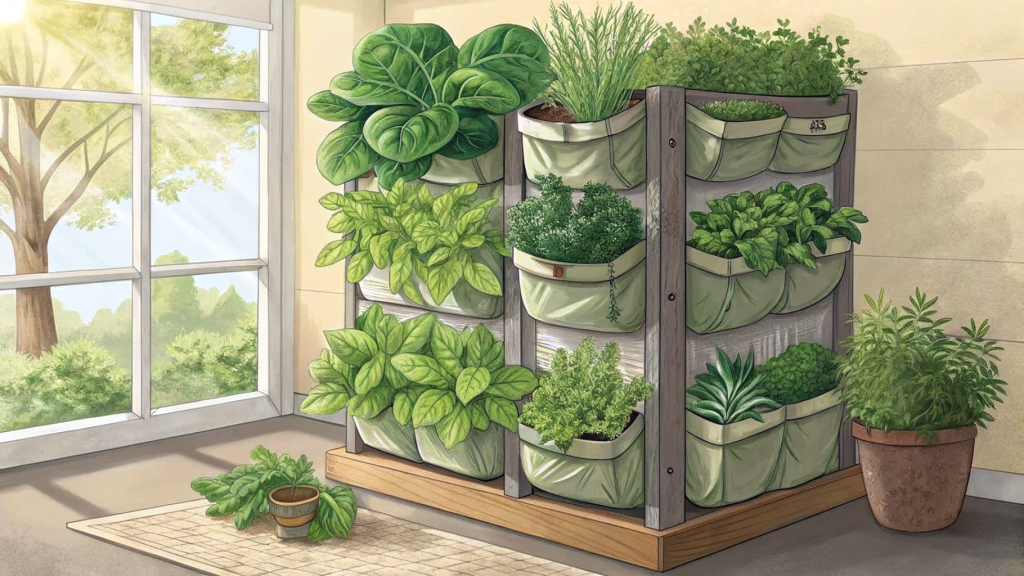
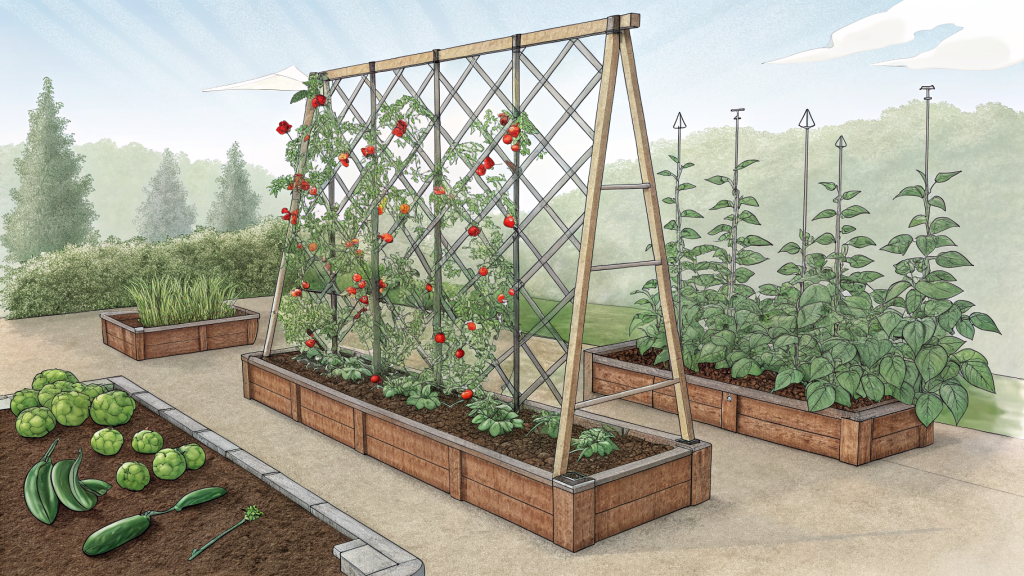
- Support Structures: Trellises, stakes, and cages for climbing plants like cucumbers, tomatoes, or beans. Vertical space maximization is key for a productive balcony permaculture system.
- Shade Cloth: If your balcony gets intense afternoon sun, shade cloth can protect delicate plants.
- Water Collection System (optional): A small rain barrel or strategically placed containers can catch rainwater for your plants, reducing tap water usage.
- Vermicomposting Bin (optional): A small worm farm can turn your kitchen scraps into nutrient-rich vermicompost and worm tea right on your balcony. This is a fantastic permaculture addition, as detailed on nouvelles-technologie.com about worm farms.
Recommended Plants for a Productive Balcony Permaculture System:
Focus on compact varieties, prolific producers, and plants that offer multiple benefits. Think about stacking functions – a plant that provides food, attracts pollinators, and repels pests.
- Herbs: Basil, mint, rosemary, thyme, oregano, chives, parsley, cilantro. Many are perennial and can be harvested repeatedly.
- Leafy Greens: Lettuce (loose-leaf varieties), spinach, kale (dwarf varieties), Swiss chard, arugula. These grow quickly and can be succession planted.
- Fruiting Vegetables: Cherry tomatoes (bush varieties), dwarf peppers, bush beans, small cucumbers (trailing or bush types), strawberries.
- Root Vegetables (in deep containers): Radishes, carrots (short varieties), spring onions, garlic.
- Edible Flowers: Nasturtiums, marigolds (attract pollinators, deter pests, and petals are edible), pansies.
- Beneficial Insect Attractors: Marigolds, calendula, borage, lavender. These are vital for a healthy ecosystem. Look for companion planting guides to maximize success, like those found on Gardening Know How.
Step-by-Step Guide to Building Your Balcony Permaculture Oasis
Step 1: Assess Your Balcony’s Microclimate and Design Your Layout
Before buying a single plant, understand your balcony’s unique conditions. Observe sunlight patterns throughout the day and year – how many hours of direct sun does it receive? Note shaded areas, prevailing winds, and any rain shelter. This will dictate plant choices and container placement.
Sketch out your balcony layout. Consider vertical space using shelves, hanging planters, or trellises. Think about “zones” – frequently accessed plants (herbs) near the door, less-frequently managed plants further away. Plan for water flow and ease of access for harvesting and maintenance. Remember the permaculture principle of “stacking functions” – can one element serve multiple purposes? For example, a larger plant providing shade for a smaller, sun-sensitive one.
Step 2: Choose and Prepare Your Containers and Soil
Select containers with ample drainage holes to prevent root rot. For larger plants, choose bigger pots. Fabric grow bags are excellent for breathability and portability, while terracotta pots offer aesthetic appeal and good aeration.
Fill containers with a high-quality organic potting mix. This is not garden soil, which can compact too much in pots. Amend your potting mix with a significant amount of compost (20-30%) to boost nutrients and microbial life. Consider adding vermiculite or perlite for improved drainage and aeration, especially for a DIY self-watering planter system.
Step 3: Select and Plant Your Permaculture Pals (Plants!)
Choose plants that suit your microclimate and provide a continuous harvest. Opt for a mix of annuals and perennials. Perennials like rosemary, thyme, and strawberries will return each year, reducing replanting effort. Mix various plant types for biodiversity.
Practice companion planting: grouping complementary plants together to deter pests, attract beneficials, and improve growth. For instance, basil benefits tomatoes, and marigolds can deter nematodes. When planting, leave adequate space for growth as per recommended plant spacing for container gardening, available from resources like the RHS (Royal Horticultural Society).
Step 4: Implement Water Conservation and Irrigation Strategies
Water is a precious resource, especially in urban settings. Mulch your containers with straw, wood chips, or pebbles to reduce evaporation and regulate soil temperature. Install a small drip irrigation system or use self-watering planters to deliver water directly to the roots, minimizing waste. Check soil moisture daily by sticking a finger two inches deep; water when dry to the touch.
Consider a simple rainwater harvesting system if permitted on your balcony. Even a small bucket can collect enough water for several plants. Group plants with similar water needs together to optimize irrigation efficiency. For instance, place drought-tolerant herbs together and water-loving greens together.
Step 5: Nurture Soil Health and Nutrient Cycling
In a permaculture system, the soil is alive. Continuously feed your soil with organic matter. Top-dress containers with compost regularly, especially after harvesting. If you have a worm farm, add vermicompost and worm tea. This cyclical process ensures nutrients are returned to the soil, maintaining its fertility without chemical fertilizers.
Avoid excessive digging or disturbing the soil, which can harm beneficial microorganisms. Minimal disturbance encourages a healthy soil food web. Consider incorporating a small compost bin or vermicomposting system directly on your balcony for kitchen scraps, turning waste into valuable plant food, a detailed guide on which can be found at nouvelles-technologie.com/how-long-does-it-take-to-make-compost/.
Step 6: Integrate Pest Management and Beneficial Organisms
A healthy permaculture system relies on natural pest control, not chemicals. Attract beneficial insects like ladybugs, lacewings, and hoverflies by planting diverse flowering plants (e.g., marigolds, calendula, dill). These insects prey on common garden pests.
Regularly inspect your plants for signs of pests. Hand-picking larger pests is effective for small scale gardens. Use organic pest control methods like neem oil spray or insecticidal soap for outbreaks. Remember, a thriving ecosystem has a balance, where predators keep pest populations in check naturally.
Step 7: Harvest Regularly and Continue Observation
Regular harvesting encourages plants like leafy greens and herbs to produce more. “Cut-and-come-again” varieties are excellent for continuous yields. Monitor your plants closely, observing their growth, health, and any changes in the microclimate.
Permaculture is about continuous learning and adaptation. Take notes on what works well and what doesn’t. Adjust your plant choices, irrigation, or shade provision as needed. With diligent observation and care, your balcony permaculture system will become increasingly productive and resilient over time.
Pro Tips and Common Mistakes to Avoid
Pro Tips:
- Go Vertical: Maximize space with hanging baskets, vertical planters, and trellises. This is a game-changer for small balconies.
- Succession Planting: For annuals like lettuce or radishes, plant small batches every 2-3 weeks to ensure a continuous harvest throughout the growing season.
- Consider Edible Perennials: Beyond herbs, think about dwarf fruit trees (e.g., dwarf citrus in large pots), berry bushes, or perennial greens like sorrel. These offer long-term yields.
- Group Similar Needs: Place plants with similar light and water requirements together to simplify care and optimize resource use.
- Utilize Greywater (Carefully!): If feasible and safe (e.g., from a sink, not with harsh chemicals), repurpose water for non-edible plants after checking local regulations.
- “Chop and Drop”: If you trim excess plant material and it’s disease-free, chop it up and leave it on the soil surface as a natural mulch and slow-release nutrient source.
- Join a Local Gardening Group: Share knowledge, get advice, and even swap seeds or cuttings with fellow urban gardeners.
Common Mistakes to Avoid:
- Poor Drainage: The number one killer of container plants. Always ensure your pots have adequate drainage holes.
- Overwatering or Underwatering: Consistency is key. Learn to recognize when your plants are thirsty and when they’ve had enough. Don’t water on a fixed schedule; water when the soil dictates it.
- Using Garden Soil: Garden soil compacts in containers, suffocating roots and hindering drainage. Invest in good quality potting mix.
- Ignoring Microclimates: Not all parts of your balcony receive the same sun or wind. Placing a sun-loving plant in deep shade, or vice-versa, will lead to failure.
- Neglecting Soil Health: Treating potting mix as an inert medium that just holds plants is a mistake. It’s a living ecosystem that needs feeding and care.
- Overcrowding: While it’s tempting to pack in as many plants as possible, overcrowding leads to poor air circulation, increased disease, and stunted growth.
- Lack of Support for Climbing Plants: Many productive plants like tomatoes and cucumbers need support from day one. Don’t wait until they’re flopping over.
Eco-Friendly Variations and Enhancements
To deepen your permaculture impact, consider these additional eco-conscious practices.
- Upcycling Containers: Transform old buckets, tires, or even sturdy grocery bags into planters. Just ensure they are food-safe if growing edibles and have drainage.
- DIY Fertilizers: Brew your own “compost tea” or “worm tea” using your finished compost or vermicompost. This liquid gold provides a gentle nutrient boost.
- Seed Saving: Learn to save seeds from your open-pollinated (non-hybrid) plants. This reduces costs, promotes hardy local varieties, and truly closes the loop.
- Integrated Animal Systems (Small Scale): While full-scale animals are often impractical, a small worm farm on your balcony is an excellent integrated system. Some people even keep tiny insectariums for beneficial predator insects.
- Passive Solar Gain: Position darker-colored containers on sunny walls in cooler months to absorb heat and keep roots warmer. In summer, white or light-colored containers reflect heat.
Seasonal Considerations for Year-Round Productivity
A productive balcony permaculture system is dynamic and changes with the seasons. Adapting your practices ensures continuous yields.
- Spring: The season of new beginnings. Start seeds indoors or sow directly heat-loving plants after the last frost. Plant cool-season crops (lettuce, spinach, radishes) early. Focus on soil preparation and replenishing nutrients.
- Summer: Peak growing season. Maximize watering efficiency, especially during hot spells. Provide afternoon shade for sensitive plants if needed. Harvest regularly to encourage continuous production. Monitor for pests and diseases, and introduce beneficials.
- Autumn: Transition time. Harvest remaining summer crops. Plant cool-season leafy greens, root vegetables, and overwintering herbs. Prepare containers for dormancy or protect frost-tender plants. Chop and drop spent annuals to feed the soil.
- Winter: A time for rest and planning. In colder climates, bring frost-tender plants indoors or give them protection. Continue growing hardy greens like kale or perpetual spinach in sheltered spots. Plan your garden for the spring, reflecting on what worked well. Maintain your worm farm if you have one, as they can operate year-round indoors.
Expert Resources for Deeper Learning
To further enhance your knowledge and skills in urban permaculture, consult these reputable sources:
- For comprehensive advice on a wide range of gardening topics, including companion planting and pest control methods, Gardening Know How is an excellent resource. Their articles often break down complex topics into understandable guides.
- The Royal Horticultural Society (RHS) offers authoritative guidance on growing fruits, vegetables, and herbs, with specific tips for container gardening and small spaces. Their advice is research-backed and highly reliable.
- For practical, science-based information relevant to growing food in various climates, university extension services like the University of Minnesota Extension provide invaluable resources, often freely accessible online. They cover topics from soil health to specific crop cultivation.
Conclusion: Your Balcony, A Productive Permaculture Hub
Transforming your balcony into a productive permaculture system is an enriching and incredibly rewarding journey. It’s about more than just growing food; it’s about fostering a sustainable lifestyle, enhancing biodiversity, and creating a personal sanctuary in the heart of the city.
By applying permaculture principles – observing, designing, minimizing waste, and working with nature – you can create a resilient, efficient, and beautiful food-producing space. Start small, observe, and learn from your garden. Each season brings new opportunities for growth and discovery. Enjoy the fresh flavors, the calming act of gardening, and the deep satisfaction of cultivating your own urban oasis!
FAQ: Productive Balcony Permaculture System
Q1: How much sunlight do I need for a productive balcony permaculture system?
A1: Ideally, you want at least 6 hours of direct sunlight per day for most fruiting vegetables and herbs. However, even balconies with less sun (3-4 hours) can be productive by focusing on leafy greens, some herbs (like mint or cilantro), and root vegetables that tolerate partial shade. Full shade balconies are challenging but can still grow some low-light tolerant ornamentals or specific herbs. Assessment of your balcony’s microclimate (Step 1) is crucial.
Q2: Can I grow a full meal on a small balcony?
A2: While growing every component of a meal might be challenging on a very small balcony, you can certainly grow a significant portion of your fresh produce. Focus on high-yield, compact plants like leafy greens, cherry tomatoes, herbs, and strawberries. A well-designed system can provide fresh salads, herbs for cooking, and snacks daily, significantly supplementing your diet and reducing grocery store trips.
Q3: Is a balcony permaculture system difficult to maintain?
A3: Permaculture aims for self-sustainability, which ideally means less maintenance over time once established. Initially, it requires careful planning, setup, and regular observation. However, principles like mulching, companion planting, and enhancing soil life reduce the need for constant watering, weeding, and chemical intervention. Regular harvesting and observation become your primary tasks, making it enjoyable rather than arduous.
Q4: How do I deal with pests organically on a balcony?
A4: Organic pest management is integral to a permaculture system. First, promote biodiversity by planting pest-repelling and beneficial-attracting plants (e.g., marigolds, dill). Regularly inspect your plants for early signs of pests and hand-pick them if possible. For larger infestations, use organic solutions like neem oil, insecticidal soap, or apply a strong stream of water to dislodge them. A healthy, diverse ecosystem is your best defense against pests.