The Ultimate Guide: How to Design a Four-Season Garden
Creating a captivating garden that offers beauty and interest throughout the entire year might seem like a daunting task, but with thoughtful planning and strategic plant choices, it’s an entirely achievable dream. A four-season garden transcends the fleeting vibrancy of summer blooms, providing structure, color, and texture even when winter winds blow. This comprehensive guide will walk you through the process of designing a landscape that delights the senses in every season, ensuring your outdoor space is a constant source of joy and natural beauty.
[lwptoc]

Why Designing a Four-Season Garden Matters for Your Landscape
A garden designed for year-round appeal offers more than just aesthetic pleasure; it enhances your property’s value and provides continuous ecological benefits. Instead of barren beds in winter, you’ll have evergreen structure, interesting bark, and perhaps even early-blooming surprises. This continuous beauty encourages you to spend more time outdoors, fostering a deeper connection with nature regardless of the weather.
From an ecological standpoint, a four-season garden provides vital habitat and food sources for local wildlife throughout the year. Winter-fruiting shrubs can feed birds, while evergreens offer crucial shelter. Thoughtful plant selections also contribute to biodiversity, supporting pollinators and beneficial insects across different seasons, making your garden a vibrant ecosystem.
What You Need: Essential Tools, Materials, and Plants to Design a Four-Season Garden
Before you break ground, gathering your resources is key. You’ll need basic gardening tools like shovels, trowels, pruning shears, and a good pair of gloves. Consider investing in a wheelbarrow for easier transport of soil and amendments.
Materials will include good quality topsoil, compost, and mulch to enrich your beds and suppress weeds. Edging materials, such as stone, brick, or metal, can define garden beds and pathways. Plan for any hardscaping elements like a patio, seating area, or decorative rocks.
The most crucial “ingredients” are, of course, the plants themselves. You’ll want a diverse mix: trees (deciduous and evergreen), shrubs (flowering and structural), perennials, annuals, and groundcovers. Focus on plants with multi-seasonal interest, such as attractive bark, persistent berries, interesting seed heads, or a long blooming period. Research plants suitable for your specific climate zone and soil conditions to ensure their success.
Step-by-Step Guide: How to Design a Four-Season Garden
Step 1: Assess Your Site and Understand Your Climate
Begin by thoroughly understanding your garden’s unique characteristics. Observe sunlight patterns throughout the day and in different seasons, noting areas of full sun, partial shade, and deep shade. Identify prevailing winds, drainage issues, and the type of soil you have (e.g., clay, sandy, loamy) through a soil test.
Knowing your USDA hardiness zone or equivalent regional climate zone is paramount. This dictates which plants will thrive in your area. Research average frost dates and typical seasonal weather patterns. This comprehensive site assessment forms the foundation for all subsequent design decisions, preventing costly plant failures and ensuring long-term success.
Even within your own garden, certain areas might be warmer or colder, wetter or drier than others. A spot near a south-facing wall might be significantly warmer, creating a microclimate where slightly less hardy plants can thrive. Pay attention to these nuances.
Step 2: Define Your Hardscape and Garden Structure
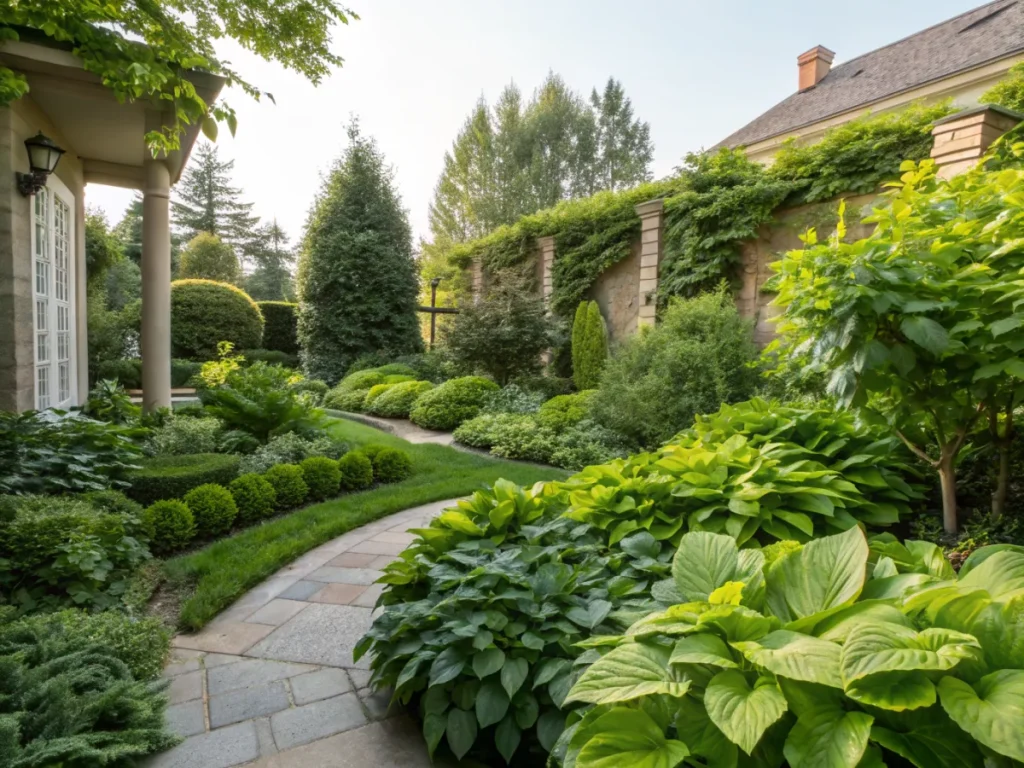
Hardscaping provides the bones of your garden and ensures year-round interest, especially in colder months when plants are dormant. Pathways, patios, pergolas, seating areas, and decorative walls create focal points and define spaces. Consider materials that complement your home’s architecture and local aesthetic.
Use structural plants like evergreen trees and shrubs to establish the “bones” of your planting design. These provide a constant presence and form the backdrop for seasonal plantings. Think about varying heights and textures to create visual appeal even without blooms. A well-placed sculptural element, like a bird bath or a piece of garden art, can also serve as a permanent focal point.
Step 3: Layer for Continuous Interest – The Horticultural Foundation
Successful four-season gardening relies on thoughtful layering, both vertically and seasonally. Start with tall elements like trees that offer shade, flowers, fruit, or interesting bark. Next, incorporate medium-sized shrubs, including evergreens for winter structure and deciduous types with attractive stems or berries.
Below these, plant perennials that bloom at different times of the year, ensuring there’s always something in flower. Fill in gaps with groundcovers for weed suppression and additional texture. Remember to consider not just blooms, but also foliage color, texture, and plant habits (e.g., mounding, upright, spreading) throughout the year. For more about plant selection, you can read our guide on smart garden tools which also touches on planning.
Step 4: Incorporate Seasonal Stars (Spring, Summer, Fall, Winter)
This is where the “four-season” aspect truly shines. For spring, focus on early bulbs (crocus, daffodils, tulips), flowering shrubs (forsythia, rhododendron), and early-blooming perennials. Summer is easy to fill with a wide array of annuals and perennials, but choose some with long blooming periods or re-blooming capabilities.
Fall interest comes from plants with vibrant autumnal foliage (maples, oakleaf hydrangeas), late-blooming perennials (sedum, asters), and plants with persistent berries (beautyberry, hollies). Winter interest is achieved with evergreens, trees with striking bark (birch, dogwood), plants with interesting seed heads (ornamental grasses, coneflowers), and possibly early-winter bloomers like hellebores. Don’t forget the power of fragrance! Consider plants like fragrant viburnums for early spring or witch hazel for late winter.
Step 5: Plan for Year-Round Maintenance and Evolution
Even the most perfectly designed garden requires ongoing care. Develop a maintenance plan that includes seasonal pruning, mulching, watering, and fertilizing. Consider how plants will grow and mature over time; some may need dividing or relocating as they grow larger. Regular observation will help you identify what’s working and what needs adjustment.
A four-season garden is never truly “finished”; it’s an evolving landscape. Be prepared to adapt and refine your design as your garden matures and your preferences change. Embrace the dynamic nature of gardening, and enjoy the process of nurturing your outdoor space. Enhancing your garden’s aesthetic through the seasons also involves considering elements like effective garden lighting to extend enjoyment into the evenings.
Pro Tips and Common Mistakes in Four-Season Garden Design
Pro Tips for Success:
- Think in Layers: Visual interest comes from different heights – groundcovers, perennials, shrubs, and trees. This vertical dimension creates depth and continuous appeal.
- Focus on Foliage: Don’t just rely on flowers. Foliage offers texture, color (e.g., variegated, purple, silver), and form throughout the year.
- Consider Bark and Form: Many trees and shrubs offer incredible winter interest through their bark patterns, colors, or unique branching structures. Think of peeling bark birches or contorted filbert.
- Plant for Wildlife: Include plants with berries, seeds, or persistent flowers that provide food and shelter for birds and other wildlife, especially in winter.
- Group for Impact: Plant in masses rather than single specimens (unless it’s a true specimen plant). Groupings create a more cohesive and impactful visual.
- Create Focal Points: Ensure there are elements that draw the eye in every season, whether it’s a striking evergreen, a piece of garden art, or an attractive bench.
- Use Evergreens Strategically: Evergreens are your backbone for winter interest. Use them to provide structure and color when deciduous plants are bare.
- Pathways and Seating: Make your garden accessible and enjoyable year-round. Pathways invite exploration, and seating areas allow for contemplation of the seasonal changes.
- Succession Planting: Choose different plants that bloom sequentially to ensure there’s always something flowering in your garden from spring to fall.
Common Mistakes to Avoid:
- Ignoring Winter: The biggest mistake is designing solely for spring and summer. Neglecting winter interest leads to a barren, uninviting landscape.
- Over-reliance on Flowers: While beautiful, flowers are often ephemeral. A garden that relies too heavily on blooms will lack character outside their blooming period.
- Forgetting About Texture: A flat garden lacks interest. Incorporate fine, medium, and coarse textures with different foliage types, bark, and seed heads.
- Poor Plant Selection for Site: Not matching plants to your hardiness zone, soil type, and sun exposure is a recipe for failure and frustration.
- Lack of Structure: Without strong evergreen components or hardscaping, a garden can feel formless and messy, particularly in winter.
- Spacing Issues: Planting too close together leads to overcrowding and competition, while planting too far apart leaves large gaps. Research mature plant sizes.
- Ignoring the View from Indoors: Consider what you see from your windows during every season. Design views that invite you to look out.
- Instant Gratification Mindset: Designing a four-season garden is a long-term project. Plants grow and mature, and the garden evolves. Patience is key.
- Not Thinking About Scale: Ensure the size of your plants and hardscape elements are proportional to your garden space and your home.
- Neglecting Maintenance Planning: Without a realistic plan for upkeep, even the best design can quickly become overgrown and lose its appeal. Regular care is essential for a flourishing garden, and effective composting techniques can significantly aid in soil enrichment.
Eco-Friendly Variations for a Sustainable Four-Season Garden
An eco-conscious four-season garden benefits both your local ecosystem and the planet. Prioritize native plants adapted to your region, as they require less water and maintenance once established and provide essential habitat for local wildlife. Research local nurseries that specialize in native species.
Integrate water-wise gardening practices like rainwater harvesting and efficient irrigation systems. Mulch heavily to conserve moisture, suppress weeds, and enrich the soil. Avoid chemical pesticides and fertilizers; instead, opt for organic compost and integrated pest management (IPM) techniques.
Consider planting a rain garden to manage stormwater runoff, or incorporating a small pond to attract beneficial wildlife. Design diverse plantings to support pollinators throughout the year with successive blooms. Choose durable, recycled, or locally sourced materials for hardscaping to minimize your environmental footprint.
Seasonal Considerations: What to Emphasize When
Spring: The Awakening
Focus on early bloomers to usher in the new season. Crocus, snowdrops, daffodils, and tulips provide an initial burst of color. Incorporate flowering shrubs like Forsythia, Azaleas, and Rhododendrons. Deciduous trees begin to leaf out, showing delicate new greens. This is also the time for new growth on perennials. Ensure good drainage and feed the soil after winter dormancy.
Summer: The Abundance
While summer offers a plethora of choices, strategically select plants that bloom throughout the season or re-bloom. Hydrangeas, coneflowers, hostas, and daylilies are excellent choices. Balance vibrant colors with interesting foliage textures. Provide vertical interest with climbing plants like clematis or roses. Remember to plan for continuous watering during dry spells and deadhead spent blooms to encourage more flowering.
Fall: The Grand Finale
Embrace the rich palette of autumn. Select trees and shrubs for spectacular fall foliage color, such as maple, oak, and burning bush. Late-season bloomers like asters, sedums, and chrysanthemums extend the flowering season. Plants with attractive berries (e.g., Beautyberry, Winterberry Holly) provide both color and food for birds. Ornamental grasses add movement and texture, captivating as they rustle in the breeze.
Winter: The Structural Beauty
This is where your structural planning truly pays off. Evergreens, both coniferous and broadleaf, provide essential color and form against a stark landscape. Look for trees with interesting bark, such as River Birch (peeling bark), Red Twig Dogwood (vibrant red stems), or Paperbark Maple (cinnamon-colored exfoliating bark). Persistent seed heads of perennials like coneflowers and ornamental grasses add appealing texture. Consider early winter bloomers like Hellebores or Witch Hazel for a surprise pop of color and fragrance. Ensure pathways are clear and accessible, inviting you to enjoy your winter wonderland.
Expert Resources for Your Four-Season Garden Journey
To deepen your knowledge and get expert advice, explore these valuable resources:
- Gardening Know How: An excellent comprehensive resource for plant guides, how-to articles, and troubleshooting gardening problems. Visit gardeningknowhow.com for a wealth of information.
- Royal Horticultural Society (RHS): A leading gardening charity, the RHS offers extensive plant profiles, design ideas, and advice based on in-depth horticultural research. Explore their resources at rhs.org.uk.
- University of Minnesota Extension: Many university extension programs provide regionally specific, research-backed gardening advice, including plant selection and pest management. For a great example, check out extension.umn.edu. Search for your local university extension for personalized advice.
Conclusion
Designing a four-season garden is a truly rewarding endeavor that transforms your outdoor space into a dynamic, living work of art that evolves with the calendar. By carefully considering your site, making strategic plant choices for continuous interest, and committing to thoughtful maintenance, you can create a landscape that offers beauty, tranquility, and ecological value every day of the year.
Embrace the challenge and the joy of watching your garden unfold through the seasons. Your efforts will be repaid with a vibrant and inviting space that continually offers new discoveries and delights, proving that a garden can be fascinating far beyond the summer months. Start planning today, and unlock the full potential of your garden as a year-round sanctuary.
Frequently Asked Questions About Designing a Four-Season Garden
<h4>Q1: What are the most important elements for winter interest in a four-season garden?</h4>
<p>A1: For winter interest, prioritize evergreens (coniferous and broadleaf) for structure and color, trees and shrubs with attractive bark (e.g., birch, dogwood, maple), plants with persistent berries (e.g., hollies, beautyberry), and those with interesting seed heads or structural forms (e.g., ornamental grasses, coneflowers). Hardscaping elements like pathways, sculptures, and seating areas also play a crucial role during colder months.</p>

<h4>Q2: How do I ensure continuous blooms throughout the growing seasons?</h4>
<p>A2: To achieve continuous blooms, practice "succession planting." Select a diverse range of perennials and shrubs that bloom at different times from early spring to late fall. Group plants with overlapping bloom times to avoid gaps. Also, consider annuals for continuous color in specific areas, and deadhead spent blooms to encourage re-flowering in many perennial species.</p>

<h4>Q3: Can I design a four-season garden for a small space, like a balcony or a small urban yard?</h4>
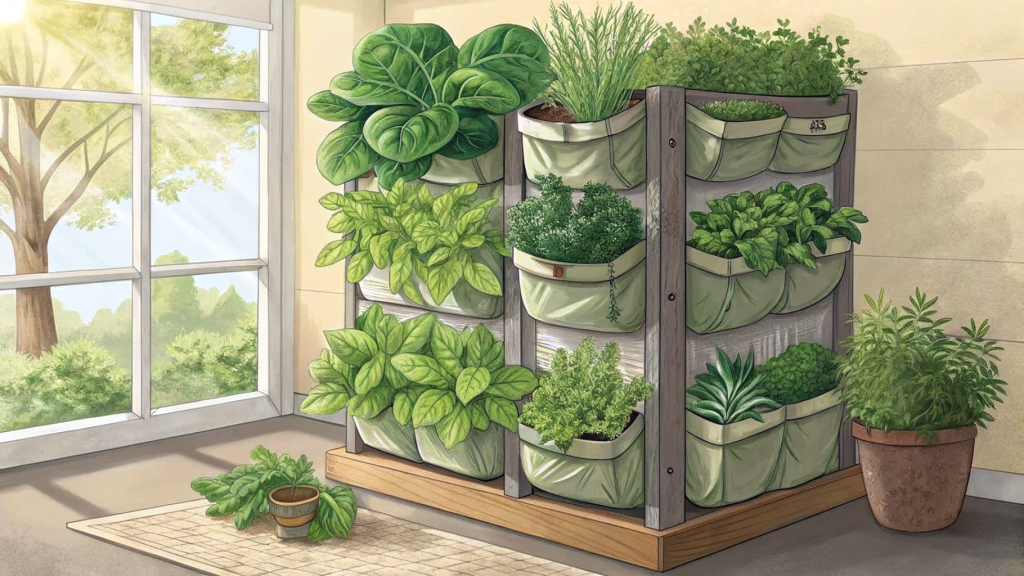
<p>A3: Absolutely! Even small spaces can benefit from four-season design principles. Focus on compact varieties of evergreens, multi-seasonal shrubs, and perennials. Use vertical gardening techniques with trellises and hanging baskets. Emphasize container gardening, rotating plants for seasonal interest. Choose plants with attractive foliage, bark, or seed heads for year-round appeal, even in limited areas.</p>

<h4>Q4: What role does hardscaping play in a four-season garden?</h4>
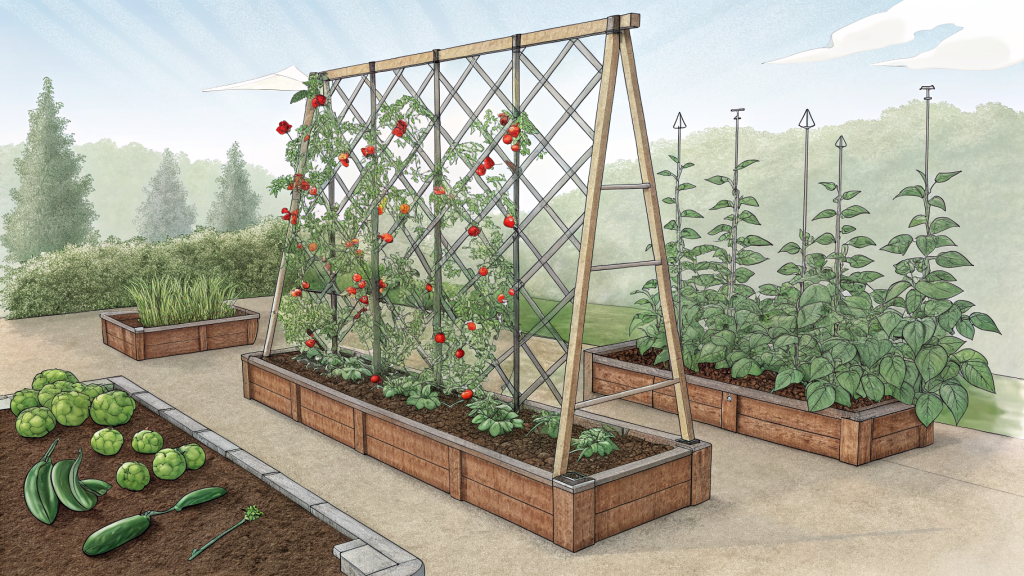
<p>A4: Hardscaping is fundamental to a four-season garden as it provides consistent structure and visual interest when plants are dormant. Pathways, patios, pergolas, raised beds, or decorative walls offer permanent elements that define the garden's layout. They create focal points, allow for year-round access, and provide places to enjoy the garden even in colder weather, making the space functional and attractive regardless of the season.</p>