The Ultimate Guide: 10 Steps to Prune Fruit Trees for Maximum Yield
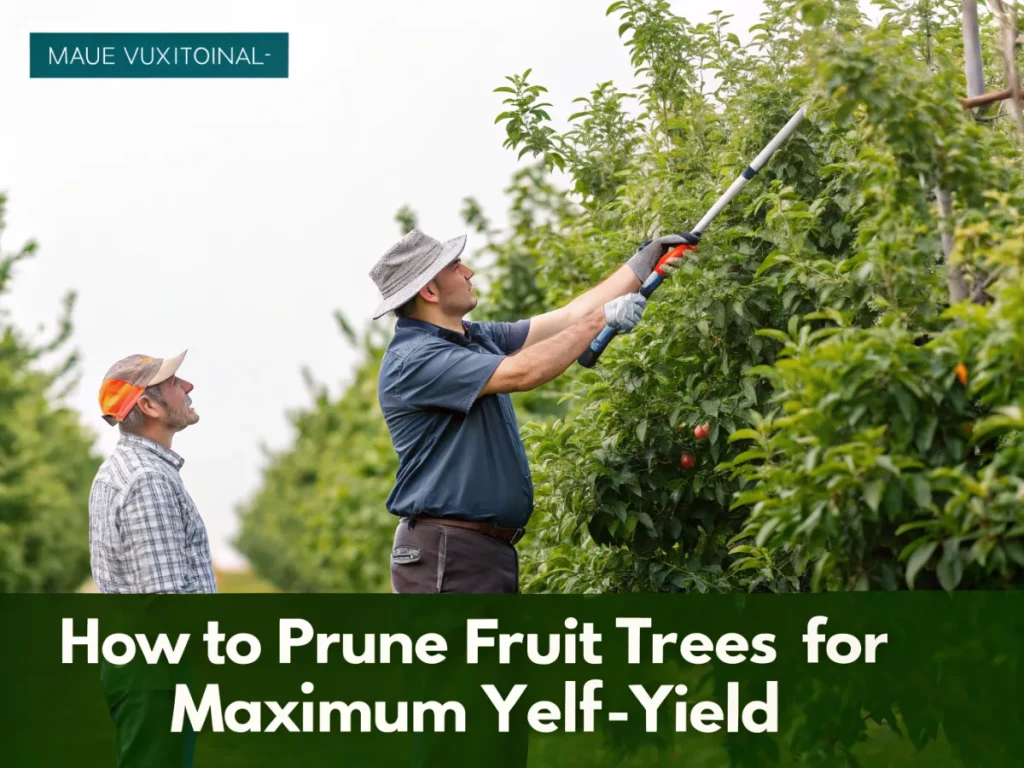
Welcome, fellow garden enthusiasts! Are you dreaming of bountiful harvests from your home orchard? Do you envision crisp apples, juicy pears, luscious plums, and sweet cherries cascading from your trees? Achieving this dream often hinges on one crucial, yet sometimes intimidating, horticultural practice: pruning. Far from being a mere aesthetic chore, proper pruning is the cornerstone of fruit tree health, vigor, and most importantly, an abundance of delicious fruit. This comprehensive guide will demystify the art and science of how to prune fruit trees maximum yield, offering you a step-by-step approach to transform your trees into powerhouse producers.
[lwptoc]
Why Pruning Fruit Trees Matters for Your Garden’s Success
Many novice gardeners shy away from pruning, fearing they might do more harm than good. However, embracing the pruning shears is one of the most proactive steps you can take for your fruit trees. Pruning isn’t about removing branches indiscriminately; it’s a strategic intervention that directs the tree’s energy, encourages better fruit development, and maintains its overall health.
Firstly, pruning enhances light penetration and air circulation throughout the canopy. Dense, overgrown canopies create shaded environments where fruit struggles to ripen uniformly and are more susceptible to fungal diseases. By opening up the tree, you ensure that sunlight reaches all parts of the tree, promoting better fruit color, flavor, and sugar content. Good air circulation, in turn, helps to dry leaves and branches quickly, drastically reducing the risk of common diseases like powdery mildew and scab.
Secondly, pruning encourages the formation of strong, productive fruiting wood. Fruit trees bear fruit on specific types of wood, often on spurs or on new growth. Strategic pruning removes old, unproductive wood and stimulates the growth of new wood that will bear fruit in subsequent seasons. It’s about knowing when to remove and when to nurture, ensuring a continuous cycle of productivity.
Finally, pruning helps maintain the tree’s size and shape, making harvesting easier and managing pests and diseases more efficient. An unpruned tree can quickly become overgrown, making it difficult to reach fruit, spray, or even inspect for problems. A well-shaped tree is a healthier, happier, and more productive tree, fitting perfectly into your garden’s aesthetic and practical needs.
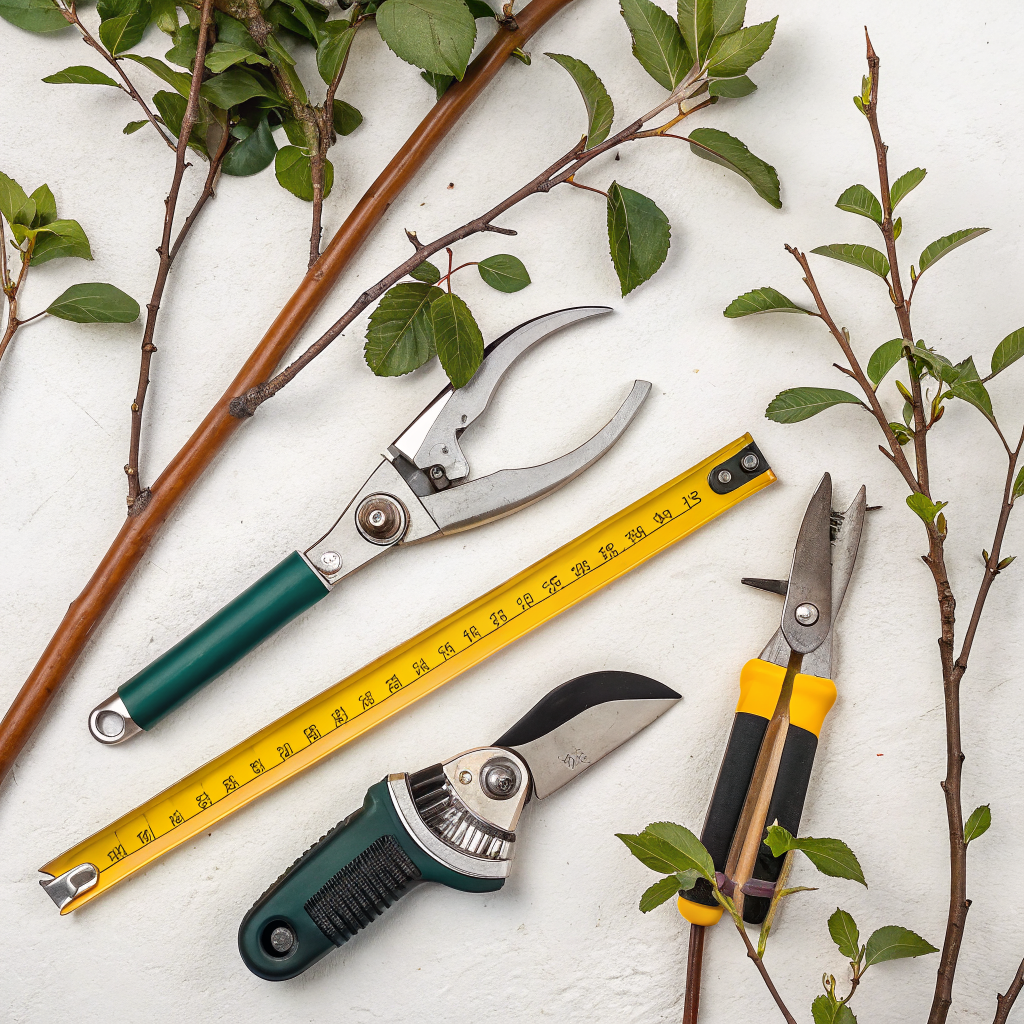
What You Need: Tools for Pruning Fruit Trees
Before you begin, gathering the right tools is paramount. Good quality tools not only make the job easier but also ensure clean cuts that heal quickly, minimizing stress on the tree. Invest in durable equipment, and remember to keep them clean and sharp for optimal performance and tree health.
- Hand Pruners (Bypass Type): Essential for small branches up to 3/4 inch in diameter. Bypass pruners make clean, scissor-like cuts, which are crucial for quick healing.
- Loppers: For branches up to 1 1/2 to 2 inches thick. Loppers provide extra leverage, allowing you to cut thicker branches with less effort.
- Pruning Saw: Necessary for branches larger than 2 inches in diameter. Look for a curved blade for easier cutting. Japanese-style pull saws are particularly effective.
- Safety Glasses: Always protect your eyes from twigs and sawdust.
- Gloves: To protect your hands from thorns, rough bark, and blisters.
- Ladder (Orchard Ladder Recommended): For reaching higher branches safely. Orchard ladders are designed for stability on uneven ground and allow you to work close to the tree.
- Disinfectant (Isopropyl Alcohol or Bleach Solution): To sterilize your tools between cuts, especially when pruning diseased wood, to prevent the spread of pathogens.
Step-by-Step Guide: How to Prune Fruit Trees for Maximum Yield
The general principles of pruning apply to most fruit trees, but there are subtle differences depending on the species and desired tree form. This guide covers the fundamental steps applicable to apples, pears, plums, and cherries, focusing on achieving a strong, open structure that will maximize fruit production.
Step 1: Timing is Everything – When to Prune
The vast majority of fruit tree pruning, especially for stimulating growth and fruit production, is best done during the dormant season, typically late winter to early spring, before bud break. At this time, the tree’s energy reserves are stored in the roots, making it less susceptible to shock. Without leaves, the tree’s structure is also much clearer, making it easier to identify cuts. For cherries and plums, pruning in summer (after harvest) is sometimes recommended to reduce the risk of silver leaf disease, but dormant pruning for structural work is still common. Always consult specific guidelines for your particular variety.
Step 2: Assess the Tree and Remove the “4 D’s”
Before making any major cuts, take a step back and observe the entire tree. Visualize its structure. Your first cuts should always be for health and safety. Look for:
- Dead: Any branches that are clearly dead, brittle, or without buds.
- Diseased: Branches showing signs of disease, cankers, or unusual growths. Cut back to healthy wood, sterilizing your tools between each cut.
- Damaged: Broken branches or those with split bark from storms or other injuries.
- Deranged (Crossing/Rubbing): Branches that are growing inward, crossing each other, or rubbing against other branches. These can create wounds and entry points for disease. Choose the stronger, better-positioned branch and remove the other.
Step 3: Establish a Strong Central Leader or Open Center
The desired tree form often dictates pruning strategy.
Apples and pears are often grown to a central leader system, where a single dominant vertical stem forms the tree’s main trunk, with horizontal branches radiating outwards. Plums and cherries, however, often benefit from an open center (vase) system, where the central leader is removed to encourage outward-growing scaffold branches, creating a goblet shape that maximizes light penetration. For your first few years, decide on your desired form and prune to encourage it.
Step 4: Select and Develop Scaffold Branches
Scaffold branches are the main structural limbs that will support the bulk of your fruit. For a central leader system, choose 3-5 well-spaced branches radiating around the trunk, ideally with wide crotch angles (the angle where the branch joins the trunk) as these are stronger. For an open center system, select 3-4 similarly spaced branches around the main trunk, forming a strong vase shape. Remove any subordinate branches that compete with these main scaffolds.
Step 5: Prune for Light and Air Circulation
This is where you truly open up the canopy. Remove any branches that are:
- Growing straight up (“water sprouts”) or straight down (“suckers” from the base, which should be removed at ground level).
- Growing inward towards the center of the tree.
- Too close together, creating dense, shady areas.
- Weak or spindly, unlikely to bear good fruit.
Aim for an even distribution of branches that allows sunlight to penetrate deep into the canopy. You should be able to throw a baseball through the tree without hitting a significant branch.
Step 6: Encourage Fruiting Wood and Control Vigor
Once the main structure is established, focus on encouraging fruiting wood. For most fruit trees, fruit forms on short shoots called spurs or on one-year-old wood.
Light heading cuts (removing the tip of a branch) can encourage lateral branching and spur development. Thinning cuts (removing an entire branch back to its origin) are used for larger structural adjustments or to reduce density. Avoid excessive heading, as it can stimulate excessive vegetative growth at the expense of fruit.
Pro Tips and Common Mistakes to Avoid
Pro Tips:
- Start Small, Think Big: Don’t try to transform an overgrown tree in one season. Spread major pruning over 2-3 years to avoid shocking the tree.
- Make Clean Cuts: Always cut just above a bud (if heading a branch) or flush with the collar (the slightly swollen area at the base of a branch) when removing an entire branch. Avoid leaving stubs.
- Angle Your Cuts: When cutting above a bud, angle the cut slightly away from the bud to shed water, preventing disease.
- Step Back Regularly: Periodically step away from the tree to assess your work and ensure you’re maintaining the desired shape and balance.
- Practice Makes Perfect: Don’t be afraid to experiment a little on less critical branches. You’ll gain confidence with experience.
Common Mistakes:
- “Topping” the Tree: Cutting off the top of the tree indiscriminately. This creates a flush of weak, upright shoots (water sprouts) and rarely improves fruit production.
- Not Pruning Enough: Leading to an overgrown, unproductive tree with poor air circulation and light penetration.
- Pruning Too Much: Removing too much foliage can stress the tree and reduce its ability to photosynthesize, leading to decreased yields. Aim to remove no more than 20-30% of the canopy in a single dormant season.
- Using Dull or Dirty Tools: Causes ragged cuts that heal slowly and can introduce diseases.
- Making Improper Cuts: Leaving stubs or cutting into the branch collar can inhibit healing and invite pests/diseases.
Eco-Friendly Pruning Variations
Embracing eco-conscious practices in your garden extends to pruning as well. Here are some ways to make your pruning habits more environmentally friendly:
- Compost Prunings: Unless branches are diseased, shred or chop smaller prunings and add them to your compost pile. They’ll enrich your soil for future plantings.
- Mulch with Larger Branches: For larger branches, if you have access to a wood chipper, the chips make excellent mulch for your orchard, suppressing weeds and retaining soil moisture.
- Attract Beneficial Insects: Healthy, open tree canopies create microclimates that beneficial insects, natural predators of pests, appreciate.
- Avoid Chemical Sealants: Historically, tree wound sealants were recommended. However, modern research suggests they are generally not beneficial and can even hinder the tree’s natural healing process. Clean cuts are usually sufficient.
- Water Conservation: Proper pruning reduces unnecessary leaf mass that requires water, helping the tree focus its resources more efficiently during drier periods.
Seasonal Considerations for Pruning
While dormant pruning is the primary activity for structural work and maximizing yield, some light summer pruning can also be beneficial.
- Dormant Pruning (Late Winter/Early Spring): This is the time for major structural changes, removing the 4 D’s, establishing scaffold branches, and encouraging new growth for future fruiting. The tree has no leaves, making its structure easy to see.
- Summer Pruning (Late Spring/Early Summer): Primarily used for maintenance. This involves removing water sprouts, suckers, and crossing branches. It can also be used to slightly reduce the canopy’s density to improve light penetration to ripening fruit. Summer pruning tends to slow vegetative growth more than dormant pruning, which can be useful for controlling tree size. For plums and cherries, summer pruning can help prevent fungal diseases like silver leaf.
- Thinning Fruit (Early Summer): While not strictly pruning, fruit thinning is crucial for maximizing the size and quality of remaining fruit. After natural fruit drop (the “June drop”), selectively remove excess fruit so that the remaining fruits are adequately spaced (e.g., 6-8 inches apart for apples), allowing them to grow larger and develop better flavor. This also reduces the strain on the tree, helping it to bear fruit more consistently in subsequent years.
Expert Resources for Advanced Learning
To deepen your understanding and refine your pruning skills, I highly recommend consulting these reputable external resources:
- Gardening Know How: An excellent resource for practical gardening advice on a wide range of topics, including specific fruit tree varieties. Their articles are usually very accessible and detailed. Visit Gardening Know How.
- The Royal Horticultural Society (RHS): For those in the UK and beyond, the RHS offers comprehensive, research-backed information on all aspects of horticulture. Their guides on fruit pruning are exceptionally thorough. Explore their resources at RHS.org.uk.
- University Extension Offices (e.g., University of Minnesota Extension): Land-grant universities in the US provide invaluable, region-specific advice often based on local research. Many have fantastic online resources for fruit tree management, tailored to different climates. A great example is the University of Minnesota Extension. Search for their fruit tree guides!
Conclusion: Embrace the Pruning Shears for a Bountiful Harvest
Pruning fruit trees for maximum yield is an ongoing journey, not a one-time event. It requires observation, patience, and a willingness to learn from your trees. By consistently applying the principles outlined in this guide – understanding timing, making clean and strategic cuts, and developing a strong tree structure – you will undoubtedly foster healthier, more vigorous trees that reward you with an abundance of delicious fruit year after year.
Remember, every cut you make is an investment in your tree’s future and your garden’s productivity. Don’t be intimidated; start small, educate yourself, and enjoy the immensely satisfying experience of cultivating your very own thriving orchard. Happy pruning, and may your harvests be incredibly bountiful!
Frequently Asked Questions About Pruning Fruit Trees
<p><strong>Q1: How often should I prune my fruit trees?</strong></p>
<p>A1: Young fruit trees often require annual dormant pruning for the first 3-5 years to establish a strong structure. Mature, bearing trees generally benefit from dormant pruning every 1-2 years to maintain shape, open the canopy, and stimulate new fruiting wood, along with light summer pruning for maintenance as needed.</p>

<p><strong>Q2: What is the difference between a thinning cut and a heading cut?</strong></p>
<p>A2: A <em>thinning cut</em> removes an entire branch back to its point of origin (main trunk or larger branch), which helps to open up the canopy and reduce overall density. A <em>heading cut</em> involves removing only a portion of a branch (cutting back to a bud or side branch), which tends to stimulate new growth from the cut point, making the branch fuller.</p>

<p><strong>Q3: Can I prune fruit trees in the fall?</strong></p>
<p>A3: Generally, fall pruning is not recommended for most fruit trees, especially in colder climates. New growth stimulated by fall pruning may not have enough time to harden off before winter, making it susceptible to frost damage. It's best to stick to dormant pruning in late winter/early spring.</p>

<p><strong>Q4: Why are my fruit trees not producing fruit after I prune them?</strong></p>
<p>A4: There could be several reasons. Excessive pruning, especially removing too much fruiting wood, can delay fruiting. Pruning at the wrong time (e.g., removing flower buds in late winter for early-blooming trees) can also reduce yield. Younger trees need time to establish before consistently bearing fruit. Ensure you're following the correct pruning techniques for your tree's age and type, and check for good pollination and overall tree health.</p>