The Ultimate 7-Step Aquaponics Setup for Beginners at Home
Imagine cultivating fresh, organic produce and delicious fish right in your own backyard, or even indoors, with minimal environmental impact. This isn’t a futuristic dream; it’s the accessible reality of aquaponics. Aquaponics, a portmanteau of aquaculture (raising aquatic animals) and hydroponics (growing plants without soil), offers a symbiotic ecosystem where fish waste provides nutrients for plants, and plants, in turn, filter the water for the fish. For urban dwellers and eco-conscious gardeners alike, setting up an aquaponics system at home is a game-changer, promising year-round harvests and a deeper connection to your food source. This comprehensive guide will walk you through everything you need to know about an aquaponics setup for beginners at home, transforming your dream into a thriving, sustainable reality.
[lwptoc]
Why Aquaponics Matters for Your Garden (and the Planet)
Aquaponics is more than just a gardening technique; it’s a profound move towards sustainable living and self-sufficiency. In a traditional garden, you regularly need to fertilize and water, often with considerable waste. Aquaponics drastically reduces water usage, typically by 90% compared to conventional farming, because the water recirculates within the system.
Beyond water conservation, aquaponics eliminates the need for chemical fertilizers and pesticides. The fish provide all the necessary nutrients for the plants naturally, and a healthy aquaponics system rarely faces pest outbreaks common in soil-based gardening. This means healthier food for you and a healthier planet overall.
For urban dwellers, aquaponics offers a solution to limited space. You can grow a significant amount of food vertically or in compact systems, turning a small patio, balcony, or even a spare room into a productive farm. This makes fresh, organic food accessible even when traditional gardening isn’t an option. Furthermore, the continuous cycle provides a stable environment, allowing for year-round production of certain crops, independent of external weather conditions.
What You Need: Tools, Materials, Plants, and Fish
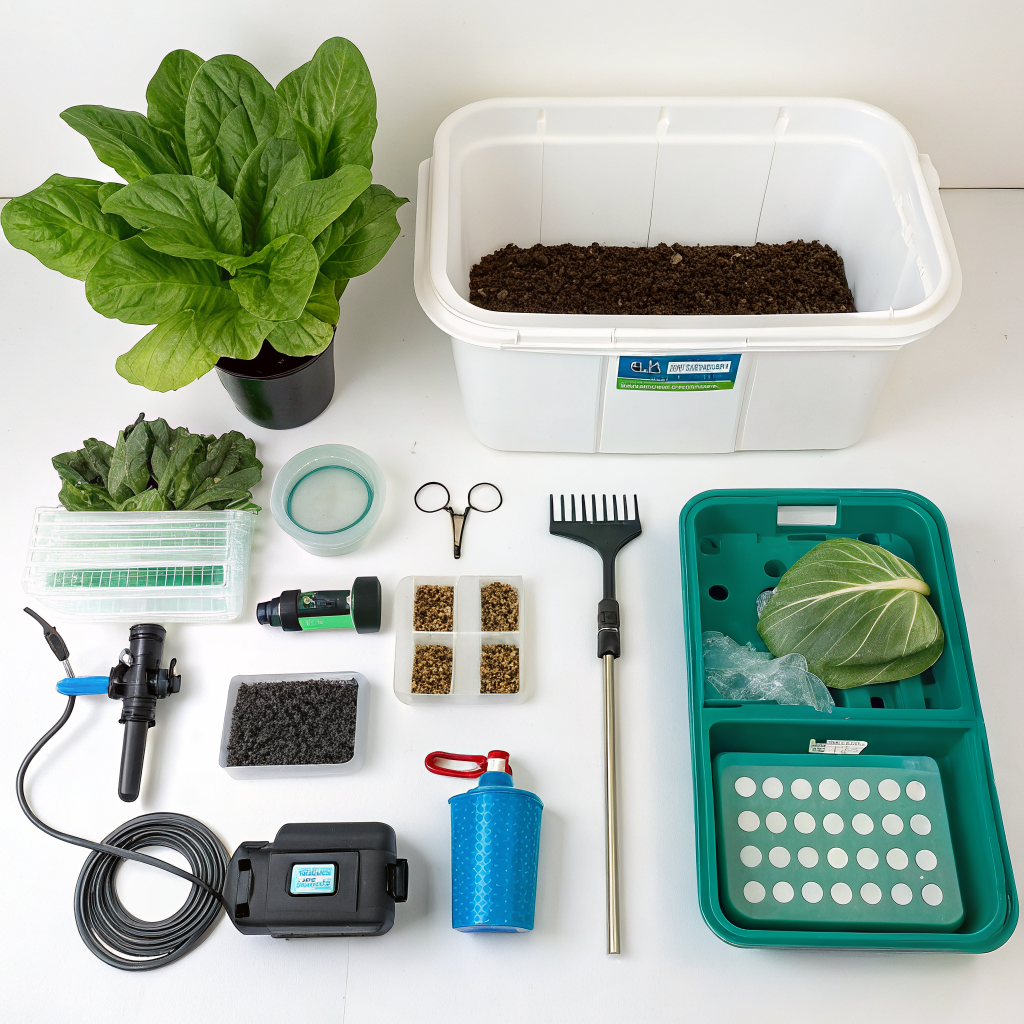
Before diving into construction, gathering your components is crucial for a smooth aquaponics setup beginners’ experience. You’ll need various materials for your fish tank, grow beds, plumbing, and essential equipment. Choosing the right plants and fish is also key to a successful system.
Essential Tools & Equipment:
- Drill: For making holes in grow beds and plumbing.
- Hole Saw Bits: Specific sizes for bulkheads and PVC pipes.
- Measuring Tape: For accurate placement and cutting.
- Utility Knife/Pipe Cutter: For cutting PVC pipes.
- Screwdriver Set: For various fasteners.
- Water Level: To ensure grow beds are level.
- Pliers/Wrenches: For tightening connections.
- Buckets: For transferring water and media.
Core System Components:
- Fish Tank: This is the heart of your system. For beginners, a 50-100 gallon (about 190-380 liters) food-grade plastic barrel, IBC tote cut in half, or a pre-made aquaculture tank is ideal. Ensure it’s opaque to prevent algae growth.
- Grow Beds: These will hold your plants and growing media. Food-grade plastic totes work well. The grow bed volume should ideally be equal to or greater than the fish tank volume to provide adequate filtration and growing space.
- Pump: A submersible water pump is needed to move water from the fish tank to the grow beds. Choose a pump with a flow rate appropriate for your system size (generally, aim to cycle your entire fish tank volume through the grow beds at least once per hour).
- Air Pump & Air Stone: Essential for oxygenating the fish tank water, which is crucial for fish health.
- PVC Pipes & Fittings: For creating the plumbing network between the fish tank and grow beds, including drain lines, supply lines, and siphons if using a flood-and-drain system.
- Growing Media: This is what your plants will grow in instead of soil. Expanded clay pebbles (hydroton), lava rock, or gravel (specifically pea gravel, inert and pH neutral) are common choices. They provide support for plants and a surface area for beneficial bacteria.
- Bulkheads: These seal the holes where pipes pass through the fish tank and grow beds.
- Sturdy Stand/Support: Your fish tank and grow beds will be heavy when full of water and media, so a robust, level support structure is paramount.
Monitoring & Maintenance Supplies:
- Water Test Kit: Absolutely critical! You’ll need to monitor pH, ammonia, nitrite, and nitrate levels regularly. Liquid test kits are more reliable than test strips.
- Thermometer: To monitor water temperature for fish health.
- Net: For fish handling and removing debris.
- Algae Scrubber: For cleaning tank walls.
Choosing Your Fish:
For beginners, hardy, fast-growing, edible fish are best.
- Tilapia: Extremely popular due to their hardiness, fast growth, and ability to tolerate varying water conditions. They are a warm-water fish.
- Koi/Goldfish: While not typically eaten, they are very hardy and excellent for cycling a new system, making them a good choice if your primary goal is plant production or if you’re in a colder climate.
- Catfish (e.g., Channel Catfish): Another hardy option, though they can get quite large.
Start with a low stocking density, around one pound of fish per 10-20 gallons of water, and gradually increase as your system matures.
Choosing Your Plants:
Leafy greens and herbs thrive in aquaponics due to their lower nutrient demands.
- Leafy Greens: Lettuce (butterhead, romaine, loose leaf), spinach, kale, Swiss chard.
- Herbs: Basil, mint, chives, parsley, cilantro, oregano.
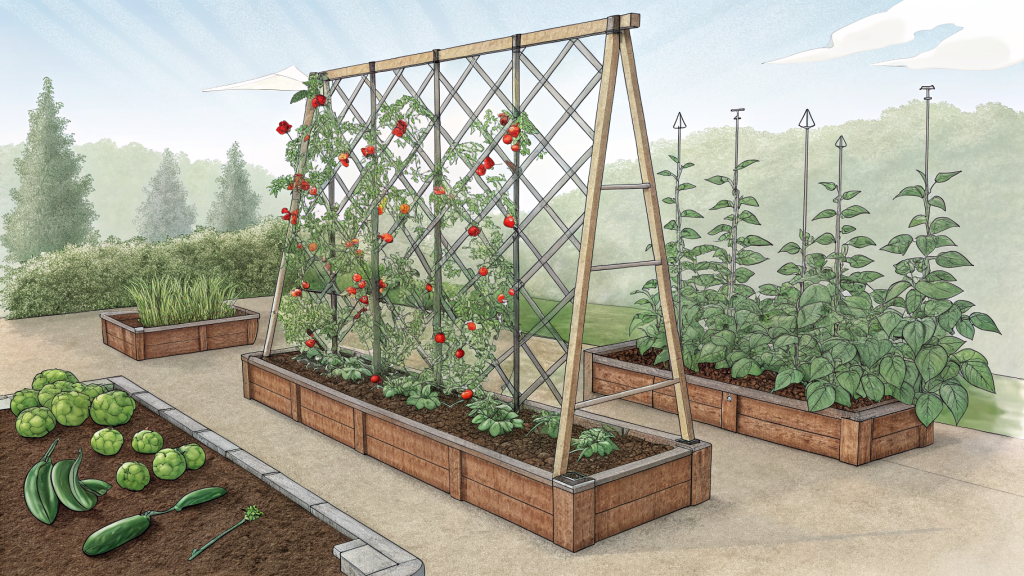
- Fruiting Plants (more advanced): Tomatoes, peppers, strawberries, cucumbers. These require a more mature system with higher nitrate levels.
Start with seedlings or clones rather than seeds directly in the media, as seeds can be challenging to establish in a media bed at first. You can also explore specific plant types that thrive in aquaponics on our site.
Step-by-Step Guide: Building Your Aquaponics Setup for Beginners
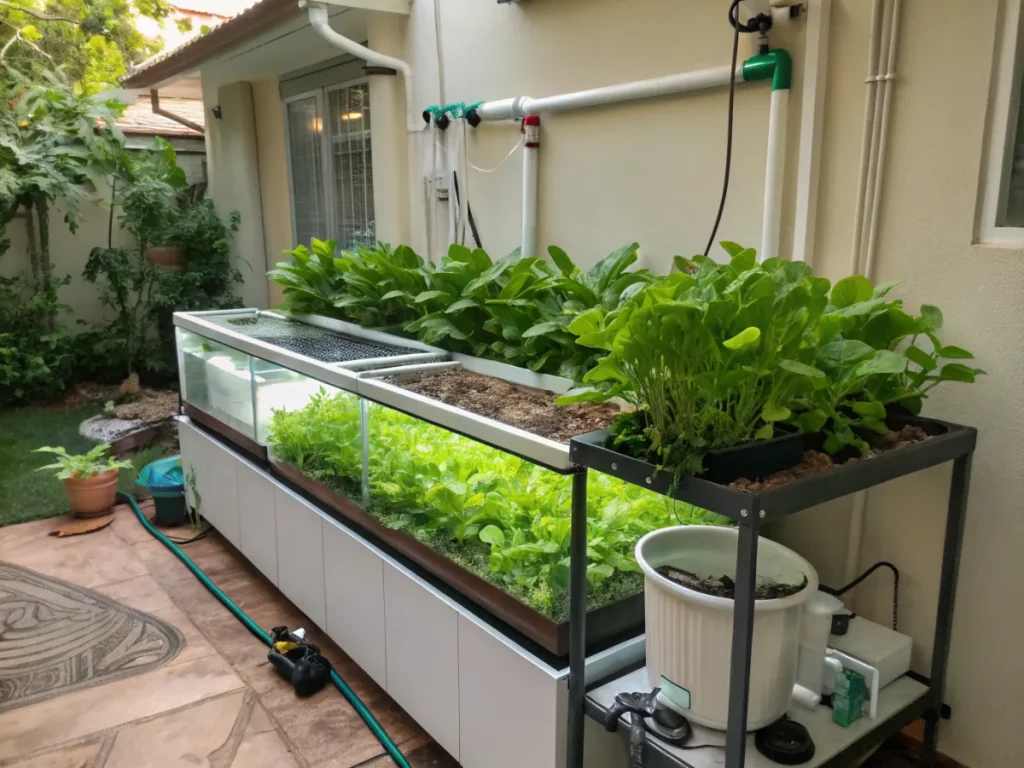
This section outlines the process of building a media-bed aquaponics system, which is generally the most forgiving and easiest for beginners. This is a flood-and-drain (or ebb-and-flow) system, known for its robustness and good filtration capabilities.
Step 1: Planning and Design
Careful planning prevents headaches later. Decide on your system’s location (indoors or outdoors), considering sunlight, temperature, and access to electricity. Sketch out your design, noting the placement of the fish tank, grow beds, pump, and plumbing. Ensure your chosen location can support the weight of a full system. A good rule of thumb for grow bed to fish tank ratio is approximately 1:1, meaning if you have a 50-gallon fish tank, aim for at least 50 gallons of grow bed volume.
Consider height. The grow beds must be above the fish tank to allow for gravity drainage. This usually means a sturdy stand for your grow beds and potentially another for your fish tank if you want to elevate it for easier access.
Step 2: Constructing the Fish Tank and Grow Beds
First, thoroughly clean your fish tank and grow beds. If using IBC totes or barrels, ensure they are food-grade and have not contained harmful chemicals. Cut your IBC tote in half if using one, creating a large fish tank and a grow bed.
Install bulkheads in the fish tank for the pump’s return line if it’s external, or simply route the pump’s hose over the edge. For the grow beds, install a bulkhead at the lowest point for the primary drain. If using a bell siphon for flood and drain, this drain will be where your siphon components are installed. Alternatively, a simple standpipe drain can be used with constant flow.
Step 3: Setting Up the Plumbing
This is where the water journey begins. Connect your submersible pump (located in the fish tank) to a PVC pipe that runs up to your grow beds. Use T-fittings to split the water flow evenly among multiple grow beds. Install drip emitters or a manifold in each grow bed to distribute water across the media.
For the grow bed drains:
- Bell Siphon (Flood and Drain): This is popular for media beds. It allows the grow bed to fill with water and then drain completely, exposing plant roots to air, which is crucial. Numerous online tutorials detail bell siphon construction and tuning. It involves a standpipe, a bell-shaped cover, and an anti-gravel guard.
- Constant Drain: A simpler method where a standpipe maintains a constant water level in the grow bed, and excess water overflows back to the fish tank. This method is less ideal for media beds as it can lead to root rot from constant saturation.
Ensure all connections are watertight using appropriate seals or PVC glue for rigid pipes. Test for leaks before adding media or fish.
Step 4: Adding Grow Media and Cycling Your System
Once plumbing is secure, add your chosen grow media (expanded clay pebbles, lava rock, or gravel) to the grow beds. Rinse the media thoroughly before adding it, as it can be dusty. Fill the fish tank and grow beds with dechlorinated water. Use a water conditioner to remove chlorine from tap water, as chlorine is harmful to fish and beneficial bacteria.
Now, the most critical step for an aquaponics setup for beginners: system cycling. This process establishes the beneficial bacteria colonies that convert fish waste (ammonia) into plant-usable nutrients (nitrates).
- Fishless Cycling: This is highly recommended for beginners as it avoids harming fish. Add a pure ammonia source (ammonium chloride) daily to the fish tank, aiming for 2-4 ppm ammonia. Monitor ammonia, nitrite, and nitrate levels daily with your test kit. Ammonia will spike, then nitrites will spike, and finally, nitrates will rise as ammonia and nitrites drop to zero. This process can take 4-8 weeks.
- Fish-in Cycling (less recommended for beginners): Introduce a small number of very hardy fish (e.g., goldfish) and feed them sparingly. Monitor water parameters diligently, performing small water changes (10-20%) if ammonia or nitrite levels get too high. This method is more stressful for fish and more challenging to manage.
The system is cycled when ammonia and nitrites consistently read zero, and nitrates are present. This indicates a thriving bacterial colony. For more detailed information on water quality, check out our guide on aquaponics water quality.
Step 5: Introducing Fish and Plants
Once your system is fully cycled, you can introduce your fish. Acclimate them slowly to the tank water by floating their transport bag in the tank for 15-20 minutes, then gradually adding tank water to the bag over another 15 minutes before releasing them. Start with a conservative number of fish.
After fish are introduced and feeding, you can begin adding your plants. Transplant seedlings or established clones directly into the grow media. Gently bury the root ball in the media, ensuring the stem is upright. Avoid planting seeds directly at first; it’s easier to establish seedlings. Monitor plant health and continue to test water parameters.
Step 6: Ongoing Maintenance and Monitoring
Aquaponics requires consistent monitoring and a routine.
- Water Quality: Regularly test pH, ammonia, nitrite, and nitrate levels. pH should ideally be between 6.0-7.0 for optimal plant and fish health. Adjust as needed with pH up/down solutions (use sparingly and cautiously).
- Feeding: Feed your fish high-quality fish food once or twice daily, only as much as they can eat in 5 minutes. Overfeeding leads to excess waste, oxygen depletion, and poor water quality.
- Plant Care: Harvest regularly, prune dead leaves, and check for any pests. While rare, pest issues can occur.
- System Checks: Ensure the pump is working, pipes aren’t clogged, and water is flowing correctly. Clean the pump pre-filter periodically.
- Top-offs: Top off the system with dechlorinated water daily or as needed to compensate for evaporation and plant uptake. Small water changes (10-20%) can be beneficial every few weeks to replenish micronutrients, but large changes are generally avoided in a mature system.
Pro Tips and Common Mistakes for Aquaponics Setup Beginners
Making your aquaponics journey smoother involves learning from others’ experiences. Here are some tips and pitfalls to avoid:
Pro Tips:
- Start Small: Resist the urge to build a massive system initially. A smaller system is easier to manage, troubleshoot, and learn from. You can always scale up later.
- Research Your Fish and Plants: Understand their specific needs, ideal temperatures, and pH ranges. Choose species that are compatible with each other and your local climate.
- Over-Size Your Pump: It’s better to have a slightly overpowered pump that you can throttle down than an underpowered one. This offers flexibility.
- Use a Timer for Your Pump: This is essential for flood and drain systems, ensuring consistent cycles. For media beds, a 15-minute on, 45-minute off cycle is a common starting point, but adjust based on your specific system and climate.
- Maintain Consistent Temperatures: Fluctuating temperatures stress fish and can harm beneficial bacteria. Use a heater for indoor systems if needed, especially for warm-water fish like Tilapia.
- Have Spare Parts: A spare pump, air stone, and some plumbing connectors can save your system if a component fails unexpectedly.
- Keep Records: Note down planting dates, harvesting dates, water test results, and any observations. This helps you identify patterns and troubleshoot issues.
- Learn About Beneficial Bacteria: These microscopic heroes are the backbone of your system. Understanding their needs (e.g., oxygen, stable environment) is crucial.
Common Mistakes to Avoid:
- Not Cycling Properly: Rushing the cycling process leads to fish death and system instability. Patience is key here.
- Overfeeding Fish: The most common beginner mistake. Excess food pollutes the water, increases ammonia, and reduces oxygen.
- Ignoring Water Parameters: Neglecting daily or weekly water tests can lead to issues that are hard to reverse once severe.
- Using Non-Food Grade Materials: Chemicals can leach into your water, harming fish and making your produce unsafe. Always use food-grade plastics.
- Inadequate Oxygenation: Both fish and beneficial bacteria need oxygen. Ensure your air pump and stone are working effectively.
- Over-stocking Your Fish Tank: Too many fish create too much waste for your system to process, leading to nutrient imbalances and health problems.
- Planting Too Densely: Overcrowding plants can lead to competition for nutrients and reduced air circulation, making them more susceptible to problems.
- Using Soil in Grow Beds: Aquaponics uses soil-less media. Soil will clog your system and introduce diseases.
Note: While aquaponics is relatively low-maintenance once established, it’s not a set-it-and-forget-it system. Regular monitoring and care are essential for success.
Eco-Friendly Variations and Enhancements
Aquaponics is inherently eco-friendly, but there are ways to further enhance its sustainability and efficiency:
- Solar Power: Power your pumps and air pumps with solar panels, especially for outdoor systems. This reduces your carbon footprint and energy costs.
- Rainwater Harvesting: Collect rainwater to top off your system. Rainwater is naturally chlorine-free and often has a good pH, reducing the need for chemical adjustments. Ensure it’s filtered to remove debris.
- Worm Composting (Vermiponics): Integrate a worm composting bed into your system. Worms break down solid fish waste and uneaten food into nutrient-rich vermicompost, which can then be added to the aquaponics system or used for other plants.
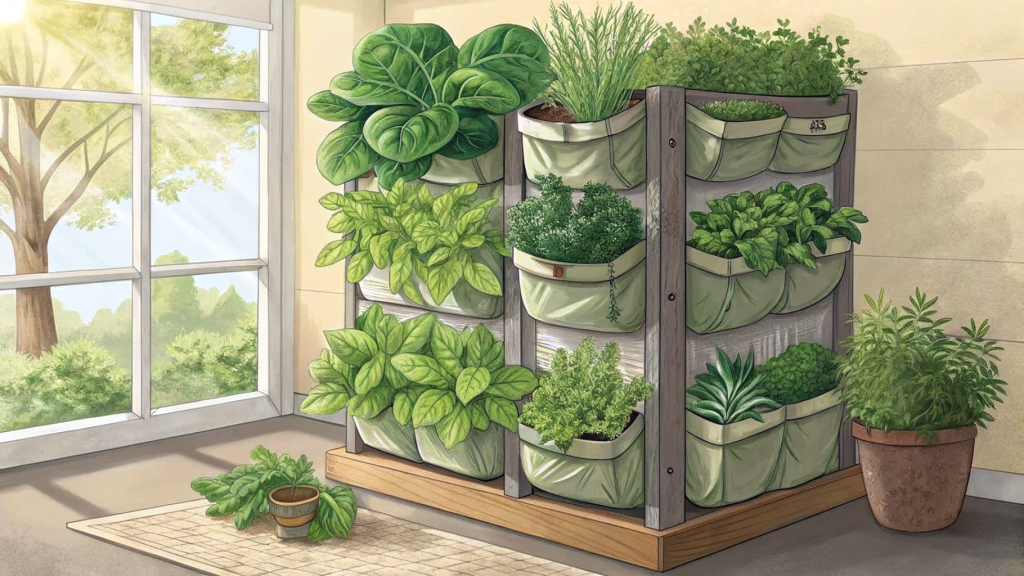
- Vertical Growing: Utilize vertical grow towers or tiered systems to maximize plant production in a small footprint. This is perfect for urban gardening.
- Closed-Loop Greenhouse: For year-round production in colder climates, setting up your aquaponics system inside a small greenhouse creates a controlled environment, leveraging passive solar gain.
- Beneficial Insect Integration: If growing outdoors, encourage beneficial insects like ladybugs to control pests naturally, further reducing the need for interventions.
- Choose Local Fish Species: If possible, select fish species native or commonly raised in your region. This can reduce transportation impacts and ensure better adaptation to local conditions.
Seasonal Considerations for Home Aquaponics
While aquaponics aims for year-round production, external factors like temperature and light still play a role, especially for outdoor or unheated indoor systems.
- Temperature Management:
- Warm Climates/Summer: Protect your system from overheating. Shade the fish tank and grow beds, especially during the hottest parts of the day. Consider placing your system in a cooler, shadier spot. Overheating can reduce oxygen levels in the water, stressing fish.
- Cold Climates/Winter: If outdoors, an aquaponics system will likely need to be brought indoors or heated. Tilapia, for example, will not survive cold water. Consider hardy fish like Koi or trout if growing in cooler conditions, or invest in a water heater for your fish tank. Growing greens indoors under grow lights can provide fresh produce all winter.
- Light Requirements:
- Photosynthesis: Plants need adequate light. For indoor systems, LED grow lights are essential. For outdoor systems, ensure plants receive sufficient sunlight (at least 6 hours for most leafy greens).
- Algae Control: While some light is good, too much direct sunlight on the fish tank can lead to excessive algae growth. Keep the fish tank covered or shaded.
- Plant Selection: Adjust your plant choices based on the season or your controlled environment. Cooler-season crops (lettuce, spinach) thrive in mild temperatures, while warmer-season crops (tomatoes, peppers) need more heat and light.
- Water Evaporation: Evaporation rates increase in warmer, drier conditions. Monitor water levels closely and top off frequently with dechlorinated water.
Expert Resources for Your Aquaponics Journey
Learning is an ongoing process with aquaponics. These resources provide in-depth information:
- Gardening Know How: For general gardening advice and often articles touching upon specific hydroponic and aquaponic plant care, check out Gardening Know How.
- Royal Horticultural Society (RHS): While primarily focusing on traditional horticulture, the RHS offers foundational understanding of plant biology and pathology which is highly relevant. Explore their extensive guides at rhs.org.uk.
- University Extension Programs: Many universities have agricultural extension programs that provide science-backed information. For instance, the University of Minnesota Extension has valuable resources on various aspects, including sustainable agriculture. Visit extension.umn.edu.
- Aquaponics Forums and Communities: Online forums are invaluable for direct interaction with experienced aquaponics enthusiasts. You can ask questions, share your progress, and learn from others’ successes and failures.
- Books and E-books: Many excellent books are dedicated to beginner aquaponics. Look for titles that emphasize home-scale systems.
- YouTube Channels: Visual learners will benefit greatly from the numerous aquaponics channels demonstrating builds, maintenance, and troubleshooting.
Conclusion: Cultivating a Sustainable Future, One System at a Time
Embarking on the journey of an aquaponics setup for beginners at home is an exciting and rewarding endeavor. It’s a testament to urban permaculture principles, allowing you to produce fresh, healthy food with a significantly reduced environmental footprint. From the initial planning and construction to the delicate balance of cycling and ongoing maintenance, each step is a learning opportunity. The satisfaction of harvesting your own chemical-free lettuce while watching your fish thrive is unparalleled.
Remember, patience and observation are your greatest tools. Don’t be discouraged by initial challenges; every aquaponic gardener, regardless of experience, encounters them. By following this guide, leveraging the right resources, and embracing the symbiotic nature of your system, you’ll soon be enjoying the bounty of your own thriving aquaponics farm, contributing to a more sustainable and self-sufficient lifestyle.
Frequently Asked Questions About Home Aquaponics
<h4>Q1: How much space do I need for a beginner aquaponics system?</h4>
<p>A small beginner system (50-100 gallons) can fit in a relatively compact space. You could start with two 27-gallon totes, one for fish and one for plants, which would occupy an area of roughly 2x4 feet. Vertical systems can further minimize the footprint. The key is to ensure sturdy support and access for maintenance.</p>

<h4>Q2: What are the best fish for an aquaponics setup beginners?</h4>
<p>Tilapia are widely considered the best for beginners due to their hardiness, fast growth, and tolerance for varying water conditions. Alternatively, hardy ornamental fish like goldfish or koi can be used if your primary goal is plant production and you're not planning to eat the fish. Avoid exotic or highly sensitive species when starting out.</p>

<h4>Q3: How often do I need to test the water in my aquaponics system?</h4>
<p>During the cycling phase, you should test daily for ammonia, nitrite, and nitrate until the system is stable. Once mature and stocked with fish and plants, weekly testing is generally sufficient. However, if you notice any signs of distress in your fish or plants, or after making significant changes to the system, test more frequently.</p>

<h4>Q4: Can I use tap water for my aquaponics system?</h4>
<p>Yes, you can use tap water, but it must be dechlorinated first. Chlorine and chloramines, commonly found in tap water, are harmful to both fish and the beneficial nitrifying bacteria that are essential for your system. Use a commercial water conditioner designed for aquariums, or let the water sit out for 24-48 hours (for chlorine, not chloramine) to allow the chemicals to dissipate before adding it to your system.</p>