Ultimate Guide to 25+ Best Companion Plants for Tomatoes That Actually Work
Are you dreaming of a bountiful tomato harvest – plump, juicy, and bursting with flavor? The secret might not just be in the soil or the sun, but in the intelligent pairings of flora surrounding your prized tomato plants. Companion planting, an age-old gardening technique, harnesses the symbiotic relationships between different species to boost growth, deter pests, and even improve flavor. It’s an easy, organic way to transform your tomato patch from struggling to thriving. Let’s delve into the world of companion plants for tomatoes and discover which combinations truly deliver outstanding results in your garden.
[lwptoc]
Why This Matters for Your Garden: The Power of Symbiosis
Companion planting isn’t just a quaint gardening myth; it’s a scientifically recognized method with significant benefits. By strategically placing certain plants near your tomatoes, you can create a mini-ecosystem that supports robust growth and natural pest control. This holistic approach reduces the need for chemical interventions, making your garden healthier for you, your family, and the environment.
Tomatoes, while wonderfully productive, are susceptible to various pests like hornworms, aphids, and nematodes. They can also suffer from certain diseases and nutrient deficiencies. Companion plants act as natural guardians, drawing in beneficial insects that prey on pests, repelling unwanted visitors with their strong aromas, or improving soil health and nutrient availability. Some companions even affect the flavor profile of your tomatoes, leading to an even more delicious harvest. Understanding these interactions is key to unlocking your garden’s full potential.
What You Need: Tools, Materials, and the Right Plants
Embarking on a companion planting journey for your tomatoes doesn’t require an arsenal of specialized tools. Most of what you need you likely already possess or can easily acquire. The real “secret sauce” lies in selecting the right companion plants and understanding their benefits.
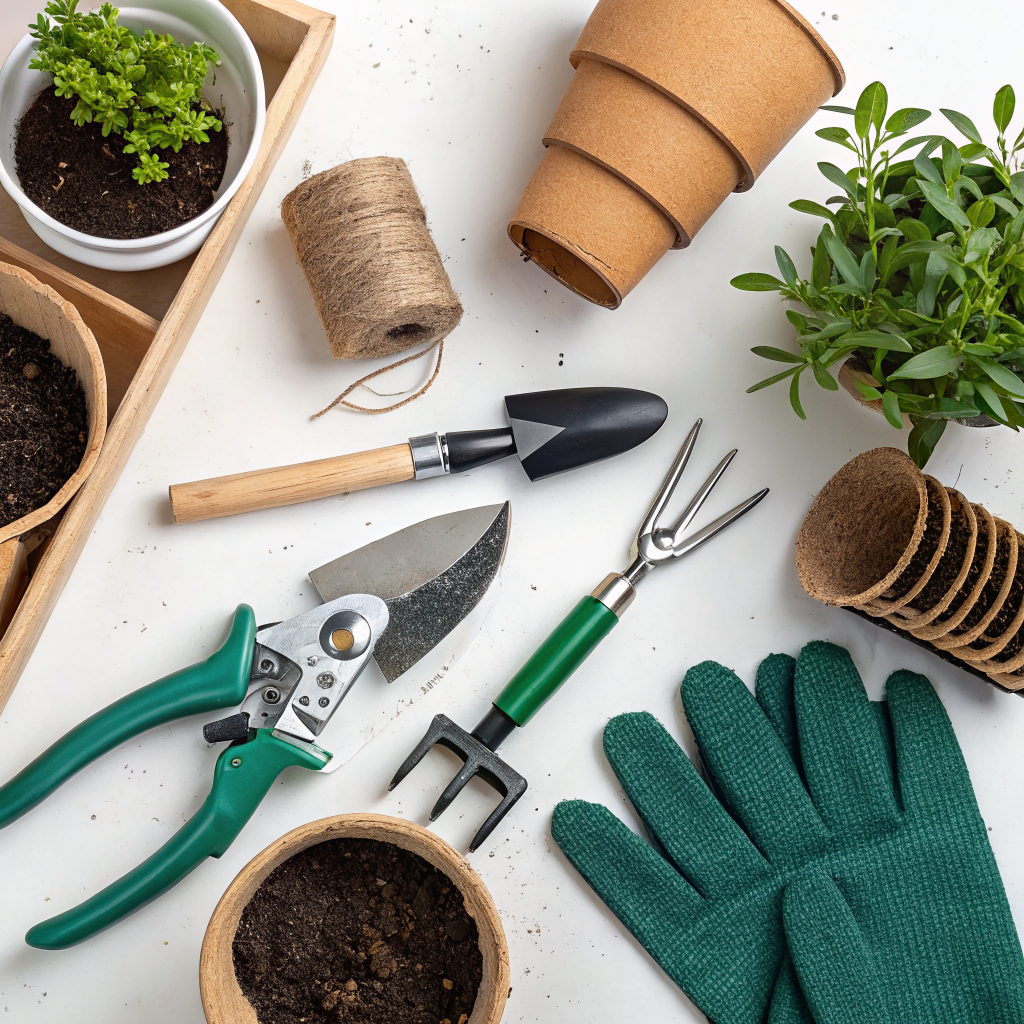
Essential Tools & Materials:
- Gardening Gloves: Protect your hands during planting and weeding.
- Small Trowel or Hand Cultivator: For digging holes and preparing soil.
- Watering Can or Hose: Essential for consistent moisture.
- Compost or Organic Fertilizer: To enrich your soil and give all plants a good start.
- Mulch (optional but recommended): Helps retain moisture and suppress weeds around your plants.
- Plant Markers: To keep track of what you’ve planted where.
Key Tomato Companion Plants to Consider:
- Herbs: Basil (sweet and lemon), Oregano, Chives, Mint (in containers), Parsley, Borage, Marigolds (French and African).
- Flowers: Nasturtiums, Sunflowers (for shade/support), Calendula.
- Vegetables: Carrots, Onions, Lettuce, Spinach, Bush Beans, Peppers.
- Other: Comfrey.
Each of these plants brings unique benefits, from deterring specific pests to attracting pollinators, or even enhancing growth through nutrient cycling. We’ll explore their specific roles in detail.
Step-by-Step Guide: Integrating Companion Plants with Your Tomatoes
Successfully integrating companion plants with your tomatoes involves a bit of planning and thoughtful placement. Follow these steps to create a thriving, symbiotic garden space.
Step 1: Plan Your Layout and Choose Your Tomatoes
Before you even dig, decide where your tomatoes will go. Consider sunlight, spacing, and access for tending and harvesting. Choose tomato varieties that suit your climate and growing preferences.
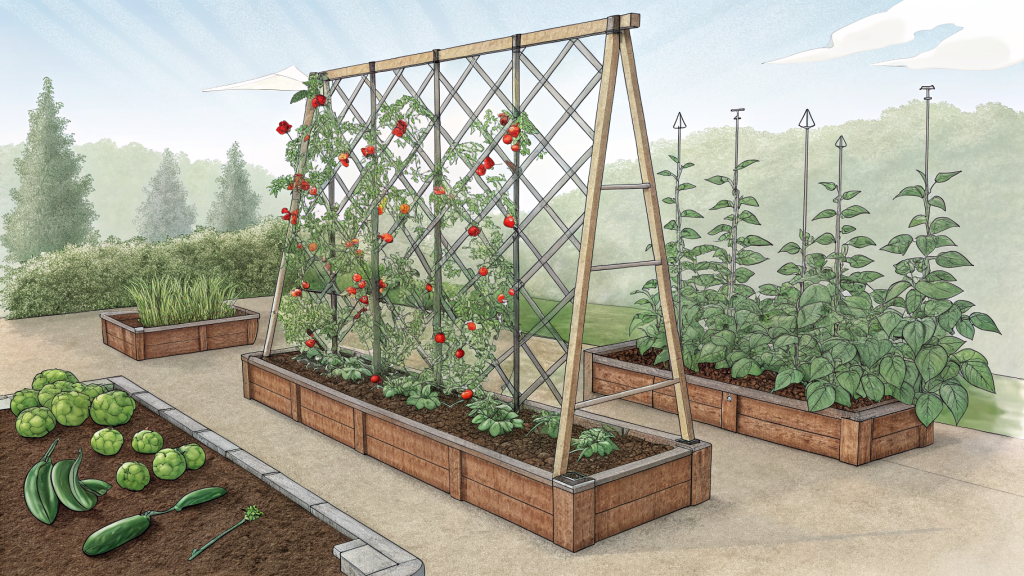
Research the mature size of your chosen tomato plants, especially if you’re growing indeterminate varieties that can get quite large. Sketch a rough garden plan, noting where each tomato plant will be located, and then identify the spaces around them for companion planting. This foresight will prevent overcrowding and ensure each plant has adequate space to flourish.
Step 2: Select Your Companion Plants Based on Desired Benefits
This is where the magic happens. Refer to the detailed list below and pick companion plants that address specific challenges in your garden. Do you have a history of hornworm infestations? Basil and Borage are your allies. Need more pollinators for better fruit set? Marigolds and Calendula will help.
Consider the needs of both the tomatoes and the companion plants. For example, sun-loving herbs will thrive beside sun-loving tomatoes, while shade-tolerant lettuce might do better on the shadier side of a tall tomato bush. Aim for a diverse selection to maximize the benefits.
Step 3: Prepare the Soil for All Plants
Healthy soil is the foundation of any successful garden. Amend your soil with generous amounts of compost or well-rotted manure before planting. This provides essential nutrients and improves soil structure, benefiting both your tomatoes and their companions.
Ensure the soil pH is suitable for tomatoes (slightly acidic to neutral, typically 6.0-6.8), as this will also be suitable for most of their beneficial companions. Good drainage is crucial; soggy soil can lead to root rot for many plants. For more insights on soil health, check out this great resource on beginner gardening tips.
Step 4: Plant Your Tomatoes and Their Companions Strategically
Once your tomato seedlings are ready for transplanting (usually after the last frost), plant them according to recommended spacing. Then, carefully plant your chosen companions around them.
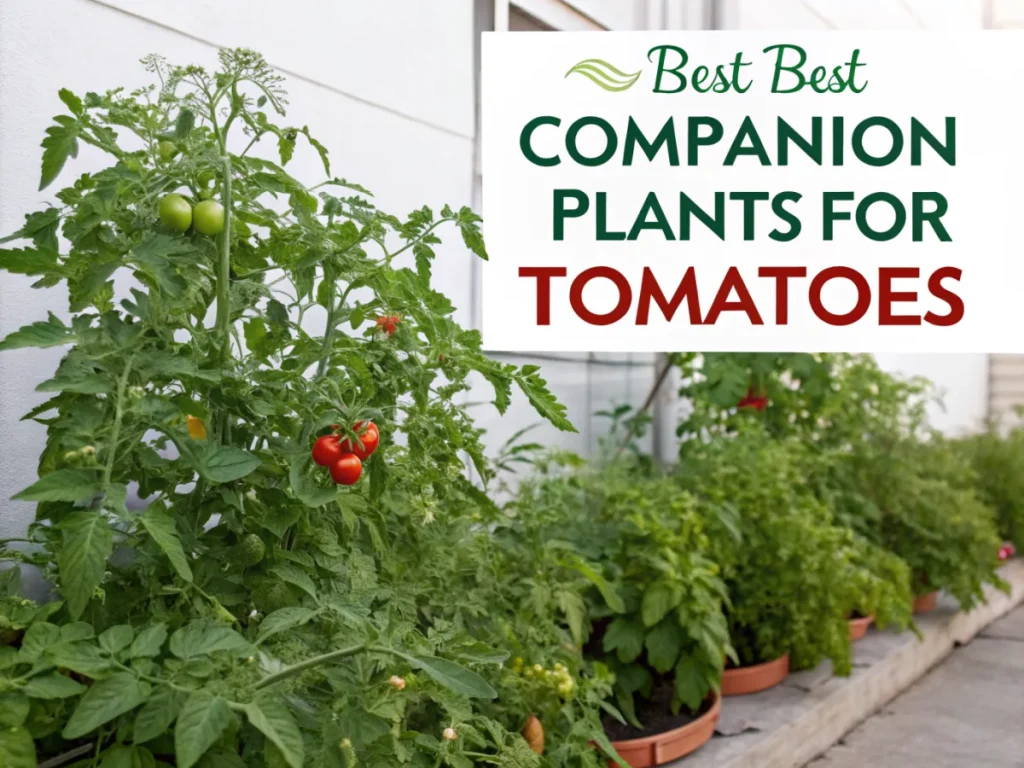
- Basil: Plant sweet basil close to the base of tomato plants; lemon basil can also be used. A good rule of thumb is one basil plant per tomato plant, or in small clusters.
- Marigolds (French): Scatter French marigolds throughout your tomato rows or along the borders. African marigolds are great for nematodes but have a very strong smell; use them sparingly or at the ends of rows.
- Borage: Plant a few borage plants between your tomatoes. They can get large, so give them some space.
- Carrots/Onions: Plant these root vegetables a bit further away, perhaps between rows, to avoid competition for shallow root space directly under the tomatoes.
- Lettuce/Spinach: Plant in the partial shade provided by taller tomato plants, especially in hotter climates.
- Bush Beans: Plant bush beans a foot or so from tomato plants. Avoid pole beans, as their vigor might compete too much.
Consider the mature size and habit of each plant. Taller companions should be placed where they won’t overshadow smaller plants unless shade is specifically desired. For instance, growing herbs in small containers for easy patio access can also work well if space is an issue.
Step 5: Maintain and Observe Your Companion Garden
After planting, consistent care is vital. Water regularly, especially during dry spells, ensuring deep watering that reaches all root systems. Mulch can be applied around plants to conserve moisture and suppress weeds. Regularly observe your garden for signs of pests or disease. The beauty of companion planting is that it often addresses these issues before they become severe.
Deadhead flowers like marigolds and calendula to encourage continuous blooming, which extends their pest-repelling and pollinator-attracting benefits. Harvest herbs and vegetables as needed, which also promotes vigorous growth. Remember, gardening is an ongoing learning process, and observation is your best tool for success.
Pro Tips and Common Mistakes to Avoid
Even with the best intentions, some pitfalls can hinder your companion planting success. Heed these pro tips and learn from common mistakes to maximize your efforts.
Pro Tips for Maximizing Benefits:
- Diversity is Key: Don’t just plant one type of beneficial companion. A variety of deterrents and attractants creates a more robust defense system and a healthier ecosystem. Think of it as a diversified investment for your garden.
- Succession Planting: For annual companions like basil or marigolds, plant them at intervals throughout the season. This ensures a continuous supply of aromatic oils, nectar, and pollen, providing uninterrupted protection and attraction.
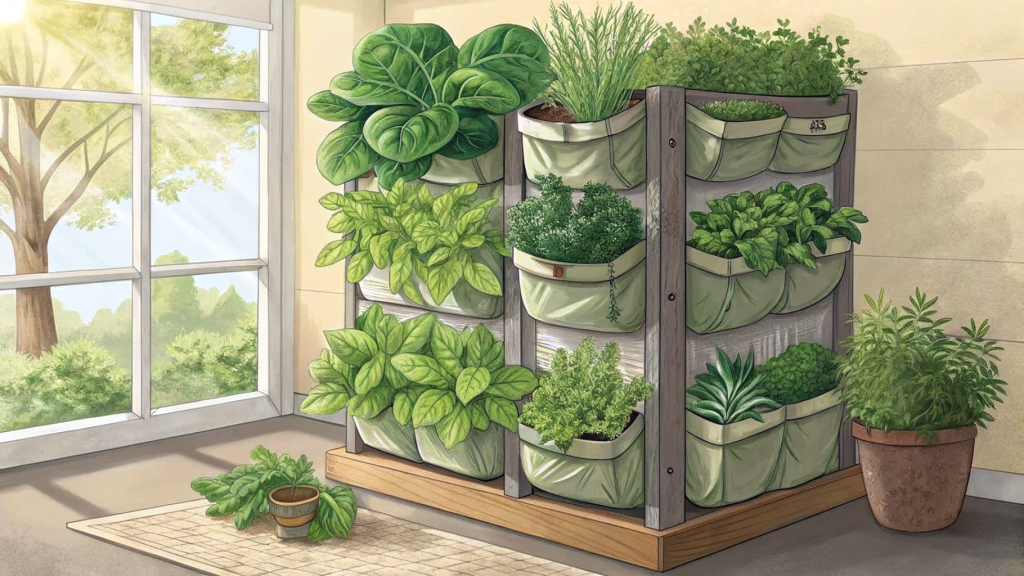
- Container Companions: If garden space is limited, grow certain companions like mint or even some herbs in containers placed strategically around your tomato beds. This also helps control aggressive spreaders like mint.
- Observe and Adapt: Every garden is unique. Pay close attention to what works well in your specific microclimate and soil conditions. If a particular companion isn’t performing as expected, don’t hesitate to try something new next season.
- Focus on Plant Health: Healthy, vigorous plants are naturally more resistant to pests and diseases. Ensure proper watering, adequate nutrients, and good air circulation for all your plants. Companion planting supports, but does not replace, good gardening practices.
Common Mistakes to Avoid:
- Overcrowding: Planting too many companions too close to your tomatoes (or each other) can lead to competition for nutrients, water, and sunlight. This defeats the purpose of boosting growth. Always respect mature plant sizes.
- Planting Antagonistic Pairs: Not all plants are good neighbors. For example, Broccoli, Cabbage, and Kale (Brassicas) can stunt tomato growth. Fennel is also known to inhibit growth in many plants. Always check for known incompatible pairs.
- Ignoring Soil Needs: Assuming all plants have the same soil requirements is a mistake. While many companions share similar needs with tomatoes, some might prefer slightly different conditions. Ensure your overall soil health is paramount.
- Relying Solely on Companions: While highly effective, companion planting is one tool in your organic gardening arsenal. Continue to practice good garden hygiene, rotate crops, and manually remove pests if necessary.
- Planting Aggressive Spreaders Directly in Beds: Mint, for instance, is a fantastic companion for repelling pests but can quickly take over a garden bed. Always plant aggressive spreaders in pots or with root barriers.
Eco-Friendly Variations: Beyond Just Pest Control
The beauty of companion planting extends far beyond simple pest deterrence. By embracing eco-friendly variations, you can create a truly sustainable and self-sufficient garden ecosystem. This approach reduces your ecological footprint while enhancing the vitality of your plants.
Enhancing Soil Health and Nutrient Cycling:
- Legumes (Bush Beans): Bush beans are excellent nitrogen fixers. They host beneficial bacteria in their root nodules that convert atmospheric nitrogen into a form usable by plants, naturally enriching the soil around your tomatoes. This reduces the need for synthetic nitrogen fertilizers.
- Comfrey: While not a direct companion in the root zone, comfrey can be planted nearby and used as a “chop and drop” mulch. Its deep taproots draw up essential nutrients from deeper in the soil, making them available to shallower-rooted tomatoes as the leaves decompose. It’s a fantastic organic fertilizer source.
- Green Manure Crops: While tomatoes are growing elsewhere, consider planting green manure crops like clover or buckwheat in beds designated for next year’s tomatoes. These improve soil structure, add organic matter, and suppress weeds.
Eco-Tip: Building Living Pathways
Consider planting low-growing, non-competitive groundcovers or beneficial herbs like thyme between your tomato rows. These “living pathways” can suppress weeds, conserve soil moisture, and provide habitat for ground beetles that predate slugs and other pests.
Attracting Beneficial Wildlife:
- Diverse Flowers: Beyond marigolds and calendula, consider a wider array of pollinator-friendly flowers. Sunflowers, cosmos, zinnias, and even some native wildflowers will attract bees, butterflies, and other beneficial insects like ladybugs, lacewings, and hoverflies. Ladybugs and lacewing larvae are voracious aphid eaters, while hoverfly larvae prey on various soft-bodied pests.
- Water Source: A small bird bath or shallow dish of water with pebbles can attract birds and beneficial insects, encouraging them to linger in your garden and help with pest control.
- Brush Piles/Insect Hotels: For a truly wild approach, small piles of branches or dedicated “insect hotels” can provide overwintering habitats for beneficial insects, ensuring they return season after season.
Water Conservation Strategies:
- Strategic Mulching: Beyond basic mulch, consider using living mulches (as mentioned above) or thicker layers of organic materials around your tomato and companion plants. This significantly reduces water evaporation from the soil surface.
- Rainwater Harvesting: Integrate rainwater harvesting systems. Using rainwater for your garden reduces reliance on municipal water and can be better for your plants due to its natural pH and lack of chlorine. For more ways to conserve, check out garden irrigation system efficiency tips.
By thoughtfully integrating these eco-friendly variations, your companion planting strategy transforms into a powerful tool for creating a vibrant, productive, and truly sustainable garden sanctuary.
Seasonal Considerations: Timing is Everything
The success of companion planting for tomatoes isn’t just about what you plant, but also when and how you manage these plants throughout the growing season. Seasonal considerations play a crucial role in maximizing benefits.
Spring Planting and Initial Establishment:
- Early Companions: When you’re ready to plant out your tomato seedlings (after the last frost), consider planting early-season companions alongside them. Basil, marigolds, and calendula can be planted at the same time or shortly after your tomatoes.
- Cool-Season Companions: For companions like lettuce, spinach, and even some radishes, plant them in early spring. They’ll appreciate the cooler temperatures and can provide a quick harvest before the tomatoes grow large enough to shade them completely.
- Sowing Seeds vs. Transplants: Many herbs and flowers can be direct-sown from seed, while others might benefit from being started indoors as transplants to give them a head start, similar to your tomatoes.
Summer Growth and Maintenance:
- Consistent Watering: As temperatures rise, all your plants will require consistent watering. Keep the soil evenly moist, especially for tomatoes nearing fruiting. Companions can help retain moisture, but they still need water.
- Pest Watch: The summer months often bring peak pest activity. Remain vigilant. Your companion plants will be working hard to deter pests and attract beneficials, but it’s important to monitor. Look for chewed leaves, sticky residues, or visible pests.
- Succession Planting (continued): Continue to succession plant annual companions like basil. As older plants go to seed or become leggy, replace them with fresh plantings to ensure continuous pest deterrence and flavor enhancement.
- Harvesting Companions: Regularly harvest herbs and flowers. This not only provides you with fresh produce but also encourages bushier growth and more blooms, extending their beneficial effects. For example, pinching back basil encourages more leaf production.
Fall Transition and End of Season:
- Extending the Season: Some companion plants, like robust marigolds or borage, may continue to flower well into the fall, providing ongoing benefits as your tomatoes ripen their last fruits.
- Soil Preparation for Next Year: As the season winds down, consider planting cover crops or adding compost to beds where your tomatoes and companions grew. This replenishes nutrients and improves soil structure for the following year, setting the stage for future successful companion planting.
- Seed Saving: Collect seeds from your favorite marigolds, calendula, or basil to plant next season, contributing to the self-sustainability of your garden.
By tailoring your companion planting strategies to the specific demands of each season, you’ll ensure your tomato plants receive continuous support and protection, leading to an even more abundant and healthier harvest.
Expert Resources: Deepening Your Companion Planting Knowledge
While this guide provides a fantastic foundation, the world of companion planting is vast and ever-evolving. Consulting expert resources can further enhance your understanding and success.
- Gardening Know How: This comprehensive online resource offers a wealth of articles on various gardening topics, including in-depth information on companion planting. Their articles are usually well-researched and practical for home gardeners. Explore their insights on tomato companion plants here.
- Royal Horticultural Society (RHS): As one of the world’s leading horticultural organizations, the RHS provides authoritative advice on all aspects of gardening. Their site offers scientific backing and practical tips for successful plant pairings, often focusing on biodiversity and ecological balance. Delve into RHS advice on companion planting.
- University Extension Programs (e.g., University of Minnesota Extension): Agricultural extension services, often affiliated with state universities, provide localized, research-based information tailored to specific regions and climates. These resources are invaluable for understanding how companion planting strategies perform in your area. Find research-backed gardening advice from the University of Minnesota Extension.
These resources offer credible, science-backed information that can help you troubleshoot issues, discover new companion pairings, and continually refine your gardening practices. Always cross-reference information from multiple reliable sources to get a comprehensive understanding.
Conclusion: Cultivating Success with Companion Plants Tomatoes
Embracing the art and science of companion planting for your tomatoes is a journey towards a more vibrant, resilient, and productive garden. By strategically integrating beneficial herbs, flowers, and vegetables, you move beyond mere cultivation to creating a harmonious ecosystem. This method empowers you to deter pests naturally, attract beneficial pollinators, improve soil health, and potentially enhance the flavor of your harvest, all while reducing dependence on synthetic chemicals.
Remember, gardening is an iterative process of learning and observation. Start small, experiment with a few key companions, and meticulously observe the results. Each season offers new insights and opportunities to refine your approach. With the practical knowledge and actionable steps provided in this guide, you are well-equipped to cultivate not just tomatoes, but a thriving, balanced, and truly sustainable garden that will reward you with bountiful harvests for years to come. Happy planting!
FAQ: Companion Plants for Tomatoes
<h4>Q1: Can planting basil too close to tomatoes really improve their flavor?</h4>
<p>A1: Many gardeners swear by the flavor-enhancing properties of basil when planted near tomatoes, particularly sweet basil. While scientific evidence is largely anecdotal, the strong aromatic compounds in basil are believed by some to contribute to a richer flavor profile in tomatoes. Even if the flavor boost is subtle, basil offers excellent pest deterrence against flies and hornworms, making it a valuable companion regardless.</p>

<h4>Q2: What plants should absolutely NOT be planted near tomatoes?</h4>
<p>A2: Certain plants are known "antagonists" to tomatoes and should be avoided. The most common examples include members of the Brassica family (broccoli, cabbage, kale, Brussels sprouts), corn, and fennel. Brassicas can stunt tomato growth, while corn attracts pests like corn earworms which can also target tomatoes. Fennel is generally thought to inhibit the growth of many surrounding plants. Rosemary can also sometimes inhibit tomato growth, so it's best to place it a little further away.</p>

<h4>Q3: How many companion plants should I plant per tomato plant?</h4>
<p>A3: The ideal number depends on the specific companion plant and its mature size. For small herbs like basil, one plant per tomato or a small cluster planted near the base is generally effective. For larger plants like borage or taller marigolds, one plant every few feet or for every 2-3 tomato plants might suffice. The goal is to provide benefits without overcrowding or creating excessive competition for resources. Observe your plants and adjust spacing as needed.</p>

<h4>Q4: Do companion plants help with common tomato diseases like blight?</h4>
<p>A4: While companion plants are excellent for pest deterrence and enhancing overall plant vigor, their direct impact on fungal or bacterial diseases like blight is limited. Good air circulation (which companion plants, if too numerous, can sometimes hinder), proper watering, crop rotation, and disease-resistant varieties are more effective strategies for managing blight. However, a healthier, less-stressed tomato plant due to companion planting might have a slightly stronger natural defense mechanism against diseases.</p>