The Ultimate 10-Step Guide to Build a Bamboo Trellis for Your Garden
Are you looking for a sustainable, beautiful, and highly functional way to support your climbing plants? Learning how to build a bamboo trellis for your garden is an incredibly rewarding DIY project that combines practicality with eco-conscious gardening. Bamboo trellises offer unmatched versatility, strength, and a natural aesthetic that seamlessly blends into any garden landscape.
This comprehensive guide will walk you through every step of constructing your own sturdy and attractive bamboo trellis, ensuring your peas, cucumbers, beans, tomatoes, and ornamental vines have the perfect structure to thrive. From gathering your materials to applying finishing touches, we’ll cover everything you need to know to create a lasting addition to your garden.
[lwptoc]
Why This Matters for Your Garden: The Undeniable Benefits of a Bamboo Trellis
Incorporating a well-built bamboo trellis into your garden offers a myriad of advantages that extend far beyond simple plant support. Understanding these benefits can motivate you to undertake this rewarding DIY project for sustainable garden design.
Firstly, bamboo is an incredibly sustainable material. It’s one of the fastest-growing plants on Earth, replenishing itself quickly without significant environmental impact. Unlike treated lumber or plastic trellises, bamboo breaks down naturally at the end of its life cycle, returning nutrients to the soil and contributing to a closed-loop system.
Secondly, the natural strength-to-weight ratio of bamboo is exceptional. Its hollow, fibrous structure makes it surprisingly robust yet lightweight, capable of supporting heavy loads of fruit-laden vines without bending or breaking. This durability translates into a long-lasting trellis that can withstand various weather conditions, from strong winds to heavy rain, especially when properly constructed.
Aesthetically, bamboo trellises bring a unique rustic charm and organic beauty to any garden. Their warm, natural tones and slender forms enhance the visual appeal of climbing plants, creating a stunning backdrop that synthetic materials simply cannot replicate. They can transform a simple vegetable patch into a picturesque cottage garden or add an exotic touch to an otherwise ordinary space.
Functionally, horizontal and vertical support promotes better air circulation around your plants, which is crucial for preventing fungal diseases like powdery mildew. Keeping fruits and vegetables off the ground also reduces the risk of pest damage from slugs, snails, and other soil-dwelling insects. Furthermore, growing plants vertically maximizes garden space, allowing you to cultivate more produce in smaller areas, a significant advantage for urban gardeners or those with limited room.
Finally, building a bamboo trellis empowers you as a gardener. It’s a hands-on project that fosters a deeper connection to your garden and allows for customization that suits your specific plants and aesthetic preferences. This sense of accomplishment, combined with the practical benefits, makes constructing a bamboo trellis an invaluable addition to your gardening repertoire.
What You Need: Tools, Materials, and Ideal Plants for Your Bamboo Trellis
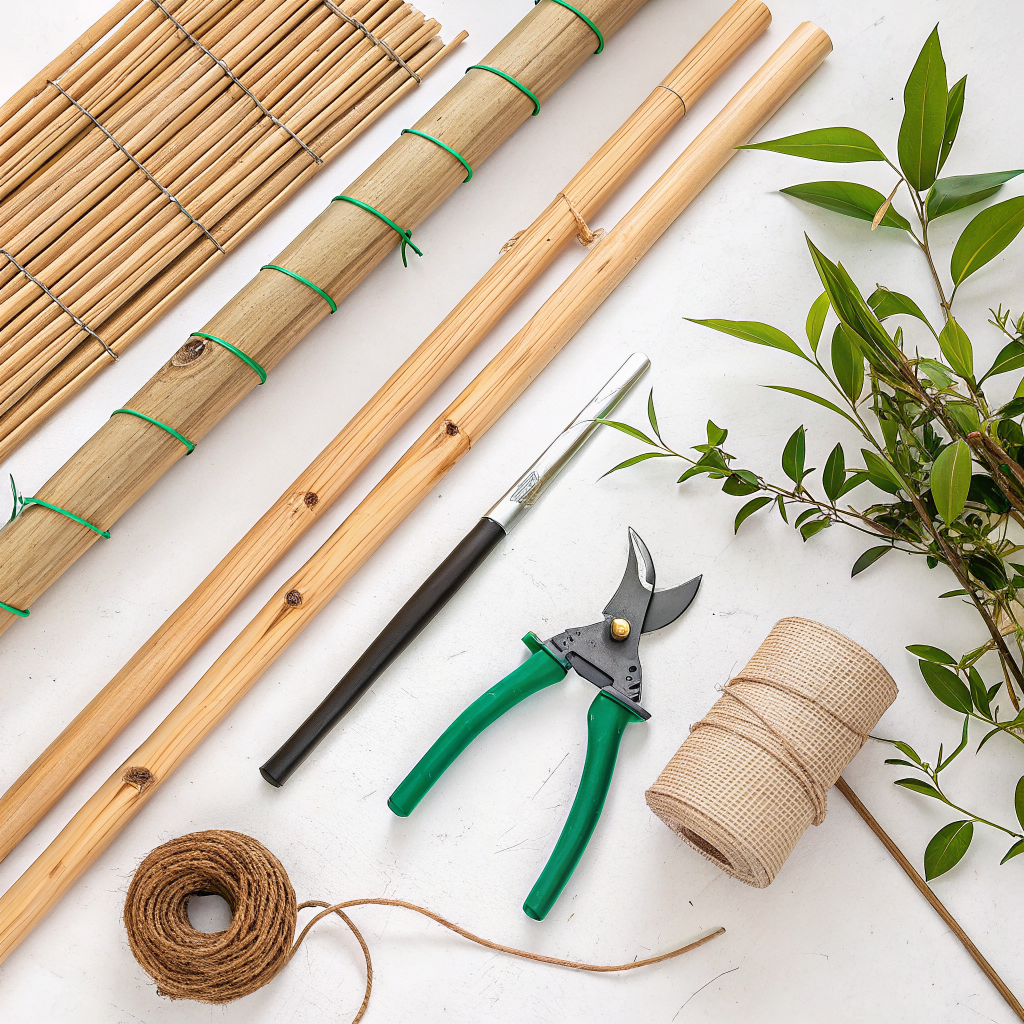
Before you embark on your journey to build a bamboo trellis, gathering all the necessary tools and materials will ensure a smooth and efficient construction process. Choosing the right components is crucial for both the longevity and functionality of your finished trellis.
Essential Tools:
- Pruning Shears or Loppers: For cutting smaller bamboo pieces or trimming twine.
- Hand Saw or Miter Saw: For more precise and clean cuts on thicker bamboo poles. A Japanese pull saw works exceptionally well for bamboo.
- Measuring Tape: Accuracy is key for a well-proportioned trellis.
- Marker or Pencil: To mark cutting points on the bamboo.
- Gloves: To protect your hands from splinters or rough edges of bamboo.
- Work Surface: A stable area to cut and assemble your trellis.
- Drill with a small bit (optional): For pre-drilling holes if you plan to use screws or bolts for extra reinforcement, though traditional lashing is usually sufficient.
- Level (optional): To ensure your trellis is perfectly upright.
Required Materials:
- Bamboo Poles: This is the star of your project.
- Main Support Poles: Select sturdy, thick bamboo poles (1-1.5 inches in diameter, 6-8 feet long) for the primary vertical and horizontal structures. Ensure they are dry and free from significant cracks.
- Lighter Poles/Cross Members: Thinner poles (0.5-1 inch in diameter, varying lengths) will be used for the internal lattice work where plants will grip.
- Source: You can purchase bamboo from garden centers, specialty lumber yards, or online. If you are lucky enough to have a bamboo grove, ensure you harvest ethically and properly cure the poles before use.
- Natural Twine or Jute Rope: Strong, biodegradable, and provides a good grip. Look for thick, durable twine that won’t fray easily. Sisal or hemp rope are also excellent choices. About 50-100 feet should be ample.
- Zip Ties (optional, for temporary holding): These can be helpful for holding pieces in place while you apply the twine lashings. Make sure to remove them once the lashing is secured.
- Stakes or Rebar (optional, for extra stability): If building a very tall or heavy-duty trellis, or placing it in a windy area, driving rebar into the ground and sliding the bamboo poles over them offers superior stability.
Ideal Plants for Your Bamboo Trellis:
Bamboo trellises are incredibly versatile and can support a wide range of climbing plants, both edible and ornamental. Consider the mature size and climbing habit of your plants when designing your trellis.
- Vegetables:
- Cucumbers: Especially long vining varieties.
- Pole Beans: Many varieties thrive on vertical support.
- Peas: Both shelling and snap peas.
- Tomatoes: Indeterminate varieties particularly benefit from strong trellising to keep fruit off the ground.
- Squash/Melons: Smaller, lighter varieties can be trellised, but larger fruits may need individual slings for support as they grow.
- Fruits:
- Small Grapes: Can be trained along a trellis.
- Vining Berries: Such as certain raspberry or blackberry varieties.
- Ornamental Plants:
- Morning Glories: Fast-growing and beautiful.
- Sweet Peas: Fragrant and charming.
- Climbing Roses: Many varieties benefit from strong support.
- Clematis: Can be absolutely stunning on a trellis.
- Honeysuckle: Provides beautiful flowers and attracts pollinators.
Ensure the trellis design matches the climbing method of your plant. Twining plants and tendrils will readily grip. Heavier plants like tomatoes will need additional clipping or weaving through the trellis structure.
Step-by-Step Guide: How to Build a Bamboo Trellis for Your Garden
Building a bamboo trellis is a rewarding project that can significantly improve your garden’s functionality and aesthetics. Follow these detailed steps to construct a durable and beautiful trellis.
Step 1: Plan Your Trellis Design and Dimensions
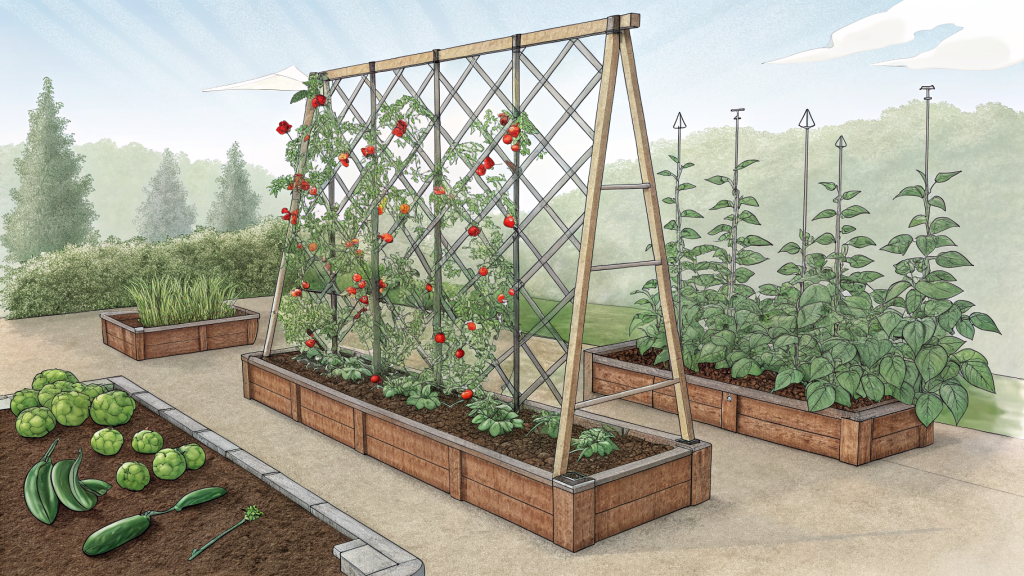
Before making any cuts, visualize your trellis. Consider the space available in your garden and the type of plants you intend to grow. For pole beans or cucumbers, a simple A-frame or ladder design often works best. For tomatoes, a more robust cage-like structure might be preferable, or a wider A-frame providing more vertical support. Determine the desired height and width of your trellis.
Draw a simple sketch to map out the placement of your main support poles and cross-members. This planning stage is crucial to minimize waste and ensure your final product meets your needs. Remember to account for the portion of the poles that will be buried in the ground for stability (typically 1-2 feet).
Step 2: Cut Your Bamboo Poles to Size
Using your measured plan, carefully cut your bamboo poles. For the main vertical supports, you’ll need the longest, thickest poles. For an A-frame, you’ll need two sets of equal length for each side. For horizontal cross-members, cut poles to the desired width of your trellis. Lighter, thinner poles will be used for the internal lattice structure.
Always measure twice and cut once. Use a hand saw or miter saw for clean cuts. If using a hand saw, support the bamboo firmly to prevent splintering.
Step 3: Assemble the Main Frame (Either A-Frame or Ladder)
This step establishes the primary structure of your trellis. For an A-frame design, lay two of your longest poles on the ground, forming an ‘A’ shape. Overlap the tops by about 6-12 inches, depending on the desired angle and stability. Secure this joint with strong lashing twine using a square lashing or tripod lashing technique (see Step 4 for lashing details). Repeat for the second ‘A’ side.
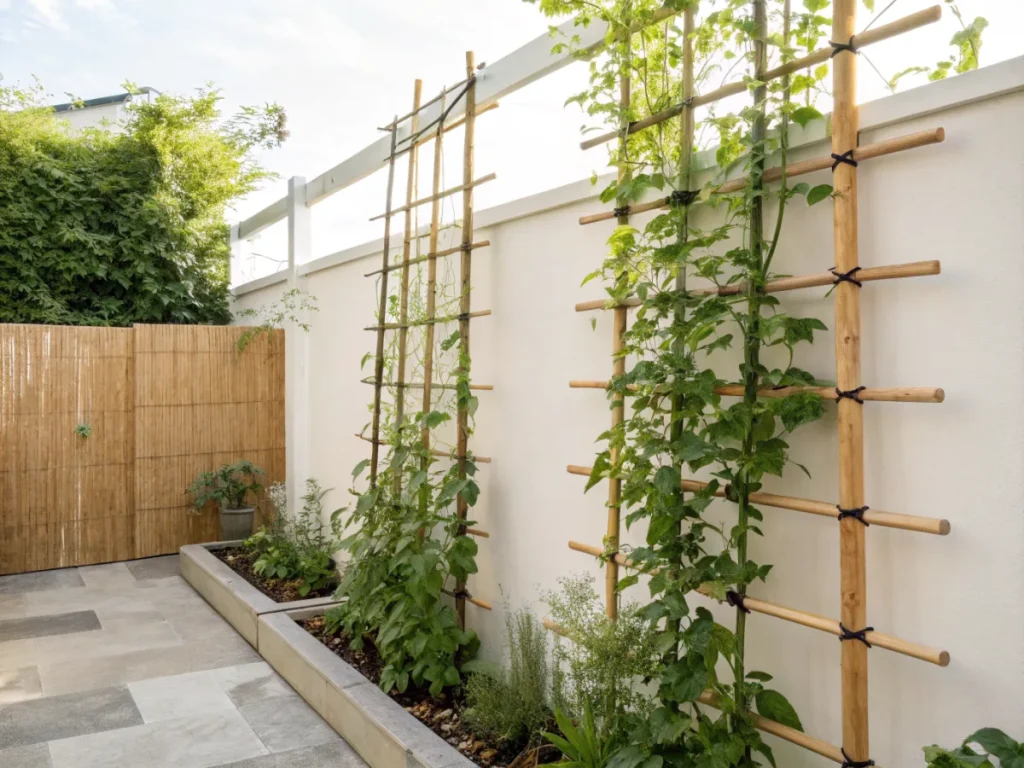
For a ladder-style trellis, you’ll typically have two main vertical posts. Connect these with several horizontal cross-members, ensuring they are evenly spaced. This creates a strong, flat plane for plants to climb.
Step 4: Master the Art of Lashing with Twine
Lashing is the traditional and most effective way to join bamboo poles without drilling, preserving their strength and natural aesthetic. The square lashing and tripod lashing are excellent choices.
Square Lashing:
- Start with a clove hitch on one pole, ensuring a long tail.
- Wrap the twine repeatedly (3-4 times) around both poles where they intersect, keeping the wraps tight and neat.
- Take the twine perpendicular to your initial wraps and bind (frap) through the intersection of your first wraps (3-4 times). This tightens the lashing.
- Finish with another clove hitch on the opposite pole or by tucking the end securely under a wrap.
Step 5: Incorporate Cross-Members and a Lattice Structure
Once your main frame is stable, begin adding horizontal and diagonal cross-members using your thinner bamboo poles. For an A-frame, connect the two ‘A’ sides with horizontal poles spaced every 12-18 inches from the bottom up. This provides the internal structure for plants to climb and stabilizes the entire trellis. For a ladder, continue adding horizontal rungs.
Depending on your plant type, you can also add diagonal pieces to create a diamond “lattice” pattern within the frame. This gives climbing plants more gripping points. Use the same lashing techniques to secure all these connections. Ensure the spacing is appropriate for your specific plants – wider spacing for thick-stemmed plants, narrower for tendril-climbers.
Step 6: Ensure Stability and Grounding
This is a critical step for the longevity and safety of your trellis. Dig holes for the main support poles (1-2 feet deep, depending on the trellis height and soil type). For an A-frame, you’ll need two sets of holes angled slightly towards each other. For a ladder, two vertical holes.
Place the trellis into the holes and backfill with soil, tamping it down firmly as you go. You can add a layer of gravel at the bottom of the holes for drainage and extra stability. For even greater stability, especially in windy areas or for very heavy plants, drive short pieces of rebar into the ground before placing the bamboo poles over them. This prevents the bamboo from rocking or shifting.
Step 7: Check for Level and Adjust
Once your trellis is in the ground and partially backfilled, use a level to ensure it’s standing straight. Minor adjustments can be made by shifting the poles or adding/removing soil around the base. A level trellis not only looks better but also distributes weight more evenly, extending its lifespan.
Step 8: Reinforce and Refine All Lashings
Go back over all your lashed joints. Give them a final pull to tighten any slack twine. Add extra wraps or knots where necessary to ensure every connection is rock solid. Periodically check these lashings throughout the growing season, especially after heavy rains or strong winds, as natural twine can sometimes stretch.
Step 9: Consider a Protective Finish (Optional but Recommended)
While bamboo is naturally durable, applying a protective finish can extend its lifespan, especially in harsh climates. A marine-grade spar varnish or a penetrating oil designed for outdoor wood can protect against UV degradation and moisture. This step is optional but highly recommended if you want your trellis to last for many years. Ensure the product is non-toxic if you are growing edible plants.
Step 10: Plant Your Climbers and Enjoy!
With your beautiful and sturdy bamboo trellis complete, it’s time for the most satisfying part: planting! Gently guide the initial tendrils or shoots of your climbing plants onto the trellis structure. As they grow, periodically train them by weaving them through the lattice or loosely tying them with soft cloth strips.
Step back and admire your handiwork. You’ve not only provided essential support for your plants but also added a touch of natural elegance to your garden through a commitment to sustainable DIY projects. Your garden will thank you!
Pro Tips and Common Mistakes to Avoid When Building a Bamboo Trellis
Building a functional and long-lasting bamboo trellis is an art as much as a science. Learning from experienced builders and understanding potential pitfalls can save you time, effort, and future frustration. Here are some pro tips to enhance your build and common mistakes to actively avoid.
Pro Tips for a Superior Bamboo Trellis:
- Source Quality Bamboo: Always inspect your bamboo poles for cracks, excessive splitting, or signs of insect damage. Matured, thick-walled bamboo will last significantly longer. Green bamboo will shrink and split as it dries, weakening your trellis. Always use cured, dry poles.
- Vary Pole Diameters: Use thicker, stronger poles for the main structural elements (vertical supports, main horizontal bars) and thinner poles for the internal lattice work. This optimizes strength where needed and reduces overall weight, creating a more balanced design.
- Mind the Nodes: When cutting bamboo, try to cut just above a node (the raised ring on the bamboo). This helps to seal the hollow chamber, preventing water ingress and reducing the likelihood of pests nesting inside.
- Use a Burnishing Tool (or a stout stick): After applying your lashings, use a small, smooth, hard object (like a sturdy stick or the back of a screwdriver handle) to rub and compress the twine. This helps to further tighten the knot and can slightly ‘burnish’ the bamboo surface, making the lashing more secure.
- Angle the Feet: For an A-frame or tripod trellis, consider cutting the bottom of the vertical poles at an angle so they sit flush against the ground, providing better contact and stability.
- Pre-Drill Small Pilot Holes (Optional for Specific Joints): While lashing is primary, if you are making a very specific, rigid joint or want to add a long-lasting bolt for ultimate strength (e.g., at the apex of a large A-frame), pre-drilling small pilot holes slightly smaller than your screw/bolt diameter can prevent splitting. This is rarely necessary for typical garden trellises but can be useful for heavy-duty applications.
- Consider a Base Plate or Shoes: To prevent bamboo poles from sinking into soft soil over time, you can attach a pressure-treated wood block or use bamboo “shoes” (larger diameter bamboo sections) at the bottom of your main vertical poles. This distributes the weight more broadly.
- Regular Maintenance: Periodically check your lashings throughout the growing season, especially after heavy rains or high winds. Retighten any loose knots and replace frayed twine promptly. Applying a fresh coat of sealant every 1-2 years can also prolong the life of your trellis.
Common Mistakes to Avoid:
- Using Green Bamboo: As mentioned, green bamboo will dry, shrink, and likely crack and split, leading to a weak and short-lived trellis. Always use well-cured, dry bamboo.
- Loose Lashings: The most common mistake. If your lashings aren’t pulled incredibly tight, they will slacken, and your trellis will become wobbly and unstable. Practice your knots until they are firm.
- Insufficient Grounding: Not burying your main support poles deep enough or failing to provide additional stability (like rebar stakes) will result in a trellis that topples over in wind or under the weight of mature plants. Aim for at least 1 foot, preferably 1.5-2 feet, depending on trellis height and soil type.
- Over-Complicating the Design: While creative designs are fun, for basic plant support, a simple A-frame or ladder structure is often the most effective and easiest to build. Unnecessary complexity can introduce weak points.
- Ignoring Plant Growth Habits: Ensure the spacing of your cross-members is appropriate for the plants you’re growing. Too wide, and tendril climbers won’t find enough grip. Too narrow, and thick-stemmed plants might struggle to weave through.
- Using Synthetic Rope for Lashing: While strong, synthetic ropes (like nylon or polypropylene) can be incredibly slick and hard to get as tight as natural fibers. They also degrade into microplastics. Natural twine (jute, sisal, hemp) swells slightly when wet, creating a tighter, more secure bond and is fully biodegradable.
- Placing Too Close to Walls or Fences: Your trellis needs good air circulation. Placing it too close to a solid structure can restrict airflow, increasing the risk of fungal diseases for your plants.
Eco-Friendly Variations for Your Bamboo Trellis
Embracing eco-friendly practices in the garden extends beyond just growing organic produce; it also involves the materials and methods used in construction. Your bamboo trellis is an excellent opportunity to further commit to sustainability.
- Harvesting Your Own Bamboo: If you have access to a bamboo grove (or know someone who does), harvesting your own bamboo is the ultimate eco-friendly choice. Ensure you research proper harvesting techniques to maintain the health of the grove and cure the poles adequately before use. This drastically reduces transportation emissions and packaging waste.
- Using Reclaimed or Salvaged Bamboo: Look for opportunities to acquire reclaimed bamboo. Old garden stakes, discarded fencing, or even furniture frames can be repurposed into trellis components. Creativity in sourcing materials reduces waste and gives new life to existing resources. Check local classifieds or community garden groups.
- Natural Dyestuffs (Optional): If you desire a specific color or finish but want to avoid synthetic stains, explore natural dyes. While less common for outdoor structures due to weathering, some natural pigments can create interesting effects. Earth pigments mixed with natural oils could offer a subtle tint.
- Plant-Based Adhesives (for complex joints): For situations where you might be tempted to use glues (though lashing is usually sufficient), explore plant-based or low-VOC (Volatile Organic Compound) adhesives. These are typically made from natural resins and oils, reducing chemical exposure and environmental impact. Ensure they are water-resistant for outdoor use.
- Composting Old Trellises: When your bamboo trellis eventually reaches the end of its life (which can be many years if well-maintained), ensure it’s properly composted. Bamboo breaks down naturally and returns valuable organic matter to your soil, completing the sustainable cycle. Avoid letting it go to a landfill.
- Encouraging Biodiversity: Design your trellis with features that can also attract beneficial insects. For example, leaving some hollow bamboo segments open as “bee hotels” for solitary bees (though place these strategically away from high-traffic plant areas). Consider how your trellis integrates into the broader ecosystem of your garden.
- Rainwater Harvesting Integration: For very large, permanent trellis structures, one could even envision collecting rainwater runoff from a protective cap at the apex, directing it towards the base of the thirsty climbing plants. This is a more advanced concept but illustrates the potential for integrated sustainable design.
Every small choice contributes to a more sustainable garden. By thinking consciously about the materials and methods involved in your bamboo trellis, you can create a truly guilt-free and environmentally responsible support system for your plants.
Seasonal Considerations for Your Bamboo Trellis
Understanding how your bamboo trellis will interact with the changing seasons is crucial for its longevity and your plants’ success. Proactive seasonal adjustments and maintenance will ensure your trellis remains a sturdy and reliable garden asset year after year.
Spring: The Time for Construction and Planting
- Construction: Spring is the ideal time to build your new bamboo trellis. The ground is typically softer from winter rains, making it easier to dig post holes.
- Planting: As soon as the danger of frost has passed, plant your climbing vegetables and ornamental vines. Guide their initial growth onto the trellis.
- Inspection: If you have an existing trellis, conduct a thorough inspection. Check all lashings, look for any signs of rot or insect damage, and reinforce as needed. This is a great time to apply a fresh coat of protective sealant if desired.
Summer: Supporting Growth and Monitoring
- Training Plants: Regularly guide your climbing plants as they grow. Weave tendrils through the lattice, or loosely tie heavier stems to the bamboo frame using soft ties (e.g., strips of old t-shirts, pantyhose). This prevents plants from becoming a chaotic tangle and ensures even distribution of weight.
- Weight Management: For heavy fruit-bearing plants (like large squash or melons), you may need to create slings (from old nylons or fabric strips) to support individual fruits and prevent them from pulling down the vines or breaking the trellis.
- Lashing Checks: The heat and moisture of summer can sometimes cause natural twine to stretch slightly. Periodically check lashings and tighten any that have become loose.
- Watering: Ensure adequate watering for plants growing on the trellis, especially during dry spells, as evaporation can be higher on trellised plants.
Autumn: Harvest, Cleanup, and Preparation for Winter
- Harvesting: Enjoy the bounty of your trellised plants! As plants finish producing, begin to prune back dead or diseased foliage.
- Disassembly (if applicable): If you built a modular or temporary trellis (e.g., an A-frame for annuals), you might choose to disassemble it. Clean the poles thoroughly to remove soil and plant debris. Store them in a dry, protected area (e.g., a shed or garage) to maximize their lifespan for next season.
- Permanent Trellises: For permanent structures, prune back dead annual growth from the trellis. Inspect the bamboo poles for any damage. Address any issues before winter sets in.
- Reinforce for Winter: If you live in an area with heavy snow or strong winter winds, add extra bracing or temporary supports to permanent trellises to prevent damage from ice and snow accumulation.
Winter: Protection and Planning
- Protection: If your permanent trellis is exposed to harsh winter elements, consider covering the base poles with mulch or a breathable fabric to protect against extreme cold and moisture. Remove any dead plant material that could harbor pests or diseases over winter.
- Planning: Use the quiet winter months to plan your next growing season. Consider what new climbing plants you want to grow and if your current trellis design needs any modifications or additions. This is a great time to sketch out new trellis ideas or source materials if you plan to build another.
By integrating these seasonal considerations into your gardening routine, you’ll extend the life of your bamboo trellis and ensure it provides optimal support for your plants year after year. A well-maintained trellis is a testament to sustainable and thoughtful gardening practices.
Expert Resources for Your Gardening Journey
To further enhance your understanding of gardening, plant support, and sustainable practices, here are some invaluable external resources from trusted horticultural organizations.
- Gardening Know How: Understanding Trellises for Gardens – This article offers a broad overview of different trellis types and their uses, providing context for why a bamboo trellis is such a great choice.
- Royal Horticultural Society (RHS): Trellis Ideas – The RHS provides excellent, expert advice on garden structures, including various trellis designs and considerations for integrating them into your garden layout.
- University of Minnesota Extension: Growing Vegetables at Home – A fantastic resource for specific plant care, including advice on trellising various common garden vegetables. Always check your local university extension for region-specific advice.
Conclusion
Learning how to build a bamboo trellis for your garden is more than just a DIY project; it’s an investment in sustainable gardening, stunning aesthetics, and bountiful harvests. By following this comprehensive guide, you’ve not only created a strong, natural support system for your climbing plants but also embraced an eco-conscious approach to gardening.
From sourcing sustainable bamboo to mastering the art of lashing, every step contributes to a durable and beautiful garden feature that will serve you for many seasons. The satisfaction of seeing your plants thrive on a structure you built with your own hands is truly unparalleled. So, gather your materials, get creative, and transform your garden with the timeless charm and practical strength of a bamboo trellis. Happy gardening!
FAQ: Building a Bamboo Trellis
Q1: How long does a bamboo trellis typically last in a garden?
A well-constructed bamboo trellis, made from cured poles and properly lashed with natural twine, can last anywhere from 3 to 7 years, sometimes even longer, especially if treated with a protective sealant. Factors like climate (high humidity, heavy rainfall), soil conditions, and sun exposure will influence its longevity. Regular inspection and maintenance (re-tightening lashings, re-applying sealant) can significantly extend its lifespan.
<h4>Q2: Can I use fresh, green bamboo for my trellis?</h4>
<p>It is strongly advised against using fresh, green bamboo for construction. Green bamboo contains a high moisture content and will shrink, crack, and split significantly as it dries, leading to a weak and unstable trellis. Always use bamboo that has been properly harvested and cured (dried) for several weeks to months. Cured bamboo is stronger, more stable, and less prone to pest infestation.</p>

<h4>Q3: What types of knots are best for lashing bamboo poles?</h4>
<p>The square lashing and tripod lashing are the most effective and commonly used knots for joining bamboo poles. A square lashing is used when two poles cross at a right angle, while a tripod lashing is excellent for securing three poles at an intersection (like building a tripod stand). Both methods involve tight wraps and frapping turns that secure the poles firmly. Practice these knots for maximum stability.</p>

<h4>Q4: How do I protect my bamboo trellis from pests or rot?</h4>
<p>To protect your bamboo trellis, especially use cured bamboo as green bamboo is more susceptible. Ensure good air circulation around the trellis and its base to prevent excessive moisture build-up, which can lead to rot. You can apply natural, non-toxic wood preservatives or marine-grade spar varnish to the poles to protect against moisture and UV damage. Placing the poles on a small stone or gravel base rather than directly in wet soil can also help to prevent rot at the ground line. Regularly inspect for signs of insect boring or fungal growth and address them promptly.</p>