The Ultimate Guide to Design a Cottage Garden from Scratch: 10 Steps to Abundant Beauty
Dreaming of a garden overflowing with charm, scent, and a riot of color? A cottage garden offers just that – a romantic, informal haven, brimming with life and a delightful sense of effortless beauty. While it might look spontaneous, designing a cottage garden from scratch requires thoughtful planning and a good understanding of layered planting and harmonious color palettes. This comprehensive guide will walk you through every step, helping you transform your outdoor space into a picturesque retreat, even if you’re starting with a bare patch of ground.
[lwptoc]
Why Designing a Cottage Garden from Scratch Matters for Your Outdoor Space
Creating a cottage garden isn’t just about aesthetics; it’s about fostering a vibrant ecosystem right outside your door. This style encourages biodiversity, attracting pollinators like bees and butterflies, which are essential for ecosystem health. Beyond its ecological benefits, a cottage garden provides a deeply satisfying connection to nature, offering a calming escape from modern life. It’s a space for relaxation, contemplation, and a continuous source of joy as you watch it evolve through the seasons.
Unlike formal gardens, the cottage style embraces a less structured approach, celebrating natural growth and a sense of happy chaos. This informality can be less intimidating for new gardeners, allowing for experimentation and a more forgiving design process. Furthermore, a well-designed cottage garden significantly enhances your home’s curb appeal, adding character and a timeless elegance that can increase property value.
What You Need to Design a Cottage Garden from Scratch
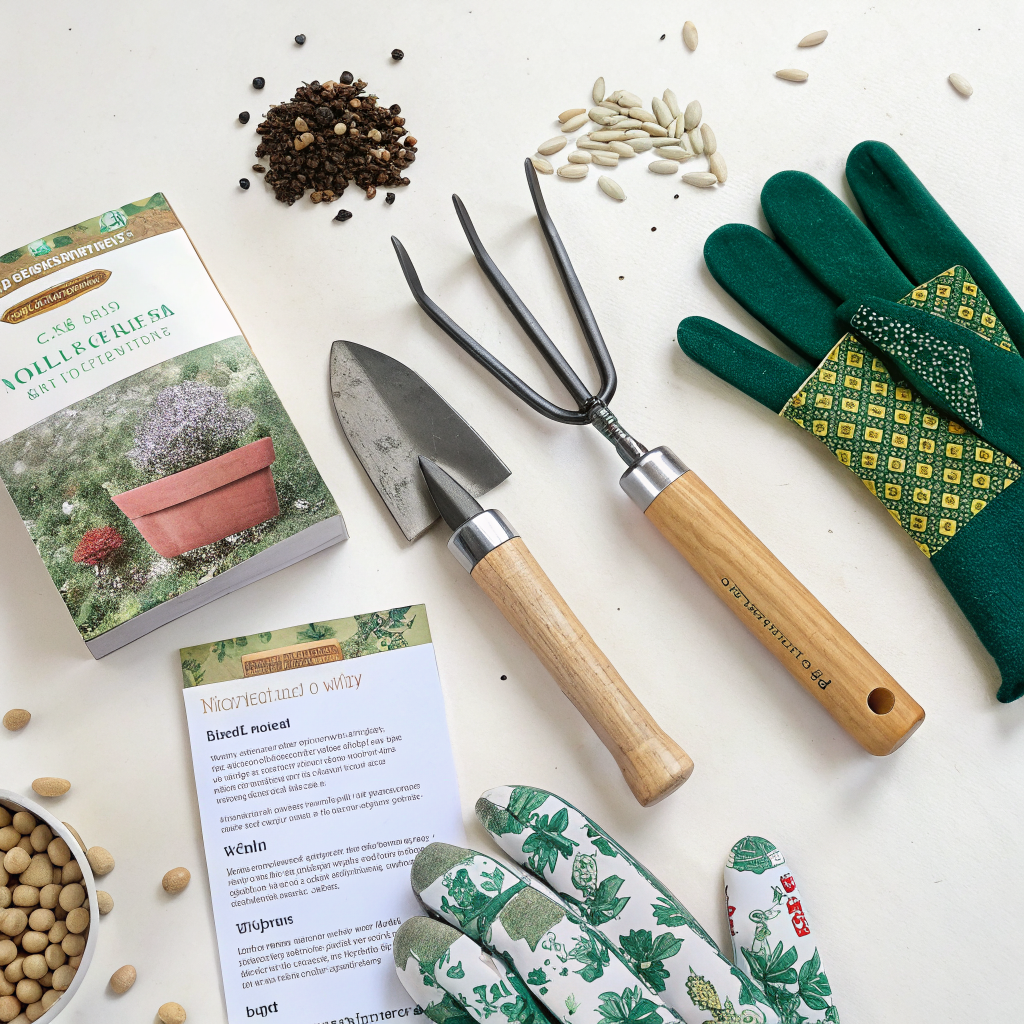
Before you dig in, gathering your tools and materials will ensure a smooth and enjoyable process. Having everything ready minimizes interruptions and allows you to focus on the creative aspects of your garden design.
Essential Tools:
- Shovel and Spade: For digging, turning soil, and planting.
- Hand Trowel: Ideal for smaller planting tasks and working in tight spaces.
- Garden Fork: For aerating soil and breaking up compacted areas.
- Rake: For leveling soil, clearing debris, and preparing seedbeds.
- Gloves: Protect your hands from dirt, thorns, and blisters.
- Wheelbarrow or Garden Cart: For moving soil, compost, and plants.
- Pruners/Shears: For deadheading, shaping plants, and light trimming.
- Watering Can or Hose with Sprayer: Essential for establishing new plants.
- Measuring Tape: For spacing plants and planning layouts.
Materials and Plants:
- Good Quality Compost or Organic Matter: To enrich your soil and improve drainage.
- Topsoil (if needed): To build up beds or amend poor quality soil.
- Mulch (e.g., wood chips, straw, shredded leaves): To suppress weeds, retain moisture, and regulate soil temperature.
- Edging Materials (optional): Bricks, stone, or timber for defining beds.
- Hardscaping Elements (optional): Stepping stones, a bench, an arbor, or a bird bath.
- A Diverse Selection of Plants:
- Trees and Shrubs: For structure, height, and year-round interest (e.g., Roses, Lilacs, Hydrangeas).
- Climbing Plants: For vertical appeal (e.g., Clematis, Wisteria, Rambling Roses).
- Perennials: The backbone of a cottage garden, returning year after year (e.g., Delphiniums, Foxgloves, Peonies, Lavender, Asters, Sages).
- Annuals and Biennials: For continuous color and filling gaps (e.g., Hollyhocks, Sweet Peas, Cosmos, Petunias, Poppies).
- Bulbs: For early spring and late summer displays (e.g., Daffodils, Tulips, Alliums, Crocus).
- Herbs and Edibles: Integrate chives, rosemary, thyme, calendula, or even small berry bushes.
- Seeds: An economical way to introduce many cottage garden favorites.
Step-by-Step Guide: How to Design a Cottage Garden from Scratch
Embarking on the creation of your cottage garden is an exciting journey. Follow these steps to lay a strong foundation for a garden that thrives and delights.
Step 1: Site Analysis and Soil Preparation
Understanding your site is the crucial first step. Observe your garden throughout the day to map out sun and shade patterns. Note down areas that receive full sun (6+ hours), partial sun (3-6 hours), and full shade (less than 3 hours). Full sun is ideal for most classic cottage garden flowers, but there are plenty of shade-loving options too.
Next, assess your soil. Poor soil is the most common reason for plant failure. Dig a small hole and examine its texture. Is it sandy, clay, or loamy? Regardless of type, almost all soils benefit from generous additions of organic matter like compost. This improves drainage in clay, boosts water retention in sand, and adds vital nutrients. Test your soil pH; most cottage plants prefer slightly acidic to neutral soil (6.0-7.0).
Good soil preparation means less ongoing maintenance and healthier plants. Double-digging or broadforking to loosen compacted soil, then working in 4-6 inches of compost, will give your new garden the best start. For more on soil health, visit extension.umn.edu/soil-and-water/soil-health.
Step 2: Define Your Design Style and Palette
Even a “wild” cottage garden benefits from a guiding vision. Decide on your preferred color palette – do you lean towards soft pastels, vibrant mixes, or a monochromatic theme? Research cottage garden examples for inspiration, paying attention to the feeling they evoke. Consider hardscaping elements like meandering paths, a seating area, or a charming gate; these provide structure and focal points.
Sketch your ideas on paper, marking existing features like trees, fences, or your house. Think about views from inside your home and how you want the garden to unfold as you walk through it. What do you want to see, smell, and experience? This planning phase is about dreaming big and establishing the overall mood.
Step 3: Select Your Plants Wisely
Plant selection is where the cottage garden truly comes alive. Choose plants known for their resilience, long blooming periods, and ability to self-seed without becoming aggressive. A mix of annuals, biennials, perennials, and shrubs ensures continuous interest. Always prioritize native plants where possible, as they are best adapted to your local climate and support local wildlife. Consider their mature size, light, and water needs.
Research plants suitable for your specific hardiness zone. Look for classic cottage garden staples such as roses, delphiniums, lavender, hollyhocks, phlox, foxgloves, and poppies. Don’t forget herbs like rosemary and thyme, which add fragrance and culinary value. Think about different bloom times to ensure something is always in flower. Explore lists of resilient garden plants for more ideas.
Step 4: Layering and Grouping for Depth
The hallmark of a charming cottage garden is its layered, abundant look. Plant tall varieties at the back of beds, medium-height plants in the middle, and shorter species or groundcovers at the front. However, it’s not a strict rule; allow some taller plants to “tumble” forward to soften edges and create that spontaneous feel. Plant in drifts or irregular groupings rather than neat rows to enhance the natural appearance.
Aim for intermingling textures and leaf shapes as much as color. For instance, the feathery foliage of a fern next to the bold leaves of a hosta creates visual interest even when plants aren’t in bloom. Don’t be afraid to plant them relatively close; the slight competition encourages them to reach for the light, creating a lush tapestry. This dense planting also helps suppress weeds.
Step 5: Incorporate Hardscaping and Focal Points
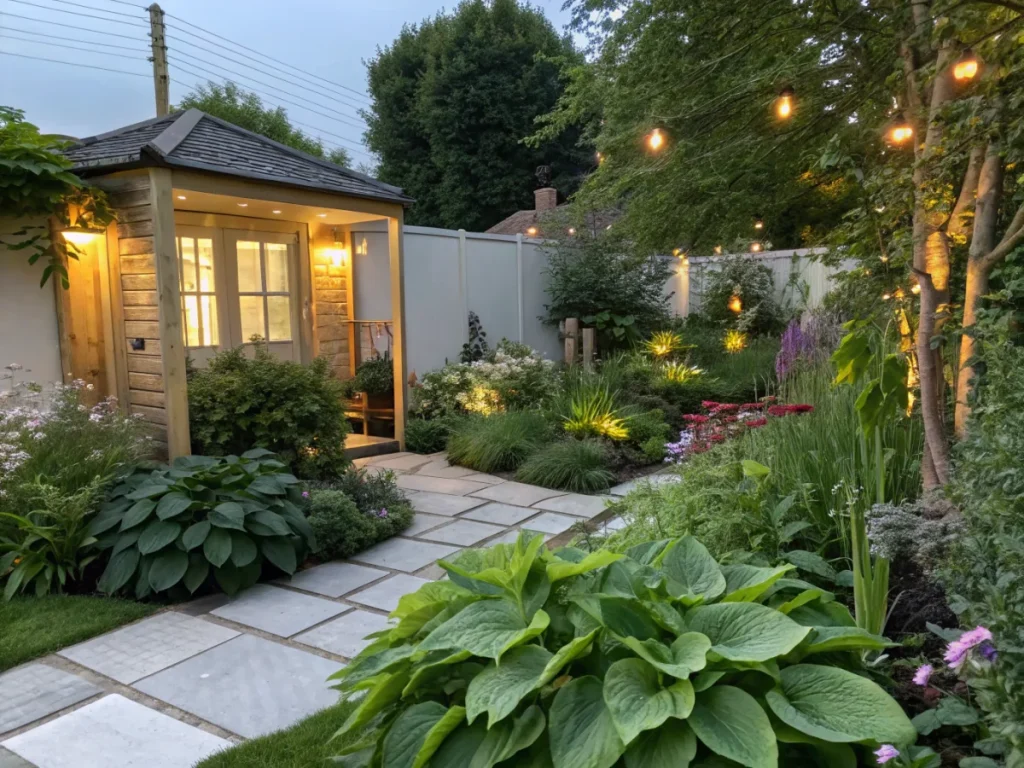
Hardscaping elements provide structure and functionality. A winding gravel path invites exploration, while a rustic bench offers a place for quiet reflection. An arbor draped with climbing roses or clematis creates a stunning entrance or focal point. Bird baths, sundials, or garden figurines add personality and charm. These elements should complement the informal nature of the cottage garden, using natural materials like stone, wood, or weathered metal.
Consider the practical aspects too: how will you move through the garden? Will you need a small patio or stepping stones for access? These features help define spaces and guide the eye, even within a seemingly wild planting scheme. For design tips, check out ideas for small garden layouts.
Step 6: Planting Your Cottage Garden
Once your design is finalized and plants acquired, it’s time to dig! Dig holes that are twice as wide as the plant’s root ball and just as deep. Gently remove the plant from its container, loosen any circling roots, and place it in the hole so the top of the root ball is level with the surrounding soil. Backfill with enriched soil, gently firming it around the base of the plant. Water thoroughly immediately after planting to settle the soil and eliminate air pockets.
For seeds, follow packet instructions for depth and spacing. Many cottage garden favorites can be started indoors or direct-sown. Grouping seeds together will create natural-looking clumps. Remember, patience is key – a newly planted garden will take time to establish and fill in.
Step 7: Mulch and Initial Watering
After planting, apply a 2-4 inch layer of organic mulch around all your plants, keeping it a few inches away from stems and trunks to prevent rot. Mulch is a game-changer; it conserves moisture, keeps soil temperatures consistent, and significantly reduces weed growth. Good options include shredded bark, straw, or even compost. This initial layer is vital for helping your new garden thrive.
Water new plants regularly and deeply until they are established, which can take weeks or even months depending on the plant and climate. Frequent shallow watering encourages shallow roots, making plants less resilient. Deep watering promotes strong, deep root systems. Monitor the soil moisture, especially during dry spells.
Step 8: Ongoing Maintenance and Evolution
A cottage garden, while appearing spontaneous, still requires ongoing care. Deadhead spent flowers to encourage more blooms and prevent unwanted self-seeding. Prune shrubs and perennials as needed to maintain shape and promote healthy growth. Monitor for pests and diseases, addressing issues promptly with eco-friendly solutions wherever possible. Regularly replenish mulch to keep weeds at bay and enrich the soil.
Embrace the garden’s evolution. Some plants will thrive, others may not. Be prepared to move plants that aren’t happy or to add new ones to fill gaps. Allow some self-seeding to happen naturally, as it contributes to the garden’s informal charm. A cottage garden is a living, breathing entity that constantly changes and improves over time.
Step 9: Adding Personal Touches & Whimsical Elements
This is where your cottage garden truly becomes ‘yours’. Introduce vintage finds like old watering cans repurposed as planters, charming birdhouses, or decorative gazing balls. A rustic gate, a weathered stone birdbath, or a handcrafted sign can add unique character. These elements should feel like they’ve been there forever, contributing to the garden’s timeless appeal. Do not overdo it; a few well-chosen pieces are more impactful than clutter.
Consider the scents you want to enjoy throughout the seasons. Plant fragrant varieties like lavender, roses, sweet peas, and jasmine near pathways or seating areas. The auditory element is also important; wind chimes, a small fountain, or plants that attract songbirds enhance the sensory experience. For more on creating welcoming spaces, read about garden seating area designs.
Step 10: Enjoy and Adapt
The most important step is to sit back, relax, and enjoy the beauty you’ve created. A cottage garden is never truly finished; it’s a continuous process of observation, learning, and gentle intervention. Embrace the imperfections, the unexpected volunteers, and the ever-changing tapestry of life. Take notes on what works well and what doesn’t. Your garden will teach you as much as you teach it. Be prepared to adapt your planting scheme as plants grow, light conditions change, or your preferences evolve. The joy is in the journey and the ongoing relationship with your flourishing space.
Pro Tips and Common Mistakes when you design a cottage garden scratch
Pro Tips:
- Succession Planting: Plan for continuous blooms by planting flowers that bloom at different times of the year. When one plant finishes its show, another is ready to begin.
- Embrace Self-Seeders: Allow some plants like poppies, nigella, and foxgloves to self-seed. This reduces replanting effort and creates that wonderfully natural, slightly chaotic cottage look. You can thin them out if they become too dense.
- Vertical Interest: Utilize trellises, arbors, and walls for climbing roses, clematis, and wisteria. This maximizes space and adds dramatic height and beauty.
- Mix Edibles & Ornamentals: Herbs, small berry bushes, and even attractive vegetables like ‘Bright Lights’ Swiss chard fit perfectly into a cottage garden, blending beauty with utility.
- Connect to Your Home: Use plants that scramble up walls or next to windows to tie the garden to the house, making it feel like a natural extension of your living space.
- Pathways & Seating: Even small gardens benefit from a path or a cozy bench. These invite you into the garden and provide spaces for quiet enjoyment.
Common Mistakes to Avoid:
- Overlooking Soil Preparation: Skipping this crucial step leads to struggling plants and disappointment. Invest time in amending your soil.
- Ignoring Plant Tags/Hardiness Zones: Planting species not suited to your climate or light conditions is a recipe for failure. Always read up on plant needs.
- Planting in Straight Rows: This goes against the informal, abundant spirit of a cottage garden. Opt for drifts and irregular groupings.
- Too Many Different Colors/Species Without a Plan: While vibrant, a completely random mix can look messy rather than charming. Have a general color scheme or a few dominant colors.
- Lack of Layering: A flat garden lacks interest. Ensure you have plants of varying heights, textures, and forms.
- Forgetting About Winter Interest: Choose some evergreens, plants with interesting bark, or structural elements like a trellis, to ensure your garden still offers beauty in colder months.
- Not Enough Water for New Plants: New plants need consistent moisture to establish their root systems. Don’t let them dry out in their first season.
- Trying to Maintain Too Much Control: A cottage garden thrives on a certain amount of benign neglect and natural flow. Don’t fight every self-seeder or stray branch.
Eco-Friendly Variations for Your Cottage Garden
Adopting eco-conscious practices enhances the natural beauty and health of your cottage garden. These variations contribute to local biodiversity and reduce your environmental footprint, aligning perfectly with the garden’s inherent natural charm.
- Native Plant Focus: Prioritize native flowers, shrubs, and trees. They are perfectly adapted to your local climate, require less water and fertilizer, and provide essential food and habitat for local wildlife and pollinators.
- Rainwater Harvesting: Install a rain barrel to collect water from your roof. This provides a sustainable, chemical-free water source for your garden, reducing reliance on municipal water.
- Composting: Start a compost pile for garden and kitchen scraps. This creates nutrient-rich soil amendment, reduces waste, and eliminates the need for chemical fertilizers.
- No-Till Gardening: Minimize digging and disturbing the soil structure. This preserves beneficial soil organisms, improves soil health, and reduces weed germination. Over time, simply add compost as a top dressing.
- Organic Pest Control: Encourage beneficial insects (ladybugs, lacewings) by planting a diverse range of flowers. Use organic pest management techniques like hand-picking pests, insecticidal soaps, or neem oil as a last resort.
- Reduce/Eliminate Chemicals: Avoid synthetic fertilizers, pesticides, and herbicides. These can harm soil microbes, pollinators, and water quality. Rely on healthy soil and natural predators instead.
- Mulching for Moisture & Suppression: Use organic mulches extensively. This conserves water, smothers weeds, and slowly breaks down to enrich the soil, making your garden more resilient to drought.
- Create Wildlife Habitats: Include a small brush pile, a bird bath, or a patch of undisturbed leaves to provide shelter and foraging opportunities for birds, beneficial insects, and small mammals.
Seasonal Considerations for Your Cottage Garden
A well-designed cottage garden offers beauty and interest throughout the year. Planning for seasonal change ensures continuous enjoyment and minimal ‘off-season’ gaps. The continuous flow of color and texture is a hallmark of this style.
Spring:
Spring is the season of fresh beginnings. Daffodils, tulips, crocus, and hyacinths emerge, bringing vibrant early color. Follow with primroses, bleeding hearts, and early-blooming perennials like Hellebores and pulmonary. This is a crucial time for dividing perennials, starting seeds indoors, and preparing beds for summer planting. Apply a fresh layer of compost and mulch as temperatures warm.
Summer:
The cottage garden truly shines in summer, with an explosion of color and fragrance. Roses, delphiniums, foxgloves, campanula, sweet peas, and lavender dominate. Annuals like cosmos, zinnia, and cleome fill any gaps and provide continuous blooms. Focus on regular deadheading to encourage more flowers, consistent watering, and monitoring for pests. Support tall plants with stakes or pea netting to prevent flopping.
Autumn:
As summer fades, the garden transitions to a display of rich hues. Asters, sedum, chrysanthemums, and various ornamental grasses take center stage. Many perennials develop attractive seed heads that provide texture and food for birds. This is an ideal time for planting bulbs for next spring. Begin cutting back spent perennials, but leave some seed heads for winter interest and wildlife. Consider planting fall-blooming anenomes.
Winter:
While blooms are sparse, a cottage garden can still offer charm in winter. Focus on structural elements: the elegant arch of an arbor, the bare branches of a rose, interesting seed heads left on perennials (e.g., sedum), and evergreens like boxwood or conifers. Plants with attractive bark (e.g., dogwood) or berries (e.g., cotoneaster) provide color. This is a good time for planning, ordering seeds, and completing any heavy pruning of dormant shrubs and trees.
Expert Resources for Your Cottage Garden Journey
To deepen your knowledge and hone your gardening skills, consult these trusted resources. They offer invaluable information on plant care, design principles, and sustainable practices.
- Gardening Know How: A fantastic resource for plant information, troubleshooting common garden problems, and general gardening advice. Their articles cover a vast range of topics for both beginners and experienced gardeners. Visit Gardening Know How
- Royal Horticultural Society (RHS): A world-renowned gardening charity with extensive plant databases, detailed care guides, and expert advice on all aspects of horticulture. Essential for plant identification and best practices. Explore the RHS Website
- University Extension Offices: Your local university extension office (like the one at the University of Minnesota linked earlier) provides science-backed gardening information tailored to your specific region, including soil testing, pest management, and cultivar recommendations. Many offer free resources online. Find your local Extension Office
Conclusion
Designing a cottage garden from scratch is a rewarding endeavor that brings endless joy and beauty to your home. By thoughtfully planning, preparing your soil, selecting a diverse array of plants, and embracing a layered, informal approach, you can create a garden that feels both whimsical and deeply rooted. Remember, the journey is as important as the destination; observe, learn, and adapt as your garden evolves. An eco-conscious approach will ensure your cottage haven not only looks beautiful but also contributes positively to your local environment. Step by step, you’ll transform a bare space into a vibrant, romantic sanctuary that will delight you and your visitors for years to come. Enjoy the process of bringing your cottage garden dream to life!
FAQ: Designing a Cottage Garden from Scratch
Q1: How long does it take for a cottage garden to look established?
A cottage garden can start looking good in its first year, especially with the use of fast-growing annuals. However, for that lush, abundant, and truly established look with mature perennials and shrubs, it typically takes 2-3 years. Patience is a virtue in gardening!
Q2: Do cottage gardens require a lot of maintenance?
While they appear natural and informal, cottage gardens do require ongoing maintenance, especially in the first few years. This includes watering, weeding, deadheading, and occasional pruning. However, once established, the dense planting and mulching can help suppress weeds, and many self-seeders reduce the need for replanting. It’s more about regular, gentle care than weekly intensive labor.
Q3: Can I design a cottage garden in a small space?
Absolutely! Cottage gardens are perfect for small spaces. Focus on vertical elements like climbing plants on walls or trellises, choose compact varieties of shrubs and perennials, and create layers with containers. Even a small balcony can be transformed into a charming cottage-style retreat with the right plant choices and decorative touches.
Q4: What if my soil isn’t ideal for a cottage garden?
Most soils can be significantly improved. The key is to heavily amend with organic matter like compost. For very sandy soil, compost helps retain moisture and nutrients. For heavy clay, it improves drainage and aeration. If your soil is extremely poor, consider creating raised beds filled with good quality topsoil and compost to give your plants the best start.