The Ultimate 7-Step Guide: How to Design a Wildlife Garden That Looks Beautiful
Creating a vibrant sanctuary that buzzes with life while simultaneously captivating the eye might seem like a challenging endeavor. Many aspiring eco-conscious gardeners worry that welcoming wildlife means sacrificing aesthetic appeal, envisioning wild, untamed patches rather than meticulously crafted landscapes. However, this couldn’t be further from the truth. With thoughtful planning and strategic plant selection, you can design a wildlife garden that is not only a haven for local flora and fauna but also a stunning addition to your home.
This comprehensive guide will walk you through the process of building a beautiful ecosystem right in your backyard, proving that biodiversity and beauty can indeed go hand-in-hand. Prepare to transform your outdoor space into a dynamic, living masterpiece that both you and the creatures of your local environment will adore. Let’s explore how to design wildlife garden beautiful spaces.
[lwptoc]
Why Designing a Wildlife Garden Matters for Your Space
Beyond the undeniable joy of observing birds, butterflies, and beneficial insects in your garden, a wildlife-friendly landscape offers a myriad of ecological and personal benefits. It contributes significantly to local biodiversity, providing essential food, water, and shelter for species whose natural habitats are increasingly threatened. By integrating native plants, you support the intricate food webs that have evolved over millennia, offering optimized nourishment for local pollinators and birds.
From a human perspective, a well-designed wildlife garden enhances curb appeal, offering a dynamic and ever-changing display of natural beauty throughout the seasons. It fosters a deeper connection with nature, promoting mental well-being and providing a sense of purpose. Furthermore, these gardens often require less intensive maintenance once established, particularly concerning watering and chemical treatments, as they mimic natural ecosystems. You’re not just planting flowers; you’re cultivating a resilient, living tapestry that benefits everyone and everything it touches.
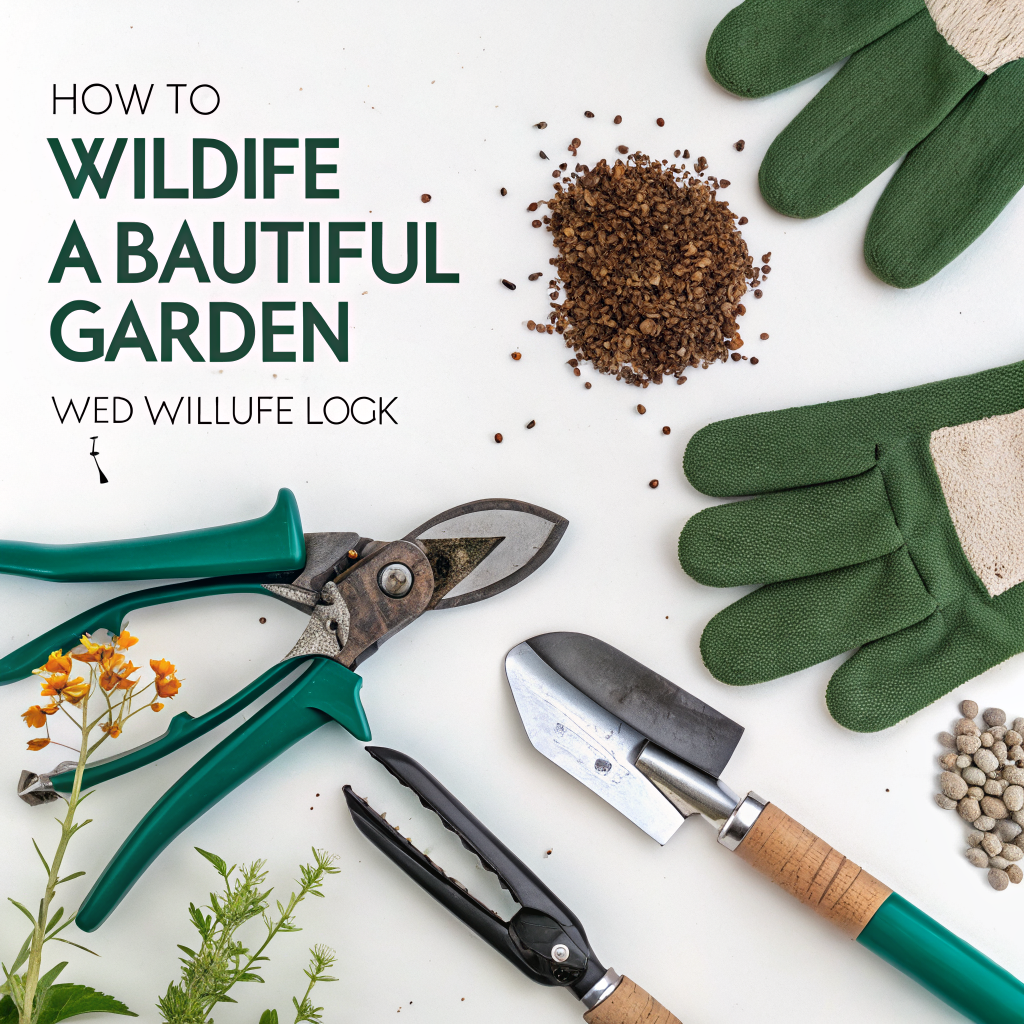
What You Need to Design a Wildlife Garden Beautifully
Embarking on your wildlife garden project requires a combination of thoughtful preparation, appropriate tools, and the right plant choices. Understanding these essentials upfront will streamline your design process and ensure long-term success. It’s not just about what you plant, but also how you approach the design holistically.
Essential Tools:
- Gardening Gloves: Protect your hands from thorns, soil, and potential irritants.
- Hand Trowel and Shovel: For planting, digging, and moving soil.
- Pruning Shears/Loppers: To maintain plant health, shape, and remove dead growth.
- Wheelbarrow: For hauling soil, mulch, and plants more efficiently.
- Watering Can or Hose: Essential for establishing new plants.
- Weeding Tool: Keep invasive weeds at bay, especially during establishment.
Key Materials:
- Compost and Organic Matter: To enrich the soil and provide nutrients.
- Mulch: Retains moisture, suppresses weeds, and regulates soil temperature. Options include wood chips, shredded leaves, or straw.
- Edging Materials: If you plan distinct beds, define them with attractive stone, wood, or metal edging.
- Stakes and Ties: For newly planted trees or taller perennials that may need support.
Crucial Plant Choices:
- Native Plants: These are the cornerstone of any effective wildlife garden. They’ve co-evolved with local fauna, providing the exact food sources and habitat requirements. Research plants native to your specific region and choose a diverse range for continuous bloom.
- Layered Vegetation: Incorporate plants of varying heights – groundcovers, perennials, shrubs, and small trees – to create diverse habitats for different species. This offers vertical structure and aesthetic appeal.
- Pollinator Magnets: Focus on nectar and pollen-rich plants like coneflowers, milkweed, asters, and coreopsis. Choose varieties with single, open flowers where pollen and nectar are easily accessible.
- Host Plants: Critical for butterfly and moth larvae (caterpillars). For example, milkweed for Monarchs, dill/fennel for Swallowtails, and various trees for other species.
- Berry and Seed Producers: Birds rely heavily on berries and seeds for food, especially in fall and winter. Consider plants like serviceberry, dogwood, elderberry, and sunflowers.
- Evergreens: Provide crucial year-round shelter and nesting sites for birds and small mammals. Junipers, pines, and hollies are excellent choices.
7 Essential Steps to Design a Wildlife Garden That Looks Beautiful
Transforming your garden into a wildlife haven that’s also a visual delight involves a systematic approach. Follow these steps to ensure a balanced, beautiful, and biodiverse outcome.
Step 1: Assess Your Site and Understand Your Ecosystem
Before you lift a single trowel, take time to observe your garden. How much sun does each area receive throughout the day? What are your soil conditions (clay, sandy, loamy)? Are there existing drainage issues? Note down prevailing winds and any areas that are naturally wetter or drier. This initial assessment is crucial for selecting the right plants and placing them in conditions where they will thrive. A thriving plant is a beautiful plant, and a thriving plant also offers better resources for wildlife. Consult your local extension office or reliable university extension resources for information on your specific ecoregion and native plant lists.
Consider the existing elements in your garden. Are there mature trees, fences, or structures that can be integrated into your design? Identify areas where you want to create focal points or screening. Understanding your current landscape will help you weave in new elements seamlessly. Mapping out these observations on a simple drawing can be incredibly helpful.
Step 2: Define Your Goals and Design Aesthetics
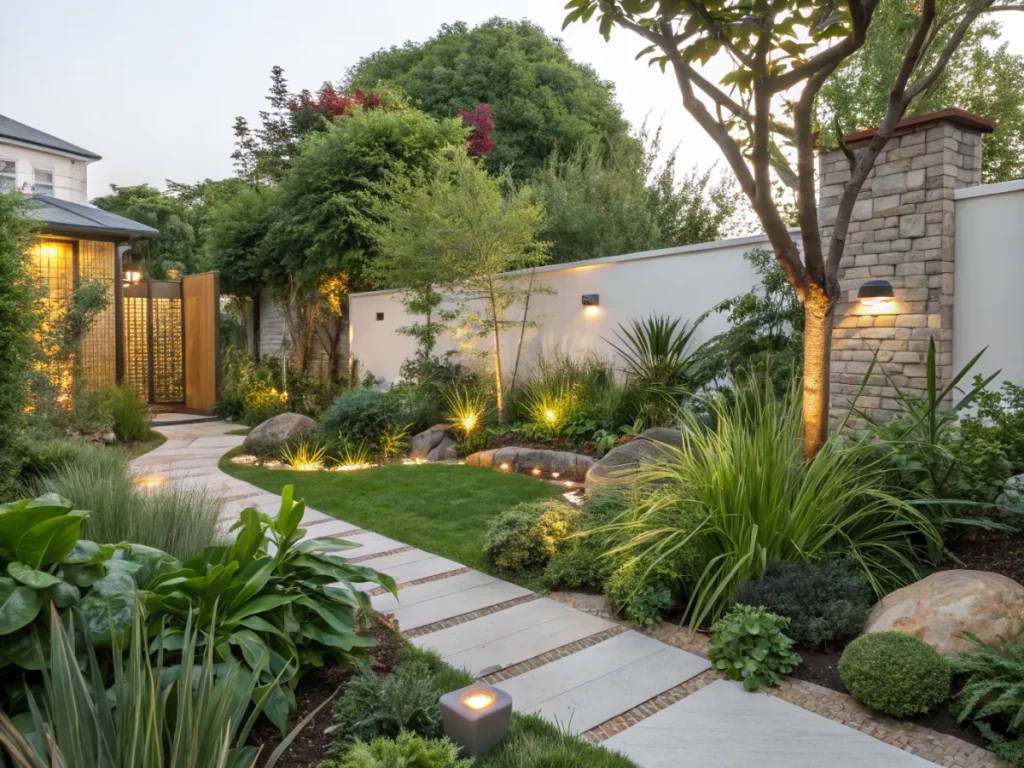
What kind of wildlife do you primarily want to attract? Birds, butterflies, beneficial insects, or maybe even small mammals? Your answer will influence your plant choices and structural additions. Simultaneously, visualize the aesthetic you desire. Do you prefer a wild, cottage garden look, a more formal arrangement with defined beds, or something in between? Remember, “wildlife garden” doesn’t equate to “messy.” You can have structured beds, elegant pathways, and neat borders while still providing ample resources for nature.
Sketching different layouts on paper allows you to experiment with shapes, pathways, and planting zones. Think about creating a “journey” through your garden, with different areas offering unique experiences. Consider color palettes, varying heights, and textures to create visual interest throughout the year. Don’t forget that a beautiful garden is one that is also pleasant for its human inhabitants, so include seating areas or vista points.
Step 3: Create Essential Habitat Elements
A successful wildlife garden isn’t just about plants; it’s about providing the full suite of necessities: food, water, and shelter. Food comes primarily from your plant choices (nectar, pollen, seeds, berries, host leaves). For water, even a shallow bird bath can make a huge difference. Consider adding a small pond or a rain garden for amphibian and insect habitats if space allows. Ensure water sources are kept clean and refreshed.
Shelter is equally vital. This can be achieved through dense thickets of shrubs, log piles for insects and small mammals, brush piles for ground-nesting birds, and even dedicated insect hotels. Leave some leaf litter in undisturbed areas over winter as this provides crucial overwintering sites for many beneficial insects and provides insulation for plants. Overlapping layers of vegetation from groundcover to canopy offer a diverse range of hiding and nesting spots.
Step 4: Select and Arrange Native Plants Strategically
This is where your research from Step 1 pays off. Choose a diverse array of native plants that bloom at different times of the year, ensuring a continuous food source from early spring to late fall. Group plants with similar light and water requirements together to ensure they all thrive. Consider the mature size of plants to avoid overcrowding and provide ample space for growth. Taller plants at the back, shorter plants at the front, and cascading plants along edges create depth and visual appeal.
Think about plant textures and colors to create compelling combinations. Mass plantings of a single species can create a dramatic visual impact while also being more attractive to pollinators. For example, a large drift of coneflowers is more inviting than a single one. Include host plants for butterfly larvae – accept that some leaves will be chewed; it’s part of the process! Remember, choosing the right plants is paramount for both aesthetics and functionality.
Step 5: Incorporate Water Features and Diverse Structures
A well-placed water feature adds both aesthetic beauty and crucial wildlife support. A simple bird bath, a shallow basin for bees, or even a small recirculating pond can dramatically increase the diversity of visitors. Ensure any water feature designed for wildlife has shallow edges or landing stones so creatures can access it safely without drowning. For a deeper dive into garden structures, explore topics like garden path design ideas.
Beyond water, consider other structural elements. Large rocks or driftwood can provide basking spots for lizards and insects. A dead snag (a standing dead tree) or sturdy old branches can offer perching spots for birds and excavating opportunities for woodpeckers. Strategically placed benches or stepping stones can guide visitors through your garden while minimizing disturbance to wildlife habitats. A beautifully integrated birdhouse or bat box can also add charm and function.
Step 6: Plan for Year-Round Interest and Maintenance
A truly beautiful wildlife garden is dynamic and engaging throughout all four seasons. Incorporate plants with interesting bark (e.g., dogwood, river birch), evergreen foliage, persistent berries, or unique seed heads that provide winter interest and food. Leaving spent perennial stalks standing through winter can offer shelter for insects and seeds for birds. Avoid aggressive fall cleanup; instead, let nature do some of the work.
While wildlife gardens often require less intensive maintenance once established, they still need care. This includes occasional weeding, watering during dry spells (especially for new plants), and strategic pruning to maintain plant health and shape. Embrace a more relaxed approach to tidiness in certain areas, understanding that some “mess” is essential for ecological function. Balance tidy paths and edges with wilder planting areas.
Step 7: Observe, Adapt, and Enjoy!
Once your garden is established, take time to observe. Which plants are attracting the most wildlife? Are there areas that need more density or a different type of plant? Wildlife gardening is an ongoing learning process. Be prepared to adapt your design based on your observations and the needs of your local ecosystem. Enjoy the unfolding spectacle of nature in your own backyard. Your garden will evolve, and so will your understanding of its intricate relationships. Regularly documenting visitors and plant performance can be incredibly rewarding and informative.
Pro Tips for a Design Wildlife Garden Beautiful & Common Mistakes to Avoid
Creating a stunning wildlife haven requires a nuanced approach. Here are some expert tips to elevate your design and common pitfalls to sidestep.
Pro Tips:
- Create “Layers” of Habitat: Think vertically. Groundcovers, herbaceous perennials, shrubs, and trees provide different niches for various species. A multi-layered garden offers more food, shelter, and nesting sites, making it more attractive and visually rich.
- Embrace a Successional Bloom Cycle: Ensure something is in bloom from early spring to late fall. This provides a continuous food source for pollinators and keeps your garden visually interesting year-round.
- Consider Winter Interest: Don’t clear spent perennial stalks in fall unless they’re diseased. Seed heads provide food for birds, and hollow stems offer overwintering sites for beneficial insects. Evergreens, plants with colorful bark (e.g., redtwig dogwood), and persistent berries add structure and beauty during colder months.
- Use Group Plantings: Massing several plants of the same species together creates a stronger visual impact and makes it easier for pollinators to find them. It’s more effective than scattering individual plants throughout the garden.
- Integrate Hardscaping Thoughtfully: Pathways, benches, and decorative elements can enhance beauty without detracting from wildlife benefits. Use permeable materials like gravel or stepping stones to reduce runoff.
- Think “Edible Landscape” for Wildlife: Many plants that attract wildlife also produce edible fruits or berries for humans (e.g., serviceberry, elderberry, highbush blueberry). This dual-purpose planting maximizes garden output.
Common Mistakes to Avoid:
- Ignoring Native Plants: Non-native plants, even if beautiful, often don’t provide the specialized food and habitat that local wildlife depend on. Always prioritize native species for the bulk of your plantings.
- Over-Sanitizing the Garden: A perfectly manicured lawn and completely cleared beds remove essential habitat. A wildlife garden embraces a bit of wildness – leaves under shrubs, brush piles, and un-mown edges are valuable.
- Using Pesticides/Herbicides: These chemicals are detrimental to insects, birds, and the broader ecosystem. Embrace natural pest control methods and tolerant planting.
- Lack of Water Source: Water is just as crucial as food and shelter. Forgetting to provide a reliable, clean water source will limit the diversity of wildlife you attract.
- Insufficient Shelter: Beyond food, animals need places to hide from predators, raise young, and escape harsh weather. A garden solely focused on flowers without dense shrubs or trees will lack critical habitat.
- Planting Only for Summer: A garden that only offers resources in summer will struggle to support year-round wildlife populations. Prioritize continuous bloom and winter interest.
- Ignoring Soil Health: Healthy soil leads to healthy plants, which in turn leads to healthier wildlife. Neglecting soil enrichment (e.g., adding compost) can undermine your efforts.
Eco-Friendly Variations for Your Wildlife Garden
To further enhance the ecological impact and sustainability of your beautiful wildlife garden, consider integrating these eco-conscious variations.
- Rain Gardens: Design a shallow depression planted with water-loving native plants to capture and filter stormwater runoff from roofs or paved areas. This recharges groundwater, reduces pollution, and creates a unique wetland habitat.
- Pollinator Lawns: Replace traditional turf grass with a mix of low-growing native perennials and wildflowers that can tolerate occasional mowing. This provides continuous forage for bees and other pollinators while still creating a lawn-like appearance.
- Xeriscaping Principles: For drier climates or to conserve water, incorporate xeriscaping principles. Choose drought-tolerant native plants, use efficient irrigation (if necessary), and apply generous layers of mulch to retain soil moisture.
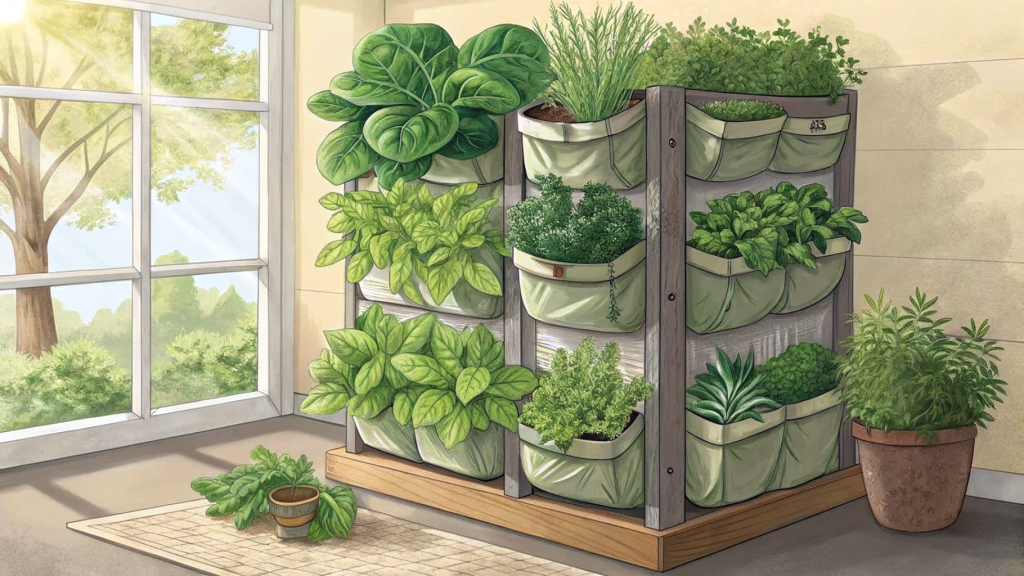
- Vertical Gardening for Small Spaces: Even limited urban spaces can support wildlife. Use vertical planters, living walls, and trellises to grow native vines and cascading plants, providing nectar and perching spots.
- No-Dig Gardening: Implement no-dig beds to preserve soil structure, enhance microbial life, and reduce disturbance to soil-dwelling organisms. This builds healthier soil over time, benefiting your plants and the broader ecosystem.
- Composting and Leaf Mulch: Transform garden waste into valuable resources. Establish a compost pile for kitchen scraps and yard waste, and use shredded leaves as a nutrient-rich, weed-suppressing mulch. This keeps organic matter on-site and reduces the need for external inputs.
Seasonal Considerations for a Dynamic Wildlife Garden
A truly beautiful and effective wildlife garden offers something for its inhabitants and observers throughout the year. Planning for seasonal change is key to continuous appeal and ecological function.
- Spring: This is a crucial time for emerging pollinators and returning migratory birds.
- Focus: Early blooming native plants like spring ephemerals (e.g., trillium, bloodroot), pussy willow, serviceberry, and wild columbine provide vital early nectar and pollen sources.
- Aesthetics: Delicate blooms and fresh green foliage bring a sense of renewal.
- Tasks: Observe new growth, apply compost, and check for signs of overwintered insects beginning to emerge.
- Summer: The garden is often at its peak, buzzing with activity.
- Focus: A wide variety of summer-blooming perennials such as coneflowers, milkweed, obedient plant, and liatris provide abundant nectar. Host plants will be busy with caterpillars.
- Aesthetics: Lush growth, vibrant flowers, and the constant movement of butterflies and bees create a lively spectacle.
- Tasks: deadhead some plants for continuous blooms (though leave some for seed production), ensure water sources are full, and watch for pest/disease issues.
- Fall: As temperatures cool, plants shift into seed and berry production, and many creatures prepare for migration or winter dormancy.
- Focus: Late-season nectar sources like asters, goldenrod, and sedum are critical for migrating monarch butterflies and late-flying bees. Berry-producing shrubs and trees (e.g., chokeberry, dogwood, hollies) provide essential food for birds.
- Aesthetics: Rich autumnal colors, abundant seed heads, and the visual weight of maturing plants.
- Tasks: Resist the urge to ‘clean up’ too much. Leave seed heads and plant stalks for winter interest and wildlife. Consider planting spring bulbs for early pollinators next year.
- Winter: While seemingly dormant, the garden still plays a vital role.
- Focus: Evergreens offer crucial shelter. Persistent berries provide winter food for birds. Hollow plant stalks and leaf litter offer overwintering sites for beneficial insects.
- Aesthetics: The structure of evergreens, dried seed heads frosted with ice, and the tracks of small mammals in the snow offer a subtle beauty.
- Tasks: Continue to provide clean, unfrozen water. Observe the birds that visit your garden for winter food sources. Plan for next year’s additions.
Expert Resources for Your Wildlife Gardening Journey
To further deepen your knowledge and refine your design, explore these reputable resources:
- Gardening Know How – Wildlife Garden Articles: A vast collection of articles offering practical advice on attracting various wildlife, planting guides, and general gardening tips.
- Royal Horticultural Society (RHS) – Wildlife Gardening: Provides extensive guidance on creating biodiverse gardens, focusing on plant choices, habitat creation, and sustainable practices, particularly relevant for temperate climates.
- University of Minnesota Extension – Yard and Garden: Offers science-based information on native plants, pest management, soil health, and sustainable landscaping tailored to regional conditions, a great example of what many university extensions provide.
Conclusion
Designing a wildlife garden that looks beautiful is a rewarding journey that enriches both your life and the lives of the creatures around you. By embracing native plants, creating diverse habitats, providing essential resources, and allowing for a touch of natural wildness, you can craft a landscape that is as aesthetically stunning as it is ecologically vibrant. Remember, every plant you choose, every water feature you install, and every undisturbed corner you leave is a conscious decision to support a thriving ecosystem.
Start small, observe your progress, and don’t be afraid to adapt. Your garden will evolve, and with it, your understanding and appreciation for the intricate beauty of the natural world. Step outside, get your hands dirty, and watch as your vision for a beautiful, biodiverse sanctuary comes to life.
Frequently Asked Questions About Designing a Beautiful Wildlife Garden
Q1: Do wildlife gardens have to look wild and messy?
A1: Absolutely not! While a wildlife garden embraces some natural processes, it can be designed to look incredibly beautiful and intentional. Focus on strong structural elements, defined pathways, and mass plantings of native flowers to create a cohesive and aesthetic look. You can have neat borders while the interior is humming with life.
Q2: What’s the most important thing to include for wildlife?
A2: Diversity is key, but if you had to pick one, focusing on native plants that provide continuous food sources (nectar, pollen, seeds, berries) throughout the seasons is paramount. Water and shelter are also critical, but food drives much of the initial attraction.
Q3: How long does it take for a wildlife garden to become established and attract creatures?
A3: You’ll likely see initial activity very quickly, especially from common birds and butterflies, as soon as plants begin to bloom and water sources are available. However, a truly established ecosystem with a wide variety of species can take 1-3 years or even longer, as plants mature and create denser habitat.
Q4: Can I attract wildlife without completely overhauling my entire yard?
A4: Yes! Even small additions can make a big difference. Start with a dedicated pollinator bed, a bird bath, or swap out a patch of lawn for a native plant garden. Every little bit helps, and you can expand your efforts gradually over time as you gain confidence and observe results.