10 Essential Steps to Grow Dahlias for Stunning Cut Flowers
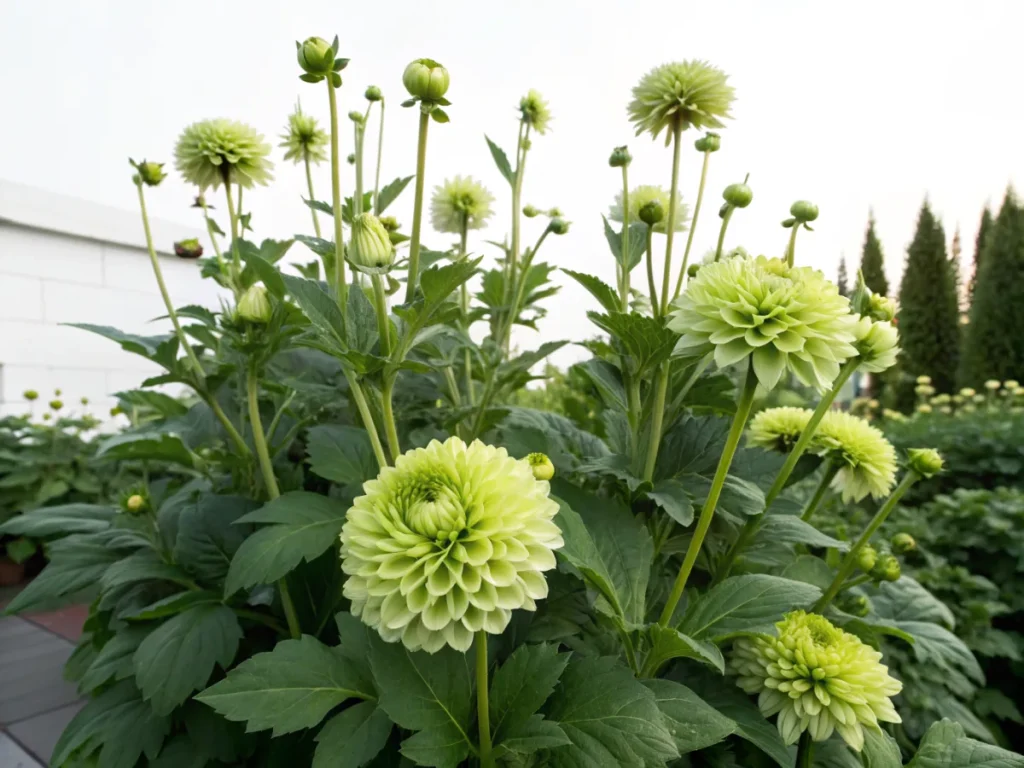
Dahlias, with their kaleidoscopic array of colors, forms, and sizes, are undoubtedly one of the most magnificent additions to any garden, especially for those dreaming of armloads of exquisite cut flowers. From the delicate charm of single-petal varieties to the dramatic flair of dinnerplate dahlias, these herbaceous perennials offer a visual feast that can transform any bouquet into a work of art. But growing dahlias for cutting isn’t just about planting a tuber and hoping for the best; it’s an art and a science, requiring specific techniques to maximize bloom production and vase life. This comprehensive guide will walk you through every stage, from selecting the right tubers to harvesting and arranging, ensuring your garden becomes a prolific dahlia paradise.
[lwptoc]
Why Growing Dahlias for Cut Flowers Matters for Your Garden
Cultivating dahlias specifically for cut flowers offers a myriad of benefits beyond aesthetic pleasure. Firstly, they provide an unparalleled source of fresh, vibrant blooms for your home, allowing you to create personalized arrangements that reflect your style and the season’s bounty. Imagine a kitchen table adorned with cheerful pompom dahlias or a grand centerpiece featuring magnificent dinnerplates – all from your own backyard.
Secondly, focusing on cut flower production encourages healthier plants. The more you cut, the more the plant produces, leading to a continuous flush of blooms from mid-summer until the first hard frost. This consistent harvesting acts as a natural deadheading process, signaling the plant to invest more energy into creating new flowers rather than setting seed. It’s a symbiotic relationship: you get beautiful flowers, and your plants thrive.
Furthermore, growing your own cut flowers is a sustainable and eco-conscious choice. It reduces your reliance on commercially grown flowers, which often travel long distances, are treated with pesticides, and contribute to a significant carbon footprint. By growing dahlias yourself, you control the growing environment, ensuring they are free from harmful chemicals and grown with environmental stewardship in mind. Plus, sharing your homegrown blooms with friends and family is an incredibly rewarding experience that strengthens community bonds and spreads joy.
What You Need to Grow Dahlias for Cut Flowers (Tools, Materials, and Plants)
Before you embark on your dahlia growing journey, gathering the right tools and materials will set you up for success. Each item plays a crucial role in the health and productivity of your plants.
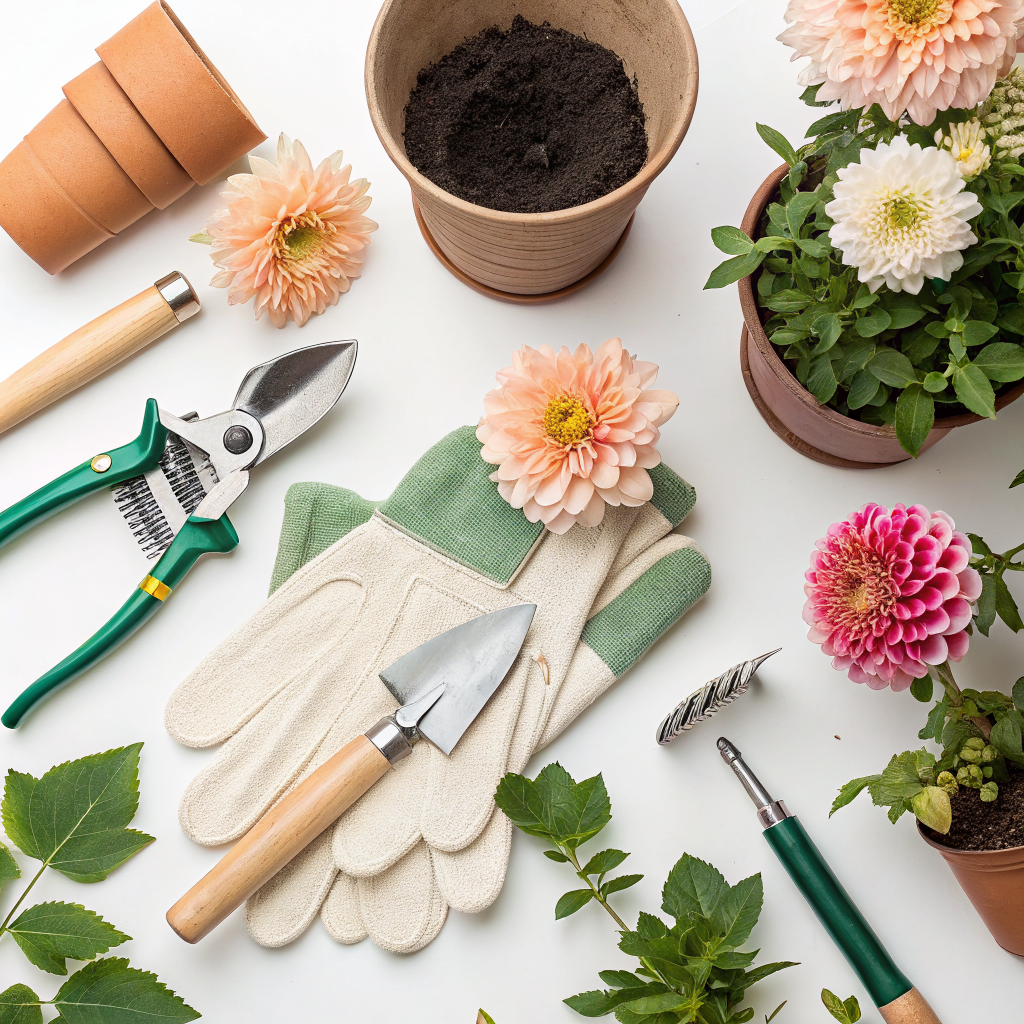
- Dahlia Tubers: Start with healthy, plump tubers. Look for varieties specified for cut flowers, often having strong stems and good vase life. Consider a mix of forms and colors to add variety to your arrangements.
- Well-Draining Soil: Dahlias despise wet feet. Amend heavy clay soils with compost or sand to improve drainage. A slightly acidic to neutral pH (6.5-7.0) is ideal.
- Full Sun Location: Dahlias need at least 6-8 hours of direct sunlight daily to produce abundant blooms.
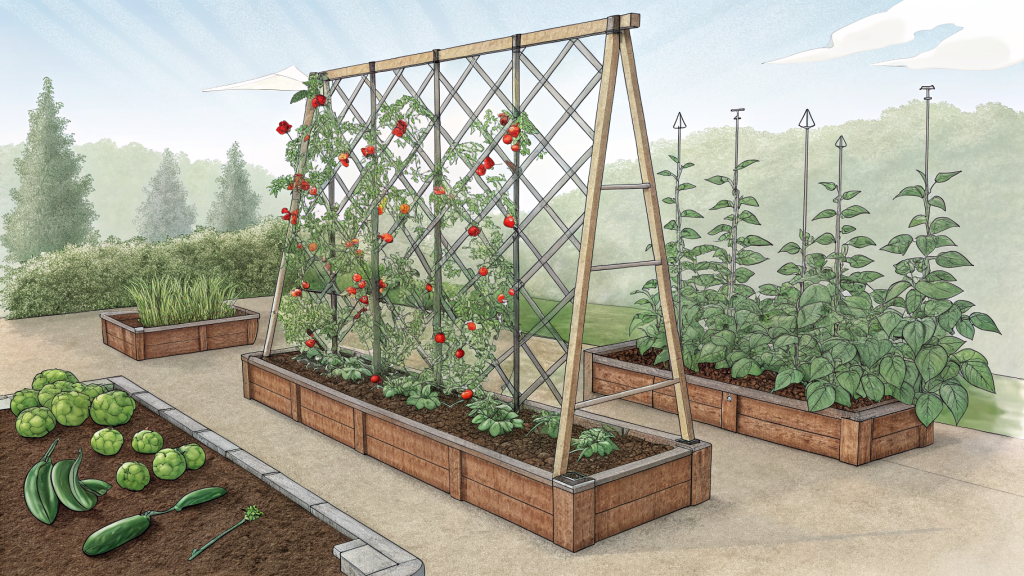
- Staking Material: Essential for supporting tall, top-heavy plants. Options include sturdy bamboo stakes, rebar, tomato cages, or trellising systems.
- Fertilizer: A balanced, low-nitrogen fertilizer (e.g., 5-10-10 or 10-20-20) is recommended once plants are established and blooming. Too much nitrogen encourages leafy growth at the expense of flowers.
- Sharp Pruning Shears/Snips: Clean cuts prevent damage and disease. Sterilize them between plants or after cutting diseased material.
- Watering Can or Hose: Consistent moisture is key, especially during dry spells.
- Mulch: A layer of organic mulch helps retain soil moisture, suppress weeds, and regulate soil temperature.
- Optional: Pest and Disease Control: Organic solutions like neem oil or insecticidal soap for common pests, and good cultural practices for disease prevention.
- Optional: Soil Test Kit: To accurately assess your soil’s pH and nutrient levels.
Step-by-Step Guide: How to Grow Dahlias for Stunning Cut Flowers
Mastering the art of growing dahlias for cutting involves several key steps, each contributing to a bountiful harvest. Follow these guidelines for success.
Step 1: Selecting and Preparing Your Dahlia Tubers
The foundation of a successful dahlia patch begins with choosing healthy tubers. Look for firm, plump tubers with at least one visible “eye” or growth point. Avoid any that are soft, shriveled, or show signs of mold or rot. If you live in a colder climate, you can start tubers indoors in pots about 4-6 weeks before your last frost date. This gives them a head start and results in earlier blooms. Use a well-draining potting mix and keep the soil lightly moist, not waterlogged. For more tips on tuber storage, check out this guide on winter dahlia care.
Step 2: Planting Dahlias Outdoors
Once all danger of frost has passed and the soil has warmed to at least 60°F (15°C), it’s time to plant your tubers directly into the garden. Dig a hole about 6 inches deep and wide enough to accommodate the tuber horizontally. Place the tuber with the eye facing upwards, then backfill with soil. If you started tubers indoors, plant the small plants carefully, disturbing the roots as little as possible. Space dahlias according to their mature size, generally 18-36 inches apart, to ensure good air circulation and prevent overcrowding. For maximum bloom production, pinch off the first few sets of leaves about 3-4 weeks after planting, encouraging the plant to branch out.
Step 3: Staking for Support
Dahlias, especially those grown for their large, heavy blooms, absolutely require staking. This is often overlooked but is critical for preventing stems from breaking in wind or under the weight of flowers. Install stakes at the time of planting to avoid damaging the tubers or roots later. Drive a sturdy stake (bamboo, rebar, or metal) 1-2 feet into the ground, about 4-6 inches from where you planted the tuber. As the plant grows, loosely tie the main stem to the stake every 12-18 inches using soft ties or twine. For a more robust system, consider using the ‘corralling’ method with multiple stakes and twine to support a cluster of plants, particularly for smaller varieties or those grown in rows.
Step 4: Watering and Fertilizing
Consistent watering is vital, particularly during dry spells and as the plants begin to bud and bloom. Water deeply and regularly, aiming for about 1 inch of water per week, either from rain or irrigation. Avoid overhead watering, which can encourage fungal diseases; instead, water at the base of the plant. Fertilize sparingly with a low-nitrogen fertilizer (e.g., 5-10-10) once the plant is established and about 1 foot tall, and then every 3-4 weeks throughout the blooming season. Too much nitrogen will promote lush foliage at the expense of flowers. A soil test will help determine your soil’s specific nutrient needs. Learn more about optimal watering practices for various garden plants at nouvelles-technologie.com/garden-watering-guide/.
Step 5: Deadheading and Harvesting for Continuous Blooms
This is where the “cut flowers” focus truly shines. To encourage continuous blooming, consistent deadheading and harvesting are crucial. As soon as a flower begins to fade, cut the stem back to a strong leading bud or a main stem junction. When harvesting for bouquets, cut long stems, leaving at least two sets of leaves on the plant to ensure it can continue to photosynthesize and produce more flowers. The best time to cut dahlias is in the early morning or late evening when they are fully hydrated. Bring a bucket of water with you to the garden and immediately plunge the cut stems into water. This prevents air pockets from forming in the stems, which can shorten vase life. For more detailed insights into various cutting flower techniques, consider exploring nouvelles-technologie.com/cut-flower-growing-tips/.
Pro Tips and Common Mistakes for Growing Dahlias as Cut Flowers
Maximizing your dahlia harvest means fine-tuning your technique and avoiding common pitfalls. These pro tips will elevate your cut flower game.
Pro Tips:
- Disbudding: For larger, exhibition-quality blooms, consider disbudding. This involves removing the two side buds that form on either side of the central bud at the end of a stem. This channels all the plant’s energy into the main bud, resulting in a significantly larger flower.
- “Pinching” (Topping): When your dahlia plant has developed 3-4 sets of true leaves, pinch out the central growing tip. This encourages the plant to branch out, creating a bushier plant with more stems and thus, more flowers.
- Pre-conditioning Cut Flowers: After harvesting, allow your dahlias to “condition” in cool water for a few hours (or even overnight) in a cool, dark place. This allows them to fully hydrate, significantly extending their vase life. Adding floral food to the water can also help.
- Pest Vigilance: Keep an eye out for common dahlia pests like earwigs, slugs, thrips, and spider mites. Early detection and organic pest control methods are key to preventing infestations from damaging your valuable blooms.
Common Mistakes to Avoid:
- Overwatering: This is a primary killer of dahlia tubers, leading to rot. Ensure excellent drainage and water only when the top few inches of soil feel dry.
- Under-staking: Neglecting to stake your dahlias or using inadequate support will inevitably lead to broken stems, especially with heavy blooms or strong winds.
- Planting Too Early: Planting tubers before the soil has warmed and all danger of frost is past can lead to tuber rot or stunted growth. Patience is often rewarded.
- Too Much Nitrogen Fertilizer: While nitrogen is essential for initial growth, excessive amounts will result in lush, green foliage with few flowers. Opt for a balanced, low-nitrogen formula once the plants are established.
- Ignoring Deadheading/Harvesting: Failing to remove spent blooms or harvest regularly signals the plant to produce seeds, diverting energy away from new flower production.
Eco-Friendly Variations for Dahlia Cultivation
Growing dahlias doesn’t have to come at an environmental cost. Incorporating eco-conscious practices can benefit your garden and the wider ecosystem.
- Composting and Soil Health: Instead of synthetic fertilizers, enrich your soil with homemade compost. This improves soil structure, fertility, and microbial life, leading to healthier plants.
- Companion Planting: Plant dahlias alongside beneficial companion plants that deter pests or attract pollinators. Marigolds can repel nematodes, while cosmos or calendula attract predatory insects that control aphids.
- Water Conservation: Utilize drip irrigation or soaker hoses to deliver water directly to the root zone, minimizing evaporation and water waste. Mulching heavily around your plants also helps retain soil moisture, reducing the need for frequent watering.
- Integrated Pest Management (IPM): Embrace organic pest control methods. Encourage natural predators, use physical barriers, and resort to organic treatments like insecticidal soap or neem oil only when necessary. Avoid broad-spectrum pesticides that can harm beneficial insects.
- Rainwater Harvesting: Collect rainwater in barrels or cisterns to water your dahlias. Rainwater is free of chlorine and other chemicals found in tap water, making it excellent for plants and reducing your water bill.
Seasonal Considerations for Dahlia Growth
Understanding the dahlia’s life cycle and adapting your care throughout the seasons is crucial for year-round success (for those in colder climates, that is).
- Spring: This is planting season. Prepare your soil, pre-sprout tubers if desired, and plant after the last frost. Begin your staking regimen early.
- Summer: The growth and blooming season. Ensure consistent watering, apply balanced fertilizer, and relentlessly deadhead/harvest. Monitor for pests and diseases.
- Autumn: Enjoy the peak of bloom production. Continue harvesting until the first hard frost. After the foliage is blackened by frost, it’s time to cut back the stems and, in zones 7 and colder, prepare for digging up and storing tubers for winter.
- Winter: For most regions, this means storing tubers. Carefully dig up tubers, allow them to air dry for a few days, then store them in a cool, dark, and slightly humid environment (e.g., in peat moss, sawdust, or wood shavings) in boxes or crates. Regularly check for signs of rot or shriveling.
Expert Resources for Further Learning
To deepen your knowledge and refine your dahlia growing skills, consult these reputable sources:
- Gardening Know How: Dahlia Growing Tips – A comprehensive resource for general dahlia care.
- RHS (Royal Horticultural Society): Grow Your Own Dahlias – Detailed cultivation advice from a leading horticultural organization.
- University of Minnesota Extension: Growing Dahlias – Practical, research-based information on growing dahlias in various climates.
Conclusion
Growing dahlias for cut flowers is an immensely rewarding endeavor that brings vibrant beauty and continuous joy to your garden and home. By understanding the specific needs of these magnificent plants – from proper tuber selection and planting to meticulous staking, thoughtful watering, and aggressive harvesting – you can cultivate a stunning display that will be the envy of your neighborhood. Embrace the journey, learn from your experiences, and delight in the endless supply of bespoke bouquets. With a little care and dedication, your garden will flourish with an abundance of spectacular dahlia blooms, ready to be snipped and cherished.
FAQ: Growing Dahlias for Cut Flowers
Q1: How do I choose the best dahlia varieties for cut flowers?
A1: Look for varieties specifically labeled for cutting, as these often have strong, straight stems and good vase life. Ball, pompoms, decorative, and semi-cactus types are generally excellent choices. Consider a range of sizes, forms, and colors to create diverse bouquets.
Q2: My dahlias have beautiful foliage but few flowers. What could be wrong?
A2: This is a common issue often caused by too much nitrogen in the soil. Nitrogen promotes leafy growth. Ensure you are using a low-nitrogen fertilizer (e.g., 5-10-10 or 10-20-20) once the plant is established. Other reasons could be insufficient sunlight (less than 6 hours per day) or lack of deadheading/harvesting, which signals the plant to produce more blooms.
Q3: How often should I water my dahlias?
A3: Consistency is key. Dahlias prefer consistently moist soil, not waterlogged. Water deeply once or twice a week, providing about 1 inch of water, especially during dry periods. Reduce watering as the season cools and before digging up tubers for winter storage.
Q4: When is the best time to cut dahlia flowers for a vase?
A4: Harvest dahlias in the early morning or late evening when the plant is fully hydrated. Choose blooms that are just beginning to open or are fully open but not yet showing signs of fading. Cut stems cleanly with sharp shears, immediately plunging them into a bucket of cool water to maximize vase life.