The Ultimate Guide to Growing Sweet Strawberries in Hanging Baskets
Imagine stepping onto your patio or balcony and plucking a perfectly ripe, sun-warmed strawberry directly from a vibrant, overflowing basket. This isn’t just a dream – it’s an achievable reality for gardeners of all experience levels, even those with limited ground space. Growing strawberries in hanging baskets offers a delightful blend of aesthetic appeal, bountiful harvests, and a surprisingly easy cultivation process. This comprehensive guide will walk you through everything you need to know to enjoy fresh, organic strawberries right at your fingertips, transforming any small space into a productive edible garden.
[lwptoc]
Why Growing Strawberries in Hanging Baskets Matters for Your Garden
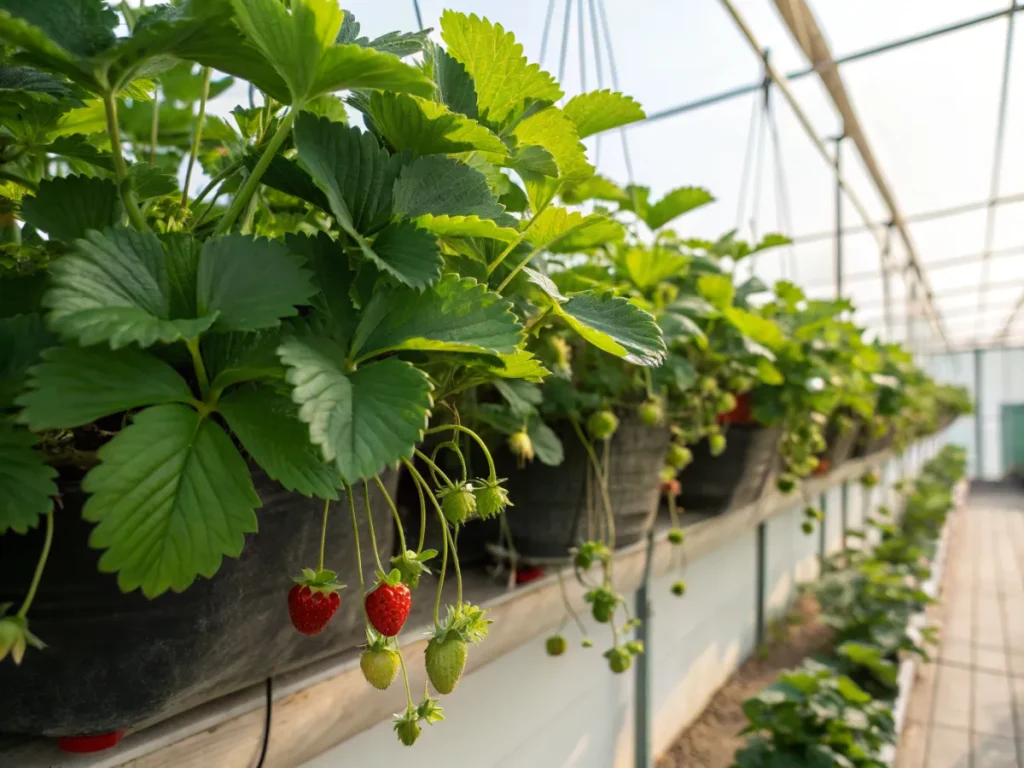
Cultivating strawberries in hanging baskets isn’t just a charming garden trend; it offers a multitude of practical and environmental benefits. For urban dwellers or those with small patios, balconies, or even just a sunny wall, hanging baskets provide an ingenious solution to space constraints. You can maximize your vertical gardening potential, turning previously unused areas into productive food gardens.
Beyond space-saving, elevated strawberry plants are significantly less susceptible to common ground-dwelling pests like slugs and snails, which famously adore sweet berries. This natural pest deterrent can reduce the need for chemical interventions, aligning with more organic gardening practices. Furthermore, the elevated position improves air circulation around the plants, minimizing the risk of fungal diseases that thrive in damp, stagnant conditions.
The aesthetic appeal is undeniable. A cascading display of green foliage, delicate white blossoms, and ruby-red fruit adds a touch of rustic charm and vibrant color to any outdoor living space. It’s an instant mood lifter and a conversation starter, inviting you to enjoy the beauty and bounty of nature. Plus, harvesting is incredibly easy – no bending, stooping, or grubbing around in the dirt. The fruit dangles enticingly, ready for plucking.
Finally, producing your own food, even in small quantities, fosters a deeper connection to nature and a greater appreciation for sustainable living. It’s incredibly rewarding to eat something you’ve grown yourself, knowing exactly where it came from and how it was cared for. Growing strawberries in hanging baskets epitomizes accessible, rewarding, and eco-conscious gardening.
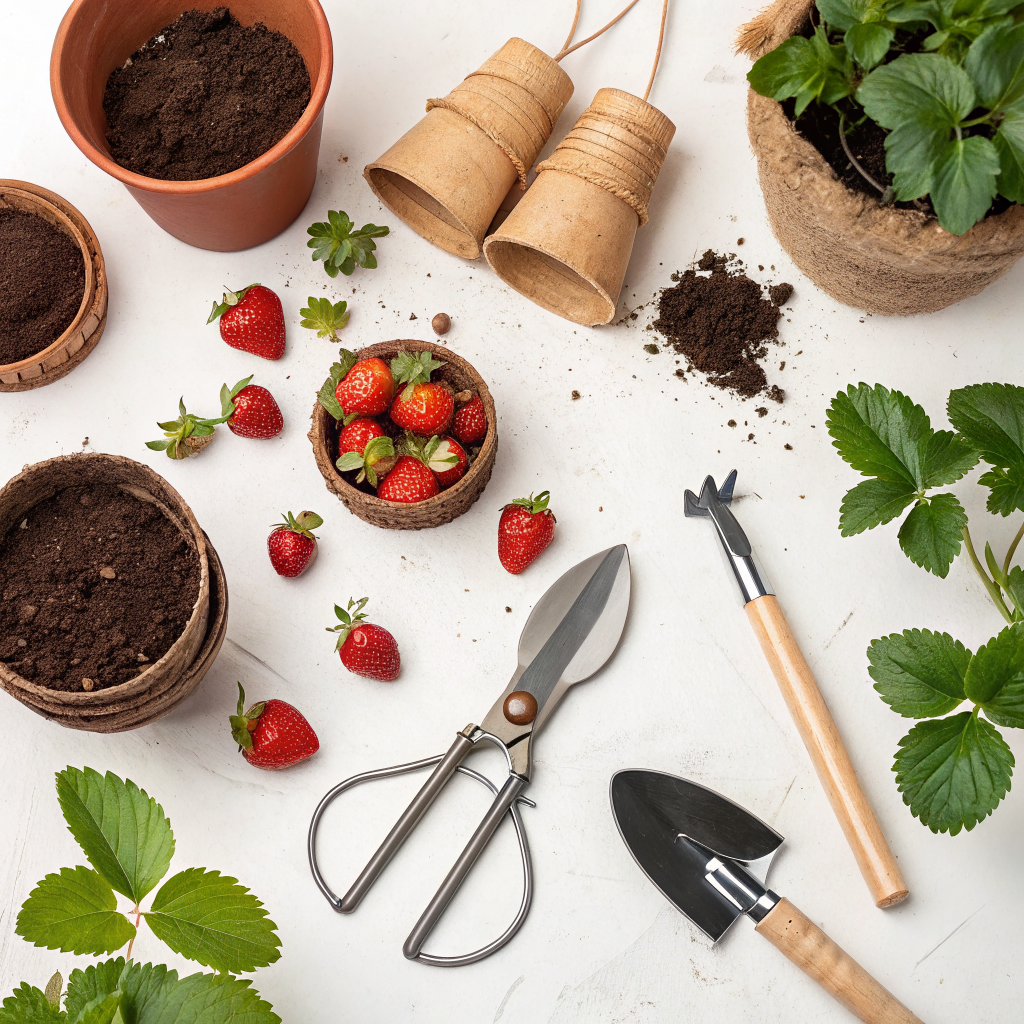
What You Need: Essential Tools, Materials, and Plants for Strawberry Basket Success
Embarking on your journey to grow strawberries in hanging baskets requires a few essential items. Gathering these beforehand will ensure a smooth and successful planting experience, setting your future harvests up for greatness. The right tools and materials make all the difference in plant health and fruit production.
1. Hanging Baskets: Choosing the Right Home
- Size: Opt for baskets that are at least 10-12 inches in diameter. Larger baskets hold more soil, which means more moisture and nutrients for your plants, reducing the frequency of watering.
- Material: Wire baskets lined with coir (coconut fiber), moss, or burlap are excellent choices for good drainage and aeration. Plastic baskets work too, but ensure they have ample drainage holes. Self-watering baskets can be a game-changer for busy gardeners.
- Design: Some baskets are specifically designed for strawberries, featuring side pockets for planting additional plants, maximizing your potential yield.
2. Strawberry Plants: Selecting the Sweetest Starts
- Varieties: For hanging baskets, “everbearing” or “day-neutral” varieties are generally preferred. Everbearing strawberries produce multiple flushes of fruit throughout the growing season (spring, summer, fall), while day-neutral varieties produce continuously as long as temperatures are moderate. Popular choices include ‘Tristar’, ‘Seascape’, ‘Albion’, and ‘Ozark Beauty’. June-bearing varieties produce one large crop in early summer and are less ideal for continuous harvests in baskets.
- Plant Form: You can start with bare-root plants (dormant, excellent value), potted plants (ready to go), or even runners from existing plants. Ensure plants are disease-free and vigorous.
3. Potting Mix: The Foundation of Flavor
- Quality: Do not use garden soil, as it compacts easily and can harbor pests and diseases. A high-quality, lightweight potting mix specifically formulated for containers or hanging baskets is crucial.
- Amendments: Consider mixing in some compost for added nutrients and water retention. Perlite or vermiculite can further improve drainage and aeration. A slow-release granular fertilizer mixed into the soil at planting time will provide a steady supply of nutrients.
4. Watering and Feeding Essentials
- Watering Can/Hose with Sprayer: Essential for consistent and gentle watering.
- Liquid Fertilizer: A balanced, water-soluble fertilizer (e.g., 10-10-10 or a formulation specific for fruiting plants) will be needed for regular feeding throughout the growing season.
- Drip Tray (Optional): If hanging indoors or over sensitive surfaces, a matching drip tray can catch excess water.
5. Tools & Accessories
- Gardening Gloves: Protect your hands.
- Hand Trowel: For scooping soil and planting.
- Pruners/Snips: For removing runners, spent flowers, and any diseased foliage.
- Plant Tags: To label varieties if you plant different types.
- Hanging Brackets/Hooks: Sturdy hardware suitable for the weight of a fully watered basket is paramount. Ensure they are securely installed.
With these items in hand, you’re well-equipped to transform simple baskets into productive, beautiful strawberry havens. Taking the time to gather the right materials at the outset truly sets the stage for a successful and enjoyable gardening experience with your strawberries hanging baskets.
Step-by-Step Guide to Planting and Growing Strawberries in Hanging Baskets
Creating your strawberry hanging basket oasis is a straightforward process, but attention to detail at each step will ensure robust plants and a continuous supply of delicious berries. Follow these instructions carefully for the best results when growing strawberries in hanging baskets.
Step 1: Prepare Your Basket and Potting Mix
If using a wire basket, line it thoroughly with coir, moss, or burlap to prevent soil from washing out. Ensure the liner covers the sides and bottom, leaving enough material at the top to overlap slightly. If using a plastic basket, verify that drainage holes are present and clear. Mix your high-quality potting soil with any chosen amendments like compost or perlite, and a slow-release granular fertilizer, in a separate container. This ensures even distribution and provides a nutrient boost from the start.
Step 2: Fill the Basket with Potting Mix
Fill the lined basket partially with your prepared potting mix. Aim to fill it about one-third to halfway, depending on the number and size of the strawberry plants you intend to place. Lightly pat the soil down to remove large air pockets, but avoid over-compacting, as strawberries prefer well-aerated roots. If your basket has side pockets, fill the bottom first, then gently push plants through the side holes before adding more soil.
Step 3: Plant Your Strawberries
Carefully remove your strawberry plants from their nursery pots or unwrap bare-root plants. If using bare roots, soak them in water for about 20-30 minutes before planting. Create small depressions in the potting mix. Place each plant so that the crown (the point where the roots meet the leaves) is level with the soil surface. The roots should be spread out and pointed downwards, not curled up. Plant 3-5 strawberry plants per 10-12 inch basket, ensuring adequate spacing for air circulation and growth. If using side pockets, plant one in the bottom, then one in each side pocket, and a few more on top.
Step 4: Top Off with Soil and Water Thoroughly
Once all plants are in place, gently fill the rest of the basket with potting mix, ensuring the crowns are exposed and not buried. Leave about an inch or two of space from the top of the basket rim to allow for comfortable watering. Water the newly planted basket thoroughly until water drains from the bottom. This settles the soil around the roots and eliminates any remaining air pockets. For more on proper watering techniques, visit Gardening Know How’s guide to proper plant watering.
Step 5: Choose the Ideal Location and Ongoing Care
Select a location that receives at least 6-8 hours of direct sunlight per day. Strawberries are sun-lovers, and ample sunshine is crucial for sweet, abundant fruit. Once hung, monitor your baskets daily. Water regularly, often once a day, especially during hot, dry weather. Hanging baskets dry out much faster than ground beds. Begin feeding your plants with a balanced liquid fertilizer about 2-3 weeks after planting, following product instructions, typically every 2-4 weeks throughout the fruiting season. Regularly pinch off any runners (long stems that grow out from the main plant) to encourage the plant to put energy into fruit production rather than vegetative growth, unless you want to propagate new plants. Deadhead spent flowers to encourage new blooms. For additional insights on plant care, check out our article on organic pest control tips.
Pro Tips and Common Mistakes for Thriving Strawberry Baskets
Mastering the art of growing strawberries in hanging baskets involves more than just planting; it requires ongoing vigilance and a few smart strategies. By implementing these pro tips and avoiding common pitfalls, you can ensure a prolific harvest and healthy plants throughout the season.
Pro Tips for Bountiful Berries:
- Consistent Watering is Key: Hanging baskets dry out rapidly, sometimes twice a day in peak summer heat. Stick your finger an inch into the soil; if it feels dry, it’s time to water. Consider using self-watering baskets or adding water-retaining crystals to your potting mix. Evenly moist soil, not waterlogged, is essential for happy strawberry plants.
- Fertilize Regularly: Strawberries are heavy feeders. Beyond the initial slow-release fertilizer, supplement with a balanced liquid feed (like a 10-10-10 or 5-10-5 formulation) every 2-4 weeks once fruit production begins. This replenishes nutrients leached out by frequent watering and supports continuous fruiting.
- Prune Runners Diligently: Runners are long stems that sprout from the mother plant, designed to create new plants. While useful for propagation, they divert energy from fruit production. Pinch them off as soon as they appear, unless you specifically want to start new strawberry plants from them.
- Deadhead Spent Flowers: Removing faded flowers encourages the plant to produce more blooms and, consequently, more fruit. This practice is particularly beneficial for everbearing and day-neutral varieties.
- Monitor for Pests and Diseases: While elevated, strawberries in baskets can still attract aphids, spider mites, or develop fungal issues if air circulation is poor. Inspect your plants regularly. Early detection makes control much easier. A strong spray of water can dislodge many pests, and maintaining good airflow is your best defense against fungus. For more on identifying plant problems, visit the RHS Plant Disease section.
- Rotate Your Baskets: If possible, rotate your baskets every few days to ensure all sides of the plants receive adequate sunlight. This promotes even growth and fruit ripening.
- Consider Companion Planting: Marigolds or nasturtiums planted nearby (even in a separate pot) can deter some pests, while also adding beauty.
Common Mistakes to Avoid:
- Using Garden Soil: As mentioned, garden soil compacts too much in containers, restricting root growth and drainage. Always use a high-quality, lightweight potting mix.
- Inconsistent Watering: Allowing your baskets to dry out completely between waterings, or conversely, keeping them constantly soggy, is detrimental. Extremes in moisture stress the plants and impact fruit quality and yield.
- Not Enough Sun: Strawberries need at least 6-8 hours of direct sunlight. Skimping on sun will result in sparse fruit, and berries that are small and lack flavor.
- Overcrowding Baskets: Planting too many strawberries in one basket leads to competition for water and nutrients, poor air circulation, and reduced yields. Stick to 3-5 plants for a 10-12 inch basket.
- Neglecting Fertilization: The consistent watering required by hanging baskets leaches nutrients from the soil quickly. Without regular feeding, your plants will become nutrient deficient, leading to weak growth and poor fruiting.
- Ignoring Runners: Allowing runners to proliferate saps the parent plant’s energy, drastically reducing fruit production. Be diligent about pinching them off unless you plan to root them for new plants.
- Using Insufficiently Strong Supports: A fully watered hanging basket can be surprisingly heavy. Ensure your hooks and brackets are robust enough to safely support the weight to prevent accidents.
By keeping these insights in mind, your strawberries in hanging baskets will not only survive but thrive, becoming a source of continuous sweet delights for months.
Eco-Friendly Variations for Sustainable Strawberry Growing
Embracing eco-conscious practices while growing strawberries in hanging baskets not only benefits the environment but often leads to healthier, more resilient plants. Sustainability in your garden can be simple yet profoundly impactful, minimizing waste and maximizing natural resources.
1. DIY Self-Watering Systems:
Reduce water waste and frequency of watering with homemade self-watering solutions. You can create a simple system by placing a wick (made from an old cotton shoelace or fabric strip) from a water reservoir (a plastic bottle with the bottom cut off, inverted) into the soil. Alternatively, modify plastic containers to create a false bottom with a water reservoir below, wicking water up into the soil. This ensures consistent moisture and prevents over-watering, conserving precious resources and making your life easier.
2. Repurposed Baskets and Liners:
Instead of buying new, consider repurposing household items for your hanging baskets. Old laundry baskets, sturdy colanders, or even tire halves can be transformed with a bit of creativity into unique planters. For liners, consider using old burlap sacks, natural wool remnants, or even multiple layers of newspaper (which will biodegrade). Ensure whatever you choose allows for proper drainage and aeration.
3. Homemade Organic Fertilizers:
Skip chemical inputs by making your own nutrient-rich concoctions. Compost tea (steeping finished compost in water) provides a gentle, nutrient-rich feed. Crushed eggshells can add calcium, essential for preventing blossom end rot in some fruits, though less common in strawberries. Used coffee grounds, sprinkled sparingly, can add nitrogen and slightly acidify the soil, which strawberries generally appreciate. Always use these in moderation to avoid overwhelming your plants.
4. Rainwater Harvesting:
Install a rain barrel to collect rainwater for your hanging baskets. Rainwater is free from chlorine and other chemicals found in tap water, making it excellent for plants. It also reduces your reliance on municipal water supplies, a true eco-friendly win. For a deeper dive into outdoor watering, explore our comprehensive garden watering guide.
5. Composting Your Old Plants and Runners:
When your strawberry plants eventually decline (typically after 2-3 years of good production), or when you prune excessive runners, don’t throw them away. Add them to your compost pile! This turns “waste” back into valuable organic matter, enriching your garden soil for future planting and closing the loop on your gardening cycle.
6. Natural Pest Control:
Maintain an organic, chemical-free environment. Encourage beneficial insects like ladybugs and lacewings by planting flowers that attract them. If pests become an issue, opt for organic solutions like neem oil or insecticidal soap, or simply hand-pick larger pests. Healthy, well-nourished plants are naturally more resistant to pest attacks.
By integrating these eco-friendly methods, your venture into growing strawberries in hanging baskets becomes a testament to sustainable living, providing delicious fruit while caring for our planet. For a broader understanding of sustainable gardening, check out the University of Minnesota Extension’s sustainable gardening resources.
Seasonal Considerations for Your Strawberry Hanging Baskets
Understanding the seasonal needs of your strawberries in hanging baskets is crucial for maximizing their productivity and ensuring their longevity. Strawberries, like most plants, respond to the changing seasons, and adapting your care routine will yield the best results.
Spring: The Season of Renewal and Growth
Spring is when your strawberry plants truly awaken. If you’ve overwintered baskets, bring them out into full sun after the last frost. This is the ideal time to plant new bare-root or potted strawberry plants. As new growth emerges, begin your regular watering and a light feeding schedule. Watch for the first flowers – these are harbingers of the sweet fruit to come. Protect early blooms from late frosts if necessary, by bringing baskets indoors overnight or covering them with a light cloth.
Summer: Peak Production and Vigilance
Summer is prime time for harvesting your strawberries in hanging baskets. Consistent watering becomes paramount, often daily, sometimes twice a day during heatwaves. Keep up with regular liquid feeding to support continuous fruiting, especially for everbearing and day-neutral varieties. Continue to prune runners and deadhead spent flowers to channel energy into fruit production. Monitor closely for pests and diseases, as warm, humid conditions can be conducive to their proliferation. Pick ripe berries frequently to encourage more production and prevent spoilage.
Autumn: Waning Harvests and Preparation for Dormancy
As temperatures begin to drop and days shorten, fruit production will slow down and eventually cease. This is a good time to give your plants one last feeding to build up reserves for winter. Remove any dead or diseased foliage. You might notice an increase in runner production; if you want to propagate new plants for next year, now is a good time to root these runners in small pots. For existing plants, prune back excessive foliage to about 2-3 inches above the crown, but avoid over-pruning. This tidying helps prevent winter diseases.
Winter: Dormancy and Protection
How you overwinter your strawberries in hanging baskets depends largely on your climate. In regions with mild winters (Zone 7 and above), you might be able to leave them outdoors, giving them occasional water if conditions are exceptionally dry. Place them in a sheltered spot, perhaps near a wall. In colder climates (Zone 6 and below), protection is essential. Options include:
- Bringing Indoors: Place baskets in a cool, unheated garage, shed, or basement where temperatures stay above freezing but cool enough for dormancy (around 35-45°F or 2-7°C). Water sparingly, just enough to prevent the soil from completely drying out, perhaps once a month.
- Insulating Outdoors: If they must stay outside, group baskets together in a sheltered area. You can bury the baskets in the ground (soil acts as an insulator) or surround them with insulating materials like straw, leaves, or bubble wrap. This prevents the root ball from freezing solid, which is lethal.
Whatever method you choose, ensuring your strawberry plants remain dormant and protected from extreme cold will guarantee their return with renewed vigor in the spring. Understanding these seasonal nuances will make you a more successful and responsive gardener for your beloved strawberries hanging baskets.
Expert Resources for Advanced Strawberry Basket Care
To deepen your knowledge and troubleshoot advanced issues, tapping into reliable expert resources is invaluable. These institutions offer scientifically backed information and practical advice that can elevate your strawberry growing experience, particularly for strawberries in hanging baskets.
- Gardening Know How: This comprehensive website offers a vast library of articles on all aspects of gardening. For specific advice on strawberry cultivation, including disease identification and pest management, visit their Strawberry Growing Guide. Their practical tips are excellent for both beginners and experienced gardeners.
- Royal Horticultural Society (RHS): As one of the world’s leading horticultural organizations, the RHS provides authoritative guidance on growing a wide range of plants. Their resources are particularly strong on plant identification, cultivation techniques, and pest and disease control. Explore their extensive information on fruit growing, including strawberries, at RHS – Strawberries.
- University Extension Services: Land-grant universities across the globe offer invaluable, region-specific gardening advice through their extension services. These are often free and tailored to local climates and conditions. For example, the University of Minnesota Extension provides excellent resources on growing strawberries, which can be adapted for container growing even outside their specific region, offering insights into variety selection, planting, and common problems. Look for your local university’s extension office for personalized advice.
- Nouvelles-technologie.com’s Gardening Section: Beyond this article, our garden tips section features a wealth of information on various gardening topics, from organic pest control to maximizing small spaces. We continually update our content with practical, user-friendly advice to help you succeed in your gardening endeavors.
Consulting these trusted sources will empower you with the knowledge to address any challenge and ensure your strawberries in hanging baskets flourish year after year.
Conclusion: Your Sweet Success with Strawberries in Hanging Baskets
Growing strawberries in hanging baskets is more than just a gardening task; it’s an incredibly rewarding journey that brings joy, beauty, and delicious, homegrown fruit right to your doorstep. We’ve covered everything from selecting the right basket and strawberry variety to the essential steps of planting, ongoing care, and even eco-friendly variations. By following this comprehensive guide, you are well-equipped to cultivate vibrant, productive strawberry plants that will cascade with luscious berries.
Remember that gardening is an ongoing learning process, and every season offers new opportunities to observe, adapt, and improve. Don’t be afraid to experiment with different varieties or adjust your watering and feeding schedules based on your specific microclimate. The sweet reward of biting into a freshly picked, sun-ripened strawberry that you’ve grown yourself is unparalleled and makes every effort worthwhile.
So, hang up your baskets, plant your starts, and prepare to enjoy the continuous bounty of fresh strawberries in hanging baskets throughout the season. Your patio, balcony, or garden will not only look stunning but will also become a source of fresh, organic treats that delight your senses and connect you more deeply with the natural world. Happy harvesting!
FAQ: Growing Strawberries in Hanging Baskets
Q1: How many strawberry plants can I put in one hanging basket?
For a standard 10-12 inch diameter hanging basket, it’s generally recommended to plant 3 to 5 strawberry plants. This provides enough space for root development and air circulation without the plants competing too aggressively for resources. If you have a larger basket or one with side pockets, you can accommodate more plants, spacing them appropriately.
Q2: What is the best variety of strawberry for hanging baskets?
Everbearing and day-neutral strawberry varieties are generally best suited for hanging baskets. Everbearing types (like ‘Ozark Beauty’, ‘Tristar’) produce multiple flushes of fruit throughout the growing season, while day-neutral types (like ‘Seascape’, ‘Albion’) flower and fruit continuously as long as temperatures are moderate. These varieties offer a prolonged harvest, which is ideal for the continuous enjoyment of fresh berries from a limited space.
Q3: How often should I water my strawberry hanging baskets?
Hanging baskets dry out much faster than garden beds due to increased air exposure. During warm weather and peak fruiting, you will likely need to water your strawberry hanging baskets daily, sometimes even twice a day during hot, dry spells. Always check the soil moisture by sticking your finger an inch or two into the soil; if it feels dry, it’s time to water thoroughly until water drains from the bottom. Consistent moisture is crucial for healthy plants and good fruit production.
Q4: Do I need to prune runners from strawberry plants in hanging baskets?
Yes, it is highly recommended to prune runners from strawberry plants in hanging baskets, especially for everbearing and day-neutral varieties grown for fruit production. Runners are essentially “baby” plants that divert the main plant’s energy away from producing fruit. By pinching them off as soon as they appear, you encourage the strawberry plant to focus its energy on flowering and fruiting, resulting in a larger and more delicious harvest. If you wish to propagate new plants, you can root some runners, but do so selectively to not deplete the mother plant.