The Ultimate Guide: 7 Steps to Explosive Compost Tea Plant Growth
Harnessing the power of nature to nurture your garden has never been more accessible or effective than with compost tea. This incredible organic elixir, often referred to as liquid gold, can transform your plants from struggling to thriving. If you’re looking for an eco-friendly hack to supercharge plant growth, boost disease resistance, and enrich your soil, brewing your own compost tea is the answer.
Forget synthetic fertilizers that can harm your soil’s delicate ecosystem; compost tea offers a natural, sustainable, and powerful alternative. It’s an infusion packed with beneficial microorganisms that act as an all-in-one health tonic for everything from delicate seedlings to mature fruit trees. This comprehensive guide will walk you through everything you need to know to create potent compost tea and witness truly explosive plant growth.
[lwptoc]
Why This Matters for Your Garden: The Miracle of Microbes
Understanding why compost tea is so beneficial begins with appreciating the intricate world beneath your garden’s surface. Healthy soil is teeming with a diverse array of bacteria, fungi, protozoa, and nematodes, all working together to create a vibrant ecosystem. These microscopic organisms are the unsung heroes of plant health, tirelessly breaking down organic matter, cycling nutrients, and protecting roots from pathogens.
When you apply compost tea, you are essentially inoculating your plants and soil with a highly concentrated dose of these beneficial microbes. This microbial boost offers numerous advantages: improved nutrient uptake, as microbes help solubilize nutrients making them more available to plants; enhanced disease suppression, as beneficial organisms outcompete and combat harmful pathogens; and increased overall plant vigor, leading to stronger stems, lusher leaves, and more abundant blooms or harvests.
Moreover, compost tea helps to build and restore healthy soil structure, improving aeration and water retention. By fostering a thriving microbial community, you contribute to a resilient and self-sustaining garden ecosystem, reducing your reliance on chemical inputs. It’s a fundamental shift from feeding the plant to feeding the soil, which in turn, feeds the plant more effectively and sustainably.
What You Need: Essential Tools and Ingredients for Brewing Success
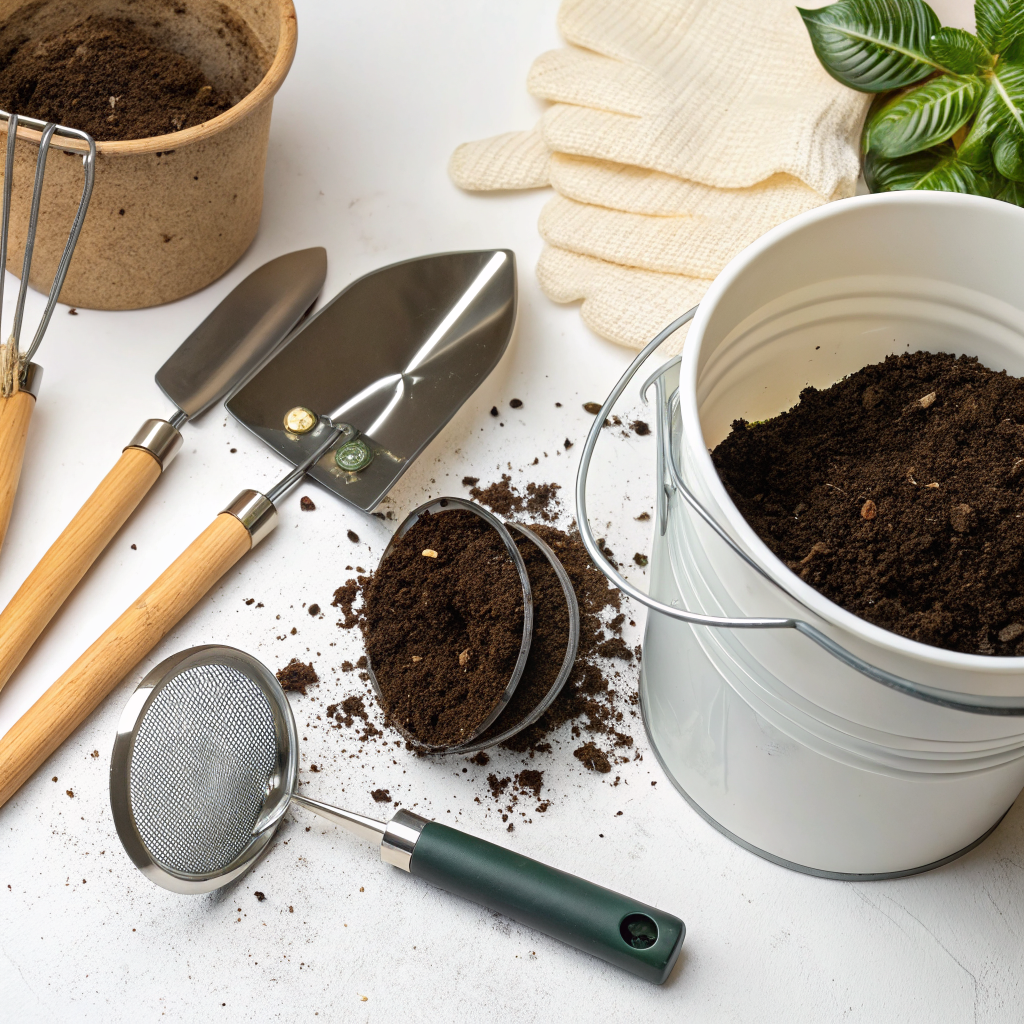
Creating effective compost tea doesn’t require an arsenal of expensive equipment, but having the right tools and quality ingredients is crucial for a successful brew. The key is to provide the ideal environment for microbial proliferation, ensuring you create a potent and beneficial concoction for your garden.
Tools and Equipment:
- 5-Gallon Bucket or Larger Container: This will be your brewing vessel. Choose food-grade plastic or any clean, non-toxic container. The size depends on how much tea you want to make.
- Air Pump and Air Stone (Aquarium Pump): This is perhaps the most critical piece of equipment for aerated compost tea. An air pump, like those used for aquariums, with an air stone attached, will oxygenate your brew. Aeration is essential for culturing beneficial aerobic microbes and preventing the growth of harmful anaerobic organisms.
- Breathable Bag (Compost Tea Bag, Pantyhose, or Mesh Bag): This bag will hold your compost, allowing the microbes and soluble nutrients to leach into the water while keeping the solid compost material separate. Old pantyhose work surprisingly well!
- Stirring Stick or Spoon: For mixing ingredients and occasionally stirring the brew.
- Access to Unchlorinated Water: Chlorine can kill beneficial microbes. Use rainwater, well water, or let tap water sit out for 24-48 hours to allow chlorine to dissipate. A charcoal filter can also remove chlorine instantly.
Key Ingredients for Potent Compost Tea:
- High-Quality, Mature Compost: This is the heart of your tea. Use compost that is fully decomposed, dark, crumbly, and smells earthy. Avoid compost that is still hot or smells sour/ammonia-like. A diverse range of finished organic materials ensures a broader spectrum of microorganisms.
- Microbial Food Sources (Optional but Recommended): These “activators” provide a food source for the microbes, encouraging rapid multiplication during the brewing process.
- Molasses (Unsulfured): A fantastic source of carbohydrates (sugars) for bacteria. Use blackstrap molasses for its additional mineral content.
- Fish Hydrolysate or Liquid Seaweed: Provides a broader spectrum of nutrients, including nitrogen, phosphorus, potassium, and trace minerals, benefiting both bacterial and fungal populations.
- Humic Acids/Fulvic Acids: Enhance nutrient availability and stimulate microbial activity.
- Rock Dust or Kelp Meal: Can add trace minerals, further enriching your tea.
The quality of your compost directly impacts the quality of your tea. If your compost is poor, your tea will be too. Aim for diverse, nutrient-rich compost made from kitchen scraps, yard waste, and perhaps some aged manure. For more tips on making excellent compost, check out our guide on How to Build an Efficient Compost Bin.
7 Steps to Brewing Explosive Compost Tea for Plant Growth
Crafting your own compost tea might seem daunting at first, but by following these straightforward steps, you’ll soon be brewing liquid gold for your garden. Remember consistency and observation are key to mastering this eco-friendly practice.
Step 1: Gather Your Materials and Prepare Your Water
Ensure you have all your tools and ingredients ready before you begin. Place your clean 5-gallon bucket in a shady, well-ventilated area, away from direct sunlight, which can harm microbes. Fill your bucket with unchlorinated water, leaving a few inches from the brim. If using tap water, let it sit out for at least 24 hours to allow the chlorine to off-gas. This is a critical first step to protect the beneficial microorganisms you are cultivating.
Step 2: Load Your Compost into the Brew Bag
Measure out approximately 1-2 cups of high-quality, mature compost per 5 gallons of water. Place this compost into your breathable brew bag, ensuring it’s securely tied off so no large particles escape. The goal is to allow water to circulate freely through the compost, extracting soluble nutrients and microbes, without releasing excess solid material into your tea.
Step 3: Submerge the Compost Bag and Add Microbial Foods
Gently submerge the compost bag into the unchlorinated water in your bucket. The bag should be fully immersed. Now is the time to add your microbial food sources. For a 5-gallon batch, a common ratio is 1-2 tablespoons of unsulfured molasses and 1-2 tablespoons of liquid fish hydrolysate or seaweed extract. Stir gently to help dissolve the food sources and distribute them throughout the water. These additions will give the microbes a rapid energy boost to reproduce.
Step 4: Set Up the Aeration System
Place the air stone from your aquarium pump into the bottom of the bucket, next to or beneath the compost bag. Ensure the air stone is fully submerged. Connect the air pump to an electrical outlet and turn it on. You should see a steady stream of bubbles rising through the water. This continuous aeration is vital; it prevents the brew from becoming anaerobic (low oxygen), which can lead to the growth of harmful pathogens and a putrid smell. Keep the pump running continuously for the duration of the brew.
Step 5: Brew for 24-36 Hours
Allow your compost tea to brew for 24 to 36 hours. The ideal brewing time can vary based on ambient temperature and the richness of your compost, but this range generally allows for sufficient microbial growth. The warmer the temperature (optimally 65-75°F / 18-24°C), the faster the microbes will multiply. Anything longer than 36 hours without proper monitoring can sometimes deplete the food sources or encourage less desirable microbial populations. The tea should have an earthy, sweet aroma – never foul or putrid.
Step 6: Strain and Prepare for Application
Once your brewing time is complete, turn off the air pump and remove the air stone. Carefully lift out the compost bag, allowing any excess liquid to drain back into the bucket. You can gently squeeze the bag to extract more liquid, but avoid overly aggressive squeezing, which can push fine particles into your tea. Discard the solid compost remaining in the bag; it can be returned to your compost pile or used as a soil amendment around established plants. You now have a concentrated batch of compost tea!
Step 7: Apply Your Compost Tea
Your compost tea is ready for immediate use. It’s best applied within 4-6 hours of brewing for maximum microbial viability, as the oxygen and food sources begin to diminish once brewed. You can dilute the tea with unchlorinated water at a ratio of 1:4 or 1:10 (tea to water) for general use, or even apply it undiluted for struggling plants or when establishing new ones. Apply as a foliar spray directly onto plant leaves (early morning or late afternoon to avoid scorching) and as a soil drench around the base of plants. This dual application ensures both above-ground and below-ground benefits. For tips on maximizing its effects, see our article on Advanced Soil Health Techniques.
Pro Tips and Common Mistakes to Avoid
Brewing compost tea is an art as much as a science. While the steps are straightforward, a few professional tips can elevate your success, and being aware of common pitfalls can save you from a disappointing brew.
Pro Tips for a Superior Brew:
- Temperature is Key: Aim for water temperatures between 65°F and 75°F (18-24°C) for optimal microbial activity. Too cold, and microbes are sluggish; too hot, and you risk harming certain beneficial organisms.
- Use Diverse Compost: The more diverse your compost ingredients, the wider the range of beneficial microbes in your tea. Think kitchen scraps, leaf mold, aged manure, and garden trimmings for a robust microbial mix.
- Agitation Helps: Occasionally stirring the brew (while the air pump is off) can help distribute the compost particles and food sources, ensuring all microbes get access to nutrients. Just be gentle.
- Listen to Your Nose: A good compost tea should smell earthy, sweet, or like fresh soil. If it smells rancid, sour, or like rotting eggs, something went wrong, and it’s best to discard it and start over. A bad smell indicates anaerobic conditions and potentially harmful bacteria.
- Cleanliness Matters: Always start with clean equipment to prevent introducing unwanted pathogens. Rinse your bucket and air stone thoroughly after each use.
- Don’t Be Afraid to Experiment: Once you’re comfortable with the basics, try differing concentrations of microbial foods or experiment with different types of compost to see what works best for your specific plants and soil.
Common Mistakes to Avoid:
- Using Chlorinated Water: This is a fatal mistake for your microbes. Chlorine is designed to kill microorganisms, so it will negate all your efforts. Always use dechlorinated water.
- Insufficient Aeration: If your air pump is too weak or your air stone is clogged, the water won’t be adequately oxygenated. This leads to an anaerobic brew, which can produce harmful bacteria and phytotoxic compounds that will damage your plants instead of helping them. Ensure a vigorous bubble stream.
- Brewing Too Long: While more microbes sound good, after 36 hours, food sources may become depleted, and microbial populations can start to crash, or anaerobic conditions might develop if aeration isn’t perfectly maintained. Fresh tea is best.
- Using Immature Compost: “Hot” or unfinished compost can contain pathogens, weed seeds, or compounds harmful to plants. Only use fully mature, well-cured compost for your tea.
- Applying in Direct Sunlight: Spraying compost tea on leaves during the hottest part of the day can cause beneficial microbes to die from UV radiation and heat, reducing their effectiveness and potentially scorching foliage. Apply in the early morning or late evening.
- Storing for Too Long: Compost tea is a living product. Its potency diminishes rapidly after brewing as oxygen levels drop and food sources are consumed. Use it as quickly as possible, ideally within 4-6 hours.
Eco-Friendly Variations and Enhancements
Compost tea is inherently eco-friendly, but there are ways to make your brewing and application even more sustainable and tailored to specific gardening needs. These variations demonstrate the versatility of this incredible soil amendment.
Non-Aerated (Passive) Compost Tea:
While aerated compost tea is generally preferred for its microbial diversity and safety, a simpler, non-aerated method exists. This involves soaking compost in water for a shorter period (12-24 hours) with occasional stirring, but without continuous oxygenation. Be aware that non-aerated tea often has a higher risk of developing anaerobic conditions and should be used with caution, primarily as a soil drench. It may not offer the same broad spectrum of beneficial microbes as actively aerated versions. Always check for a sweet, earthy smell; if it’s foul, discard it.
Fungal vs. Bacterial Dominant Tea:
You can influence the microbial balance of your tea by adjusting your compost and food sources.
- Bacterial Dominant Tea: Great for annuals, vegetables, and lawns. Use compost rich in green materials and a higher proportion of molasses.
- Fungal Dominant Tea: Ideal for trees, shrubs, and perennials. Use compost rich in woody materials, leaf mold, and mushroom compost. Add humic acids, oat flour, or fish hydrolysate to encourage fungal growth.
Understanding this distinction allows you to tailor your tea to specific plant requirements and achieve targeted Organic Solutions for Garden Pests.
Vermicompost Tea:
Using worm castings (vermicompost) instead of traditional compost creates a highly potent and microbe-rich tea. Vermicompost is known for its exceptional microbial density and diversity, making vermicompost tea a powerful elixir for plant growth and health. The process for brewing vermicompost tea is identical to regular compost tea, using 1-2 cups of castings per 5 gallons of water.
Adding Plant-Specific Enhancers:
Consider incorporating other natural amendments into your brew bag for additional benefits:
- Kelp Meal: Adds a broad range of trace minerals and plant growth hormones.
- Alfalfa Meal: Provides nitrogen and growth stimulants.
- Rock Dust (Azomite, Glacial Rock Dust): Increases mineral content.
- Comfrey Leaves: Known as a dynamic accumulator, comfrey adds potassium and other nutrients.
These additions can further customize your tea to address specific nutrient deficiencies or boost particular aspects of plant health.
Seasonal Considerations for Compost Tea Application
The timing of your compost tea application can significantly impact its effectiveness. Understanding how to integrate this practice into your gardening calendar will maximize its benefits throughout the growing season.
Spring: Early Season Boost
Spring is an excellent time to start applying compost tea. As plants emerge from dormancy or seedlings are transplanted, they benefit greatly from a microbial kickstart.
- Seedlings & Transplants: Use a diluted tea (1:10) as a soil drench around young plants or a gentle foliar spray. This helps reduce transplant shock, establishes a healthy root zone, and protects against early-season pathogens.
- Awakening Perennials: Drench around the base of dormant perennial plants as they begin to show new growth. This stimulates soil biology and provides vital nutrients as they come back to life.
Summer: Peak Growth and Stress Relief
During the intense growth phase of summer, compost tea applications can sustain plant health and resilience.
- Foliar Feeding: Apply as a foliar spray every 2-4 weeks to provide direct nutrient uptake and create a protective microbial film on leaves, deterring pests and diseases. Always spray in the early morning or late afternoon to prevent leaf burn and allow microbes to establish before direct sunlight.
- Heavy Feeders: Vegetables like tomatoes, corn, and squash, which are heavy feeders, will particularly benefit from regular soil drenches with compost tea.
- Stress Recovery: If plants are showing signs of stress from heat, drought, or mild pest pressure, a timely application of compost tea can help them recover and bolster their defenses.
Autumn: Preparing for Winter
Don’t stop brewing when the harvest ends! Autumn applications are crucial for long-term soil health.
- Soil Remediation: Drench garden beds after harvest to replenish beneficial microbes depleted during the growing season. This helps break down leftover plant matter and prepares the soil for next year.
- Perennial Support: Apply around trees, shrubs, and perennial beds to strengthen them before winter dormancy, enhancing their resilience to cold and disease.
Winter: Limited Application
While less common, some gardeners may apply compost tea in milder winter climates or to indoor plants.
- Indoor Plants: A diluted compost tea can be a fantastic boost for houseplants when growth slows down in winter.
- Dormant Outdoor Plants: In very mild climates, occasional soil drenching during dormant periods can continue to improve soil structure, though microbial activity will be much slower.
Remember, the key is consistency. Regular applications throughout the growing season provide a continuous supply of beneficial microbes, leading to cumulatively better plant health and explosive growth. For maintaining year-round garden health, consider exploring our techniques for Sustainable Gardening Practices.
Expert Resources for Deeper Understanding
To further your knowledge and refine your compost tea brewing skills, consult these reputable external resources. They offer in-depth scientific explanations, practical tips, and research-backed advice.
- Gardening Know How: Gardening Know How’s Guide to Compost Tea – This article provides a solid, accessible overview of how to make and use compost tea, including recipes and benefits. It’s a great starting point for beginners.
- Royal Horticultural Society (RHS): RHS on Compost Tea – The RHS offers guidance on various gardening topics, and their perspective on compost tea is rooted in extensive horticultural research and best practices.
- University of Minnesota Extension: What Are Compost Teas? – University extension programs provide science-based information relevant to local agricultural and gardening needs. This resource offers technical insights into the components and efficacy of compost tea.
Conclusion: Unleash the Power of Microbes for Explosive Plant Growth
Brewing compost tea is more than just a gardening technique; it’s an investment in the long-term health and vitality of your soil and plants. By embracing this eco-friendly hack, you’re not merely fertilizing; you’re cultivating a vibrant, resilient ecosystem right in your backyard. The minimal effort and cost involved are far outweighed by the profound benefits you’ll observe: stronger, healthier plants, increased yields, enhanced disease resistance, and a significantly richer, more fertile soil structure.
Remember that the journey to explosive compost tea plant growth is a continuous learning process. Start with high-quality compost, ensure proper aeration, and pay attention to the subtle cues your brew provides. With each successful batch, you’ll gain confidence and a deeper connection to the natural processes that sustain life in your garden. Embrace the science, enjoy the DIY aspect, and prepare to be amazed by the transformative power of this liquid gold. Your garden, and the planet, will thank you for it.
FAQ: Your Compost Tea Questions Answered
Q: Can I use compost tea on all types of plants?
A: Yes, compost tea is generally beneficial for almost all types of plants, including vegetables, fruits, flowers, trees, shrubs, and lawns. It provides a broad spectrum of microorganisms and nutrients that support overall plant health regardless of species.
Q: How often should I apply compost tea for the best results?
A: For optimal benefits, apply compost tea every 2-4 weeks throughout the main growing season. For struggling plants, you might apply more frequently (e.g., weekly) for a few applications. Less frequent applications will still provide benefits, especially as a soil drench.
Q: What should I do if my compost tea smells bad?
A: If your compost tea smells foul, rotten, or like sewage, it has likely gone anaerobic (lacked sufficient oxygen). Discard it immediately, as it could contain harmful pathogens that might damage your plants. Review your aeration setup and ingredients before brewing your next batch.
Q: Can I store finished compost tea? If so, for how long?
A: Compost tea is best used immediately, ideally within 4-6 hours of brewing, to maximize the viability and activity of beneficial microbes as oxygen levels and food sources begin to dwindle. While it can be stored for a very short period (e.g., up to 24 hours) in an aerated container, its effectiveness will decrease significantly.