Ultimate Guide: 7 Steps to Make Leaf Mold – The Gardener's Black Gold
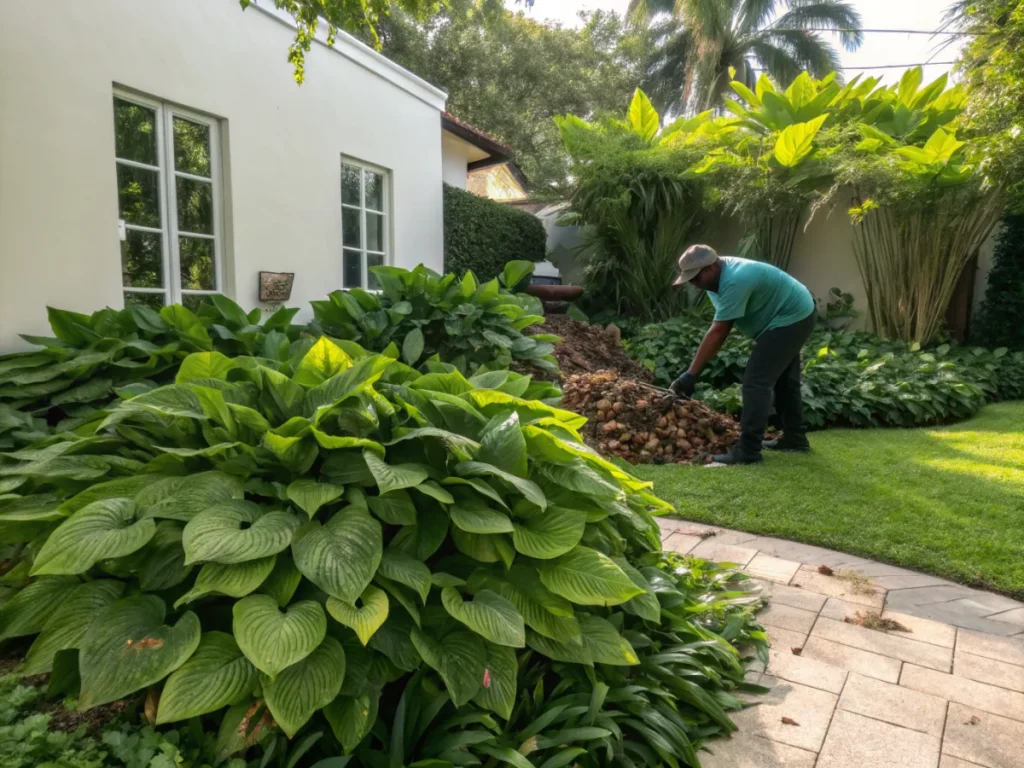
Autumn brings a bounty of color, crisp air, and, for many gardeners, a deluge of fallen leaves. While some see these as mere garden waste, savvy cultivators recognize them as an invaluable resource. This guide will reveal how to make leaf mold, transforming those abundant autumn leaves into “gardener’s black gold” – a free, slow-release soil improver that nourishes your garden, conserves resources, and builds a thriving ecosystem. Forget expensive amendments; leaf mold is a natural miracle, enriching your soil’s structure, moisture retention, and microbial life for healthier, more resilient plants.
[lwptoc]
Why Making Leaf Mold Matters for Your Garden
Leaf mold isn’t just a fancy name for decomposed leaves; it’s a distinct and highly beneficial soil amendment that offers unique advantages over traditional compost. Unlike hot compost, which aims for rapid decomposition through a balanced mix of ‘greens’ and ‘browns,’ leaf mold is a slow, cold process primarily driven by fungi breaking down cellulose and lignin in leaves. This results in a product with exceptional qualities that your garden will love.
One of the primary benefits is its incredible ability to improve soil structure. Leaf mold acts like a sponge, creating countless tiny air pockets that enhance drainage in heavy clay soils and increase water retention in sandy soils. This dual action ensures that plant roots have access to both oxygen and moisture, crucial for optimal growth and nutrient uptake. Imagine your soil becoming light, airy, and friable – that’s the magic of leaf mold.
Furthermore, leaf mold is a superb soil conditioner. It doesn’t contribute significant amounts of nitrogen, phosphorus, or potassium like a chemical fertilizer, but it excels at providing trace minerals and, more importantly, a rich habitat for beneficial soil microbes. These microscopic workers are essential for breaking down organic matter, cycling nutrients, and even suppressing plant diseases. By fostering a diverse and active soil microbiome, leaf mold builds a truly living soil.
For gardeners focused on sustainability, making your own leaf mold is a no-brainer. It diverts organic waste from landfills, reducing methane emissions and transportation costs associated with waste disposal. It also eliminates the need to purchase synthetic soil amendments or imported peats, which often come with environmental concerns. By utilizing a readily available, free resource, you actively participate in a closed-loop system, mimicking nature’s own recycling processes.
Finally, leaf mold has an exceptional capacity to retain moisture. A layer of leaf mold mixed into your beds or used as a mulch can reduce the need for frequent watering, especially during dry spells. This conserves precious water, saves you time, and reduces stress on your plants. Given the increasing concerns about water scarcity, this benefit alone makes leaf mold an invaluable tool for the eco-conscious gardener. Its long-term, slow-release nature means your soil benefits for months, even years, after application, offering sustained improvement rather than a quick fix.
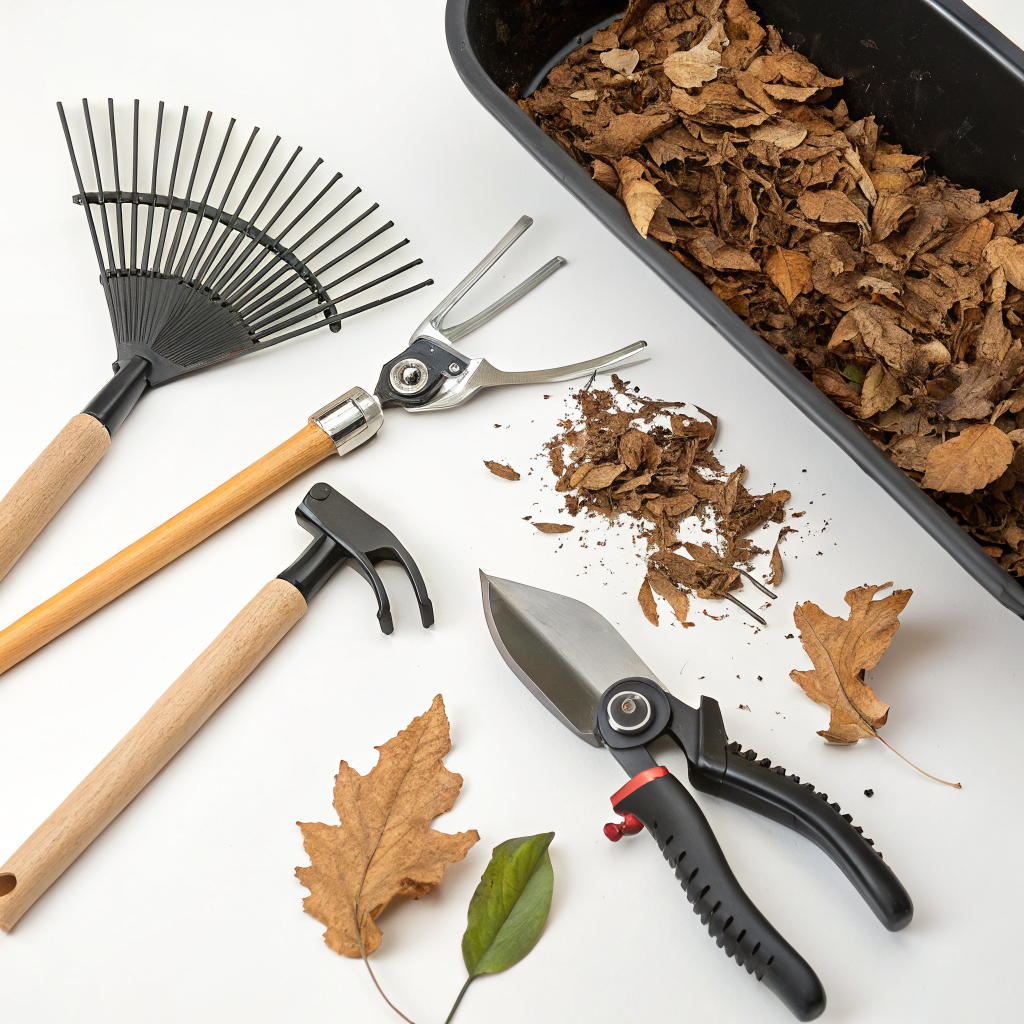
What You Need to Make Leaf Mold: Tools and Materials
The beauty of making leaf mold lies in its simplicity and minimal requirements. You won’t need expensive equipment or specialized tools. Most of what you need, you likely already possess or can acquire for free.
Primary Ingredient: Fallen Leaves. This is, of course, the star of the show. Aim for a large quantity of leaves. All deciduous tree leaves can be used, though some break down faster than others. Softer leaves like maple, birch, ash, and fruit tree leaves decompose relatively quickly (6-12 months). Tougher leaves like oak, beech, and sycamore have higher lignin content and can take 12-24 months, but they produce a more stable and long-lasting product. Avoid evergreen needles (pine, fir), as they are very acidic and slow to decompose, though a small percentage mixed in won’t hurt. Also, avoid diseased leaves if you can, to prevent spreading pathogens in your garden.
Container or Confinement: You need a way to pile and contain your leaves. Here are some popular options:
- Simple Pile: The easiest method. Just rake leaves into a large pile in a secluded corner of your garden. Make sure it’s at least 3-4 feet wide and tall to retain moisture and encourage fungal activity.
- Chicken Wire Bin: Construct a cylindrical bin using chicken wire or hardware cloth. This allows for excellent airflow while keeping the leaves contained. Secure the ends with zip ties or wire.
- Wooden Pallet Bin: Four free wooden pallets can be easily assembled into a sturdy, spacious bin. This is a robust and long-lasting option.
- Garbage Cans/Heavy-Duty Bags: For smaller quantities or if space is limited, leaves can be packed into old garbage cans (drill drainage holes in the bottom) or heavy-duty black refuse sacks. Punch several holes in the bags for aeration and moisture entry.
Tools for Collection and Processing:
- Rake: Essential for gathering leaves from your lawn and garden beds.
- Tarp or Drop Cloth: Makes collecting and transporting large quantities of leaves much easier.
- Leaf Shredder/Mower with Bagging Attachment: While not strictly necessary, shredding leaves significantly speeds up the decomposition process. A mulching mower with a bagging attachment works wonderfully, chopping leaves into smaller pieces. This increases their surface area, allowing fungi to work faster.
- Hose or Watering Can: You’ll need to keep the leaf pile consistently moist.
- Pitchfork or Garden Fork: Useful for turning the pile (though not essential for leaf mold) and for moving the finished product.
That’s it! With just a few basic items, you’re ready to embark on your leaf mold journey and start creating that gardener’s black gold.
Step-by-Step Guide: How to Create Your Gardener’s Black Gold
Making leaf mold is incredibly accommodating and forgiving. It’s a slow, natural process, so don’t expect instant gratification, but the results are truly worth the wait. Follow these simple steps to transform your autumn bounty into a valuable soil amendment.
Step 1: Gather Your Leaves
The first and most important step is to collect a substantial amount of fallen leaves. The more you gather, the more leaf mold you’ll eventually have. Rake leaves from your lawn, garden beds, and even collect them from neighbors if they’re willing. Aim for a diverse mix of tree species if possible, as this introduces a broader spectrum of microorganisms and nutrients. Remember to avoid diseased leaves if you can help it, as a precaution against spreading issues in your garden. For more tips on sustainable gardening practices, check out this article on sustainable gardening practices.
Step 2: Shred (Optional, but Recommended)
While whole leaves will eventually break down, shredding them significantly accelerates the process. Smaller pieces offer a larger surface area for fungi and microbes to colonize. The easiest way to do this is to run over them with your lawnmower (with a bagging attachment) a few times. You can also use a dedicated leaf shredder. If you don’t have a shredder, don’t worry – simply skip this step and be prepared for a slightly longer decomposition time, especially for tougher leaves like oak.
Step 3: Choose Your Method and Containment
Decide how you’ll contain your leaves. As discussed, options range from a simple pile to purpose-built bins or even heavy-duty bags.
If using a pile: Find a shaded, out-of-the-way spot in your garden. The pile should be at least 3-4 feet in all dimensions to help retain moisture and warmth.
If using a bin: Assemble your chicken wire or wooden pallet bin in an accessible location.
If using bags: Pack the shredded or whole leaves tightly into heavy-duty black garbage bags. Punch numerous small holes (about 10-15 per bag) in the sides and bottom of the bags with a pitchfork or screwdriver. These holes are crucial for aeration and drainage. Black bags help absorb solar heat, which can slightly speed up decomposition.
Step 4: Moisten Thoroughly
This is arguably the most crucial step for successful leaf mold. Leaves need to be consistently moist, but not waterlogged. As you’re building your pile or filling your bin/bags, layer the leaves and thoroughly soak each layer with water from a hose or watering can. Imagine a wrung-out sponge – that’s the ideal moisture level. If using bags, fill them about two-thirds full, add water until thoroughly soaked, then top up with more leaves, watering again. Leaves packed dry will take an exceptionally long time to break down, as fungi require moisture to thrive.
Expert Tip: If your leaves are very dry when collected, an initial thorough soaking is critical. Don’t be afraid to drench them completely.
Step 5: Let Nature Take Its Course
Once your pile is built, or your bags are sealed (tie them loosely), the hardest part is over. Now, it’s a waiting game. Fungi will naturally colonize the leaves. This process is slow and cool; you won’t see the steaming heat associated with hot composting.
For bins and piles: Check the moisture level periodically, especially during dry spells. If the leaves feel dry when you dig into the pile, give them a good watering.
For bags: Once sealed, they generally maintain moisture well. You might open them once or twice a year to check and add water if needed. Over time, the leaves will shrink considerably, so don’t be surprised by the reduction in volume.
Step 6: Occasional Turning (Optional)
While not strictly necessary for leaf mold, turning a leaf pile or transferring leaves between bins can help introduce more air and re-distribute moisture, potentially speeding up decomposition slightly. Aim to do this once or twice a year if you feel inclined. For leaves in bags, a good shake or rolling the bag on its side can suffice. The primary goal is consistent moisture and patience.
Step 7: Harvest Your Black Gold
After 6 months to 2 years, depending on the type of leaves, shredding, and conditions, your leaf mold will be ready. You’ll know it’s ready when the leaves have broken down into a dark brown, crumbly, earthy-smelling material. It won’t look like fine soil, but rather a coarse, fibrous, peat-like substance with perhaps a few recognizable leaf fragments remaining. This is perfectly normal and desirable. The texture is what gives it its incredible water-holding capacity and soil-improving qualities.
Sift it if you want (e.g., for seed starting mixes), but for general garden use, use it as is. Congratulations, you’ve made gardener’s black gold!
Pro Tips and Common Mistakes to Avoid
While making leaf mold is incredibly straightforward, a few tips can optimize the process, and avoiding common pitfalls ensures success.
Pro Tips for Optimal Leaf Mold:
- Shredding is Your Best Friend: Seriously, if you can shred your leaves, do it. It can cut the decomposition time in half, especially for tougher leaves. A lawnmower pass or two is often all it takes.
- Keep it Constantly Moist: This cannot be stressed enough. Fungi need a damp environment to thrive. If your pile or bags dry out, the decomposition process stops. Regular checks and watering are key, particularly during dry weather.
- Location Matters (for piles): A shaded spot helps prevent the pile from drying out too quickly. Proximity to a water source is also convenient for re-wetting.
- Mix Leaf Types: If you have access to a variety of leaves, mix them. Softer leaves break down faster and can help kickstart the decomposition of tougher leaves.
- Patience is a Virtue: Leaf mold is a slow process. Don’t expect compost in a few weeks. Embrace the natural pace, and you’ll be rewarded with a superior product.
- Combine with Other Methods: While leaf mold is distinct from hot composting, you can sometimes layer a small amount of “green” material (like grass clippings) into your leaf mold pile. This can sometimes introduce more nitrogen and accelerate decomposition, but be careful not to turn it into a hot compost pile if your goal is pure leaf mold.
Common Mistakes to Avoid:
- Allowing Leaves to Dry Out: The most frequent error. Dry leaves will simply sit there, inert. Ensure consistent moisture.
- Not Providing Aeration (especially in bags): If using bags, insufficient holes will lead to anaerobic conditions. While some anaerobic decomposition can occur, optimal leaf mold relies on aerobic fungal activity. Ensure enough holes for air exchange and drainage.
- Including Too Much “Green” Material: While a little is fine, too much nitrogen-rich material can shift the decomposition from fungal-dominated (leaf mold) to bacterial-dominated (compost). If your goal is pure leaf mold, stick primarily to leaves.
- Expecting Quick Results: This isn’t a race. Depending on conditions and leaf type, it can take 6 months to 2 years. Don’t get discouraged if it’s not ready in a few months.
- Using Diseased Leaves: While the decomposition process can often kill pathogens, it’s safer to avoid leaves with obvious signs of disease to prevent potential problems in your garden.
Did you know? Leaf mold can hold up to 500 times its own weight in water, making it far superior to peat moss in this regard and a truly valuable amendment. Learn more about soil amendments here.
Eco-Friendly Variations and Enhancements
Making leaf mold is inherently eco-friendly, but there are ways to amplify its sustainability and integrate it even more seamlessly into your garden’s ecosystem.
- Community Leaf Collection: Collaborate with neighbors! Organize a street-wide leaf collection day. This not only provides more material for your leaf mold but also keeps leaves out of landfills and fosters community spirit.
- Mower-Powered Shredding: Instead of dedicated machinery, use your existing lawnmower. This reduces the need for additional equipment and its associated carbon footprint.
- Repurposed Containers: Opt for recycled materials for your leaf mold bins. Old wooden pallets, chicken wire salvaged from another project, or even discarded plastic barrels (with drainage holes) are excellent, low-cost, and sustainable choices.
- Rainwater Harvesting: Instead of using potable tap water to moisten your piles, collect rainwater in barrels. This conserves municipal water resources and is a great complementary eco-practice. Check out our guide on DIY rainwater harvesting systems for inspiration.
- Integrated with Wildlife Habitats: If creating a simple pile, consider placing it in an area where it can offer shelter to beneficial insects, small mammals, or amphibians during its decomposition cycle. Just be mindful of disturbing habitats when harvesting.
- No-Dig Gardening Application: Leaf mold is a perfect component for no-dig garden beds. Layer it directly onto your garden beds in autumn, allowing it to slowly break down and incorporate into the soil over winter, mimicking natural forest floor processes.
- Biochar Inclusion: While not strictly leaf mold, incorporating a small amount of biochar (a charcoal-like substance made from biomass pyrolysis) into your leaf mold pile can create an even more powerful soil amendment. Biochar provides a long-lasting habitat for microbes and can enhance nutrient retention, working synergistically with leaf mold.
By adopting these eco-friendly variations, you not only enrich your garden soil but also contribute to a healthier planet by reducing waste, conserving resources, and fostering biodiversity.
Seasonal Considerations for Maximizing Your Leaf Mold Production
Understanding the seasonal rhythm of leaf mold production will help you plan your efforts and optimize your results.
Autumn (Fall): The Collection Gold Rush
This is primetime for leaf mold. As soon as leaves start falling, begin collecting them. This is when the largest quantity of material is available. Prioritize gathering leaves before they become overly wet and matted, which can make shredding and moving them more difficult. Aim to build your leaf mold bins or piles efficiently during this period. Ensure thorough moistening as you build your piles, as autumn air can still be surprisingly dry.
Winter: The Slow Decomposition Period
Once your leaves are piled and moistened, winter is when the magic truly begins, albeit slowly. Cold temperatures significantly slow microbial activity, but the leaves continue to break down, especially during warmer spells or if the pile is large enough to retain some heat. For leaves in bags, the black plastic will absorb what little solar radiation is available, gently warming the contents. Ensure your piles or bag holes aren’t completely frozen over, which could hinder air exchange.
Spring: Awakening and Acceleration
As temperatures rise in spring, fungal and microbial activity picks up significantly. This is a good time to check the moisture levels of your leaf mold piles. If they’ve dried out over winter, give them a good watering. If you plan to turn your pile, spring is an ideal season, as it helps re-distribute moisture and introduces more oxygen, giving the decomposition a boost.
Summer: Continued Decomposition and Early Harvest
Summer’s warmth further accelerates the breakdown process. Depending on the leaf type and whether you shredded them, some of your leaf mold might be ready for use by late summer, especially if you started with softer leaves like maple or birch. Continue to monitor moisture levels rigorously during hot, dry spells. If your leaf mold needs more time, simply leave it to continue decomposing; the heat will only aid the process.
By understanding and working with these seasonal shifts, you can ensure your leaf mold operation is consistently productive, providing you with a steady supply of this valuable soil amendment.
Expert Resources for Deeper Dives
To further your knowledge and fine-tune your leaf mold techniques, here are some invaluable external resources:
- Gardening Know How: An excellent general resource for gardeners of all levels. Their article on leaf mold provides a clear overview and practical advice: What Is Leaf Mold: How To Make Leaf Mold For Soil
- Royal Horticultural Society (RHS): A renowned authority in horticulture, the RHS offers detailed guidance on various gardening practices, including composting and leaf mold. Their fact sheets are highly reliable: Leaf mould / RHS Gardening
- University of Minnesota Extension: University extension services provide science-backed horticultural information tailored to local conditions but broadly applicable. Their composting resources often include leaf management: Composting and Using Compost / University of Minnesota Extension
These resources offer additional insights into the science behind decomposition, best practices for different regional climates, and ways to integrate leaf mold into a holistic garden management plan.
Conclusion: Embrace the Black Gold Revolution
Making leaf mold is one of the simplest, most rewarding, and environmentally conscious practices a gardener can undertake. It transforms a readily available “waste” product into a premium soil amendment, often referred to as “gardener’s black gold,” that improves soil structure, enhances moisture retention, and fosters a thriving microbial ecosystem. No chemicals, no complex machinery, just the power of nature and a little patience.
By embracing leaf mold, you not only save money on expensive soil conditioners but also actively contribute to reducing landfill waste and minimizing your carbon footprint. You’ll witness a tangible improvement in the health and vitality of your plants, from stronger root systems to lusher foliage and more abundant blooms – all thanks to the humble fallen leaf.
So, this autumn, don’t bag those leaves for the curb. Gather them, moisten them, and let nature do its work. In time, you’ll be able to enrich your garden with a truly superior, homemade product, solidifying your role as a true steward of the earth. Start your leaf mold pile today, and join the revolution of turning garden waste into indispensable gardener’s black gold.
Frequently Asked Questions About Making Leaf Mold
Q1: What is the main difference between leaf mold and compost?
A1: Leaf mold is primarily made from leaves alone and decomposes slowly through fungal action, resulting in a fibrous, peat-like substance that excels at improving soil structure and water retention. Compost, on the other hand, is a faster decomposition process involving a mix of green and brown materials, broken down by bacteria, resulting in a nutrient-rich soil amendment.
Q2: How long does it take to make leaf mold?
A2: The time frame varies depending on the type of leaves, whether they are shredded, and environmental conditions. Softer leaves (maple, birch) can turn into usable leaf mold in 6-12 months. Tougher leaves (oak, beech) can take 1-2 years. Shredding leaves can significantly speed up the process.
Q3: Can I add grass clippings to my leaf mold pile?
A3: A small amount won’t hurt, but adding significant quantities of grass clippings can shift the decomposition process away from pure leaf mold and more towards traditional compost. If your primary goal is fungal-dominated leaf mold, it’s best to stick mostly to leaves. Grass clippings are high in nitrogen and encourage bacterial decomposition, which is characteristic of hot composting.
Q4: How do I use leaf mold in my garden?
A4: Leaf mold is incredibly versatile! You can:
- Mix it directly into your garden beds to improve soil structure and water retention.
- Use it as a top dressing or mulch around plants to suppress weeds, conserve moisture, and regulate soil temperature.
- Incorporate it into potting mixes or seed starting mixes (you might want to sift it for finer applications).
- Add it to your compost pile as a “brown” material to balance nitrogen-rich “greens.”
Its gentle nutrient release and exceptional physical properties make it beneficial for almost any plant and soil type.