The Ultimate Guide to Saving Tomato Seeds for an Abundant Harvest Year After Year
Imagine a garden where your favorite tomato varieties return year after year, not from a pricey seed packet, but from the bounty of your previous harvest. This isn’t a gardener’s fantasy; it’s the achievable reality of saving tomato seeds. Not only does seed saving offer immense financial benefits by providing free seeds, but it also allows you to preserve specific plant characteristics you love, adapt plants to your microclimate over generations, and engage in a truly sustainable gardening practice. This comprehensive guide will walk you through every step of the process, ensuring your tomato legacy continues indefinitely.
[lwptoc]
Saving seeds from your best-performing tomato plants is a rewarding endeavor that connects you deeply with your garden’s cycle. It’s an essential skill for any gardener looking to enhance self-sufficiency, foster biodiversity, and nurture varieties perfectly suited to their personal growing conditions. Let’s delve into the art and science of securing your next year’s tomato crop, completely free of charge.
Why Saving Tomato Seeds Matters for Your Garden and Wallet
The act of saving tomato seeds goes far beyond simple frugality, though that’s certainly a compelling benefit. Every seed saved from your garden is a step towards a more sustainable and resilient gardening system. It allows you to become an active participant in preserving genetic diversity and adapting plants to your unique environment, year after year.
One of the most immediate advantages is the elimination of seed costs. Imagine never having to purchase seeds for your heirloom tomatoes again; this alone can lead to significant savings annually. Furthermore, when you save seeds from your most robust, disease-resistant, and high-yielding plants, you are naturally selecting for traits that thrive in your specific garden conditions. Over time, these plants can become increasingly adapted to your soil, climate, and pest pressures, leading to even better harvests.
Preserving open-pollinated and heirloom varieties is another critical aspect. Many commercial seed companies focus on hybrid varieties, which do not produce true-to-type seeds. By saving seeds from open-pollinated heirlooms, you are actively participating in protecting genetic heritage and ensuring these unique flavors and characteristics remain available for future generations of gardeners. It’s a small but powerful act of conservation.
Finally, there’s the profound satisfaction of closing the loop in your gardening cycle. From planting a tiny seed to harvesting delicious fruit, and then selecting the best fruit to provide seeds for the next generation – it’s a deeply fulfilling journey. This practice fosters a greater understanding of plant life cycles and empowers you to be more self-reliant in your food production.
What You Need: Tools, Materials, and the Right Tomatoes
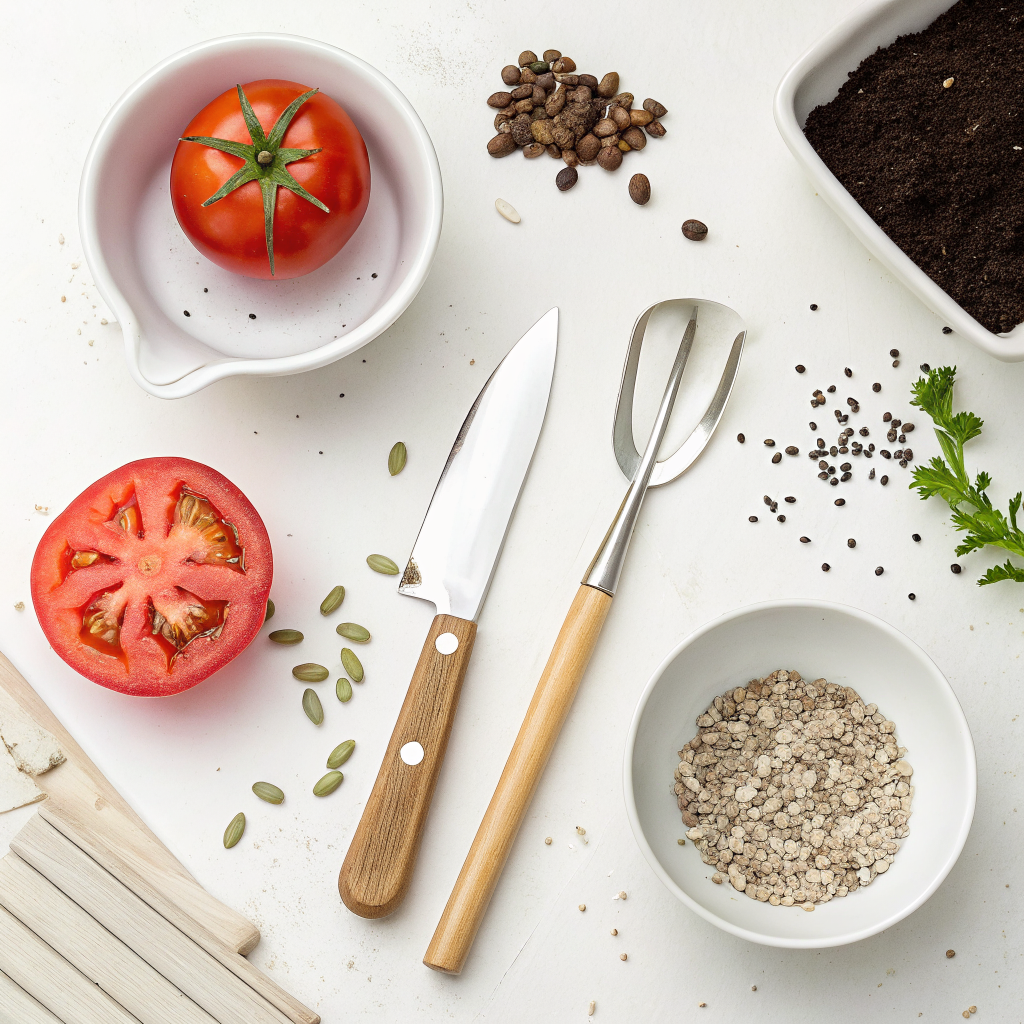
Before you embark on your seed-saving journey, gathering the necessary tools and selecting the right tomatoes is crucial. The investment in materials is minimal, and most items are likely already in your kitchen or readily available. Preparation ensures a smooth and successful seed collection process.
Essential Tools and Materials:
- Ripe Tomatoes: The star of the show! Choose healthy, fully ripe (or even slightly overripe) tomatoes from open-pollinated or heirloom varieties. Avoid hybrid tomatoes, as their seeds will likely not produce plants true to the parent.
- Sharp Knife: For cleanly slicing the tomatoes.
- Spoon: Ideal for scooping out the pulp and seeds.
- Small Containers (Jars or Cups): Glass jars work best as they are easy to clean and allow you to observe the fermentation process. Label each container clearly with the tomato variety.
- Water: For rinsing the seeds.
- Fine-Mesh Sieve or Strainer: Essential for separating the seeds from the fermented pulp.
- Paper Towels or Coffee Filters: For initial drying of the seeds. Avoid newspaper as the ink can transfer.
- Non-Stick Surface for Drying: A ceramic plate, glass pane, or even a sheet of parchment paper works well. Avoid paper towels for long-term drying as seeds can stick to them.
- Envelopes or Small Jars: For storing your dried, viable seeds.
- Labels and Permanent Marker: Indispensable for tracking varieties, dates, and any important notes.
Choosing the Right Tomatoes for Seed Saving:
The success of your seed-saving efforts largely depends on the tomatoes you select. Here’s what to look for:
- Open-Pollinated or Heirloom Varieties: This is the golden rule. Open-pollinated tomatoes produce seeds that will grow into plants identical or very similar to the parent plant. Hybrid tomatoes (often labeled F1) are a cross between two different parent lines. Seeds from hybrids will produce offspring that are genetically unstable and won’t reliably resemble the parent plant. Always check your seed packets or plant tags.
- Healthy, Robust Plants: Select fruit from plants that exhibited strong growth, good disease resistance, and high yields throughout the season. You want to propagate these desirable traits.
- Perfectly Ripe Fruit: Choose tomatoes that are fully colored and soft to the touch. Slightly overripe tomatoes are actually ideal for seed saving as the seeds within are fully mature and developed, increasing their viability.
- Typical Characteristics: Select fruits that are typical for their variety in terms of size, shape, and color. Avoid fruits with unusual deformities or those that show signs of disease.
- Taste and Flavor: Of course, only save seeds from tomatoes with exceptional flavor! The whole point is to replicate your best-tasting varieties.
By carefully selecting your source tomatoes and having your simple tools ready, you prepare the groundwork for a successful and satisfying seed-saving experience. This initial investment in time and attention will pay dividends in future harvests.
Step-by-Step Guide: The Fermentation Method for Perfect Tomato Seeds
The fermentation method is widely considered the best approach for saving tomato seeds. It mimics a natural process, breaking down germination inhibitors and helping to kill off seed-borne diseases. This results in cleaner seeds with a higher germination rate. Follow these steps for success.
Step 1: Select and Prepare Your Tomatoes
Once you’ve chosen your prime tomatoes (open-pollinated, healthy, and fully ripe), it’s time to extract the seeds. Slice each tomato in half horizontally, effectively cutting across the seed cavities. This makes it easier to access the seed pulp. Avoid cutting vertically through the stem, as this can make scooping more difficult. Work over a clean surface to ensure no seeds are lost.
Step 2: Scoop Out Seeds and Pulp
Using a spoon, carefully scoop out the jelly-like pulp and seeds from each half of the tomato. Place this mixture directly into a small, clean jar or container. It’s crucial to keep different varieties separate to avoid accidental cross-contamination. Label each jar immediately and clearly with the tomato variety and the date of seed collection. This meticulous labeling is key to long-term success.
Step 3: Begin the Fermentation Process
Once all the pulp and seeds are in the jar, add a small amount of water – just enough to barely cover the seed mass. This isn’t strictly necessary but can help initiate the fermentation and prevent the mixture from drying out too quickly. Cover the jar loosely with a lid, plastic wrap, or a piece of cloth secured with a rubber band. This allows air exchange while preventing fruit flies from becoming a nuisance. Place the jar in a warm spot, but out of direct sunlight, for 2-5 days.
Step 4: Monitor the Fermentation
During the fermentation, a layer of mold may form on top, and the mixture will likely develop a somewhat yeasty, pungent smell. This is normal and indicates the process is working. Stir the mixture gently once or twice a day. Good seeds are heavier and will sink to the bottom of the jar, while the pulp, undeveloped seeds, and mold will float to the top. The fermentation is complete when the seeds have separated from the pulp and sunk, and the mold layer is clearly visible on the surface. If you see signs of sprouting, the fermentation has gone too long, and those seeds may not be viable.
Step 5: Separate and Rinse the Seeds
Once fermentation is complete, carefully pour off the moldy top layer and any floating pulp and bad seeds. You might need to add a little fresh water and swirl it gently to help separate the good seeds from any remaining debris. Then, pour the remaining seeds and water into a fine-mesh sieve or strainer. Rinse the seeds thoroughly under running water, using your fingers to rub away any adhering pulp. Continue rinsing until the seeds are completely clean and grit-free. This step is critical for preventing fungal diseases later on.
Step 6: Dry the Seeds Thoroughly
After rinsing, spread the clean seeds in a single layer on a non-stick surface such as a ceramic plate, a sheet of glass, or parchment paper. Do not use paper towels directly, as the seeds will stick as they dry. Place the drying surface in a warm, dry area with good air circulation, away from direct sunlight. Turn the seeds gently once or twice a day to ensure even drying. Complete drying can take 1-3 weeks, depending on humidity and airflow. The seeds are fully dry when they snap rather than bend when you try to flex them. Any residual moisture can lead to mold and ruin your entire batch.
Step 7: Store Your Dried Seeds
Once absolutely bone dry, store your tomato seeds in labeled envelopes, small airtight jars, or sealable plastic bags. Be sure to label each container clearly with the tomato variety, the date of collection, and any relevant notes (e.g., “from best-tasting fruit”). Store the containers in a cool, dark, and dry place. A consistent temperature between 35-50°F (2-10°C) is ideal, making a refrigerator a good option for long-term storage. Properly stored tomato seeds can remain viable for 4-10 years, and sometimes even longer, providing a consistent supply for your garden.
Pro Tips and Common Mistakes to Avoid When Saving Tomato Seeds
While seed saving is a relatively straightforward process, there are nuances and potential pitfalls. Heeding these pro tips and understanding common mistakes will significantly increase your success rate and ensure a healthy, viable seed stock for future seasons.
Pro Tips for Maximizing Seed Success:
- Isolate Varieties (If Possible): While tomatoes are largely self-pollinating, cross-pollination can occur, especially with certain bumblebee activity. If preserving genetic purity is paramount, consider isolating varieties by distance or using exclusion bags during flowering. For typical home gardeners, this isn’t usually a major concern, but it’s worth noting for true heirloom preservationists.
- Save from Multiple Plants: Don’t just save seeds from one prize tomato plant. Aim to save from several healthy plants of the same variety. This maintains a broader genetic base and reduces the risk of genetic bottlenecks over time.
- Keep Detailed Records: Labeling is paramount. Beyond variety and date, consider adding notes about the parent plant’s performance: disease resistance, yield, flavor, and any unique characteristics. This data helps you make informed choices in future seasons.
- Test Germination Periodically: If you’re unsure about the viability of older seeds, perform a simple germination test. Place 10 seeds on a damp paper towel, roll it up, place it in a plastic bag, and keep it warm. Check periodically for sprouting. This gives you an idea of your seed batch’s germination rate before planting time.
- Consider “Wet” vs. “Dry” Seed Crops: Tomatoes are “wet” seed crops because their seeds are encased in fruit. The fermentation process is specific to these types. Other “dry” seed crops (like beans, corn, lettuce) have different saving methods.
- Share and Trade: Seed saving is a communal activity! Connect with local gardening groups or seed swap communities. Sharing seeds contributes to local biodiversity and allows you to try new varieties.
Common Mistakes to Avoid:
- Saving Seeds from Hybrid Tomatoes (F1): As mentioned, seeds from hybrids will not reliably reproduce the parent plant. You’ll likely end up with plants exhibiting unpredictable traits, often inferior to the original. Always confirm the tomato is open-pollinated or heirloom.
- Not Fermenting the Seeds: Skipping fermentation significantly reduces germination rates and leaves seeds susceptible to seed-borne diseases. The protective gel around the seed contains germination inhibitors that fermentation safely removes.
- Incomplete Drying: This is arguably the most common and devastating mistake. Any residual moisture will lead to mold development and render your seeds useless, sometimes within weeks. Seeds must be bone dry, snapping rather than bending.
- Poor Storage Conditions: Heat, humidity, and light are the enemies of seed viability. Storing seeds in a warm, bright, or damp place will drastically shorten their shelf life. Cool, dark, and dry conditions are essential.
- Cross-Contamination of Varieties: Mixing up different tomato varieties during the scooping or drying process leads to confusion and loss of genetic purity. Meticulous labeling and handling individual batches separately are crucial.
- Saving from Diseased or Weak Plants: You want to select for strong, healthy traits. Saving seeds from plants that struggled with disease or were generally weak will only propagate those undesirable characteristics in future generations.
- Too-Long Fermentation: While essential, over-fermenting can damage the seeds. If you see signs of sprouting in the jar, the seeds may have lost their viability. Stick to the 2-5 day window, depending on temperature.
By keeping these expert tips and common pitfalls in mind, you’ll embark on your seed-saving journey with greater confidence and a much higher chance of success, ensuring a continuous supply of your favorite tomato varieties.
Eco-Friendly Variations and Sustainable Practices
Saving tomato seeds is inherently an eco-conscious practice, reducing waste and promoting self-sufficiency. However, we can further enhance its environmental benefits by incorporating additional sustainable methods into our seed-saving routine. These variations not only benefit the planet but also strengthen the resilience of your garden.
Embracing Rainwater for Rinsing:
Instead of using municipal tap water for rinsing your fermented seeds, consider collecting and utilizing rainwater. Rainwater is free of chlorine and other chemicals often found in tap water, which can potentially impact seed viability or introduce compounds to your seeds. A simple rain barrel attached to your gutter can provide ample, pure water for this purpose and many other garden tasks. This small switch contributes to water conservation and reduces your reliance on treated water. For more sustainable gardening tips, check out our guide.
Sustainable Drying Methods:
Avoid using energy-intensive methods like ovens or dehydrators for drying your seeds. The sun and air are your best and most eco-friendly allies. Utilize passive solar drying by placing your seeds in a well-ventilated, sunny (but not scorching direct sun) spot. A screen-bottomed tray allows for optimal airflow from beneath, speeding up the process without any energy consumption. Ensure the area is protected from pests, strong winds, and sudden rain showers. Good air circulation is key, which can be enhanced by simply placing a small, energy-efficient fan nearby.
Composting the Pulp and Scraps:
After separating your precious seeds, don’t let the remaining tomato pulp, skins, and any spoiled fruit go to waste. These organic materials are excellent additions to your compost pile. Composting enriches your garden soil, reduces landfill waste, and creates a closed-loop system in your garden. Ensure your compost pile is actively hot to help break down any potential disease pathogens, although the fermentation process should already have addressed many seed-borne issues. For a guide to composting, read more here.
Zero-Waste Packaging for Storage:
While plastic bags or new envelopes are common for seed storage, consider more sustainable alternatives. Mason jars (cleaned and sterilized) are excellent, durable, and reusable options that provide an airtight seal. You can also craft seed packets from recycled paper (e.g., old calendars, brown paper bags) and clearly label them. For long-term storage, even small glass vials or tins can be repurposed. The goal is to minimize single-use plastics and maximize recyclability and reusability in your storage solutions.
Growing Heirloom and Open-Pollinated Exclusively:
The most fundamental eco-friendly variation is to commit to growing only heirloom and open-pollinated tomato varieties. By doing so, you support genetic diversity, promote seed-saving culture, and reduce reliance on large agribusinesses for proprietary hybrid seeds. This choice connects you with generations of gardeners who have stewarded these varieties, ensuring their survival for future generations.
Integrating these eco-friendly variations into your seed-saving practice not only makes your garden more sustainable but also deepens your connection to the entire lifecycle of your food. It’s a holistic approach that benefits both your garden and the broader environment.
Seasonal Considerations for Optimal Seed Saving
Timing and environmental factors play a significant role in successful seed saving. Understanding the seasonal considerations ensures you select the best possible fruit at the right time and manage the process effectively for maximum viability.
Late Summer to Early Autumn: Prime Harvest Time
The optimal time to collect tomato fruits for seed saving is typically in late summer to early autumn, just before the first frost threatens. This period ensures the fruits have had ample time on the vine to fully mature and the seeds within are completely developed. You’re looking for fruits that are perfectly ripe, or even slightly overripe. Tomatoes harvested too early may contain immature seeds that have poor germination rates. If cool temperatures are approaching, you might harvest slightly under-ripe fruit and allow them to ripen on the counter for a few days before extracting seeds.
Maturity is Key:
While a tomato might look red on the outside, its seeds may not be fully mature if picked too early. The plant dedicates energy to seed development throughout the fruit’s ripening process. Waiting for full ripeness ensures the embryonic plant within each seed has fully formed and accumulated enough energy reserves to successfully germinate and grow into a strong seedling. Monitor your plants closely, selecting fruits from your very best plants that show no signs of disease or stress.
Managing Fermentation Temperature:
The fermentation process is temperature-dependent. During warmer late summer days, the fermentation might complete in just 2-3 days. In cooler early autumn conditions, it could take up to 5-7 days. Consistent warmth (ideally around 70-80°F / 21-27°C) will speed up the process, while cooler temperatures will slow it down. Avoid temperatures that are too hot (which can cook the seeds) or too cold (which can halt fermentation). Placing the jars indoors in a warm kitchen cabinet or on a shelf, away from direct sunlight, is usually ideal.
Drying Conditions: A Critical Factor:
Seasonal humidity is a major consideration during the drying phase. Late summer and early autumn can still see high humidity levels in some regions, which can significantly prolong the drying process and increase the risk of mold. Choose the driest possible location indoors. A room with a dehumidifier or air conditioning can be beneficial. Ensure excellent air circulation around the seeds; a small fan can be used to gently move air, but avoid direct blast that could scatter the seeds. Never rush the drying process by using heat sources like ovens, which can destroy the seeds’ viability. Patience is paramount for achieving bone-dry seeds.
Storing for the Long Haul:
Once dried, the prevailing winter conditions for storage are generally favorable for seeds. The cool, dark conditions of a pantry, closet, or refrigerator mimic the ideal seed storage environment. While summer brings heat and humidity, ensuring your seeds are safely sealed and stored in a consistently cool, dry, and dark place during the off-season is vital for maintaining their viability for years to come. Remember to re-label your seeds annually if storing for extended periods, as old labels can fade.
By aligning your seed-saving efforts with these seasonal considerations, you enhance the natural processes, ensuring your stored tomato seeds are of the highest quality and ready to spring to life next growing season.
Expert Resources for Advanced Seed Savers
For those eager to deepen their knowledge, explore more advanced seed-saving techniques, and connect with the broader seed stewardship community, these expert resources offer invaluable information. From scientific principles to practical guides, they provide a wealth of wisdom for the dedicated gardener.
- Gardening Know How: This comprehensive online resource offers a vast array of articles on all aspects of gardening, including detailed guides on seed saving. Their articles often break down complex topics into easy-to-understand language, providing practical advice for home gardeners. They frequently cover specific plant types, offering tailored instructions for various fruits and vegetables. Explore their seed saving resources.
- Royal Horticultural Society (RHS): As one of the world’s leading horticultural organizations, the RHS provides authoritative information grounded in scientific research. Their guides on seed collection and storage are meticulously detailed and adhere to best practices for maintaining seed viability and genetic purity. They cover not only common vegetables but also ornamental plants, offering a broader perspective on seed stewardship. Find expert advice on tomatoes from the RHS.
- University of Minnesota Extension: University extension programs are excellent sources of science-backed, localized gardening information. The University of Minnesota Extension, like many others, offers fact sheets and guides on seed saving that are tailored to regional climates and potential challenges. These resources are often peer-reviewed and highly reliable, providing a valuable academic perspective on the practical art of seed saving. Learn more about saving vegetable seeds from Extension.
Conclusion: Your Sustainable Tomato Future Starts Now
Saving tomato seeds is more than just a gardening technique; it’s a testament to self-reliance, a commitment to sustainability, and an act of profound connection with the natural world. By following the fermentation method, meticulously drying, and properly storing your seeds, you unlock a continuous supply of your favorite, climate-adapted tomato varieties, free of charge, for years to come.
This practice empowers you to become a steward of genetic diversity, preserving heirloom legacies and fostering stronger, more resilient plants in your own backyard. Each seed you save is a tiny promise of future harvests, a tangible link between seasons, and a symbol of your dedication to a thriving, abundant garden. Embrace the art of seed saving, and watch your tomato legacy flourish, year after beautiful year.
Frequently Asked Questions About Saving Tomato Seeds
Q: Can I save seeds from any tomato?
A: Only save seeds from open-pollinated or heirloom tomato varieties. Seeds from “hybrid” (F1) tomatoes will likely not produce plants true to the parent, often resulting in inferior or unpredictable offspring.
Q: What happens if I don’t ferment the seeds?
A: Fermentation is crucial as it removes a gel-like coating (containing germination inhibitors) from around the seeds and helps kill off seed-borne diseases. Without it, seeds have a much lower germination rate and are more susceptible to mold and pathogens.
Q: How long can I store saved tomato seeds?
A: Properly cleaned, thoroughly dried, and correctly stored tomato seeds can remain viable for 4-10 years, and sometimes even longer, especially if kept in cool, dark, and dry conditions (like a refrigerator or freezer).
Q: My fermented seeds still have some mold on them after rinsing. Is that okay?
A: A small amount of residual discoloration or very fine particles might remain, but the goal is to rinse them until they are as clean as possible. If there’s persistent, visible mold, rinse again very thoroughly. Ensure they are completely dry, as residual moisture is the main culprit for mold during storage.