The Ultimate 7-Step Guide: How to Use Mycorrhizal Fungi to Supercharge Your Plants
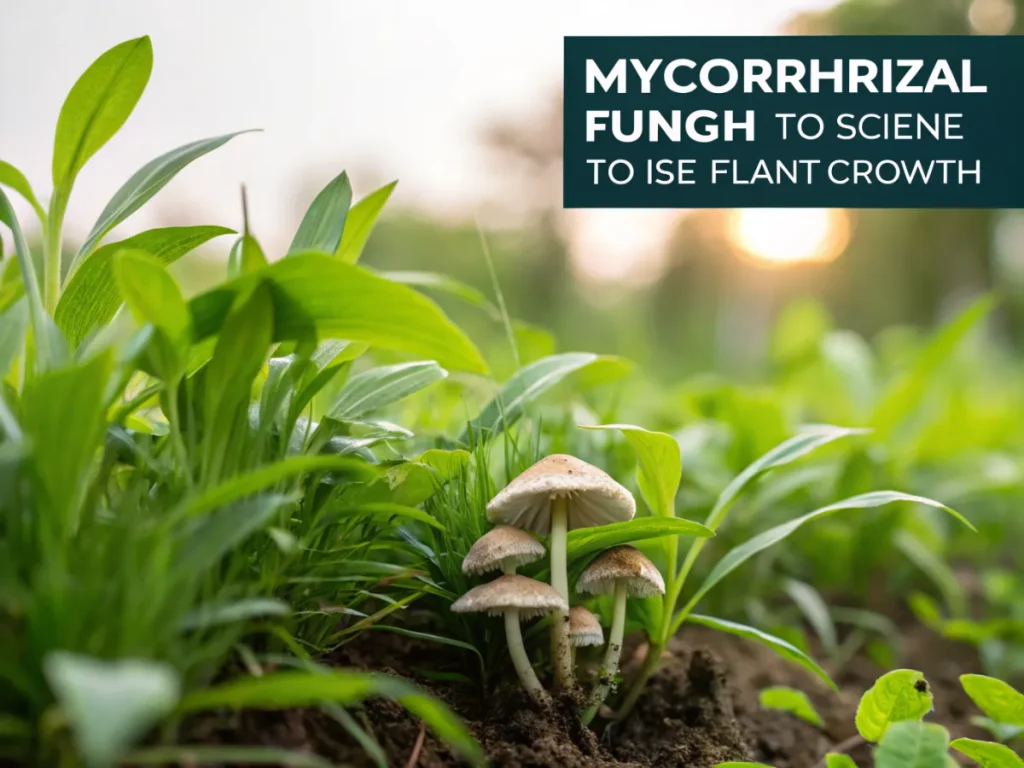
Imagine a hidden network beneath your garden, a microscopic superhighway that delivers vital nutrients directly to your plants’ roots, protects them from disease, and helps them thrive even in challenging conditions. This isn’t science fiction; it’s the reality of mycorrhizal fungi, an incredible natural phenomenon waiting to be harnessed by every gardener. These beneficial fungi form a symbiotic relationship with plant roots, extending their reach far beyond what roots can achieve alone, making them an indispensable ally for anyone looking to cultivate a truly vibrant and resilient garden.
In this comprehensive guide, we’ll dive deep into the world of mycorrhizal fungi, explaining exactly how they work, why they are a game-changer for plant health, and most importantly, provide a step-by-step roadmap to successfully incorporate them into your gardening practices. Prepare to unlock a new level of growth, vitality, and productivity for all your beloved plants, demonstrating how mycorrhizal fungi supercharge plants from the ground up.
[lwptoc]
Why Mycorrhizal Fungi Matter for Your Garden: A Symbiotic Superpower
The relationship between mycorrhizal fungi and plants is one of nature’s most extraordinary examples of mutualism. The word “mycorrhiza” itself comes from the Greek words “mykes” (fungus) and “rhiza” (root), literally meaning “fungus-root.” This ancient partnership has been evolving for millions of years, proving its effectiveness time and again in diverse ecosystems across the globe. Understanding this fundamental connection is key to appreciating why these fungi are so crucial for your garden’s success.
At its core, a mycorrhizal association involves the fungus colonizing the plant roots, forming a vast network of hyphae (filaments) that extend far into the soil, acting as an extension of the root system. In exchange for carbohydrates (sugars) produced by the plant through photosynthesis, the fungi provide an extensive array of benefits. They are particularly adept at scavenging for nutrients and water that would otherwise be inaccessible to the plant’s roots alone, effectively expanding the plant’s feeding zone. This enhanced nutrient uptake translates directly into healthier, more vigorous plants, demonstrating how mycorrhizal fungi supercharge plants in a very fundamental way.
Beyond nutrient absorption, mycorrhizal fungi offer several other profound advantages. They significantly improve soil structure by secreting sticky substances that bind soil particles together, leading to better aeration and water penetration. This creates a more hospitable environment for roots and other beneficial soil organisms. Furthermore, mycorrhizal fungi can enhance a plant’s resistance to various stresses, including drought, disease (by outcompeting pathogens or inducing systemic resistance), and even heavy metal toxicity. They act as a natural defense mechanism, strengthening the plant’s overall resilience against environmental challenges.
For the eco-conscious gardener, harnessing mycorrhizal fungi aligns perfectly with sustainable practices. By improving nutrient cycling and water efficiency, they can reduce the need for synthetic fertilizers and excessive irrigation, lessening your garden’s environmental footprint. This natural approach fosters a more balanced and thriving soil ecosystem, promoting biodiversity and long-term garden health. Embracing mycorrhizal colonization is not just about growing bigger plants; it’s about cultivating a healthier, more resilient, and truly living soil, showcasing the myriad ways mycorrhizal fungi supercharge plants naturally.
What You Need: Tools, Materials, and Plants for Mycorrhizal Success
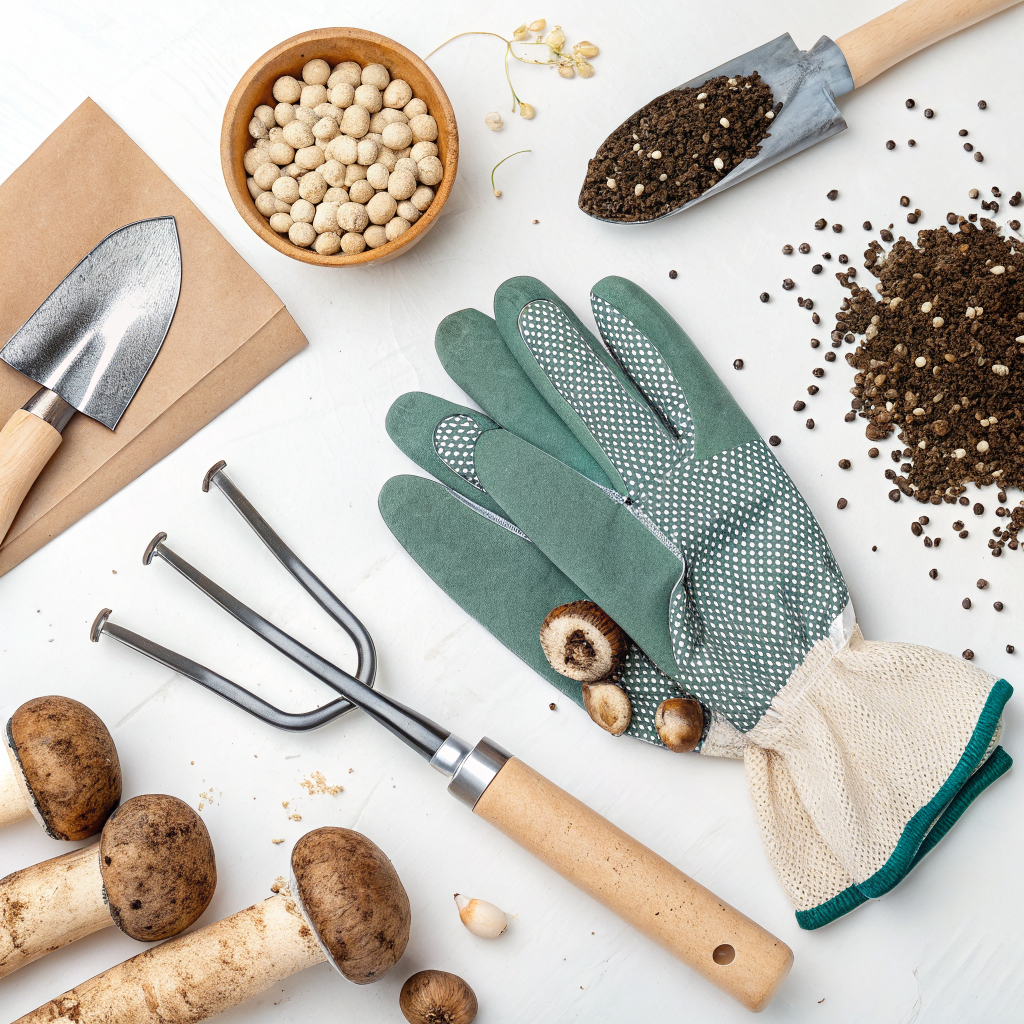
Embarking on your mycorrhizal journey doesn’t require an extensive list of specialized equipment. The beauty of working with nature is often its simplicity, yet having the right materials ensures optimal results. Primarily, your focus will be on acquiring high-quality mycorrhizal inoculants and preparing your plants and soil for their introduction. Here’s a breakdown of what you’ll need.
Essential Materials:
- Mycorrhizal Inoculant: This is the star of the show. Mycorrhizal inoculants come in various forms: powders, granules, liquid concentrates, and even as coatings on seeds. Ensure you choose a broad-spectrum product containing multiple species of endo- and/or ectomycorrhizal fungi, depending on the types of plants you’re growing. Check the label for expiration dates and storage instructions; living organisms need care! You can learn more about choosing the best mycorrhizal fungi products for different applications.
- Potting Mix or Garden Soil: The quality of your substrate matters. Organic-rich, well-draining soil provides an ideal environment for both plants and fungi. Avoid overly sterile potting mixes that lack organic matter.
- Watering Can or Spray Bottle: For applying liquid inoculants or ensuring even moisture after application.
- Gardening Gloves: To keep your hands clean and protect against any skin irritation, especially when working with powders.
- Small Trowel or Dibber: For making holes or mixing inoculants into the soil without damaging delicate roots.
Optional (but Recommended) Materials:
- Organic Compost: Incorporating compost into your soil before inoculation can significantly enhance soil health and provide a rich food source for beneficial microorganisms, boosting the effectiveness of your mycorrhizal fungi. Discover the best composting techniques for optimal garden health.
- Rooting Hormone/Starter Solution: While not directly related to fungi, a good starter solution can help young plants establish quickly, allowing the fungi to colonize more effectively.
- pH Testing Kit: Mycorrhizal fungi, like most plant life, thrive within a specific pH range. Knowing your soil’s pH can help you amend it for optimal conditions.
Plants that Benefit Most:
Most land plants form mycorrhizal associations, but some are more dependent than others. Over 90% of plant species form mycorrhizal relationships, primarily arbuscular mycorrhizal (AM) fungi (endomycorrhizae).
- Vegetables: Tomatoes, peppers, corn, legumes (beans, peas), squash, cucumbers, potatoes, onions, garlic, and almost all fruiting vegetables.
- Fruits: Berries (strawberries, blueberries – though blueberries require ericoid mycorrhizae, not common AM), fruit trees (apples, peaches, citrus).
- Ornamentals: Roses, petunias, marigolds, hostas, many shrubs and trees.
- Lawns: Mycorrhizal fungi can also enhance turf health, especially in new installations or revitalizing struggling lawns.
Plants that generally do NOT form mycorrhizal associations: Members of the Brassica family (cabbage, broccoli, cauliflower, kale, radish), spinach, and beets. These plants have different root structures and nutrient acquisition strategies, so applying mycorrhizal inoculants to them will likely yield no benefit.
Step-by-Step Guide: Unleashing Mycorrhizal Power in Your Garden
Integrating mycorrhizal fungi into your gardening routine is a straightforward process, but precision in application ensures the best results. Here’s a detailed, step-by-step guide to effectively inoculate your plants and truly see how mycorrhizal fungi supercharge plants.
Step 1: Choose the Right Inoculant for Your Plants
Before you even think about applying, you need to select the appropriate mycorrhizal inoculant. As mentioned, there are different types (endo- and ectomycorrhizal), and a good general-purpose product will often contain a blend. For most common garden vegetables, fruits, and ornamentals, arbuscular mycorrhizal fungi (AMF or endomycorrhizae) are what you’re looking for. For trees like pines, oaks, and birches, ectomycorrhizal fungi are essential. Read the product label carefully to ensure it’s suitable for your specific plants and to check the viable spore count, which indicates the product’s potency. Higher spore counts generally mean a more effective product.
Step 2: Prepare Your Soil and Plants for Inoculation
A healthy soil environment is conducive to fungal growth. If planting in the ground, ensure your soil is well-draining and has adequate organic matter. Avoid excessively compact or sandy soils. For potted plants, use a high-quality potting mix. If transplanting, gently loosen the plant’s root ball to expose some of the roots; this provides more surface area for the fungi to colonize. For seeds, prepare your seed starting mix as usual. Minimize the use of fungicides, as these will directly harm your beneficial fungi and counteract your efforts.
Step 3: Direct Root Contact is Key
The most critical aspect of successful inoculation is ensuring the mycorrhizal inoculant comes into direct contact with the plant’s roots. This is fundamental for colonization. Without this direct contact, the fungi cannot establish the symbiotic relationship.
- For Transplants (Seedlings or Potted Plants): This is often the most effective method. Before planting, sprinkle or dip the root ball directly into the granular or powdered inoculant. Aim to get good coverage over the entire root system. You can also mix the inoculant into the planting hole before placing the plant, ensuring the roots will grow directly into the inoculated soil.
- For Seeds: Powdered inoculants can be gently mixed with seeds before planting. Some inoculants are specifically designed as seed coatings. Follow the product’s instructions for mixing ratios. Plant the seeds immediately after coating.
- For Established Plants: For plants already in the ground, carefully make several small holes around the base of the plant within the drip line using a dibber or screwdriver. Fill these holes with granular inoculant and then water thoroughly. Alternatively, a liquid inoculant can be diluted and drenched around the root zone, allowing it to percolate down to the roots. Be gentle to minimize root disturbance.
- For Cuttings: Dip the cutting directly into a rooting hormone mixed with powdered mycorrhizae before planting. The fungi will begin colonizing as the new roots form.
Step 4: Water Thoroughly After Application
After applying the inoculant, water your plants thoroughly. This helps settle the inoculant around the roots and provides the necessary moisture for the fungal spores to germinate and begin colonizing. If using a liquid inoculant, ensure even distribution. Avoid overwatering, which can lead to anaerobic conditions detrimental to both plants and fungi.
Step 5: Maintain Optimal Growing Conditions
While mycorrhizal fungi enhance plant resilience, they thrive in healthy conditions. Continue to provide appropriate sunlight, water, and nutrients. Reduce reliance on high-phosphorus fertilizers, as excessive phosphorus can inhibit mycorrhizal colonization; the fungi make phosphorus highly available to plants already. Aim for a balanced organic feeding program if supplemental fertilization is needed. Avoid chemical fungicides, which will destroy the beneficial fungi you’ve just introduced. Using organic pest control methods and nurturing a healthy soil microbiome is essential for long-term success of how mycorrhizal fungi supercharge plants.
Pro Tips and Common Mistakes to Avoid
Maximizing the benefits of mycorrhizal fungi involves understanding their needs and avoiding practices that can hinder their growth. Here are some essential tips and common pitfalls to navigate for a truly supercharged garden.
Pro Tips for Success:
- Choose Quality Products: Not all mycorrhizal inoculants are created equal. Look for products with clear labels indicating spore counts and specific fungal species. Reputable brands often have third-party testing to ensure viability. While you can find products cheaply online, sometimes investing in a higher-quality product pays off in the long run.
- Timing is Everything: Apply inoculants during planting or transplanting for the best results. This allows the fungi to establish themselves with the young roots from the very beginning. For established plants, apply when the soil is warm and moist, which encourages fungal activity.
- Consider Soil pH: Most mycorrhizal fungi prefer slightly acidic to neutral soil (pH 6.0-7.0). While they can tolerate some variation, extreme pH levels can inhibit their growth. If your soil pH is far outside this range, consider amending it naturally.
- Embrace Organic Matter: Mycorrhizal fungi thrive in soils rich in organic matter. Incorporate plenty of compost and aged manure into your garden beds. This not only feeds the fungi but also improves soil structure and water retention, creating an ideal environment.
- Minimize Tillage: Excessive soil disturbance can damage the delicate fungal hyphae networks, disrupting their ability to connect with roots. Practice no-till or minimum-till gardening where possible to preserve the soil’s intricate web of life.
- Educate Yourself on Plant Specifics: As mentioned, not all plants form the same type of mycorrhizal association (or any at all). Knowing which types of fungi your plants prefer ensures you’re applying the most effective product.
Common Mistakes to Avoid:
- Using Fungicides: This is arguably the biggest mistake. Any product labeled as a fungicide will kill your beneficial mycorrhizal fungi. Avoid using them in areas where you’ve applied inoculants. Look for integrated pest management (IPM) strategies that prioritize biological controls and natural deterrents.
- Over-Fertilizing, Especially with Phosphorus: While balanced nutrient levels are good, excessive phosphorus (P) can signal to the plant that it doesn’t need its fungal partners, thereby inhibiting colonization. Mycorrhizal fungi are exceptionally efficient at scavenging phosphorus, so high P levels from synthetic fertilizers can render them redundant. Opt for moderate, balanced fertilizers, or better yet, rely on compost and how mycorrhizal fungi supercharge plants by naturally increasing P availability.
- Improper Application: Simply sprinkling inoculant on the soil surface without direct root contact is largely ineffective. The fungi need to be right at the root zone to colonize. Ensure thorough mixing or direct application onto the roots.
- Expecting Instant Miracles: Mycorrhizal colonization takes time to establish. You won’t see dramatic results overnight. The benefits manifest over weeks and months as the fungal network expands and strengthens the plant’s overall health and vigor. Patience is key.
- Ignoring Soil Health: Mycorrhizal fungi are part of a larger soil ecosystem. If your soil is dead or severely depleted, simply adding fungi won’t solve all your problems. Focus on improving overall soil health through regular additions of organic matter, proper watering, and avoiding harmful chemicals to fully leverage how mycorrhizal fungi supercharge plants.
- Poor Storage of Inoculants: Mycorrhizal products contain living spores. Exposure to high heat, direct sunlight, or freezing temperatures can kill them, rendering the product useless. Store them in a cool, dark place as per manufacturer instructions.
Eco-Friendly Variations: Green Gardening with Fungi
Mycorrhizal fungi are inherently eco-friendly, aligning perfectly with sustainable gardening practices. However, there are additional steps and considerations that can amplify their environmental benefits and further reduce your garden’s footprint. Embracing these variations moves beyond mere application to truly fostering a thriving, self-sustaining ecosystem where mycorrhizal fungi supercharge plants naturally.
Sustainable Sourcing of Inoculants:
While the fungi themselves are natural, consider the life cycle of the product you purchase. Look for inoculants from companies committed to sustainable manufacturing, minimal packaging, and ethical sourcing. Some companies harvest spores in environmentally responsible ways, minimizing impact on natural fungal populations. Consider bulk purchases to reduce packaging waste if you have a large garden or share with neighbors.
Compost-Based Mycorrhizal Boost:
Instead of relying solely on commercial inoculants, actively work to build a living soil through high-quality compost. Well-made compost contains a diverse array of beneficial microbes, including naturally occurring mycorrhizal spores. Regularly amending your soil with mature compost not only feeds your existing fungal networks but also introduces a continuous supply of new beneficial organisms. Explore making your own worm compost for a supercharged, microbe-rich soil amendment.
Reducing Dependency on Irrigation:
One of the most significant eco-benefits of mycorrhizal fungi is their ability to enhance water uptake. By making your plants more drought-tolerant, you can significantly reduce your garden’s water consumption. Combine mycorrhizal inoculation with water-wise gardening techniques such as mulching (to retain soil moisture), planting drought-resistant species, and efficient irrigation systems (like drip irrigation) to maximize water savings. This synergy truly demonstrates how mycorrhizal fungi supercharge plants’ resilience to environmental stress.
Minimizing Chemical Inputs:
Mycorrhizal fungi naturally suppress some soil-borne diseases and help plants access nutrients, diminishing the need for synthetic fungicides and fertilizers. By reducing chemical use, you protect beneficial insects, pollinators, and the overall health of your soil and surrounding environment. This creates a healthier ecosystem where beneficial fungi and other microbes can flourish unimpeded, leading to a more resilient and less disease-prone garden. The long-term goal is to create a garden so healthy with beneficial organisms that it requires minimal chemical intervention.
Biodiversity and Companion Planting:
A diverse garden ecosystem is more resilient. Companion planting, intercropping, and growing a variety of plants encourage a broader range of beneficial microorganisms, including different species of mycorrhizal fungi. Different plants may favor different fungal partners, leading to a more robust and interconnected underground network. This biological diversity helps in nutrient cycling, pest suppression, and overall ecosystem stability, acting as a natural buffer against environmental fluctuations.
No-Till or Minimum-Till Practices:
As mentioned in the pro tips, minimizing soil disturbance is crucial for maintaining established fungal networks. Tilling breaks up the delicate hyphae, setting back the colonization process. Embracing no-till or reduced-till gardening methods, combined with organic mulches, protects the soil structure and allows these vital underground relationships to thrive undisturbed. This approach fosters a living, breathing soil that naturally supports your plants for years to come. In essence, by actively protecting these fungal networks, you reinforce how mycorrhizal fungi supercharge plants for lasting health.
Seasonal Considerations for Mycorrhizal Application
The timing of your mycorrhizal application can significantly impact its effectiveness. Understanding seasonal cues and plant life cycles allows you to maximize the benefits of these remarkable fungi. While they can be applied year-round in certain circumstances, optimizing for conditions favorable to fungal growth and plant establishment is key to how mycorrhizal fungi supercharge plants.
Spring: The Ideal Time for New Beginnings
Spring is arguably the best time to introduce mycorrhizal fungi to your garden. As soil temperatures rise and plants begin active growth, conditions are perfect for fungal colonization.
- Seed Starting: Inoculate seeds or seed-starting mix as you begin your indoor growing. This gives young seedlings a head start with their fungal partners before they even hit the garden.
- Transplanting: When moving seedlings from trays to the garden or potting up larger plants, apply inoculant directly to the roots. This ensures immediate contact as the plant establishes in its new home.
- New Plantings: For bare-root trees, shrubs, or perennial divisions, apply inoculant directly to the roots before planting.
The actively growing roots in spring are highly receptive to colonization, and the subsequent warm, moist conditions help the fungi spread effectively.
Summer: Maintaining and Supporting Established Gardens
Summer offers opportunities to support established plants, though applications might differ.
- Established Plants: For plants already in the ground, summer applications are still beneficial, especially after periods of stress (e.g., drought, pest pressure). Use liquid inoculants or granular forms applied in holes around the drip line, followed by thorough watering.
- Warmer Soil: While fungi thrive in warmth, extreme heat and prolonged drought can stress them. Ensure adequate moisture and mulch heavily to keep soil temperatures moderate and consistent.
- Succession Planting: If you’re succession planting vegetables, inoculate new rounds of seedlings or direct-sown seeds.
Summer is less about initial colonization and more about maintaining and strengthening the existing fungal network, protecting how mycorrhizal fungi supercharge plants against summer stresses.
Autumn: Preparing for Dormancy and Winter Resilience
While plant growth slows, autumn is a critical time for mycorrhizal fungi, particularly for perennials, trees, and shrubs.
- Perennials and Woody Plants: Applying inoculants in the fall allows the fungi to colonize roots before dormancy. This can enhance winter hardiness and prepare the plant for vigorous growth in the spring. The fungi continue to work even as the plant slows down, building up nutrient reserves.
- New Fall Plantings: For fall-planted bulbs, trees, or perennials, follow the same direct root contact methods as in spring.
- Soil Amendment: Incorporating compost in the fall can also help introduce new spores and feed existing networks through the colder months, protecting the resilience of how mycorrhizal fungi supercharge plants.
The cooler, moist soil conditions of autumn are favorable for fungal activity, allowing them to establish a strong network that will benefit plants when spring growth resumes.
Winter: Dormancy and Minimal Activity
During winter, especially in cold climates, mycorrhizal activity is significantly reduced as plants go dormant and soil temperatures drop deeply.
- Less Effective for Most Plants: Direct application in freezing soil is generally not effective for colonization of active roots, as plants are not actively growing.
- Greenhouses/Indoor Plants: For indoor plants, or those in heated greenhouses, continue to apply inoculants as per spring/summer guidelines, as their active growth cycle might not be tied to outdoor seasons.
Focus winter efforts on planning for spring and ensuring your stored inoculants are kept in optimal conditions.
Expert Resources: Deepening Your Mycorrhizal Knowledge
To truly master the art of using mycorrhizal fungi and fully grasp how mycorrhizal fungi supercharge plants, it’s beneficial to consult scientific and horticultural resources. These experts offer in-depth insights, research-backed advice, and practical applications that can further enhance your gardening success. Here are three highly reputable sources to broaden your understanding:
- Gardening Know How: This popular gardening website offers a wealth of practical information for home gardeners. Their articles often break down complex scientific concepts into easy-to-understand language, providing actionable tips for various gardening challenges. For an excellent overview of mycorrhizae and their benefits, you can refer to articles like What Is Mycorrhizae: Ways Mycorrhizal Fungi Help Plants. They cover the basics of what mycorrhizal fungi are, their symbiotic relationship with plants, and how they contribute to healthier growth.
- Royal Horticultural Society (RHS): As one of the world’s leading horticultural organizations, the RHS provides authoritative guidance on all aspects of gardening. Their resources are often grounded in scientific research and practical experience. For detailed information on soil health, beneficial organisms, and the role of fungi, their extensive plant advice section on soil structure and biology is an invaluable resource. Searching their site for terms like “mycorrhizal fungi” or “soil biology” will yield expert articles on how these organisms contribute to plant resilience and garden ecosystems.
- University Extension Programs (e.g., University of Minnesota Extension): University extension services are fantastic resources, as they translate university research into practical advice for local communities. They often have region-specific information relevant to your climate and soil types. The University of Minnesota Extension, for instance, provides excellent summaries on soil microbiology, including detailed sections on mycorrhizal fungi, their types, and their impact on nutrient uptake and plant health. These resources are often peer-reviewed and provide reliable, science-based information directly applicable to your gardening efforts.
By exploring these expert resources, you can gain a deeper appreciation for the intricate world beneath your feet and further refine your strategies for incorporating mycorrhizal fungi into your gardening practices, continuously enhancing how mycorrhizal fungi supercharge plants for optimal health and vitality.
Conclusion: Cultivating a Living Legacy with Mycorrhizal Fungi
The journey into the world of mycorrhizal fungi is more than just a gardening technique; it’s a shift in perspective. It’s about recognizing the intricate, undeniable power of nature’s hidden networks and consciously working with them to create a garden that is not only beautiful and productive but also profoundly resilient and self-sustaining. By understanding and embracing the symbiotic relationship between plants and these beneficial soil organisms, you unlock an innate biological advantage that synthetic fertilizers and amendments can never truly replicate. The profound impact of how mycorrhizal fungi supercharge plants extends far beyond superficial growth, delving into fundamental health and long-term vitality.
From enhancing nutrient and water uptake to bolstering disease resistance and improving soil structure, the benefits of mycorrhizal fungi are transformative. They empower your plants to thrive in conditions that might otherwise be challenging, reducing your reliance on external inputs and fostering a more eco-conscious approach to gardening. This partnership minimizes environmental impact while maximizing your garden’s potential, creating an ecosystem that flourishes with minimal intervention, truly demonstrating how mycorrhizal fungi supercharge plants.
As you incorporate these practices into your gardening routine, remember that you’re not just growing plants; you’re cultivating a living soil, a vibrant tapestry of interconnected life that supports growth from the ground up. The joy of gardening becomes even deeper when you witness the tangible results of this ancient partnership – healthier plants, more abundant harvests, and a resilient green space that gives back season after season. So, embrace the power of the unseen, nourish your soil, and watch as mycorrhizal fungi supercharge your plants, creating a truly flourishing garden legacy.
Frequently Asked Questions About Mycorrhizal Fungi
Q1: How long does it take for mycorrhizal fungi to start working?
A1: Mycorrhizal fungi begin colonizing roots relatively quickly, often within a few days to a couple of weeks after application, especially under ideal conditions (warm, moist soil, actively growing roots). However, noticeable improvements in plant growth and resilience may take several weeks to months as the fungal network expands and becomes more established. Patience is key, as the benefits accumulate over time, showcasing how mycorrhizal fungi supercharge plants gradually and sustainably.
Q2: Can I apply mycorrhizal fungi to established plants, or only new ones?
A2: Yes, you can apply mycorrhizal fungi to established plants, although direct root contact is still crucial for effective colonization. For established plants, you can apply granular inoculants into holes poked around the plant’s drip line or use liquid inoculants drenched around the root zone. While application during planting or transplanting is often most effective for new plants to establish early, established plants can still benefit from improved nutrient uptake and stress resistance.
Q3: Do all plants benefit from mycorrhizal fungi?
A3: The vast majority (over 90%) of land plants form symbiotic relationships with mycorrhizal fungi, primarily arbuscular mycorrhizal (AM) fungi. However, there are some exceptions, most notably plants in the Brassica family (e.g., broccoli, cabbage, kale, radishes), spinach, and beets, which generally do not form mycorrhizal associations. It’s always a good idea to check if your specific plant species is a mycorrhizal host to ensure the inoculant will be effective.
Q4: Can I use chemical fertilizers and pesticides with mycorrhizal fungi?
A4: While some chemical fertilizers (especially those low in phosphorus) may be tolerated, high-phosphorus synthetic fertilizers can inhibit mycorrhizal colonization, as the fungi are primarily beneficial for phosphorus uptake. More critically, chemical fungicides will directly kill mycorrhizal fungi and should be avoided in inoculated areas. For pesticides, many broad-spectrum chemical pesticides can harm beneficial soil organisms. Opt for organic, biological, or integrated pest management (IPM) strategies to protect your fungal allies and fully leverage how mycorrhizal fungi supercharge plants naturally.