The Ultimate Guide to Watering Plants While on Vacation: 15 Proven Hacks for a Thriving Garden
Planning a well-deserved vacation? The thought of leaving your beloved plants to fend for themselves can cast a shadow on your travel plans. Fear not, green thumb! With a little preparation and some ingenious DIY techniques, you can ensure your leafy companions remain hydrated and happy while you’re soaking up the sun. This comprehensive guide will equip you with everything you need to know, from simple self-watering hacks to eco-conscious solutions, so you can enjoy your trip guilt-free, knowing your garden will be flourishing upon your return.
[lwptoc]
Why This Matters for Your Garden (and Your Peace of Mind)
Leaving plants unattended, especially during warmer months, can quickly lead to wilted leaves, stunted growth, and even permanent damage. Adequate hydration is crucial for plant health, supporting photosynthesis, nutrient transport, and overall vitality. A well-hydrated plant is also more resilient to pests and diseases, which can become a significant problem when plants are stressed.
Beyond the aesthetic and biological benefits, ensuring your plants are watered brings immense peace of mind. Instead of worrying about their survival, you can fully immerse yourself in your vacation experience. Returning to a vibrant, healthy garden rather than a collection of withered stems significantly enhances your post-holiday joy.
What You Need: Essential Tools, Materials, and Plant Considerations
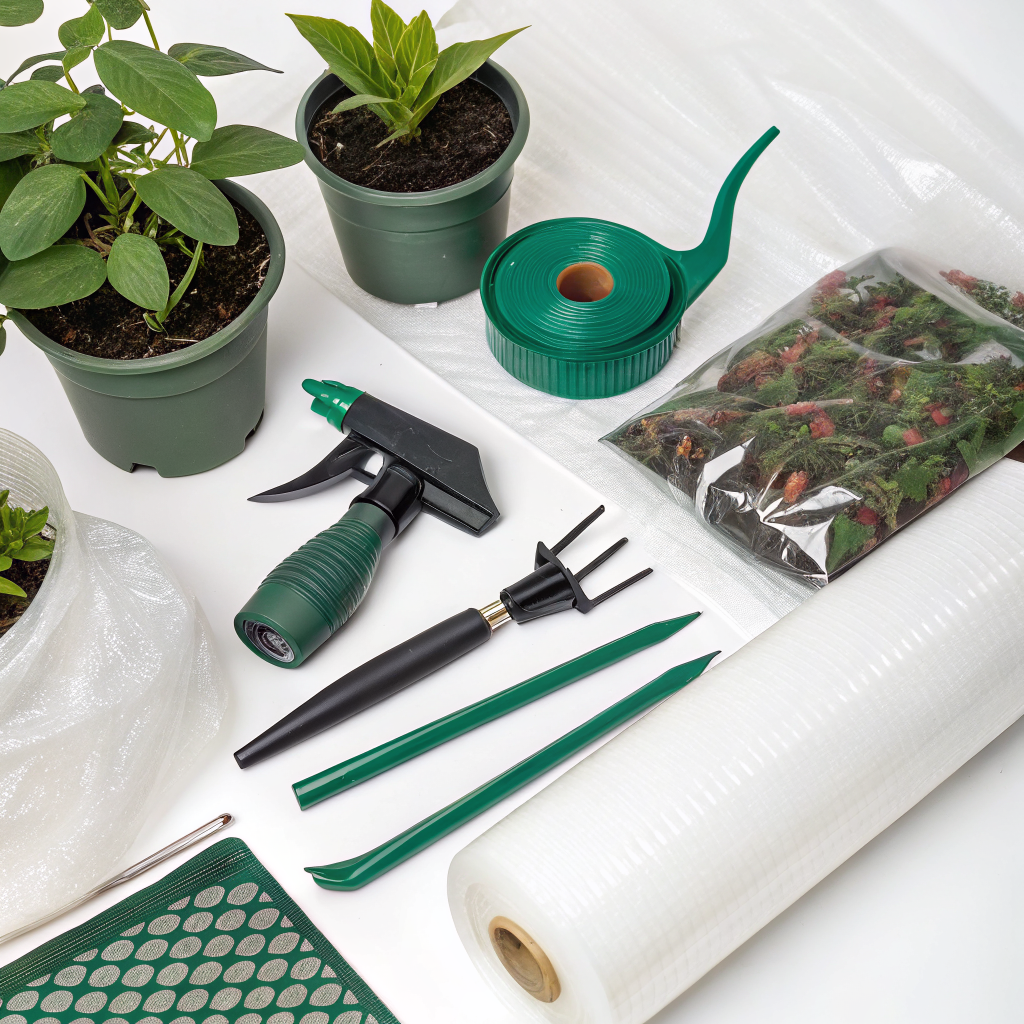
Before diving into the techniques, let’s gather your arsenal. Most of these items are readily available, often found around the house or at your local garden center. The specific needs will vary based on the duration of your trip, the type of plants, and your budget.
Essential Tools & Materials:
- Plastic Bottles (recycled): Various sizes for different plant needs.
- Cotton Wicks/Twine/Old T-shirt Strips: For capillary action watering systems.
- Buckets/Tubs/Trays: For grouping plants and creating a water reservoir.
- Siphons/Aquarium Tubing: For advanced DIY drip systems.
- Gravel/Pebbles: To create humidity trays and elevate pots.
- Plastic Sheeting/Tarps: For protecting floors in temporary watering areas.
- A reliable watering can: For your pre-vacation drench.
- Shade Cloth or netting: To reduce light intensity for outdoor plants.
- Mulch: Retains soil moisture for outdoor and large potted plants.
Plant Considerations:
Not all plants have the same watering needs. Understanding your specific flora is key to successful vacation watering. Succulents and cacti, for instance, can tolerate longer dry periods than ferns or flowering annuals.
- Assess Plant Types: Group plants with similar water requirements together.
- Potting Material: Terracotta pots dry out faster than plastic pots.
- Plant Size: Larger plants with more foliage require more water.
- Location: Plants in direct sun will dry out quicker than those in shade.
- Duration of Vacation: Shorter trips (under 1 week) require less intense solutions than longer ones (2-4 weeks).
Step-by-Step Guide: Implementing Your Watering Strategies
Step 1: Pre-Vacation Preparation – The Foundation of Success
This is arguably the most crucial step. A thorough preparation can make all the difference. Start this process a few days before your departure.
- Deep Watering: Give all your plants a good, thorough watering a day or two before you leave. Ensure water drains from the bottom of the pots, indicating the entire root ball is saturated. For outdoor plants, water deeply to encourage roots to grow downwards.
- Pruning: Remove any dead or dying leaves or flowers. These consume water without contributing to the plant’s health. For flowering plants, consider pinching off buds to reduce water demand during your absence.
- Relocation (Indoor Plants): Move indoor plants away from direct sunlight, windowsills, and drafts (like air conditioning vents). A shadier, cooler spot will slow down water evaporation. Grouping them together can also create a microclimate with higher humidity.
- Relocation (Outdoor Plants): If possible, move potted outdoor plants to a shadier, more sheltered location. This will protect them from scorching sun and strong winds, both of which accelerate water loss. Consider grouping them together under a porch or a large tree.
- Mulching: For outdoor beds and large potted plants, apply a layer of mulch (wood chips, straw, shredded leaves) around the base. This significantly reduces evaporation from the soil surface. Aim for a 2-4 inch layer.
Step 2: The DIY Wick System – Simple & Effective
The wick system is a classic and reliable method for providing consistent moisture. It uses capillary action to draw water from a reservoir to the plant’s soil.
- Prepare Your Wick: Cut strips of cotton fabric, old t-shirts, or thick cotton cord. Synthetic materials won’t work as well. Ensure the wick is long enough to reach the bottom of your water reservoir and be securely placed in the plant’s soil.
- Create the Reservoir: Fill a bucket, old plastic container, or even a large bowl with water. Elevate your plant pot above the reservoir using bricks, blocks, or an inverted pot. The water level in the reservoir should be below the base of your plant pot.
- Insert the Wick: Gently push one end of the wick about 2-3 inches into the soil near the plant’s roots. Ensure it’s making good contact with the soil. Submerge the other end of the wick into the water reservoir, making sure it reaches the bottom.
- Test the System: Before you leave, test the system for a day or two. Ensure the soil remains moist but not waterlogged. Adjust wick thickness or reservoir size as needed.
Step 3: The Bottle Drip System – Upcycling for Hydration
Utilize discarded plastic bottles to create individual drip feeders for your potted plants. This is an excellent way to recycle and provide targeted hydration.
- Prepare the Bottle: Take an empty plastic bottle (e.g., soda or water bottle) and rinse it thoroughly. Remove the label.
- Create Drip Holes: Use a small nail or a drill bit to make one or two tiny holes in the bottle cap. Experiment with hole size; smaller holes mean slower drips and longer lasting water. You can also make a few small holes in the bottom of the bottle if you intend to bury it.
- Implement Method A (Inverted Bottle): Fill the bottle with water, quickly invert it, and bury the neck (cap end) about 2-3 inches into the soil near the base of the plant. The soil will slowly draw water as needed.
- Implement Method B (Buried Bottle): Cut off the bottom of the bottle. Bury the entire bottle (cap on, with drip holes) into the soil, leaving the cut-off bottom exposed. Fill the bottle with water from the exposed top. This allows for easier refilling if someone checks on your plants.
Step 4: The Bathtub/Sink Method – For Your Indoor Jungle
If you have an abundance of houseplants, your bathtub or sink can become a temporary self-watering haven. This method works well for tropical plants that enjoy high humidity.
- Prepare the Area: Clean your bathtub or sink thoroughly. Lay down a couple of old towels or a plastic sheet to protect surfaces.
- Add a Base Layer: Place a layer of gravel or pebbles (about 1-2 inches deep) at the bottom of the tub/sink. This helps elevate the pots and prevents them from sitting directly in standing water.
- Arrange Plants: Place your potted plants on top of the gravel. Ensure they have drainage holes.
- Add Water: Fill the bottom of the tub/sink with about 1-2 inches of water, ensuring it reaches just below the drainage holes of the pots. The plants will absorb water through capillary action from the bottom. The evaporating water will also increase humidity around the plants.
Step 5: Automated Solutions & Plant Sitters – For Long Trips or Peace of Mind
For extended vacations or if you prefer a ‘set it and forget it’ approach, consider more advanced solutions.
- Automatic Drip Irrigation Kit: These kits range from simple solar-powered systems to programmable timers connected to your outdoor spigot. They deliver precise amounts of water at set intervals and are excellent for outdoor container gardens or raised beds. Look for models with adjustable drippers per plant.
- Self-Watering Pots: Invest in self-watering planters before you leave. These pots have a built-in reservoir and a wicking system that provides continuous moisture to the plant’s roots. They are ideal for individual plants and can keep them hydrated for 1-3 weeks.
- Ask a Friend/Neighbor/Plant Sitter: The most reliable method for long trips is having someone physically check on and water your plants. Provide clear instructions on which plants need what, and where watering cans and tools are located. Offer to return the favor! Even a weekly check-in can prevent disaster.
Pro Tips for Watering Plants While on Vacation & Common Mistakes to Avoid
Pro Tips:
- Test Everything: Never implement a new watering system without testing it for several days before your trip. This helps you identify and rectify any issues.
- Group Plants: Clustering plants together creates a microclimate with higher humidity, reducing water loss.
- Elevate Pots: Ensure good drainage for all potted plants. Don’t let them sit directly in standing water unless expressly using the bathtub method with a pebble base.
- Remove Saucers (mostly): For indoor plants, empty saucers or avoid leaving them full of water to prevent root rot, especially with other self-watering methods in place. However, for the bathtub method, saucers are useful to elevate pots.
- Consider Location: Moving plants to cooler, shadier spots indoors and outdoors dramatically slows down water evaporation.
- Pre-Moisten Soil: Always water the soil thoroughly before setting up any DIY system. The wicks or bottles work better when starting with moist soil.
- Incorporate Mulch: For outdoor plants and large indoor pots, a layer of mulch significantly retains soil moisture. Organic mulches also enrich the soil as they break down.
Common Mistakes to Avoid:
- Overwatering Before Leaving: While a deep water is good, drenching plants to the point of waterlogging can lead to root rot before you even depart. Aim for thorough, not excessive.
- Underestimating Duration: A system that lasts 3 days won’t work for a 2-week trip. Match the solution to your vacation length.
- Ignoring Plant Needs: One-size-fits-all approaches don’t work. A fern needs different care than a succulent. Research your specific plants.
- Not Testing Systems: Relying on an untried DIY system is a recipe for disaster. Test it!
- Forgetting About Humidity: Especially for tropical houseplants, low humidity combined with less frequent watering can be detrimental. The pebble tray or grouping method helps.
- Leaving Plants in Direct Sun: This is the fastest way for plants to dry out, regardless of your watering efforts.
- Using the Wrong Wicking Material: Synthetic materials like nylon do not wick water effectively. Stick to natural fibers like cotton.
Eco-Friendly Variations & Sustainability
Incorporating sustainable practices into your vacation watering strategy not only helps your plants but also benefits the environment.
- Recycled Materials: The plastic bottle drip system is a prime example of upcycling. Reuse old plastic bottles, milk jugs, and yogurt containers for your reservoirs.
- Rainwater Harvesting: If you have a rainwater collection system, use this for your plant reservoirs. Rainwater is free of chlorine and other chemicals often found in tap water, which is better for many plants. You can learn more about building a rain barrel system here.
- Compost as Mulch: Instead of buying new mulch, use homemade compost. It retains moisture and slowly releases nutrients, benefiting your plants in the long run.
- Natural Wicks: Prioritize natural fibers like cotton, jute, or coir over synthetic options. They are biodegradable and typically more effective.
- Reduce Water Waste: By using targeted watering systems, you avoid wasteful overhead watering that can lead to evaporation loss.
Why is rainwater better for plants?
Rainwater is generally soft, meaning it has a lower concentration of dissolved minerals like calcium and magnesium, which can build up in soil over time. It’s also free of chlorine and fluoride often found in municipal tap water, which can be detrimental to sensitive plants.
Seasonal Considerations for Your Vacation Watering
The time of year you travel significantly impacts how you should prepare your plants.
- Summer Vacations: This is when plants are typically most active and require the most water due to high temperatures and rapid evaporation. Focus on maximizing moisture retention (mulch, shade) and ensuring robust self-watering systems. Consider moving outdoor containers indoors if temperatures are extreme.
- Spring/Autumn Vacations: Water needs are generally moderate. The DIY wick and bottle systems are usually sufficient. Keep an eye on weather forecasts; unexpected heatwaves or cold snaps can alter plant needs. Prepare for cooler nights by ensuring plants are not left in overly damp conditions, which can encourage fungal issues.
- Winter Vacations: Many plants, especially houseplants, are dormant or semi-dormant in winter, requiring much less water. Overwatering is a greater risk than underwatering during this season. A thorough watering before you leave, coupled with moving plants away from heating vents, might be enough for a short trip. For longer trips, a minimal drip or wick system, or a plant sitter, is ideal. Ensure plants are not exposed to freezing temperatures. Explore more winter garden tips on our site.
Expert Resources and Further Reading
For more in-depth knowledge and diverse perspectives on plant care, these resources are invaluable:
- Gardening Know How: A fantastic resource for a wide range of gardening topics, including detailed guides on plant care and problem-solving. Their articles often break down complex horticulture into easily understandable terms. Visit Gardening Know How
- Royal Horticultural Society (RHS): The UK’s leading gardening charity, offering authoritative advice on all aspects of horticulture. Their plant guides and science-backed recommendations are excellent. Explore the RHS website
- University of Minnesota Extension: University extension services provide research-based information tailored to local conditions, often with comprehensive guides on various gardening practices and pest management. Their watering plant resources are very helpful.
- Nouvelles Technologie Gardening Section: Don’t forget to check out more of our garden tips articles for other innovative solutions and comprehensive guides!
Conclusion: Enjoy Your Vacation, Your Plants Are Safe!
Leaving your plants behind for a vacation doesn’t have to be a source of stress. By carefully planning and implementing one or a combination of these DIY watering techniques, you can ensure your green companions remain vibrant and healthy. From simple wick systems made from recycled materials to more advanced automated solutions, there’s an option for every gardener and every trip length.
Remember the key takeaways: prepare thoroughly, understand your plants’ specific needs, test your chosen system, and consider eco-friendly approaches. With these tips in your gardening arsenal, you can embark on your travels with complete confidence, knowing that your garden will be thriving, ready to welcome you home with open, leafy arms. Happy travels and happy gardening!
FAQ: Watering Plants While on Vacation
1. How long can plants go without water on average?
This varies significantly by plant type, pot size, and environmental conditions. Succulents and cacti can often go for weeks. Most common houseplants can typically survive 3-7 days without water, but they will start showing signs of stress. Flowering plants and those in small pots will dry out much faster, sometimes in just 1-2 days in warm conditions. Thorough preparation can extend this duration significantly.
2. Is it better to overwater or underwater plants before leaving?
Neither is ideal, but underwatering (specifically, neglecting to water) is generally less damaging in the short term than severe overwatering. Overwatering before a vacation can lead to root rot, especially if the soil remains waterlogged for an extended period in a cool, dark environment. A deep, thorough watering that allows excess water to drain out is the best approach, not saturation to the point of standing water.
3. Can I use a regular string as a wick for watering?
While some types of string might work, cotton-based materials like old t-shirt strips, cotton rope, or wool yarn are far more effective as wicks. Synthetic strings (like nylon or polyester) are generally poor at capillary action and won’t draw water effectively. Always test a new material before committing to it for your vacation.
4. What’s the best method for a two-week vacation?
For a two-week vacation, a combination of methods is usually most effective. Large plants might benefit from an inverted plastic bottle drip system, while smaller to medium-sized houseplants could do well with a wick system from a communal water reservoir. For a truly worry-free experience, especially for a fortnight, having a trusted friend or neighbor check in and water every 5-7 days is the most reliable option. Automated drip irrigation systems or self-watering pots are also excellent investments for this duration.