10 Essential Japanese Garden Design Principles for Small Spaces
Dreaming of a serene, contemplative oasis but convinced your tiny backyard or balcony isn’t up to the task? Think again! Japanese garden design, with its profound appreciation for nature, balance, and simplicity, is exceptionally well-suited for transforming even the most constrained areas into havens of tranquility. This comprehensive guide will unlock the secrets to creating your very own miniature Zen sanctuary, proving that size truly doesn’t matter when it comes to cultivating peace.
[lwptoc]
Why Japanese Garden Design Matters for Your Small Space
The beauty of Japanese garden philosophy lies in its ability to evoke vast natural landscapes within a limited footprint. Unlike Western gardens that often prioritize vibrant blooms and sprawling lawns, Japanese gardens focus on creating miniature symbolic representations of mountains, rivers, and forests. This approach makes it ideal for urban living, balconies, or snug backyards where every inch counts.
Implementing these principles means more than just aesthetic appeal; it’s about creating a reflective space that promotes mindfulness and reduces stress. A well-designed Japanese garden can provide a crucial escape from the hustle and bustle of daily life, offering a personal sanctuary for meditation, quiet contemplation, or simply enjoying a cup of tea. It encourages a connection with nature, even if your “nature” is confined to a few square meters.
Furthermore, the emphasis on verticality and illusion within Japanese design principles is a game-changer for small spaces. Techniques like borrowed scenery (shakkei) and strategic plant placement can make your garden feel much larger than its actual dimensions. This isn’t just about making your garden look good; it’s about crafting an experience that transcends its physical boundaries.
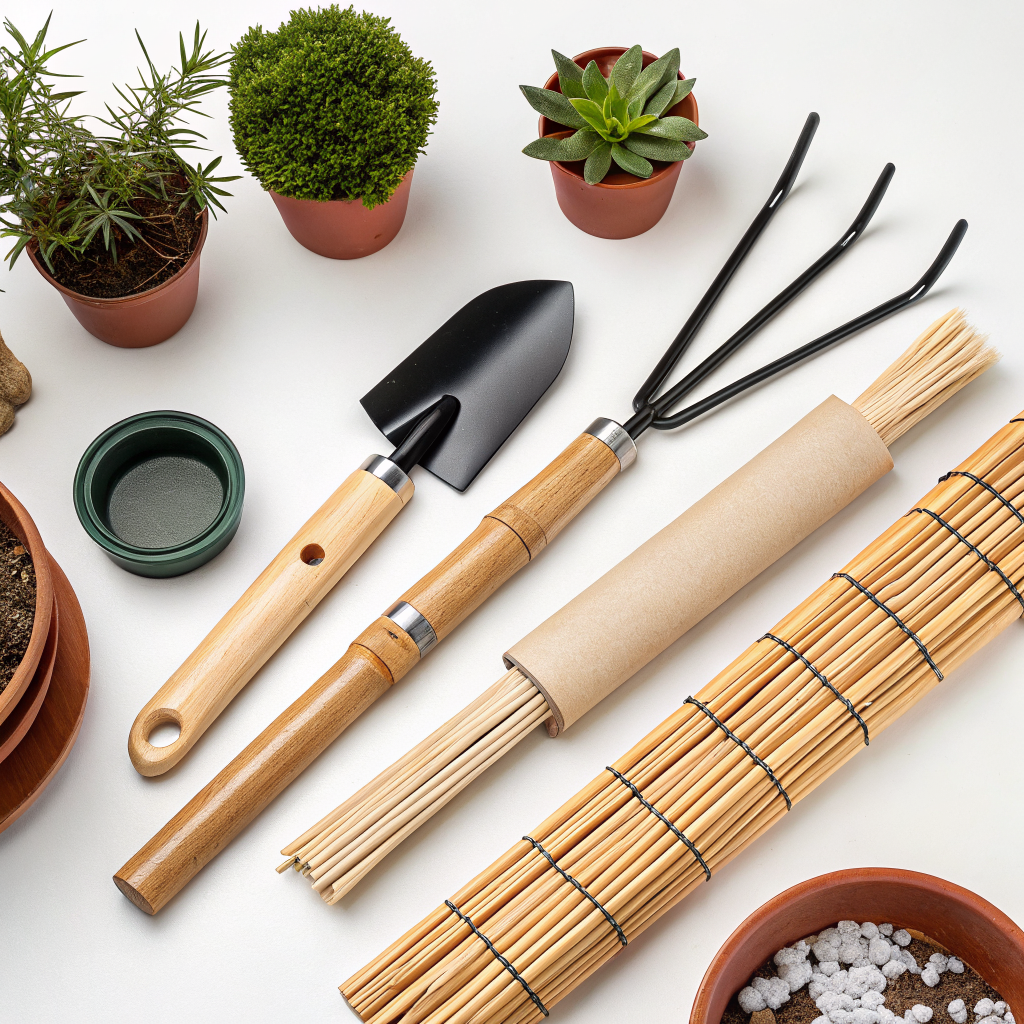
What You Need: Tools, Materials, and Plants for Your Zen Retreat
Before you begin, gathering the right components is key to a successful Japanese garden design for small spaces. The emphasis here is on quality over quantity and thoughtful selection.
Essential Tools:
- Hand Trowel and Cultivator: For planting and preparing soil.
- Pruning Shears/Secateurs: Essential for shaping plants and maintaining their health. A good pair makes a big difference.
- Small Rake: Ideal for creating patterns in gravel or sand, a quintessential Zen garden element.
- Watering Can or Small Hose: For precise and gentle watering.
- Gloves: To protect your hands while working.
- Measuring Tape: Crucial for planning and layout accuracy.
Key Materials:
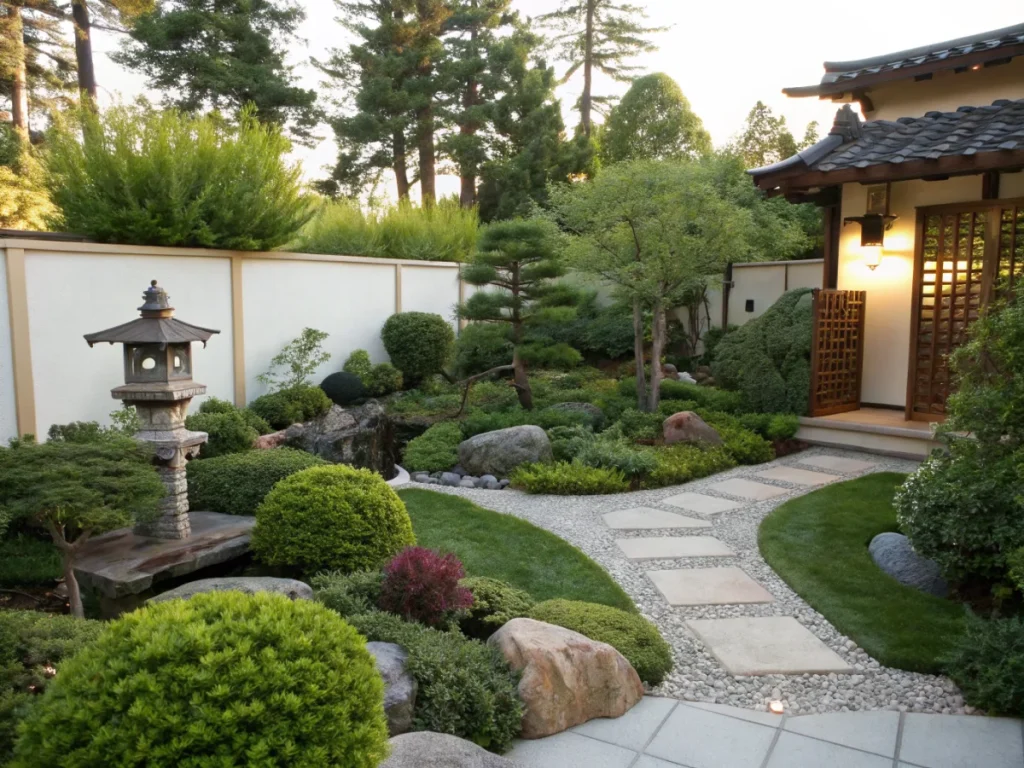
- Gravel or Sand: The foundation for your “dry landscape” (karesansui). Choose fine, light-colored gravel for raking patterns.
- Stepping Stones: Natural stone pavers create pathways (tobi ishi) and guide the eye. Look for irregularly shaped, natural stones.
- Rocks/Boulders (Ishi): Carefully selected rocks form the “bones” of your garden, symbolizing mountains or islands. Prioritize interesting shapes and textures.
- Lanterns (Toro): Stone lanterns add an element of tradition and provide subtle illumination. Look for smaller, appropriately scaled versions.
- Water Feature (optional): A small bamboo spout (shishi-odoshi) or a recirculating basin can introduce the calming sound of water without taking up much space.
- Wood or Bamboo Edging: To define garden beds or separate gravel from planting areas.
Recommended Plants (carefully selected for small spaces):
- Evergreens: Dwarf conifers (e.g., Dwarf Japanese Black Pine, Hinoki Cypress ‘Nana Gracilis’), Yew (Taxus baccata ‘Repandens’), or Boxwood (Buxus sempervirens). These provide year-round structure.
- Moss (Koke): Crucial for creating an ancient, understated feel. Can be grown directly on soil or rocks.
- Ferns: Japanese Painted Fern (Athyrium niponicum ‘Pictum’), Autumn Fern (Dryopteris erythrosora), or Holly Fern (Cyrtomium falcatum). They thrive in shade and add lush texture.
- Groundcovers: Mondo grass (Ophiopogon japonicus), Creeping Juniper (Juniperus horizontalis ‘Blue Rug’), or Sedum ‘Angelina’. These provide a verdant carpet.
- Flowering Accents (sparse): Azaleas (dwarf varieties), Japanese Iris (Iris ensata), or Camellias. Use sparingly for seasonal interest.
- Bamboo (dwarf, clumping varieties only): Fargesia species are non-invasive and can create a screening effect or focal point. Avoid running bamboo in small spaces.
- Maple (dwarf Japanese varieties): Acer palmatum ‘Seiryu’ or ‘Crimson Queen’ offer stunning seasonal color and elegant forms. Choosing the Right Japanese Maple is crucial for longevity.
Step-by-Step Guide: Crafting Your Small Japanese Garden
Creating a Japanese garden, even a small one, is an art form. It requires patience, observation, and a deep appreciation for the elements. Follow these steps to build your tranquil retreat.
Step 1: Planning and Layout (The Blueprint for Serenity)
Before moving a single stone, sketch your design. Consider the principles of asymmetry (fukinsei), minimalism (kanso), and naturalness (shizen). Think about lines of sight from your main viewing points (e.g., a window, a bench). Where will the main focal point be? How will pathways flow? Remember, every element should have a purpose. Use graph paper to plan scaled positions of large elements like rocks and potential water features.
Take inspiration from classical Japanese layouts, but adapt them to your space. For instance, in a very small area, a ‘dry garden’ (karesansui) focusing on raked gravel and strategically placed rocks might be more appropriate than a water garden. Consider privacy and screening elements, Effective Privacy Solutions for Small Gardens can be incorporated seamlessly.
Step 2: Ground Preparation and Drainage (The Foundation of Growth)
Proper ground preparation is non-negotiable for the health of your plants and the longevity of your design. Clear all existing weeds and debris. If your soil is heavy clay, amend it with compost and grit to improve drainage. For areas designated for gravel, lay down a weed barrier fabric to prevent growth, then add a layer of crushed rock for drainage before the final layer of gravel. Ensure the ground slopes slightly away from any structures to prevent water accumulation.
For container gardens on balconies, use high-quality potting mix with good drainage. Ensure all containers have drainage holes. Balcony Garden Essentials often includes considerations for weight and waterproofing.
Step 3: Placement of Hardscape Elements (The Bones of the Garden)
This is where the structure comes alive. Start with your largest rocks or boulders (ishi). Arrange them in odd-numbered groups (e.g., three or five), paying attention to their “face” and how they interact. Place the largest rock first, then arrange the smaller ones to create a dynamic composition. These rocks represent mountains or islands, so their placement is paramount. Next, lay out stepping stones. They should invite movement and contemplation, guiding bare feet or eyes through the space. Avoid straight lines; opt for gentle curves or zigzag patterns.
If incorporating a lantern or a small water feature, position it to create a focal point or a subtle accent. Remember the principle of “hide and reveal” (miegakure), where not everything is immediately visible, encouraging exploration. Use a small mirror to see reflections and anticipate viewing angles.
Step 4: Planting and Softscaping (Adding Life and Texture)
With hardscaping in place, it’s time to introduce plants. Position evergreens first to establish year-round structure. Consider their mature size and shape carefully, pruning for desired form. Next, add moss, ferns, and groundcovers. Moss can soften edges and create an impression of age. In small spaces, focus on a limited palette of plants to avoid clutter. Group plants with similar light and water requirements. Create depth by layering plants of different heights and textures.
Remember that negative space (yohaku) is as important as positive space. Don’t overplant. Allow room for plants to grow and for the eye to rest. Minimal flowering plants are used to add subtle seasonal interest rather than overwhelming the space with color. Think about the overall visual weight each plant contributes.
Step 5: Gravel Raking and Finishing Touches (The Art of Contemplation)
Once your plants are in, spread your chosen gravel or sand in the designated areas. This is where the dry landscape comes to life. Using a special Zen garden rake, create patterns that symbolize water ripples or flowing currents. These patterns are not merely decorative; they are meant to be meditative and are traditionally re-raked regularly. Add any final elements like small bamboo screens or decorative pebbles.
Finally, sit back and observe your creation from various angles. Does it evoke a sense of peace? Is there balance and harmony? Don’t be afraid to make minor adjustments. A Japanese garden is a living, evolving entity, reflecting the changing seasons and your own contemplative spirit.
Pro Tips and Common Mistakes to Avoid
Designing a Japanese garden for small spaces is a nuanced process. Here are some pro tips to elevate your design and common pitfalls to steer clear of:
Pro Tips:
- Embrace Asymmetry: Reject perfect symmetry. Odd numbers, irregular shapes, and off-center focal points feel more natural and dynamic.
- Borrow Scenery (Shakkei): Look beyond your garden’s boundaries. Can a distant tree, a neighbor’s attractive wall, or even the sky be incorporated visually into your design? Use strategically placed plants or openings to frame these “borrowed” elements.
- Scale is Crucial: All elements — rocks, plants, lanterns, and water features — must be proportionate to your small space. A large boulder will dwarf a tiny garden; a miniature lantern will get lost in a medium one.
- Negative Space (Ma or Yohaku): Unplanted, open areas are just as important as planted ones. They provide visual relief, allowing the eye to rest and giving weight to other elements. Don’t feel compelled to fill every corner.
- Focus on Texture and Form, Not Just Color: While Western gardens often riot with color, Japanese gardens prioritize the subtle interplay of textures (moss, rough bark, smooth stones) and the elegant forms of plants and rocks.
- Create Depth with Layers: Use plants of varying heights, and place taller elements further back to create an illusion of depth, making your small space feel larger.
- Consider All Seasons: Choose plants that offer interest throughout the year. Evergreens for winter structure, gracefully changing deciduous trees (like Japanese maples) for spring and autumn displays.
- Light and Shadow: Observe how light falls on your garden throughout the day. Place elements to create interesting shadow play, adding another dimension of beauty.
Common Mistakes to Avoid:
- Over-Complication: The essence of Japanese garden design is simplicity (kanso). Don’t try to cram too many elements or plant varieties into a small space. Less is truly more.
- Lack of Focal Point: Every garden, no matter how small, needs a main point of interest, whether it’s a perfectly placed rock, a sculpted tree, or a stone lantern. Without it, the eye wanders without direction.
- Poor Drainage: Japanese gardens, especially those with moss, require good drainage. Standing water can lead to root rot and an unhealthy garden.
- Using Running Bamboo: Unless you have impenetrable root barriers installed deep into the ground, avoid running bamboo varieties. They are highly invasive and will quickly take over a small space. Stick to clumping varieties like Fargesia.
- Ignoring Maintenance Needs: Even a minimalist Japanese garden requires regular pruning, weeding, and gravel raking. Neglect will quickly detract from its serene aesthetic.
Eco-Friendly Variations for a Sustainable Zen Garden
Integrating sustainability into your Japanese garden design enhances its harmony with nature even further. Here’s how to make your tranquil space even greener:
- Native Plant Alternatives: While classic Japanese plants are beautiful, research native plants that offer similar structural forms, textures, or seasonal interest but are adapted to your local climate. This reduces water needs and supports local ecosystems. For example, local ferns or sedges might mimic traditional Japanese plant forms well.
- Rainwater Harvesting: Incorporate rain barrels to collect water for irrigation, especially for planted areas. This reduces reliance on municipal water and is an excellent eco-conscious practice for small spaces.
- Permeable Surfaces: Opt for permeable paving materials like gravel paths over solid concrete. This allows rainwater to infiltrate the ground, reducing runoff and recharging groundwater.
- Composting: Set up a small compost bin or worm farm for garden waste. The resulting compost can enrich your garden soil, reducing the need for chemical fertilizers.
- Organic Pest Control: Embrace natural methods for pest and disease management. Encourage beneficial insects by planting small companion plants or using insecticidal soaps rather than synthetic pesticides.
- Upcycled and Reclaimed Materials: Source stepping stones from construction salvage yards, or upcycle old timber into garden edging. This reduces waste and adds unique character.
Seasonal Considerations for Year-Round Beauty
A Japanese garden is designed to offer beauty and contemplation in every season. Planning for year-round interest is crucial, especially in a small space where every element should earn its place.
- Spring: The season of renewal. Look for delicate new growth on evergreens and the unfurling of fern fronds. A few carefully placed dwarf azaleas or camellias can offer subtle blooms. The fresh green of moss becomes particularly vibrant.
- Summer: Focus on lush, green textures. Japanese maples provide graceful canopy and dappled shade. Moss thrives in humid conditions. Ensure adequate watering during dry spells to maintain plant health. Consider a small, cool-toned water feature for sensory relief.
- Autumn: The star of the season is often the Japanese maple, with its breathtaking array of reds, oranges, and yellows. The deep greens of conifers provide a striking contrast. Raking fallen leaves can become a meditative practice, blending with the raked gravel patterns.
- Winter: This is when the permanent structure of your garden truly shines. The elegant forms of pruned evergreens, the stark beauty of rocks, and the patterns in the raked gravel come into their own. Snow can transform the garden into a stunning, tranquil wonderland, highlighting negative space. Consider small, decorative winter lanterns for subtle evening illumination.
Expert Resources for Deeper Exploration
To further deepen your understanding and refine your Japanese garden creation, explore these highly recommended resources:
- Gardening Know How: Japanese Garden Design Elements – A great introduction to the core components and philosophy behind these serene spaces.
- RHS (Royal Horticultural Society): Japanese Gardens – Offers insights from a respected horticultural organization, focusing on plant selection and traditional styles.
- University of Minnesota Extension: Oriental Garden Design – Provides a broader overview of Eastern garden design principles, which are highly relevant to Japanese aesthetics.
Conclusion: Your Personal Zen Oasis Awaits
Creating a Japanese garden, especially in a small space, is an enriching journey that combines horticultural skill with philosophical reflection. It is proof that a profound connection with nature and a sense of deep tranquility are not limited by square footage. By embracing the principles of balance, simplicity, and naturalness, you can transform even the most modest area into a vibrant, living work of art.
Remember that a Japanese garden is never truly “finished.” It is an evolving landscape, reflecting the changing seasons and your own growing understanding of its subtle beauty. Take joy in the process, observe the nuances, and allow your small oasis to become a continuous source of peace, inspiration, and mindful contemplation. Start small, think big with your tranquility, and watch your serene space blossom.
FAQ: Japanese Garden Design for Small Spaces
<p><strong>Q1: Can I really have a Japanese garden on a tiny balcony?</strong><br>
A1: Absolutely! Japanese garden principles, especially the focus on symbolism, minimalism, and carefully chosen elements, are perfectly suited for balconies. Use dwarf plants in containers, a small patch of raked gravel, and a miniature stone lantern to evoke the same serene atmosphere found in larger gardens.</p>

<p><strong>Q2: What's the most important principle for a small Japanese garden?</strong><br>
A2: While all principles are interconnected, the most crucial for a small space is <em>simplicity (kanso)</em>. Avoid clutter, choose a limited palette of elements and plants, and allow negative space to breathe. This creates a sense of openness and prevents the area from feeling overwhelmed.</p>

<p><strong>Q3: How do I incorporate water without needing a pond in a small space?</strong><br>
A3: You have several excellent options! A <em>dry garden (karesansui)</em> uses raked gravel or sand to symbolize water. Alternatively, a small, recirculating bamboo fountain (shishi-odoshi) or a stone basin with a gentle trickle provides the calming sound of water without a large footprint. Even a simple, beautiful stone bird bath can serve the purpose.</p>

<p><strong>Q4: Are Japanese gardens high maintenance, especially in small areas?</strong><br>
A4: While they require thoughtful maintenance, they aren't necessarily high-maintenance. The key is consistent, mindful care rather than strenuous labor. Regular pruning of selected plants, weeding, and raking of gravel are meditative tasks. Choosing slow-growing plants also reduces the frequency of maintenance.</p>