Garden Planning — Sustainable Strategies for Resilient and Productive Gardens
Garden Planning blends practical, low-cost techniques with real environmental impact. Use these eco-first methods to reduce waste, save water, build living soil, and support pollinators—all while keeping your garden beautiful and productive through the cold season.
Why Garden Planning Matters This Season
Winter prep is when smart gardeners get ahead: leaves become mulch, rain becomes irrigation, and “waste” becomes soil food. With Garden Planning, you set resilient foundations now—so spring growth is faster, healthier, and cheaper.
Core Materials & Tools for Smart Garden Planning
- Dry leaves, shredded cardboard, twig cuttings (crucial for mulch & sheet-mulch layers, providing carbon and structure)
- Compost setup (bin, bokashi system, or worm tower for container gardening, turning kitchen scraps into nutrient-rich soil)
- Rain barrel with downspout diverter; watering can or soaker hose (essential for efficient water capture and delivery)
- Reusable pots (terracotta/metal/wood) and sturdy seed trays (reducing plastic waste and offering better longevity)
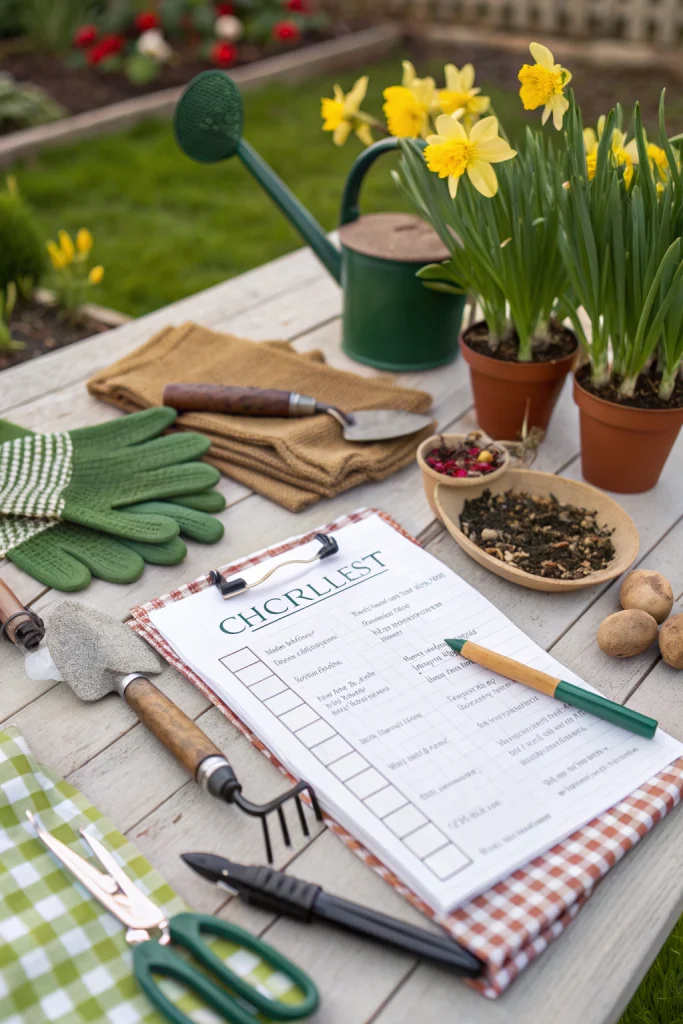
- Hand tools (stainless trowel, sharp pruners, sturdy rake) and a simple sieve (for processing compost and preparing seed-starting mixes)
Step-by-Step Method for Effective Garden Planning
Step 1 — Build a No-Dig Base with Leaves for Supercharged Soil
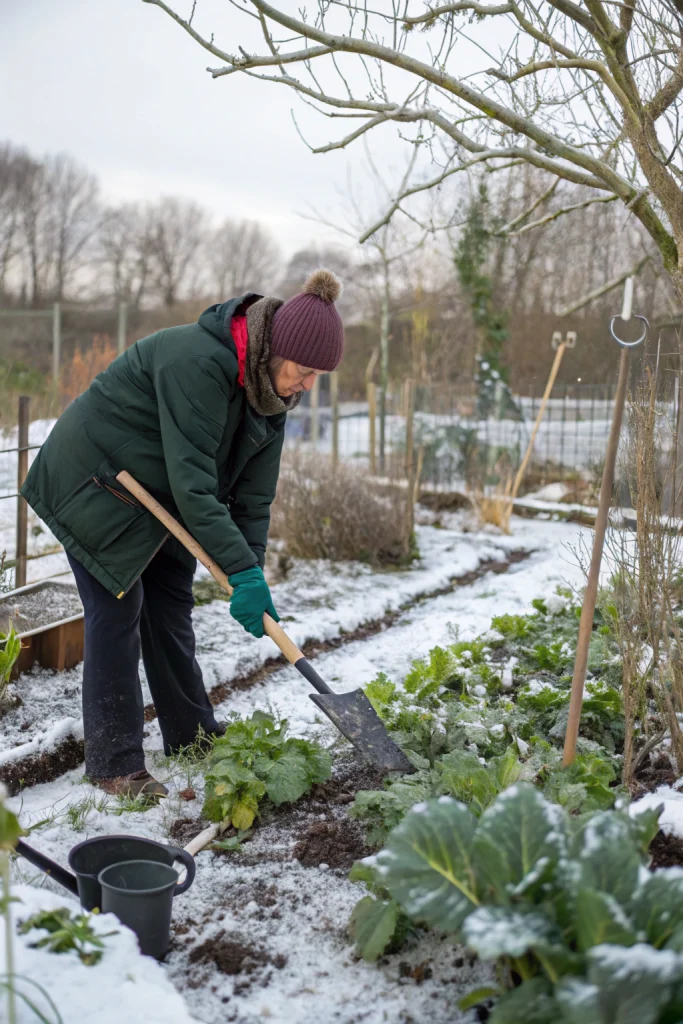
The foundation of sustainable Garden Planning begins with a no-dig approach. Start by laying down a thick layer of plain, unprinted cardboard directly onto bare soil or existing weeds. Ensure the cardboard sheets overlap by 10–15 cm (4–6 inches) to prevent weeds from finding gaps. Lightly wet the cardboard to help it settle and begin breaking down. Then, add a substantial layer of 5–10 cm (2–4 inches) of shredded leaves. This leaf layer is a goldmine of carbon and micronutrients, mimicking a forest floor. On top of the leaves, spread a thin layer of finished compost—about 1–2 cm (0.5–1 inch). This layered approach, often called “sheet mulching,” offers multiple benefits: it effectively suppresses existing weeds by blocking light, acts as an excellent moisture buffer reducing the need for frequent watering, and, most importantly, jumpstarts fungal activity and beneficial microbial life in the soil, setting a robust foundation for spring planting. This step in Garden Planning is a prime example of turning “waste” into a valuable resource, feeding your soil ecosystem naturally.
Step 2 — Capture Rain & Water Smarter with Garden Planning Principles
Water conservation is a cornerstone of sustainable Garden Planning. Installing a rain barrel with a downspout diverter is a highly effective way to collect free, untreated rainwater. This water is excellent for plants as it lacks the chlorine and other chemicals often found in tap water. Position your rain barrel strategically to catch the most runoff. When watering, apply water early in the morning to reduce evaporation losses and allow plants to absorb moisture before the heat of the day. Grouping pots by their water needs on your patio or in beds minimizes waste, as you can water specific zones efficiently. Mulching containers with a layer of leaves (just like in Step 1) or other organic materials helps retain soil moisture, reduces splashing, and keeps soil temperatures more stable. For potted plants, adding saucers with a layer of gravel beneath the pot can create a microclimate of humidity around the plant, further reducing evaporation and supporting overall plant health. This thoughtful approach to water management is a critical aspect of efficient Garden Planning.
Step 3 — Feed Soil Life Naturally Through Strategic Garden Planning
Healthy soil is the heart of a thriving garden, and Garden Planning emphasizes nourishing it naturally. Start a cold compost pile using readily available materials like fallen leaves and spent coffee grounds. Cold composting is a slower process but requires less active management than hot composting. Alternatively, for those with limited space or a desire to compost kitchen scraps indoors, a bokashi system is an excellent choice. Bokashi ferments food waste, creating a pre-compost that can then be trenched directly into resting garden beds, contributing valuable organic matter and beneficial microbes. As part of your winter Garden Planning, take the time to sieve last year’s thoroughly decomposed leaf mould. This fine, crumbly material is incredibly rich in nutrients and has excellent moisture-retention properties. It makes a perfect, silky seed mix for early sowings in trays, giving your seedlings a healthy, nutrient-dense start without the need for purchased seed-starting mixes. Feeding your soil life naturally ensures a long-term, self-sustaining garden ecosystem.
Step 4 — Balance Pests with Habitat in Your Garden Planning
A truly sustainable Garden Planning strategy views “pests” not as enemies to be eradicated, but as part of a larger ecosystem that needs balancing. Rather than clearing everything away for winter, consider keeping select seed heads on plants like echinacea, sunflowers, or coneflowers. These provide a vital food source for winter birds and other wildlife, attracting beneficial predators and pollinators to your garden. Create a simple habitat corner using bundled hollow stems, sticks, logs, and leaves. This provides shelter and overwintering sites for beneficial insects like solitary bees, lacewings, and ladybugs, which are natural pest controllers. When pest issues do arise, always opt for the least toxic solution first. Mild soap, neem oil, or garlic sprays should only be used sparingly and as a last resort, after identifying the specific pest and assessing the level of infestation. Prioritize companion planting, which uses plant combinations to naturally deter pests or attract beneficials, reducing the need for intervention. This holistic approach to pest management is a hallmark of intelligent Garden Planning.
Environmental & Cost Impact of Effective Garden Planning
Embracing the principles of Garden Planning has profound environmental and economic benefits. By implementing these strategies, you can divert hundreds of pounds, or even tons, of organic waste—such as fallen leaves, cardboard, and kitchen scraps—from landfills, significantly reducing methane emissions. The extensive use of mulch, combined with efficient rain capture through rain barrels, drastically cuts your garden’s irrigation needs, conserving precious freshwater resources and lowering your utility bills. Furthermore, by creating diverse habitat zones and fostering a healthy soil ecosystem, you actively increase garden biodiversity. This attracts a wider array of pollinators, beneficial insects, and birds, contributing to local ecological resilience and supporting the broader environment. The reduced reliance on external inputs like synthetic fertilizers, pesticides, and peat-based potting mixes translates directly into cost savings, making sustainable gardening not just eco-friendly but also budget-friendly. Garden Planning is an investment in both your garden’s future and the planet’s health.
Advanced Eco Hacks for Greener Garden Planning
- Charge homemade biochar in compost tea: Biochar, a stable form of carbon, drastically improves soil structure, water retention, and microbial habitat. However, it’s most effective when “charged” or inoculated with nutrients. Soak your homemade biochar in nutrient-rich compost tea for several days before mixing it into your garden beds. This supercharges its ability to act as a microbial hotel and nutrient sponge, significantly boosting soil health and plant vigor. This advanced hack from Garden Planning maximizes the benefits of two powerful soil amendments.
- Swap plastic seed trays for soil blocks: Eliminate single-use plastics from your seed-starting routine by investing in a soil blocker. These ingenious tools compress seed-starting mix into self-contained blocks that hold their shape. Seedlings grown in soil blocks experience better air circulation around their roots, reducing transplant shock and encouraging strong, fibrous root systems. This not only reduces waste but also often leads to healthier starts for your plants, aligning perfectly with sustainable Garden Planning.
- Try milk-jug winter sowing for hardy perennials and salad greens: This incredibly simple yet effective method of Garden Planning allows you to sow seeds of hardy annuals, perennials, and many salad greens outdoors in winter. Cut clear plastic milk jugs (or similar containers) in half, fill the bottom with potting mix, sow seeds, tape the halves back together, and puncture drainage holes. Place them outdoors in a protected spot. The mini-greenhouse effect allows seeds to naturally stratify over winter and germinate when conditions are just right in spring, often producing stronger plants than indoor-started ones.
- Insulate patio pots with cardboard jackets and leaf fill to protect roots: For perennial plants in patio pots, winter temperatures can be deadly for roots. During your Garden Planning, create an insulating jacket around the pot using thick cardboard. Secure it with tape or twine, then fill the gap between the jacket and the pot with dry leaves. This layer of insulation protects roots from freezing and thawing cycles, which can cause significant damage. This simple hack ensures your container plants survive winter, reducing the need to replace them each year.
Design & Aesthetics in Garden Planning (Keep It Beautiful)
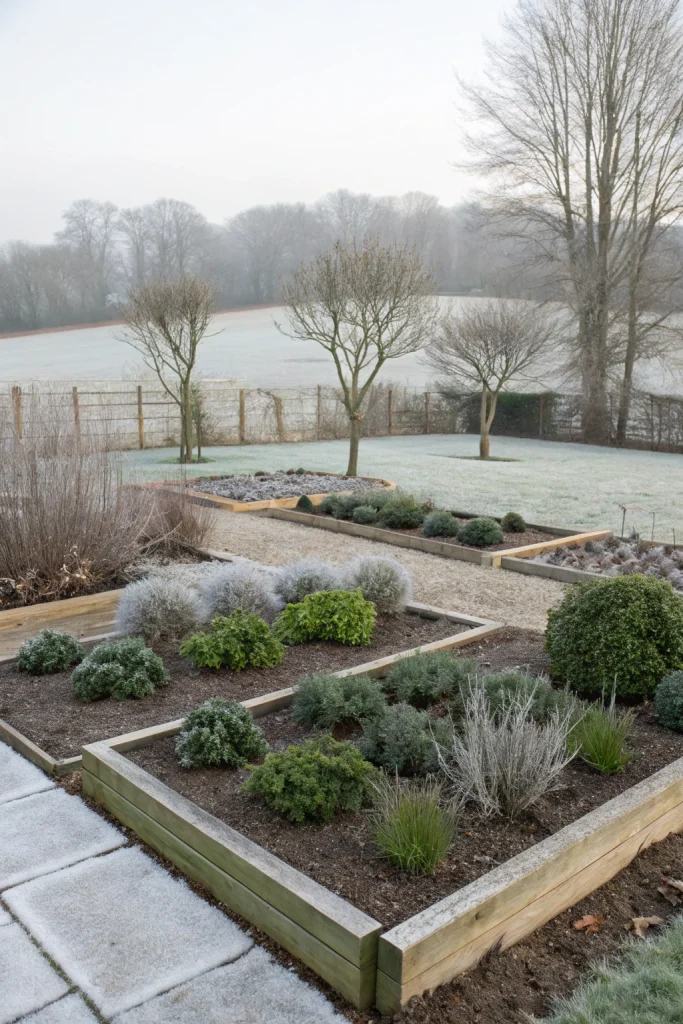
Sustainable Garden Planning doesn’t mean sacrificing beauty. In fact, an eco-conscious garden can embody a unique, serene aesthetic. Integrate sustainability with style by using recycled-wood edges for raised beds or pathways, lending a rustic and natural charm. Allow moss to grow on planters or stone features, creating a soft, aged, and truly organic feel. For evening ambiance, strategically place warm solar path lighting, which offers both functionality and a cozy Nordic-inspired glow without consuming electricity. When making design choices during Garden Planning, opt for a restrained palette of plants and hardscaping materials. Repeating textures, such as the rough bark of a log, the smooth surface of river stones, and the delicate fronds of ferns, can create a cohesive and harmonious visual experience that feels both thoughtfully designed and naturally integrated. This approach demonstrates that beauty and sustainability can not only coexist but can enhance each other, showcasing the art of mindful Garden Planning.
Common Mistakes to Avoid in Sustainable Garden Planning
- Using peat moss: This is a common and significant error. Peat moss is harvested from peat bogs, which are unique and ecologically vital wetlands that store vast amounts of carbon and support specialized biodiversity. Peat takes thousands of years to form, making its use highly unsustainable. In your Garden Planning, always choose renewable alternatives like homemade leaf mould, coir (coconut fiber), or well-aged compost for potting and soil amendment.
- Over-tidying the garden: While a certain degree of neatness is desirable, an overly manicured garden can be detrimental to beneficial insects and wildlife. During your Garden Planning, aim to remove only hazards (like diseased plant material or sharp broken branches), but leave spent perennial stalks, some fallen leaves, and brush piles in quiet corners. These provide crucial overwintering habitat and food sources for pollinators and predatory insects that help keep your garden balanced.
- Watering at midday: This is an inefficient watering practice that leads to significant water waste. When you water in the middle of the day, especially on sunny or windy days, a large percentage of the water evaporates before it can reach the plant roots. In your Garden Planning, schedule your watering for early morning or late evening. This allows the water to soak into the soil more effectively, minimizing evaporation losses and ensuring plants get the maximum benefit.
- Heavy fertilizing in cold soils: Plants are generally not actively growing in cold soil, and microbial activity, which helps convert nutrients into an absorbable form for plants, is significantly slowed. Applying heavy chemical fertilizers to cold soil can lead to runoff, polluting waterways, and offers little benefit to the plants themselves. Instead, in your Garden Planning, focus on feeding the soil microbes with organic matter like compost, leaf mould, or compost tea. These materials gradually release nutrients as the soil warms and microbial life becomes active, providing a steady, natural food source for your plants without waste or harm.
Storage & Winter Care for Tools and Materials in Garden Planning
Proper winter care is a vital part of comprehensive Garden Planning, ensuring your tools, materials, and efforts are preserved for the next season. After your rain barrel has caught its last rain of the season, make sure to cover it securely to prevent debris accumulation and mosquito breeding, and to protect it from freezing temperatures if you’re in a cold climate. Regularly aerate your compost bins, even in winter, to encourage decomposition and prevent anaerobic conditions—a compost aerator or pitchfork works well. Label your leaf-mould pens or bags with the date they were started; this helps you track the decomposition process and know when your leaf mould is ready for use, typically after 1-2 years. Before storing your hand tools, clean them thoroughly of soil and sap, sharpen any blades (like pruners), and then lightly oil metal parts to prevent rust. Store all tools in a dry, protected area. Finally, flat-store any dry cardboard in a shed or garage. Having a supply of cardboard readily available is invaluable for quick sheet-mulch builds or weed suppression projects as garden beds become free or new areas are prepared, making future Garden Planning tasks much more efficient.
Conclusion
Garden Planning proves greener gardening is easier, cheaper, and more resilient. Start with leaves, water capture, soil life, and habitat—your spring garden will repay you with vigor and fewer inputs. By committing to these eco-first methods, you are not only cultivating a beautiful and productive space but also contributing to a healthier environment, one sustainable gardening practice at a time. The continuous cycle of nutrient regeneration, water conservation, and biodiversity support inherent in this approach ensures that your gardening efforts yield lasting benefits for years to come. Embrace these sustainable principles now, and watch your garden flourish with renewed vitality and ecological balance.
FAQ on Sustainable Garden Planning
- Can I start Garden Planning now, even in late autumn/winter? Yes, absolutely! This is an ideal time to begin implementing many of the core principles of sustainable Garden Planning. Focus on collecting and processing leaves into leaf mould, setting up your rain capture system, preparing no-dig beds, and performing winter care for your tools. These foundational steps lay critical groundwork that will give you a significant advantage when spring arrives.
- I only have a balcony garden. Can I still incorporate these Garden Planning techniques? Definitely! Even with limited space, you can apply these principles. Use worm towers or bokashi systems specifically designed for containers to compost kitchen scraps. Insulate your patio pots using cardboard jackets and dry leaves to protect perennial roots from winter cold. Invest in smaller rain collection systems or simply use watering cans to capture rainwater manually. Raised beds and vertical gardening solutions are also excellent for maximizing space.
- Do I need special tools or expensive equipment for this type of Garden Planning? No, not at all. One of the beauties of sustainable Garden Planning is its accessibility and reliance on simple, often repurposed materials. A sturdy rake for gathering leaves, a good pair of pruners for cutting back plants, and a basic compost bin (or even just dedicated bags for leaf mould) are usually enough to get started. Many of the most impactful techniques, like sheet mulching, primarily use “waste” materials readily available.
- What is the science behind these Garden Planning methods? The effectiveness of these methods is rooted in solid ecological principles. No-dig gardening and mulching mimic natural forest ecosystems, fostering healthier soil microbiomes and nutrient cycling. Rainwater harvesting reduces demand on municipal systems and utilizes water perfect for plants. Encouraging biodiversity through habitat creation naturally attracts beneficial insects that control pests. Resources like those from academic institutions and reputable environmental organizations, linked below, provide further scientific backing for these sustainable practices.
- Healthline — Growing food in limited space
- Harvard T.H. Chan — Plate & Planet (sustainability)
- Medical News Today — Health benefits of gardening