Essential Spring Garden Checklist: 15 Tasks to Do Before April
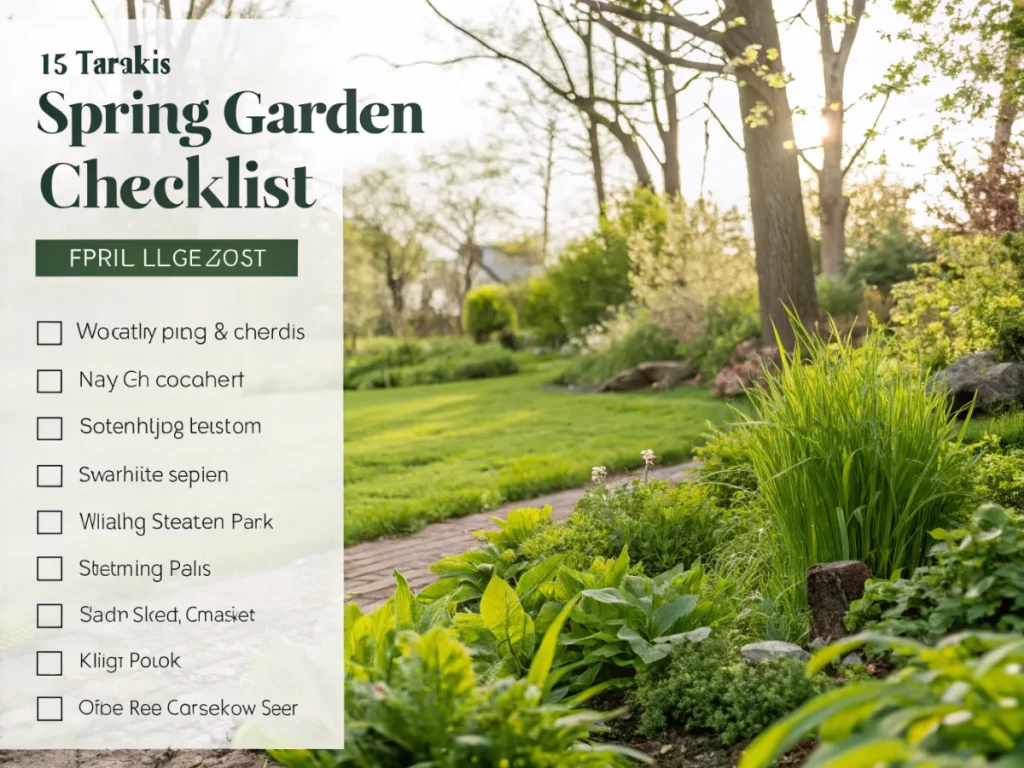
As the days grow longer and the first hints of green emerge, every gardener feels that familiar itch to get outdoors. Spring is an invigorating time of renewal, promising a season of abundance, vibrant colors, and delicious harvests. But before you dive headfirst into planting, a little preparation goes a long way. This comprehensive spring garden checklist will guide you through 15 crucial tasks to complete before April arrives, ensuring your garden is not just ready, but truly set up for success from the get-go. Get ready to transform your outdoor space into a thriving haven!
[lwptoc]
Why This Matters for Your Garden’s Success
Undertaking these preparatory tasks isn’t just about ticking boxes; it’s about laying a strong foundation for the entire growing season. Neglecting early spring duties can lead to a multitude of problems later on, from struggling plants and pervasive pests to decreased yields and more demanding maintenance. Proactive care now saves you time, effort, and heartache down the road.
Imagine your garden as a blank canvas. By preparing it diligently, you’re ensuring the paint adheres better, the colors pop, and your masterpiece endures. A well-prepared garden ecosystem is more resilient, can better withstand challenges like fluctuating weather and pest pressures, and ultimately provides a more rewarding experience for you, the gardener.
What You’ll Need: Tools, Materials, and a Dash of Enthusiasm
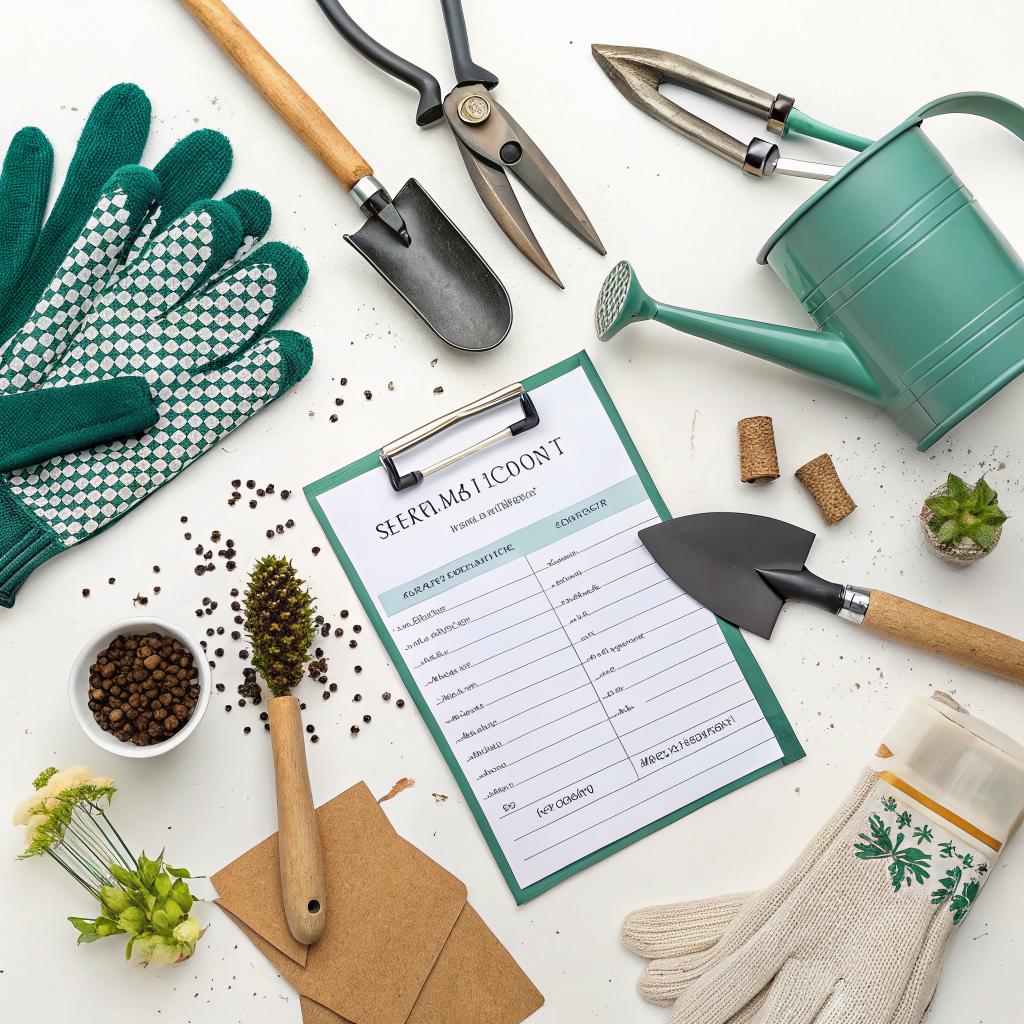
Before you embark on your spring garden journey, gather your essential supplies. Having everything at hand will make the process smoother and more enjoyable. You’ll primarily need basic gardening tools, some soil amendments, and perhaps a few protective items.
- Hand Tools: Trowel, hand pruners, garden fork, and a sturdy rake.
- Larger Tools: Shovel, wheelbarrow (or garden cart), and possibly a hoe.
- Protective Gear: Durable gardening gloves, comfortable protective footwear, and maybe eye protection for pruning.
- Soil Amendments: Compost, aged manure, worm castings, and perhaps some slow-release organic fertilizer.
- Cleaning Supplies: Buckets, scrub brushes, and a mild disinfectant for cleaning pots and tools.
- Planting Needs: Seed trays, potting mix, seeds or young plant starts, gardening labels, and markers.
- Watering Equipment: A functional hose with a spray nozzle or a watering can.
- Pest & Disease Control (Optional): Neem oil, insecticidal soap, or dormant oil spray.
- Enthusiasm: A vital ingredient! Approach these tasks with a positive mindset, ready to connect with the earth.
Step-by-Step Guide: 15 Tasks for a Thriving Spring Garden
Let’s dive into the core of our spring garden checklist. Tackle these tasks systematically, and you’ll be amazed at the transformation in your garden and your peace of mind.
1. Clean Up Debris and Errant Weeds
The first step is always cleanup. Winter can leave a garden looking a bit disheveled, with fallen leaves, broken branches, and dead plant material accumulating. Rake away any lingering winter debris from your beds and pathways.
As you clear, keep an eye out for early emerging weeds. Removing them now, while they are small, is far easier than battling a more established population later. This also helps reduce habitat for overwintering pests and diseases, providing a cleaner start for your new growth. Ensure you’re not just moving debris but actually removing it from the garden beds.
2. Inspect and Sharpen Your Tools
Your gardening tools are your trusty companions; treat them well, and they’ll serve you for years. Before heavy use begins, inspect all your tools for rust, damage, or dull blades. Clean off any caked soil or grime with a scrub brush and water.
Sharpen pruners, shovels, and hoes. Sharp tools make clean cuts, which are better for plants and easier for you. Oil wooden handles to prevent cracking and metal parts to prevent rust. A quick maintenance routine now saves you from struggling with rusty, dull equipment mid-season.
3. Prune Dormant Trees and Shrubs
Late winter to early spring, before buds break, is the ideal time to prune most deciduous trees and shrubs. Remove dead, diseased, or damaged branches first. Then, focus on shaping the plant, improving airflow, and encouraging new growth.
For fruit trees, this is a critical structural pruning time to maximize fruit production. Avoid pruning spring-flowering shrubs (like lilacs or forsythia) until after they have bloomed, as you’ll be cutting off their flowers. Always use clean, sharp pruners for healthy cuts.
4. Test Your Soil
Understanding your soil’s composition and nutrient levels is fundamental to gardening success. A simple soil test can reveal pH levels (acidity/alkalinity) and deficiencies in essential nutrients like nitrogen, phosphorus, and potassium.
You can purchase DIY soil test kits or send samples to your local extension office for a more comprehensive analysis. Based on the results, you can then amend your soil specifically for what it needs, avoiding guesswork and ensuring optimal plant health. This proactive step helps tailor your soil amendments precisely.
5. Amend Your Soil with Organic Matter
Regardless of your soil test results, adding organic matter is almost always beneficial. Compost, aged manure, or leaf mold improves soil structure, drainage, water retention, and provides a slow release of nutrients as it breaks down. This promotes healthy microbial activity, which is vital for nutrient cycling and disease suppression.
Spread a 2-4 inch layer of compost over your garden beds and gently fork it into the top 6-8 inches of soil. For garden soil enrichment tips, adding organic matter is undoubtedly the best investment you can make for your plants’ future. This annual ritual is key to vibrant growth.
6. Check and Repair Irrigation Systems
If you have an irrigation system, now is the time to check it thoroughly before you need it daily. Turn on the system and walk through each zone, looking for leaks, clogged emitters, or broken sprinkler heads. Ensure water is reaching your garden beds effectively and not spraying paths or walls.
Make any necessary repairs or adjustments to ensure efficient watering. This proactive check prevents water waste and ensures your plants receive consistent hydration when the warmer weather truly kicks in. A well-maintained system conserves water and reduces effort.
7. Start Seeds Indoors (If Applicable)
For many vegetables and flowers, starting seeds indoors several weeks before the last frost can give you a significant head start. Check historical frost dates for your region and consult seed packets for specific timing instructions. Popular choices include tomatoes, peppers, eggplants, and various annual flowers.
Use sterile seed-starting mix and provide adequate light (grow lights are often essential) and consistent temperatures. This allows you to grow varieties not available as starts and enjoy earlier harvests. Explore easy indoor seed starting guide for more detailed steps.
8. Plan Your Garden Layout and Crop Rotation
Before any serious planting, take some time to plan. Review last year’s layout and consider crop rotation, especially for vegetables. Rotating crops helps prevent the buildup of specific pests and diseases associated with certain plant families in the same spot year after year.
Sketch out your garden beds, noting where different plant families will go. Consider companion planting for mutual benefits. A well-planned garden makes efficient use of space and resources, leading to healthier plants and better yields. This step is crucial for long-term soil health.
9. Clean and Sanitize Pots and Trays
If you reuse pots, seed trays, or other containers, give them a thorough cleaning and sanitization. Old soil can harbor disease pathogens and insect eggs that can easily infect new plants. Scrub away any old soil or plant matter.
Disinfect pots with a solution of 1 part bleach to 9 parts water, or a horticultural disinfectant like hydrogen peroxide. Rinse them thoroughly and allow them to air dry completely before use. This simple step is vital for preventing damping-off disease in seedlings and other issues.
10. Check for Early Pests and Diseases
As the weather warms, some pests and disease spores begin to emerge. Take a walk through your garden carefully inspecting existing plants. Look on the undersides of leaves, in crevices, and on stems for any signs of overwintering insects, fungal spots, or other issues.
Addressing these problems early can prevent them from spreading and becoming more severe. You might use a dormant oil spray for some fruit trees or roses before buds open, or simply rely on physical removal for early outbreaks. Early detection is your best defense against a pest invasion.
Note: Always properly identify pests or diseases before applying any treatment. Many beneficial insects also emerge in spring, so avoid broad-spectrum pesticides.
11. Repair Fences and Raised Beds
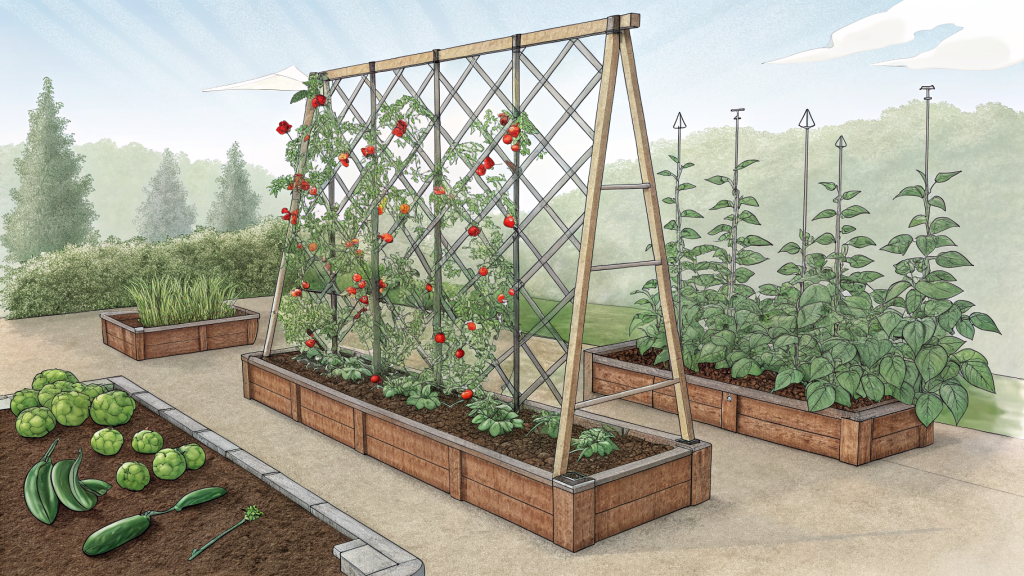
Winter weather can be tough on garden structures. Inspect fences, trellises, and raised garden beds for any damage. Replace rotten wood, tighten loose screws, or reinforce wobbly sections. This ensures your structures are sound and ready to support climbing plants or protect your tender seedlings.
Repairing now prevents bigger problems later, like a collapsing fence under the weight of a heavy vine or rotting wood compromising the integrity of your raised beds. A little DIY effort now saves significant frustration come crunch time. You can find useful DIY garden fence repair tips to guide you.
12. Mulch Existing Beds (or Prepare for New Mulch)
If you don’t already have mulch, or if your existing mulch layer has thinned, plan to apply fresh mulch. A 2-4 inch layer of organic mulch (like wood chips, straw, or shredded leaves) can do wonders. It conserves soil moisture, suppresses weeds, regulates soil temperature, and slowly adds organic matter as it breaks down.
Apply mulch AFTER the ground has warmed slightly but BEFORE weeds become established. Keep mulch a few inches away from plant stems and tree trunks to prevent rot and pest issues. This is a crucial task for low-maintenance gardening.
13. Plan Your Water Collection Strategy
With increasing concerns about water conservation, spring is an excellent time to think about collecting rainwater. If you don’t have one, consider installing a rain barrel connected to a downspout. You can also channel runoff from sheds or garages into garden beds. Rainwater is free, unchlorinated, and excellent for plants.
Ensure your rain barrel is clean and securely placed. This eco-conscious step not only saves money on your water bill but also provides your plants with a natural water source, especially beneficial during dry spells. Every drop counts.
14. Harden Off Seedlings (If Started Indoors)
If you’ve started seeds indoors, they are accustomed to controlled, gentle conditions. Before planting them out, they need to be “hardened off” – gradually acclimated to outdoor elements like wind, direct sun, and cooler temperatures. This process usually takes 7-14 days.
Start by placing seedlings outdoors in a sheltered, shady spot for a few hours, gradually increasing their exposure time and moving them to brighter locations. Bring them indoors at night initially. This prevents transplant shock and ensures your young plants thrive once permanently in the garden.
15. Review and Order Seeds/Plants
As you plan your layout, finalize your seed and plant orders. Popular varieties can sell out quickly, so don’t delay. Double-check your preferred varieties, their growing requirements, and your local climate’s suitability. Consider heirloom or open-pollinated seeds for saving your own seeds later.
Having your seeds and plant starts ready means you can plant as soon as conditions are right, without last-minute scrambling. This forward-thinking step sets you up for a smooth transition into planting season. Always check your local nursery’s stock early for specific varieties.
Pro Tips and Common Mistakes to Avoid
Even seasoned gardeners can stumble. Here are some smart tips and pitfalls to steer clear of during your spring tasks.
- Don’t Rush Planting: Resist the urge to plant tender annuals or vegetables too early. A late frost can wipe out your efforts. “Haste makes waste” truly applies in gardening. Wait until your last frost date has safely passed.
- Water Smartly: Early spring watering should be deep but infrequent. Overwatering can lead to root rot. Check soil moisture before watering.
- Observe Your Garden: Spend time simply observing. What’s thriving? What’s struggling? Notice pest patterns or early disease signs. Your eyes are your best tools.
- Start Small: If you’re new to gardening or feeling overwhelmed, choose a few tasks to focus on first, rather than trying to do everything at once. Gradually expand your efforts.
- Don’t Over-Fertilize: More isn’t always better. Rely on soil test results and organic matter first. Excessive chemical fertilizers can burn plants and harm soil health.
- Keep a Garden Journal: Note down what you planted, when, how it performed, pest issues, and weather observations. This information is invaluable for future seasons.
Eco-Friendly Variations for a Sustainable Spring Garden
Embrace sustainable practices to foster a healthier garden and planet.
- Composting: Divert kitchen scraps and yard waste into a compost pile. This “garden gold” enriches your soil naturally.
- Rainwater Harvesting: As mentioned, collecting rainwater reduces reliance on municipal supplies and provides chemical-free water for your plants.
- Pest Control: Focus on organic pest control methods like hand-picking, encouraging beneficial insects, companion planting, and using organic sprays (e.g., neem oil) as a last resort.
- Native Plants: Incorporate native plants into your landscape. They are adapted to your local climate and soil, require less water and maintenance, and support local wildlife.
- Reduce, Reuse, Recycle: Mend tools instead of replacing them. Reuse pots and trays after disinfecting. Opt for recycled materials for garden structures where possible.
- No-Till Gardening: Consider a no-till or minimal-till approach when preparing beds. This preserves soil structure, boosts soil life, and reduces weed seed germination.
Seasonal Considerations: Beyond April
While this checklist focuses on tasks before April, remember that gardening is an ongoing journey. As spring progresses, you’ll transition to new tasks:
- April: Direct sowing cool-season crops (lettuce, spinach, radishes), planting out hardened-off seedlings after the last frost, and continued weed management.
- May: Planting warm-season crops (tomatoes, peppers, beans), supporting climbing plants with trellises, and consistent watering as temperatures rise.
- June: Harvesting early crops, deadheading flowers, and monitoring for summer pests.
Each month brings its own set of responsibilities and joys. Staying attentive and responsive to your garden’s needs will ensure a fruitful and beautiful season. Embrace the ever-changing nature of your outdoor space, as it will continually evolve and surprise you.
Expert Resources for Deeper Learning
To further enhance your gardening knowledge, explore these reputable resources:
- Gardening Know How: A vast repository of articles on all aspects of gardening, from basics to advanced techniques.
- Royal Horticultural Society (RHS): A leading horticultural charity providing authoritative advice, plant information, and gardening inspiration, particularly strong on UK gardening, but applicable globally.
- University of Minnesota Extension – Garden: University extension services offer science-backed, region-specific gardening advice and research, invaluable for local climate and plant choices.
These platforms provide reliable information that can deepen your understanding and prevent common gardening missteps. Continual learning is a hallmark of a successful gardener, offering new strategies and insights for every season. Embrace the learning process and enjoy the journey of discovery within your own garden, connecting with nature and fostering a profound sense of accomplishment.
Conclusion
Embarking on these 15 spring garden checklist tasks before April sets the stage for a phenomenally successful gardening season. From the foundational work of soil preparation and tool maintenance to the fine art of planning and seed starting, each step contributes to the overall health and vibrancy of your outdoor space. Remember, gardening is a journey, not a destination, and these early efforts are an investment in the rewards that lie ahead.
By approaching these tasks with care and foresight, you’re not just growing plants; you’re cultivating a resilient ecosystem, fostering biodiversity, and nurturing a corner of the world that brings you joy and sustenance. So, roll up your sleeves, embrace the spring spirit, and get ready to witness your garden transform into a magnificent display of life and color!
Frequently Asked Questions About Spring Gardening
<h4>Q1: When is the absolute latest I can start these spring tasks?</h4>
<p>A1: While before April is ideal, many tasks (like soil amending and tool maintenance) can be done even into mid-April, especially in colder climates. However, the earlier you complete them, the better balanced your garden will be for early planting and bloom times. Tasks like dormant pruning become less effective once buds break.</p>

<h4>Q2: What if I don't have time for all 15 tasks? Which are most important?</h4>
<p>A2: If time is limited, prioritize tasks that impact soil health and future growth: 1) Clean Up Debris, 2) Amend Your Soil with Organic Matter, 3) Plan Your Garden Layout, and 4) Prune Dormant Trees/Shrubs (if applicable). These foundational steps have the biggest long-term impact on garden success.</p>

<h4>Q3: How often should I test my soil?</h4>
<p>A3: For established gardens, a comprehensive soil test every 3-5 years is usually sufficient. If you're starting a new garden bed, have had persistent plant health issues, or are making significant changes to your planting strategy, testing annually for the first year or two can be beneficial.</p>

<h4>Q4: Can I reuse old potting mix from last year?</h4>
<p>A4: It's generally not recommended to reuse old potting mix for seed starting or for containers where plants are expected to thrive. Old potting mix can be depleted of nutrients, compacted, and may harbor disease pathogens or insect eggs. It's best to refresh containers with new, sterile potting mix; however, old potting mix can be scattered into garden beds to enrich the soil.</p>