The Complete Guide to Worm Composting at Home: Transform Your Waste into Garden Gold
Welcome to the wonderful world of vermicomposting! If you’re looking for an eco-friendly, efficient, and incredibly rewarding way to enrich your garden soil, then you’ve come to the right place. This comprehensive guide will walk you through everything you need to know about setting up and maintaining a thriving worm composting system right in your own home or backyard.
[lwptoc]
Unlocking Garden Potential: Why Worm Composting Matters for Your Soil
Worm composting, also known as vermicomposting, is more than just a clever way to reduce food waste; it’s a powerful method for creating one of nature’s finest soil amendments: worm castings. These nutrient-rich droppings, produced by hardworking composting worms, are packed with beneficial microbes, essential plant nutrients, and humic acids. Integrating worm castings into your garden soil dramatically improves its structure, water retention, and overall fertility.
Unlike traditional compost, which relies on heat and microbial decomposition, vermicomposting utilizes worms to break down organic matter at a much faster rate. This process yields a finer and more potent product, readily available for plant uptake. By diverting food scraps from landfills, you’re not only reducing your carbon footprint but also actively participating in a sustainable cycle that nurtures your garden from the ground up.
The benefits extend beyond just soil enrichment. Vermicomposting reduces kitchen waste significantly, minimizing the amount of trash sent to landfills and cutting down on methane gas emissions. It’s an engaging and educational activity for all ages, fostering a deeper connection to natural processes and sustainable living. Imagine turning your fruit peels and coffee grounds into a super-food for your tomatoes!
Using worm castings leads to healthier, more robust plants that are more resistant to pests and diseases. They promote vigorous root growth, enhance flowering, and can even improve the flavor and nutritional content of your homegrown produce. Truly, worm composting is a foundational practice for any aspiring or seasoned organic gardener seeking to cultivate a truly vibrant ecosystem.
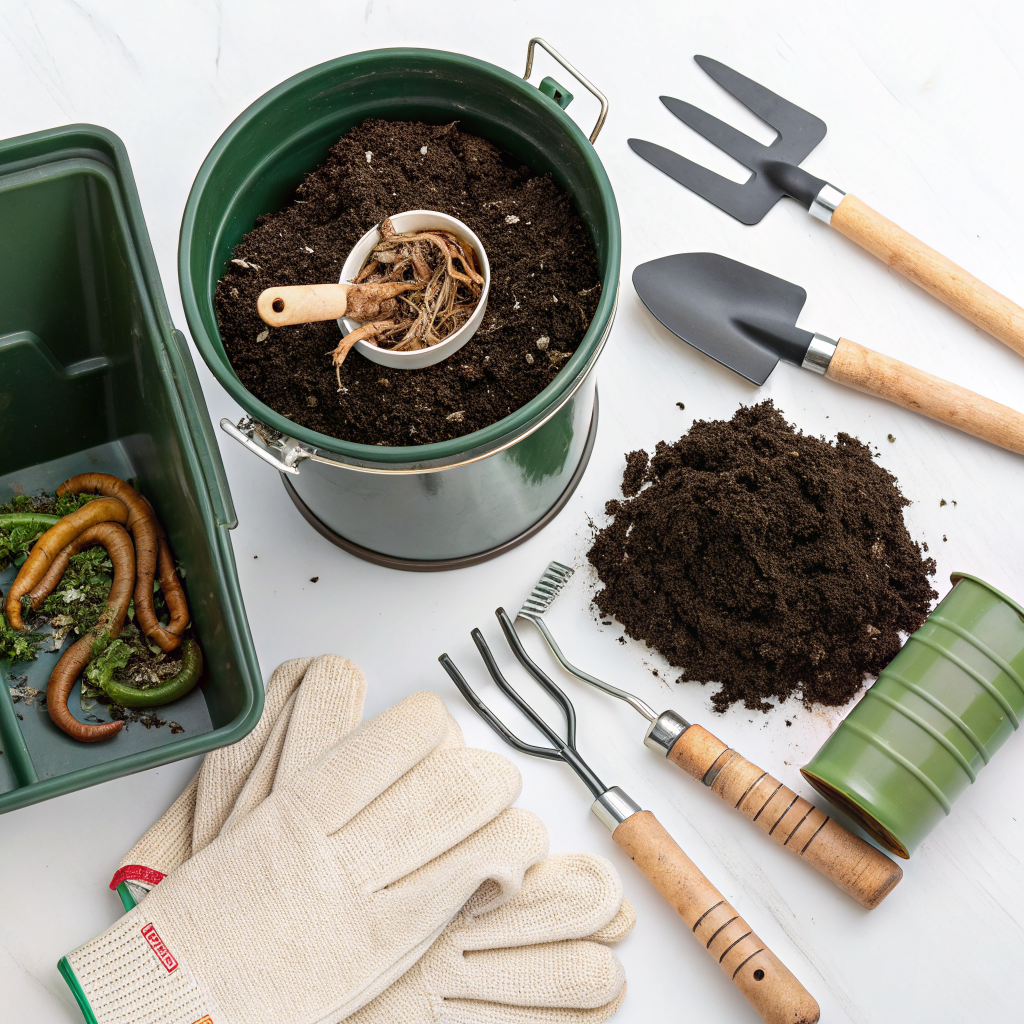
Gathering Your Arsenal: What You Need for a Thriving Worm Bin
Starting a worm composting system doesn’t require a huge investment in expensive equipment. In fact, many of the items you need can be repurposed or found around your home. The key is to create a comfortable and functional habitat for your new subterranean companions. Let’s break down the essentials you’ll need to get started on your worm composting journey.
1. The Worm Bin
- Commercial Worm Bins: These are specifically designed for vermicomposting, often featuring multiple trays that allow worms to migrate upwards as food is consumed, making harvesting castings easier. Popular brands include “Worm Factory” and “Can-O-Worms.” They are great for beginners for their ease of use.
- DIY Bins: You can easily construct a worm bin from opaque plastic storage containers (like Rubbermaid totes) or even wooden crates. The critical elements are aeration and drainage. You’ll need at least two bins of the same size if you’re planning a stacked system, or one large bin for a single-level system.
- Size Considerations: A good rule of thumb is to have 1 square foot of surface area per pound of worms. For a typical household producing 1-2 pounds of food waste per week, a bin around 10-gallon capacity is a good starting point.
- Material Choice: Plastic bins are durable, moisture-retentive, and easy to clean. Wooden bins offer natural insulation and breathability but can be heavier and might decompose over time. Ensure whatever material you choose is food-safe and does not off-gas harmful chemicals.
2. The Worms Themselves
- Red Wigglers (Eisenia fetida): These are the undisputed champions of vermicomposting. They are surface dwellers, voracious eaters, and reproduce quickly. They tolerate a wide range of temperatures and thrive in confined spaces, making them perfect for bins.
- European Nightcrawlers (Eisenia hortensis): Also good for composting, but they tend to burrow deeper and consume larger pieces of organic matter. They are often preferred by anglers for bait, but can also be used for composting, especially in larger systems.
- Where to Get Them: You can purchase red wigglers online from dedicated worm farms, at local garden centers, or sometimes even from fellow gardeners. Aim for at least 1 pound of worms to start your bin, which typically contains around 800-1200 individuals.
- Avoid Earthworms: Common garden earthworms (like Canadian Nightcrawlers) are not suitable for composting bins. They prefer different living conditions and are not efficient at processing kitchen scraps in confined spaces.
3. Bedding Material
- Shredded Newspaper/Cardboard: Excellent choices! Tear or shred them into thin strips. Avoid glossy paper or heavily inked materials.
- Coconut Coir (Coco Peat): A superb, pH-neutral bedding material that holds moisture well. Always choose an unfertilized variety.
- Aged Manure: If you have access to well-rotted cow, horse, or rabbit manure, it can be a fantastic bedding component, adding extra nutrients.
- Leaves & Straw: Untreated, dried leaves and straw can also be used, especially in outdoor or larger bins. Ensure they are free from pesticides.
- Moisture: The bedding should be damp, like a well-wrung-out sponge. This is crucial for worm respiration and comfort.
4. Food Scraps (Organic Matter)
- “Green” Materials: Fruit and vegetable scraps (non-citrus preferred initially), coffee grounds (with filters), tea bags, old bread, pasta, and rice (in moderation). These provide nitrogen.
- “Brown” Materials: Added occasionally for balance and structure. Think small pieces of cardboard, paper towels, and dry leaves. These provide carbon.
- What to Avoid: Meat, dairy, oily foods, highly acidic items (like excess citrus), and pet waste. These can attract pests, create unpleasant odors, and harm your worms.
5. Tools & Accessories
- Spray Bottle: For misting the bedding to maintain moisture levels.
- Hand Trowel/Small Shovel: For burying food scraps and gently turning the bedding.
- A Container for Food Scraps: A small lidded bucket in your kitchen counter to collect scraps daily.
- Optional: Moisture Meter: Can help in maintaining optimal dampness.
- Gloves: Handy for handling bedding and castings, though not strictly necessary.
With these components in hand, you’re well on your way to creating a thriving vermicompost system. The beauty of it is its simplicity and adaptability, making it an ideal project for gardeners of all experience levels.
The Art of Building a Worm Heaven: Step-by-Step Vermicomposting
Setting up your worm bin is an exciting first step towards creating your own black gold. Follow these clear steps to ensure a successful and thriving worm composting system. Remember, patience and observation are key to becoming a successful vermicomposter.
Step 1: Prepare Your Worm Bin
- Drill Drainage Holes: If using a DIY plastic bin, drill several 1/4 to 1/2-inch holes in the bottom for drainage. Place a tray underneath to catch any leachate (worm tea). For commercial multi-tray systems, follow manufacturer instructions for tray stacking and spigot installation.
- Drill Aeration Holes: Drill smaller holes (approx. 1/8 to 1/4-inch) around the upper sides and in the lid of the bin to ensure adequate airflow. Worms are aerobic, meaning they need oxygen to survive.
- Choose a Location: Select a cool, dark, and quiet spot for your bin. Ideal temperatures for red wigglers are between 55-77°F (13-25°C). Garages, basements, utility rooms, or shaded outdoor areas (protected from extreme weather) are excellent choices. Avoid direct sunlight or areas with drastic temperature fluctuations.
Step 2: Create the Perfect Bedding
- Shredding: Rip or shred your chosen bedding material (newspaper, cardboard, coconut coir, etc.) into strips or small pieces. The smaller the pieces, the easier it is for worms to navigate and for decomposition to begin.
- Moisten: Thoroughly moisten the bedding material. It should feel like a damp, well-wrung-out sponge – moist but not dripping wet. Use a spray bottle or slowly add water while mixing.
- Fluff and Fill: Loosely fill your bin about 8-12 inches deep with the prepared, moistened bedding. Fluff it up to create air pockets. This initial bedding provides a home for your worms and helps them acclimate.
- Optional: Add a Handful of Soil/Grit: A small amount of garden soil (about a cup) can introduce beneficial microbes and provide grit for the worms’ gizzards, aiding digestion.
Step 3: Introduce Your Worms
- Acclimation: Gently place your worms on top of the prepared bedding. Leave the bin light on for the first hour or so to encourage them to burrow down into the bedding, away from the light.
- Initial Feeding (Light): After they’ve settled, you can offer a very small first meal. Bury a few handfuls of finely chopped fruit and vegetable scraps under the bedding in one corner. This helps them adjust to their new food source.
- Monitor: Observe your worms over the next few days. They should quickly disappear into the bedding and start exploring their new home.
Step 4: Feeding Your Worms Consistently
- Start Slow: For the first few weeks, feed your worms sparingly. It takes time for them to establish their colony and feeding rhythm. Overfeeding is one of the most common mistakes for beginners.
- Bury Food: Always bury food scraps beneath the surface of the bedding. This helps prevent pests, reduces odors, and encourages worms to come to the surface to eat. Create a new feeding “zone” each time you feed.
- Chop Small: The smaller the food pieces, the faster the worms can break them down. Frozen and thawed scraps tend to break down even more quickly due to cell wall rupture.
- Feed What They Can Eat: A general rule is that worms can eat about half their body weight per day if conditions are optimal. For 1 lb of worms, that’s about 0.5 lbs of food per day. However, start with less (e.g., 1 lb of scraps per week for 1 lb of worms) and increase as you see them consuming food quickly.
- Maintain Moisture: Regularly check the moisture level of your bin. If it feels dry, mist the bedding with water from your spray bottle.
Step 5: Harvesting Your Black Gold (Worm Castings)
- Timing: Depending on the size of your bin and the amount of food scraps, it typically takes 3-6 months before your first harvest is ready. You’ll know it’s time when most of the bedding has been converted into dark, earthy, granular material, and food scraps break down much faster.
- The “Migration” Method (for single bins): Stop feeding the entire bin for a week or two. Then, push all the material to one side and add fresh bedding and food to the empty side. Worms will migrate to the new food source. Once most worms have moved, you can scoop out the finished castings from the other side.
- The “Light” Method: Dump the contents of your bin onto a plastic sheet or tarp in small piles under bright light or sunlight. Worms will burrow away from the light. After a few minutes, scrape off the top layer of castings, wait for worms to burrow deeper, and repeat until you have mostly castings.
- The “Tray” Method (for multi-tray systems): In commercial stacking systems, worms migrate upwards to new food trays. Once a bottom tray is primarily castings with few worms, it can be harvested.
- Using Castings: Worm castings can be directly added to potted plants, used as a top dressing, mixed into garden beds, or brewed into a “worm tea” for liquid fertilization. A little goes a long way due to their potency. Learn more about the benefits of worm castings for your garden here.
Mastering the Bin: Pro Tips and Avoiding Common Pitfalls
Worm composting is forgiving, but a few expert insights and awareness of common mistakes can make your experience even smoother and more productive. Learning from others’ experiences will save you time and potential headaches!
Pro Tips for Vermicomposting Success:
- “Less is More” with Feeding: Especially in the beginning, it’s always better to underfeed than overfeed. An underfed bin will simply slow down, but an overfed one can go anaerobic, become smelly, and attract pests. Wait until you see previous food scraps mostly gone before adding more.
- Chop Your Scraps: The smaller the pieces of food waste, the faster your worms can process them. This means less time waiting for castings and fewer potential odor issues. Consider freezing and thawing scraps; the freezing process breaks down cell walls, making them easier for worms to digest.
- Maintain Moisture: The bedding should consistently feel like a damp sponge. If it’s too dry, worms can dehydrate; if it’s too wet, the bin can become anaerobic and smelly. Use a spray bottle for easy misting.
- Aeration is Key: Periodically, gently fluff the bedding with a hand trowel or rake. This introduces oxygen, which is vital for worms and beneficial microbes, and prevents compaction. Be careful not to disturb the worms too much.
- PH Balance: Worms prefer a neutral pH (around 6.0-7.0). If you notice your bin becoming too acidic (often due to too many acidic food scraps like citrus without balance), you can sprinkle a small amount of crushed eggshells, oyster shell flour, or even a tiny bit of garden lime (calcium carbonate) to help neutralize it.
- Pest Prevention: Burying food scraps completely is your best line of defense against fruit flies and other pests. Avoid putting in meat, dairy, or oily foods entirely. If fruit flies appear, try covering the exposed food with a layer of fresh, dry bedding.
- Rotate Feeding Zones: Instead of scattering food all over, dedicate a “feeding zone” each time. For instance, in a four-corner bin, feed in the top left corner one week, top right the next, and so on. This gives worms time to process food in one area before moving to the next.
- Patience is a Virtue: Vermicomposting is a natural process that takes time. Don’t expect instant results. A healthy, productive bin evolves over weeks and months.
- Learn to Read Your Worms: Observe their behavior. If they are burrowing happily, all is well. If they are trying to escape, or congregating at the edges, something is amiss (too wet, too dry, wrong temperature, too much food).
Common Vermicomposting Mistakes to Avoid:
- Overfeeding: This is arguably the most common mistake. Too much food leads to anaerobic conditions, foul odors, and attracts unwanted pests like fruit flies and maggots. When in doubt, feed less.
- Too Much Moisture: A soggy bin suffocates worms and creates an anaerobic environment, leading to sour smells. Ensure proper drainage holes and manage your water additions.
- Not Enough Moisture: Dry bedding can kill your worms. Always check and maintain that damp sponge consistency.
- Using the Wrong Worms: Garden earthworms are not suitable for bin composting. Always use red wigglers (Eisenia fetida) or European nightcrawlers (Eisenia hortensis).
- Adding Prohibited Foods: Meat, dairy, oily foods, pet waste, and excessive citrus should be avoided. They can cause odors, attract pests, and harm your worms.
- Ignoring Odors: A healthy worm bin should smell like fresh earth. Foul or sour odors indicate an issue, usually overfeeding or too much moisture. Address it immediately.
- Too Much Attention: While observation is good, constantly digging through your bin can stress your worms. Let them do their work in peace, only disturbing them for feeding or occasional checks.
- Incorrect Bedding: Glossy paper, heavily inked paper, or chemically treated materials are harmful. Stick to plain newspaper, cardboard, or coconut coir.
- Temperature Extremes: Worms are sensitive to temperature. Protect your bin from freezing temperatures and extreme heat, both of which can be fatal.
By keeping these tips in mind and proactively avoiding common missteps, you’ll be well on your way to a highly successful and enjoyable worm composting experience. Find solutions to common worm bin problems on our dedicated troubleshooting page.
Beyond the Bin: Adaptable and Eco-Friendly Vermicomposting Variations
While the basic indoor bin setup is excellent for beginners, vermicomposting offers a surprising degree of flexibility. Depending on your space, climate, and desired scale, you can explore various eco-friendly variations that suit your specific needs.
1. In-Ground Worm Composting (Worm Towers/Tubes)
This method is fantastic for integrating vermicomposting directly into your garden beds. You install a perforated tube or bucket (often discarded five-gallon buckets) into the soil. Food scraps are added to the tube, and worms migrate into the surrounding soil to process them, then return to the tube for more food. This directly feeds your garden over a wide area and keeps the worms working right where they’re most beneficial. It’s particularly good for larger gardens or raised beds and helps keep the bin cool in warmer climates.
2. Continuous Flow Composter
For those looking to scale up and minimize harvesting effort, continuous flow-through digesters are an excellent option. These systems are typically tall, cylindrical bins with a screen at the bottom. Food scraps are added at the top, and worms continuously process them downwards. When the castings are ready at the bottom, they fall through the screen into a collection tray without disturbing the worms above. This provides a constant supply of castings with minimal intervention.
3. Outdoor Windrow Composting with Worms
This is suitable for larger volumes of organic waste, such as from small farms or community gardens. Long piles (windrows) of organic materials are constructed, and worms (often a mix of red wigglers and common earthworms) are introduced. The worms work through the piles, processing the material. This method requires more space, protection from predators, and careful management of moisture and temperature, but can handle significant waste streams.
4. Subpod and Other Integrated Garden Systems
Innovations like the Subpod are essentially in-ground worm farms designed to be placed directly within raised garden beds or directly in the ground. They hide the composting process from view, provide direct and continuous fertilization to the surrounding plants, and are designed to be rodent-resistant. These systems combine discreet composting with immediate soil enrichment, making them highly efficient. Discover other efficient composting methods for small spaces here.
5. Composting Toilets with Vermiculture Integration
While a more specialized application, some advanced composting toilet designs incorporate vermiculture to accelerate the breakdown of human waste. This is typically found in off-grid or eco-conscious living environments and requires careful management and specific safety protocols. It’s a testament to the power of worms in breaking down organic matter.
When exploring these variations, always consider the environmental impact of your materials (e.g., recycled plastic for bins, sustainably sourced wood). Ensure your chosen method doesn’t lead to runoff contaminating local water sources, and that pests are properly managed without harsh chemicals. The core of vermicomposting is harmony with nature, so extending that principle to your setup choice is vital.
Adapting to the Seasons: Vermicomposting Throughout the Year
The success of your home worm composting system often hinges on how well you adapt it to the changing seasons. Worms, particularly red wigglers, are sensitive creatures, and maintaining optimal conditions throughout the year will ensure a consistent supply of those valuable castings.
Spring: The Season of Revival
- Increased Activity: As outdoor temperatures rise, worms become more active. If your bin is outdoors, you’ll likely notice a surge in their feeding and reproduction.
- Increased Feeding: You can generally increase the amount of food scraps you add. Monitor how quickly food disappears and adjust accordingly.
- Garden Integration: Spring is a prime time to integrate fresh worm castings into your garden beds as you prepare for planting. Mix them into seed starting mixes or use as a top dressing around emerging seedlings.
- Bin Expansion: If your worm population has exploded, consider splitting your bin or adding another tray to a multi-tiered system to prevent overcrowding.
Summer: Keeping Cool and Hydrated
- Temperature Management: This is the most crucial aspect of summer vermicomposting. Red wigglers thrive between 55-77°F (13-25°C) and can die if temperatures consistently exceed 85°F (29°C).
- Location is Key: Move outdoor bins to a heavily shaded, cool spot. Basements, garages, or underneath dense shrubs can provide refuge.
- Moisture Control: The bin can dry out faster in summer. Check moisture levels frequently and mist with water as needed. A damp (but not soggy) environment helps keep the bin cool through evaporative cooling.
- Insulation: Insulate outdoor bins with old blankets, straw bales, or even bury them partially in the ground to stabilize temperatures.
- Avoid Overfeeding: In extreme heat, worms may eat less. Overfeeding can lead to anaerobic conditions quickly in hot, damp environments.
Autumn: Preparing for Winter
- Harvesting: Fall is an excellent time for a major harvest of castings before colder weather sets in.
- Winterization (Outdoor Bins): Begin preparing outdoor bins for winter. If temperatures will drop below freezing, plan to move your bin indoors (garage, basement, heated shed).
- Insulation: For bins that remain outdoors in mild winter climates, provide extra insulation. Wrap them in blankets, surround them with straw bales, or construct a simple sheltered structure around them.
- Food Scraps: You might notice a slight decrease in feeding activity as temperatures start to drop. Adjust food volume accordingly.
Winter: Slow and Steady
- Indoor Relocation: For most regions with cold winters, bringing your worm bin indoors is essential to prevent freezing. Basements, heated garages, or even under a kitchen sink are good locations.
- Reduced Activity: Worms will become less active and eat less in colder temperatures, even indoors if it’s below their optimal range. Expect slower processing of food scraps.
- Infrequent Feeding: Reduce the frequency and amount of food you offer. Overfeeding can quickly lead to problems in a slower, colder bin.
- Maintaining Moisture: Indoor air can be drier in winter due to heating. Continue to monitor and mist the bedding to maintain adequate moisture.
- Insulation Indoors: Even indoors, placing insulation (like a piece of cardboard or wood) under and around the bin can help regulate its temperature.
The most important seasonal tip is constant observation. Get to know your worms and how they react to changes in their environment. Their behavior (how quickly they eat, if they try to escape) will tell you if adjustments are needed. Vermicomposting is a dynamic process that thrives on attentive care.
Deepening Your Knowledge: Expert Resources for Vermicomposting
While this guide provides a comprehensive overview, the world of vermicomposting is rich with nuances and ongoing research. To truly master the art, we encourage you to explore these reputable external resources for more in-depth information, troubleshooting, and advanced techniques.
Gardening Know How: The Benefits of Worm Castings
This article from Gardening Know How delves into the specific advantages of using worm castings in your garden. It explores how these “black gold” amendments improve soil structure, nutrient availability, and plant health, providing a deeper understanding of why your efforts in vermicomposting are so worthwhile. It’s an excellent resource for understanding the end product of your hard work!
<li><p><a href="https://www.rhs.org.uk/soil/no-dig-gardening-soil-health" target="_blank" rel="noopener">Royal Horticultural Society (RHS): No-Dig Gardening and Soil Health</a></p>
<p>The RHS is a globally respected authority on horticulture. While not solely about vermicomposting, their resources on "No-Dig Gardening and Soil Health" perfectly complement the philosophy of vermicomposting. It highlights the importance of fostering a healthy living soil ecosystem, in which worms play a crucial role. Understanding these broader soil health principles will help you maximize the impact of your worm castings.</p></li>

<li><p><a href="https://extension.umn.edu/planting-avenues-home-garden/vermicomposting-indoor-composting-worms" target="_blank" rel="noopener">University of Minnesota Extension: Vermicomposting – Indoor Composting with Worms</a></p>
<p>University Extension programs are fantastic sources of research-backed, practical advice. This guide from the University of Minnesota Extension provides detailed instructions on setting up and maintaining an indoor worm composting system, including troubleshooting common issues. It's a reliable resource for step-by-step guidance and scientific insights into worm care.</p></li>
Cultivating Your Own Black Gold: A Rewarding Journey
Congratulations! You’ve traversed the complete guide to worm composting at home, equipping yourself with the knowledge and confidence to embark on this incredibly rewarding journey. From understanding the vital role of red wigglers to mastering bin creation, feeding schedules, and seasonal adjustments, you now possess the blueprint for turning your kitchen scraps into a potent elixir for your garden.
Remember, vermicomposting is more than just a method of waste reduction; it’s a living, breathing testament to nature’s efficiency. By diverting organic materials from landfills, you’re actively participating in a sustainable cycle, enriching your soil, and growing healthier, more vibrant plants. The rich, earthy castings produced by your worm companions will infuse your garden with essential nutrients, beneficial microbes, and an improved soil structure that fosters robust growth and resilience.
Start small, observe your worms, and don’t be afraid to learn as you go. Each composted banana peel and spent coffee ground contributes to a healthier planet and a more bountiful harvest. Embrace the gentle hum of your working worm bin, the earthy scent of fresh castings, and the profound satisfaction of transforming waste into true garden gold. Happy vermicomposting!
Frequently Asked Questions About Worm Composting
Q1: How do I know if my worm bin is healthy?
A healthy worm bin should have an earthy smell, like fresh soil. The bedding should be moist but not soaking wet, resembling a wrung-out sponge. You should see many active worms burrowing throughout the bin, especially when you gently disturb the bedding or check under newly added food. There should be little to no visible mold, fruit flies, or other pests, thanks to properly buried food.
<h4>Q2: What should I do if my worm bin smells bad?</h4>
<p>A foul, sour, or ammonia-like smell usually indicates anaerobic conditions, often caused by overfeeding or excessive moisture. To fix it: stop feeding immediately, gently aerate the bin by fluffing the bedding, add more dry, shredded paper or cardboard to absorb excess moisture, and if it's very wet, you might carefully remove some soggy material. Resume feeding only when the smell dissipates and worms start consuming the existing food again.</p>

<h4>Q3: Can I put citrus peels in my worm bin?</h4>
<p>It's generally recommended to avoid large quantities of citrus peels, as their acidity can alter the bin's pH and may repel worms. Small amounts of citrus are usually fine if balanced with other foods and perhaps a sprinkle of crushed eggshells. If you have a lot of citrus waste, consider composting it separately in a traditional hot compost pile.</p>

<h4>Q4: How often should I harvest worm castings?</h4>
<p>The harvesting frequency depends on your bin size, worm population, and feeding rate. Typically, a worm bin will be ready for its first partial harvest after 3-6 months. After that, you might harvest every 1-3 months. The goal is to harvest when a significant portion of the bedding has been converted into dark, crumbly castings, but before the bin becomes too densely packed or food scraps have no more room.</p>