The Complete Guide: 7 Steps to Understanding Soil Food Web for Better Gardening
Are you tired of lackluster harvests and plants that just don’t thrive, despite all your efforts? The secret to a truly vibrant and productive garden lies beneath your feet, in the complex, hidden world of the soil food web. This intricate network of living organisms is the engine that drives soil health, nutrient cycling, and plant vitality. Understanding and nurturing this microscopic ecosystem is not just a gardening technique; it’s a fundamental shift in how you interact with nature, leading to robust plants, fewer pest issues, and a significantly reduced need for synthetic inputs.
[lwptoc]
Why the Soil Food Web Matters for Your Garden
The soil food web is a community of organisms living all or part of their lives in the soil. It ranges from the tiniest bacteria and fungi to nematodes, protozoa, arthropods, and earthworms. Each plays a crucial role in decomposition, nutrient cycling, and maintaining soil structure. When this web is healthy, it provides a self-sustaining system for your plants.
A thriving soil food web translates directly into healthier, more resilient plants. These microscopic workers break down organic matter, convert nutrients into forms plants can absorb, and even protect roots from pathogens. By fostering this ecosystem, you significantly reduce reliance on synthetic fertilizers and pesticides, leading to a more sustainable and organic gardening practice. Think of it as building a robust immune system for your garden!
Healthy soil, empowered by its food web, improves water retention and aeration. This means less watering for you and better root development for your plants. It also helps sequester carbon, contributing to environmental health beyond your garden gate. Embracing the soil food web is a powerful step towards regenerative gardening.
What You Need to Cultivate a Th Thriving Soil Food Web
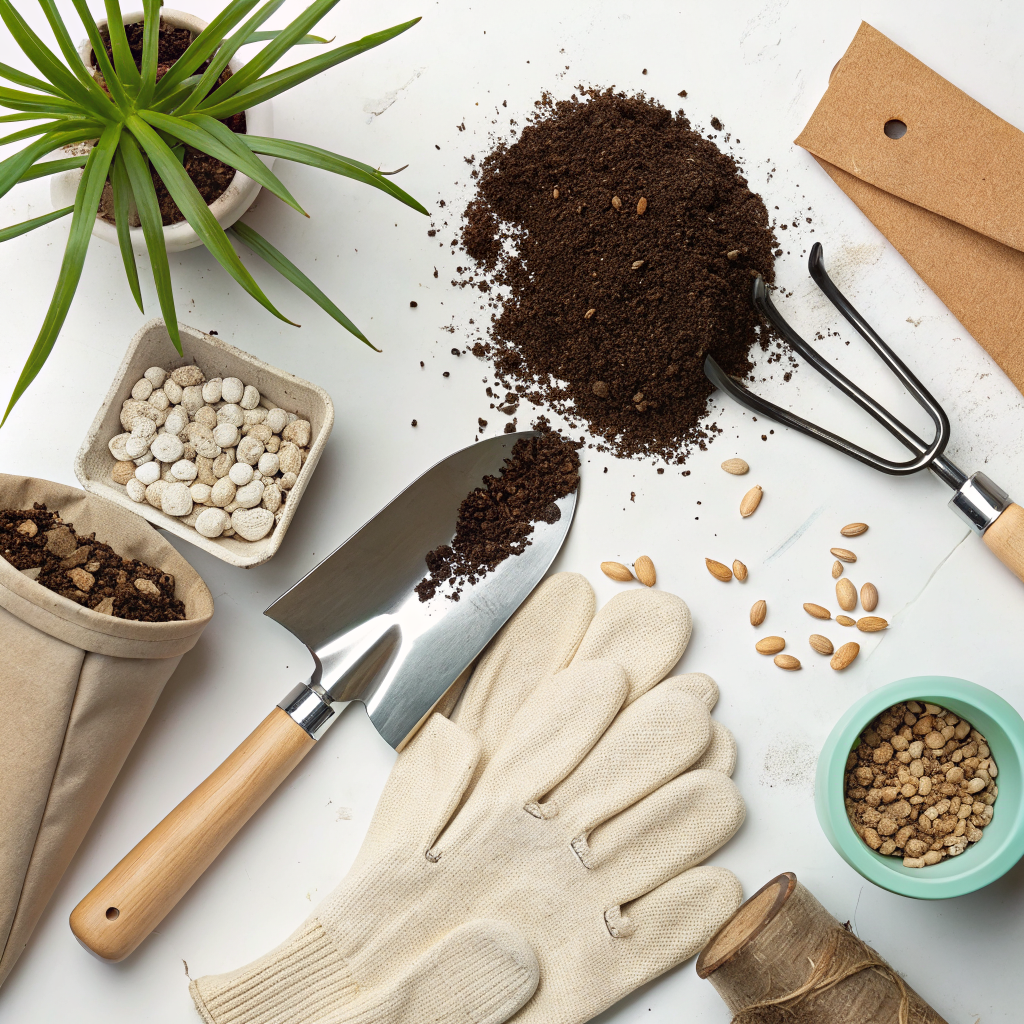
You don’t need highly specialized tools to start nurturing your soil food web; often, less intervention is more. The primary “ingredients” are readily available and natural. Focus on practices that support life rather than destroy it.
- Organic Matter: The absolute cornerstone. This includes compost, leaf mold, aged manure, wood chips, and cover crops. This is the food source for the entire web.
- Compost: A finished product teeming with beneficial microorganisms. High-quality compost inoculates your soil with the very life you want to encourage.
- Mulch: Organic mulches like straw, wood chips, and leaves protect the soil, moderate temperature, suppress weeds, and slowly break down to feed the food web.
- Tools: A broadfork (for gentle aeration), watering can, and shovel are often sufficient. Avoid rototillers which can severely damage soil structure and the food web.
- Plants: Diverse plant selections, especially those with different root structures, support a wider variety of microbial life. Cover crops are excellent for this.
- Water: Consistent, appropriate watering is essential for all life, including soil organisms.
The emphasis here is on natural materials and minimal disturbance. Your most important tool will be your patience and observation. Understanding the specific needs of your existing soil is also a crucial first step; a soil test can provide invaluable insights before you begin.
Step-by-Step Guide: Nurturing Your Soil Food Web
Cultivating a healthy soil food web is a journey, not a sprint. These steps outline a practical approach to transforming your garden from a sterile environment to a thriving, living ecosystem.
Step 1: Get to Know Your Soil (Soil Testing)
Before you implement any changes, understand what you’re working with. A soil test will reveal your soil’s pH, nutrient levels, and sometimes even its organic matter content. This information is critical for tailoring your approach. You can find local resources for soil testing through your agricultural extension office or often through garden centers. Knowing your baseline helps you track progress and apply amendments judiciously. Don’t guess; test! Many gardeners skip this vital step, leading to inefficient or even harmful applications of amendments.
Step 2: Add Abundant Organic Matter & High-Quality Compost
This is arguably the most critical step. Organic matter is food and shelter for the soil food web. Incorporate generous amounts of high-quality, finished compost into your garden beds. Compost instantly inoculates your soil with beneficial bacteria, fungi, and other microorganisms. Beyond compost, continually add other organic materials like aged manure, leaf mold, and finely shredded wood chips. The more diverse the organic matter, the wider the range of organisms it can support. Learn more about composting basics here to produce your own nutrient-rich soil amendment.
Step 3: Mulch, Mulch, Mulch!
Once you’ve added your organic matter and planted, cover the soil surface with a thick layer of organic mulch. Straw, wood chips, shredded leaves, or even grass clippings (free of herbicides) are excellent choices. Mulch protects the soil from erosion, moderates soil temperature, conserves moisture, and provides a slow, steady food source as it breaks down. It also creates a favorable, moist environment for earthworms and other beneficial soil creatures. A good mulch layer also significantly reduces weed pressure, saving you time and effort.
Step 4: Minimize Soil Disturbance
Tillage, whether by rototiller or aggressive digging, can be highly destructive to the soil food web. It breaks up fungal hyphae (the microscopic roots of fungi), disrupts soil aggregates, and exposes delicate organisms to air and sunlight, often killing them. Embrace no-dig or low-tillage gardening practices. Use a broadfork to gently aerate compacted areas without inverting the soil. When planting, dig only the hole necessary for the plant. Let nature do the tilling through earthworms and roots. This approach fosters a stable environment for your soil’s unseen workforce. Discover the full benefits of no-dig gardening for your soil health.
Step 5: Plant Diversely and Incorporate Cover Crops
A diverse array of plants above ground leads to a diverse, resilient soil food web below ground. Different plants release different exudates (sugars and compounds) from their roots, feeding specific microorganisms. Include a mix of vegetables, herbs, flowers, and even small shrubs. Cover crops are an excellent way to maintain a living root in the soil year-round. They protect bare soil, prevent erosion, suppress weeds, add organic matter when tilled in (or left to decompose on the surface in no-dig systems), and most importantly, continuously feed the soil food web. Leguminous cover crops like clover or vetch also fix nitrogen, benefiting future plantings.
Step 6: Avoid Synthetic Chemicals
Herbicides, fungicides, and synthetic fertilizers can be detrimental to the soil food web. Herbicides kill plants, which means less food for the soil organisms. Fungicides, by definition, kill fungi, which are crucial components of nutrient cycling and soil structure. High doses of synthetic nitrogen can burn beneficial microbes and discourage the natural nitrogen cycle. Opt for organic pest control methods and rely on your healthy soil to provide nutrients. The goal is to create a self-regulating system where natural predators control pests and the food web supplies nutrients, minimizing the need for external interventions. Explore effective organic pest control solutions for your garden.
Step 7: Water Wisely and Observe
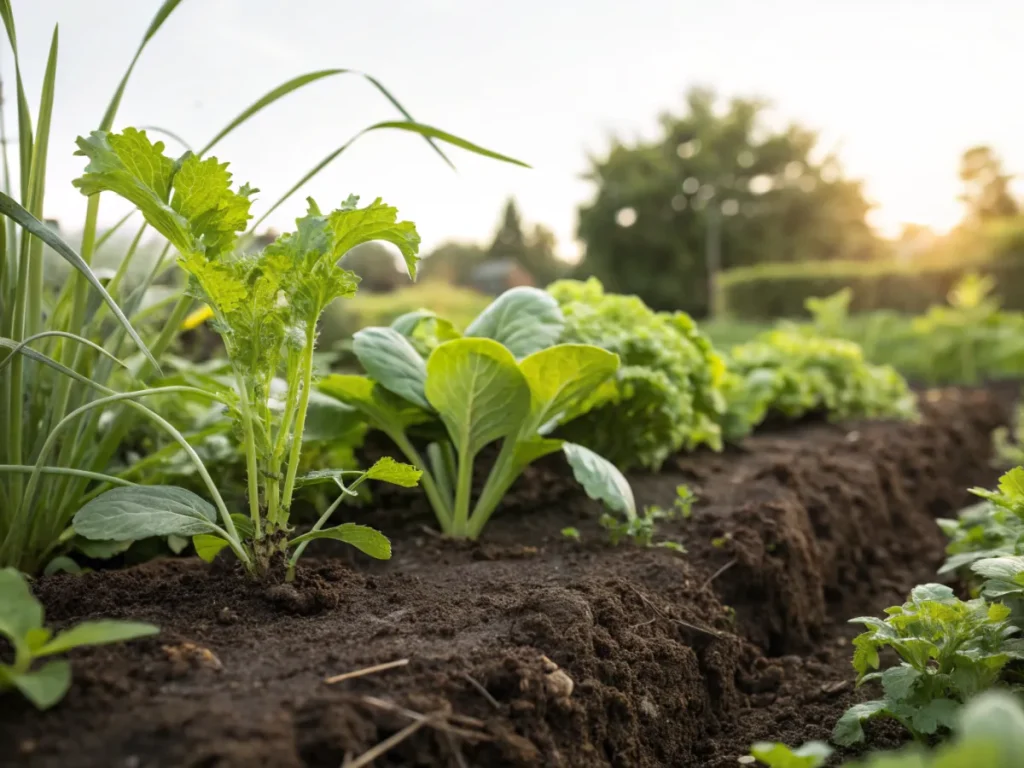
Consistent, deep watering encourages roots to grow deeper, fostering a more extensive and resilient soil food web. Avoid frequent, shallow watering which leads to shallow root systems and surface evaporation. Observe your garden regularly: look at your plants, check the soil moisture, and even dig a small trench to see if you find earthworms and healthy soil structure. These observations are your best guides for adjusting your practices. The more you learn to “read” your garden, the better you’ll become at supporting its natural processes.
Pro Tips and Common Mistakes in Soil Food Web Gardening
Embarking on a soil food web journey means shifting your gardening philosophy. Here are some insights to help you succeed and pitfalls to avoid.
Pro Tips:
- Start Small: Don’t feel you need to overhaul your entire garden overnight. Pick one bed or a small area to focus your efforts. Observe the difference and apply lessons learned.
- Compost Tea & Extracts: For an extra boost, consider making and applying compost tea or compost extracts. These dilute solutions contain beneficial microbes that can be sprayed on foliage or watered into the soil, inoculating plants and soil directly.
- Learn to Identify Life: Get a basic magnifying glass and explore your soil. Identifying earthworms, springtails, and different fungal structures can be incredibly motivating and educational.
- Permanent Beds: Establish permanent garden beds that you don’t walk on. This helps maintain soil structure and prevents compaction, which is detrimental to the soil food web.
- Mix it Up: Experiment with different types of organic matter and diverse plant species. Variety is the spice of life for your soil food web too!
Common Mistakes:
- Over-tilling: The most common mistake. Repeated turning and breaking up of the soil destroys fungal networks and disrupts the delicate balance. Embrace no-till as much as possible.
- Leaving Soil Bare: Bare soil is vulnerable soil. It loses moisture, erodes, and lacks the living roots that feed the soil food web. Always cover it with mulch or cover crops.
- Excessive Synthetic Fertilizers: While they provide quick nutrients, they often bypass and suppress the natural nutrient cycling performed by the soil food web. This creates a dependency; let your soil do the work!
- Ignoring Soil pH: An incorrect pH can prevent nutrients from being available to plants, even if they are present. It can also inhibit the activity of beneficial microorganisms. Always check your pH.
- Impatience: Building a healthy soil food web takes time. You won’t see dramatic changes overnight. Be patient, consistent, and trust the natural processes.
Eco-Friendly Variations for a Thriving Soil Food Web
Beyond mainstream organic practices, several eco-friendly variations can further enhance your soil food web. These methods emphasize working with nature’s processes rather than against them.
- Hugelkultur: This technique involves creating raised garden beds from decaying wood and other organic materials. The slowly decomposing wood, rich in fungi, creates a moisture-retentive and nutrient-rich environment that supports a massive soil food web, particularly fungal networks.
- Biochar: Incorporating biochar (a type of charcoal produced from biomass pyrolysis) into your soil creates a stable, porous habitat for microorganisms. It improves water and nutrient retention and can be a long-term home for beneficial bacteria and fungi. Ensure you inoculate biochar with compost or compost tea before adding it to your garden.
- Dynamic Accumulators & Companion Planting: Planting specific “dynamic accumulator” plants (like comfrey or borage) that draw nutrients from deep in the soil and then chopping and dropping them as mulch provides nutrient-rich organic matter. Companion planting, where specific plants are grown together to benefit each other (e.g., deterring pests, improving growth), also fosters a more diverse and resilient soil food web through varied root exudates.
- Food Forest Principles: Adopting principles from food forestry, such as planting multiple layers (canopy, understory, groundcover, root crops), creates a highly diverse and stable ecosystem above and below ground. The continuous input of organic matter from falling leaves and dead plant material feeds the soil food web constantly. This multi-layered approach mimics natural ecosystems, which are inherently resilient.
Each of these variations offers unique benefits and can be adapted to suit your specific garden needs and climate. They are all rooted in the principle of enhancing biodiversity and supporting the intricate life beneath the soil surface.
Seasonal Considerations for Optimizing Your Soil Food Web
The activity of the soil food web fluctuates with the seasons. Adapting your gardening practices to these seasonal changes will maximize their effectiveness.
Spring: Reawakening and Establishment
- Gentle Start: As the soil warms, microbial activity increases. Avoid working wet soil, as it can lead to compaction.
- Add Compost: A fresh layer of compost in spring inoculates your beds with new life as plants begin to grow.
- Plant Cover Crops: If not winter-sown, spring is a good time to establish quick-growing cover crops in areas not yet planted with main crops.
- Mulch: Replenish any mulch that has decomposed over winter to protect newly active soil.
Summer: High Activity and Protection
- Consistent Moisture: Keep the soil consistently moist, especially during dry spells, to sustain microbial life. Mulch is crucial for this.
- Avoid Disturbance: With plants actively growing, minimize digging and tilling to protect established root systems and fungal networks.
- Top-Dress with Organic Matter: A light top-dressing of compost or leaf mold can provide a continuous food supply throughout the active growing season.
Autumn: Harvest, Rest, and Building for Next Year
- Incorporate Plant Residue: As you harvest, chop and drop non-diseased plant material directly onto the soil surface to feed the food web.
- Plant Cover Crops: This is a critical time to sow winter cover crops to protect the soil, prevent nutrient leaching, and feed the food web through the colder months.
- Add Mulch: Apply a thick layer of autumn leaves or wood chips as a protective blanket for the winter. This will slowly decompose, enhancing the soil for spring.
- Soil Testing: Autumn is an ideal time to perform soil tests, giving you ample time to plan amendments for the following spring.
Winter: Dormancy and Protection
- Maintain Cover: Keep the soil protected with cover crops or a thick layer of mulch. Bare soil is exposed soil.
- Minimize Disturbance: Avoid disturbing the soil during winter dormancy.
- Review and Plan: Use this time to research, plan your spring planting, and perhaps start a new compost pile.
By aligning your efforts with the natural pulsations of the seasons, you create a more harmonious and effective environment for your soil food web to flourish year-round.
Expert Resources for Deeper Understanding
To further deepen your knowledge of the soil food web and its applications in gardening, these expert resources are highly recommended:
- Gardening Know How: For a wide range of practical gardening tips and information, including soil health. Visit Gardening Know How
- Royal Horticultural Society (RHS): A leading UK gardening charity offering extensive scientific research and practical advice on all aspects of horticulture. Explore RHS soil advice
- University of Minnesota Extension: Provides research-based information and resources on sustainable agriculture and gardening, often with a focus on soil science. Check out UMN Extension on Soil & Water
Conclusion: A Living Soil, A Thriving Garden
The journey to understanding and nurturing the soil food web is a transformative one for any gardener. It shifts the focus from feeding the plant directly to feeding the soil, allowing the soil to feed the plant. This approach leads to more than just impressive harvests; it fosters a truly resilient, healthy, and self-sufficient garden ecosystem. You become a steward of a complex living system, playing an active role in ecological restoration right in your own backyard.
By consistently applying organic matter, minimizing disturbance, planting diversely, and avoiding harmful chemicals, you are not just growing plants; you are cultivating a vibrant microcosm of life. The benefits extend beyond your garden to the broader environment, contributing to carbon sequestration, water purification, and biodiversity. Embrace this holistic approach, observe the incredible changes in your soil and plants, and enjoy the profound satisfaction of working in harmony with nature. Your garden, and the planet, will thank you for it.
FAQ: Understanding Soil Food Web for Better Gardening
<h4>Q1: What are the main components of the soil food web?</h4>
<p>A1: The soil food web includes a vast array of organisms, broadly categorized into five trophic levels. These range from primary decomposers (bacteria, fungi) that break down organic matter, to grazing organisms (protozoa, nematodes) that consume bacteria and fungi, and predatory organisms (arthropods, larger nematodes) that feed on smaller soil creatures, all the way up to earthworms and even small vertebrates that aerate and mix the soil. Each plays a vital role in nutrient cycling.</p>

<h4>Q2: How quickly can I see results by focusing on the soil food web?</h4>
<p>A2: Building a truly healthy soil food web takes time and consistent effort, often years. However, you can start observing positive changes within a single growing season. You might notice improved soil structure, better water retention, healthier plant growth, and a reduction in pest issues within months. The cumulative effects become more significant over time as the ecosystem establishes itself.</p>

<h4>Q3: Is it possible to have a healthy garden with a 'dead' soil food web?</h4>
<p>A3: While you can grow plants in sterile or depleted soil by providing all nutrients through synthetic fertilizers, such a garden is typically less resilient, more prone to pests and diseases, and heavily reliant on continuous external inputs. A garden truly thrives with a healthy, active soil food web, which provides a natural, self-sustaining nutrient delivery system, disease suppression, and improved soil structure.</p>

<h4>Q4: Can I use commercial microbial inoculants to boost my soil food web?</h4>
<p>A4: Commercial microbial inoculants can be a useful tool, especially when starting with very poor soil, or to target specific deficiencies. However, they are most effective when combined with the foundational practices of adding abundant organic matter and minimizing soil disturbance. Without a suitable food source and habitat, introduced microbes may not survive or thrive. High-quality compost is often the best and most cost-effective "inoculant."</p>