Ultimate Guide: 10 Low-Maintenance Garden Designs That Look Amazing
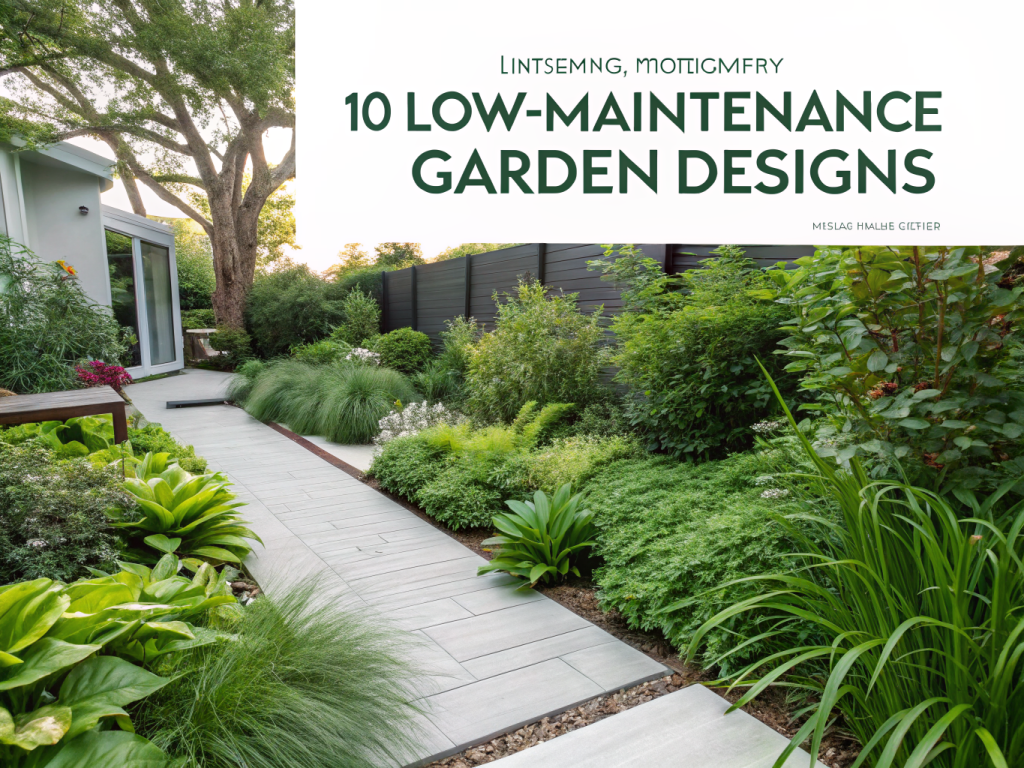
Dreaming of a stunning garden without the constant chore of weeding, pruning, and watering? You’re not alone! Many homeowners desire beautiful outdoor spaces but lack the time or inclination for intensive upkeep. The good news is that “low-maintenance” doesn’t have to mean “low-impact” or “boring.” In fact, with thoughtful planning and strategic plant choices, you can create breathtaking garden designs that virtually care for themselves once established. This comprehensive guide will explore ten fantastic low-maintenance garden designs that prove you can have both beauty and ease.
[lwptoc]
Why Low-Maintenance Gardening Matters for Your Lifestyle
In today’s fast-paced world, our free time is often a precious commodity. A high-maintenance garden can quickly become a source of stress rather than relaxation, turning a hobby into a dreaded task. Opting for low-maintenance garden designs frees up your schedule, allowing you to enjoy your outdoor space for leisure, entertaining, or simply unwinding, rather than constantly working in it. It’s about harnessing nature’s resilience and selecting plants and styles that thrive with minimal intervention.
Beyond personal convenience, low-maintenance gardening often aligns with eco-conscious practices. These designs frequently incorporate native plants, which require less water and fertilizer, and promote biodiversity. They encourage a more sustainable approach to landscaping, reducing your environmental footprint and creating healthier ecosystems right in your backyard. Imagine a garden that not only looks incredible but also contributes positively to your local environment – that’s the power of strategic low-maintenance design.
Furthermore, these gardens are often more resilient to changing weather patterns and require less pest control, thanks to the natural vigor of well-chosen plants. This translates to fewer chemical interventions and a more natural, harmonious outdoor space. It’s an investment in your property’s beauty, your personal well-being, and the health of the planet.
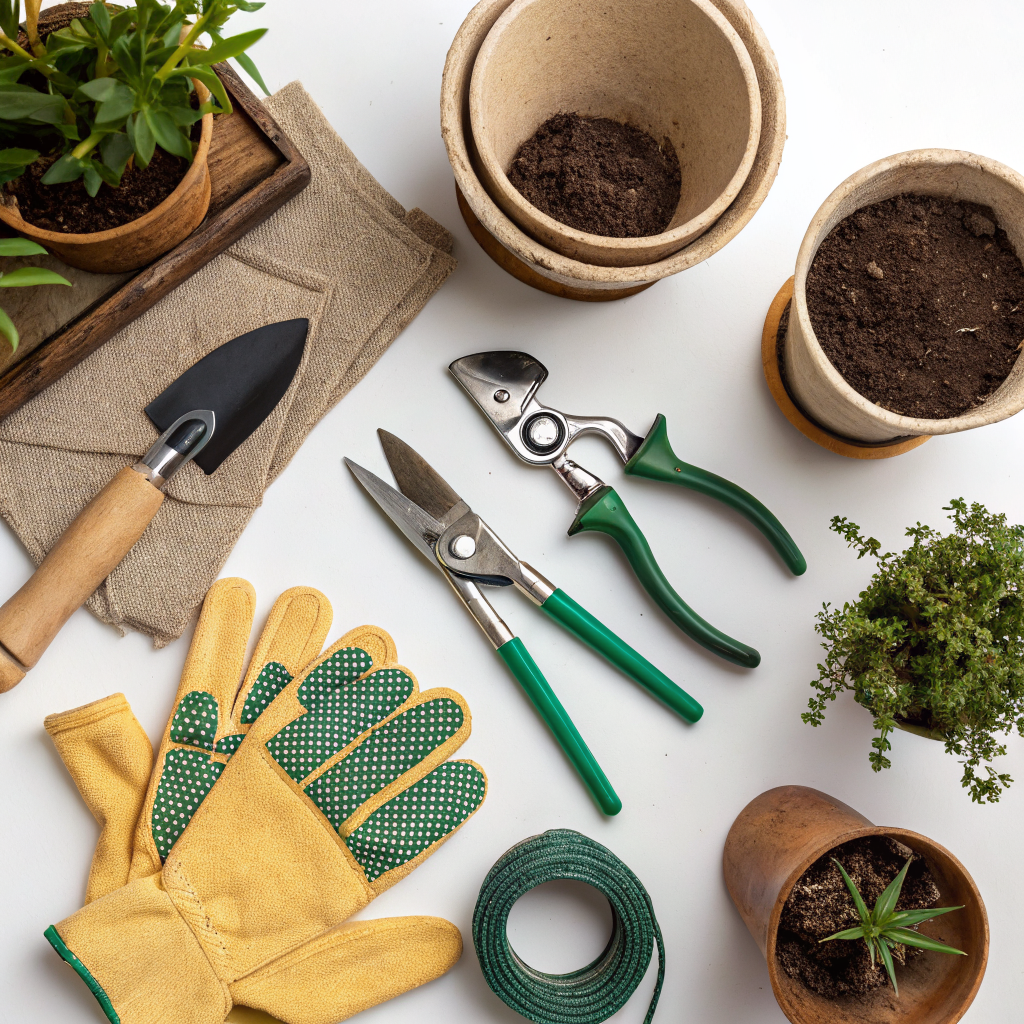
What You Need for a Successful Low-Maintenance Garden
Embarking on a low-maintenance garden project requires more planning than intensive gardening, but the initial investment in design and materials pays dividends in reduced effort later. Here’s a breakdown of what you’ll typically need:
Essential Tools:
- Good Quality Shovel and Trowel: For planting and digging.
- Gardening Gloves: Protect your hands.
- Pruning Shears/Loppers: For occasional trimming, especially for woody plants.
- Wheelbarrow or Garden Cart: For moving soil, mulch, and plants.
- Rake: For spreading mulch or clearing debris.
- Watering Can or Hose with Sprayer: For initial watering after planting and during dry spells.
Key Materials:
- High-Quality Mulch: Critical for weed suppression, moisture retention, and soil temperature regulation. Options include shredded bark, wood chips, pine straw, or gravel.
- Landscape Fabric (Optional): Can be used under gravel or rock mulch for extra weed suppression, but ensure it’s water-permeable.
- Soil Amendments: Depending on your existing soil, you might need compost or other organic matter to improve drainage and fertility before planting.
- Edging Materials: Stone, brick, metal, or plastic edging helps define beds and prevent turf grass from creeping in.
Plant Selection: The Heart of Low Maintenance:
This is where careful research pays off. Focus on:
- Drought-Tolerant Plants: Once established, these require minimal supplemental watering.
- Native Plants: Adapted to your local climate and soil, they thrive without much intervention.
- Slow-Growing Plants: Reduce the need for frequent pruning.
- Disease-Resistant Varieties: Minimize the need for chemical treatments.
- Perennials and Shrubs: Once planted, they return year after year, unlike annuals.
- Groundcovers: Suppress weeds and reduce exposed soil.
- Grasses: Ornamental grasses offer texture and movement with very little fuss.
Step-by-Step Guide to Creating Your Low-Maintenance Oasis
Step 1: Assess Your Site and Plan Your Design
Begin by observing your garden. Note areas of full sun, partial shade, and full shade throughout the day. Analyze your soil type and drainage. Consider the existing features you want to keep or incorporate, like patios or pathways. Sketch out your desired garden beds, pathways, and seating areas. Research plants that thrive in your climate zone (USDA Hardiness Zone) and specific site conditions. This initial planning phase, though time-consuming, prevents costly mistakes and ensures long-term success. Think about seasonality – what will bloom when?
Step 2: Prepare the Soil
Good soil is the foundation of a healthy, low-maintenance garden. Remove any existing weeds, ideally by hand or by solarization (covering with clear plastic for several weeks in hot weather) to avoid chemical use. If your soil is compacted or poor, amend it generously with organic matter like compost. This improves drainage in clay soils and water retention in sandy soils, providing essential nutrients slowly over time, reducing the need for chemical fertilizers. A soil test can provide precise recommendations for amendments.
Step 3: Install Hardscaping and Edging
Before planting, install any elements like paths, patios, or pergolas. This prevents damage to new plants. Crucially, install garden edging around your beds. Edging prevents lawn grass from creeping into your garden beds, significantly reducing weeding time. Materials like stone, brick, recycled plastic, or metal can create a clean, crisp boundary. Ensure the edging is dug in deeply enough to be effective. Strategic placement of stepping stones or gravel paths can also minimize lawn areas requiring mowing.
Step 4: Plant Smartly
Once your soil is prepared and edging is in place, it’s time to plant. Arrange your plants in their containers before digging to visualize the final layout and ensure proper spacing. Dig holes that are twice as wide as the root ball and just as deep. Carefully remove the plant from its container, loosen any circling roots, and place it in the hole. Backfill with soil, gently tamp down, and water thoroughly. Consider grouping plants with similar water and light needs together to simplify future care. Plant in masses for a more impactful and cohesive look.
Step 5: Mulch, Mulch, Mulch!
This is perhaps the most critical step for low maintenance. Apply a thick layer (2-4 inches) of organic mulch like shredded bark, wood chips, or pine straw over the entire planted area, keeping it a few inches away from plant stems and tree trunks to prevent rot. Mulch suppresses weeds by blocking sunlight, conserves soil moisture reducing the need for watering, moderates soil temperature, and slowly adds organic matter to the soil as it decomposes. This single action will save you countless hours of weeding and watering.
Pro Tips and Common Mistakes to Avoid
Pro Tips for Lasting Ease:
- Group Plants by Need: Create “hydrozones” where plants with similar water requirements are grouped together. This optimizes irrigation and prevents over or under-watering.
- Embrace Groundcovers: Instead of leaving bare soil (which invites weeds), use low-growing, spreading plants as living mulch. This increases biodiversity and reduces weeding.
- Consider Drought-Tolerant Lawns or Alternatives: If a traditional lawn is high maintenance for you, explore options like clover lawns, fescue blends, or even replacing turf entirely with hardscaping or dense groundcover.
- Invest in Drip Irrigation: For consistently dry areas or larger beds, a drip irrigation system delivers water directly to the plant roots, minimizing evaporation and maximizing efficiency. Set it on a timer for ultimate hands-free watering.
- Choose Evergreen Over Deciduous: Evergreens provide year-round structure and eliminate the need for extensive fall leaf cleanup in beds.
- Go Vertical: Use trellises with climbing plants or hanging baskets to add interest without taking up valuable ground space or requiring extensive bed maintenance.
Common Mistakes to Avoid:
- Choosing the Wrong Plants: The number one mistake! Planting sun-loving plants in shade or vice-versa, or selecting plants not suited for your climate results in struggling specimens that require constant intervention. Always check plant tags and do your research.
- Insufficient Soil Preparation: Skipping soil amendments means plants won’t establish well, leading to stress, disease, and the need for more care.
- Thin Mulch Layer: A skimpy layer of mulch won’t effectively suppress weeds or retain moisture. Be generous!
- Overcrowding Plants: While tempting to fill in spaces quickly, overcrowding leads to poor air circulation, increased disease, and eventually, plants competing for resources. Adhere to mature size guidelines.
- Forgetting About Establishment Period: Even low-maintenance gardens require more attention during their first year or two as plants establish their root systems. Don’t neglect them during this crucial phase.
- Ignoring Hardscaping: Neglecting pathways, edging, or patios in the design phase can lead to ongoing maintenance headaches like grass invasion or muddy routes.
Eco-Friendly Variations for a Greener Garden
Low-maintenance gardening naturally leans towards eco-friendliness, but you can take it even further by incorporating specific practices. Consider enriching your garden soil naturally for better plant health. Embrace rainwater harvesting by installing rain barrels to collect water from your roof for irrigation, significantly reducing your reliance on treated tap water. This is especially beneficial for watering vegetable patches or container plants during dry spells. For specific needs, explore small garden layout ideas that maximize space and minimize waste.
Minimize or eliminate chemical pesticides and herbicides. A healthy, biodiverse garden with native plants will often attract beneficial insects and birds that naturally keep pests in check. Companion planting can also deter pests naturally. Choose organic fertilizers or rely on the slow release of nutrients from decomposing organic mulch and compost. Composting your kitchen and garden waste provides a continuous, sustainable source of soil improvement. Furthermore, looking into smart irrigation systems can prevent water waste.
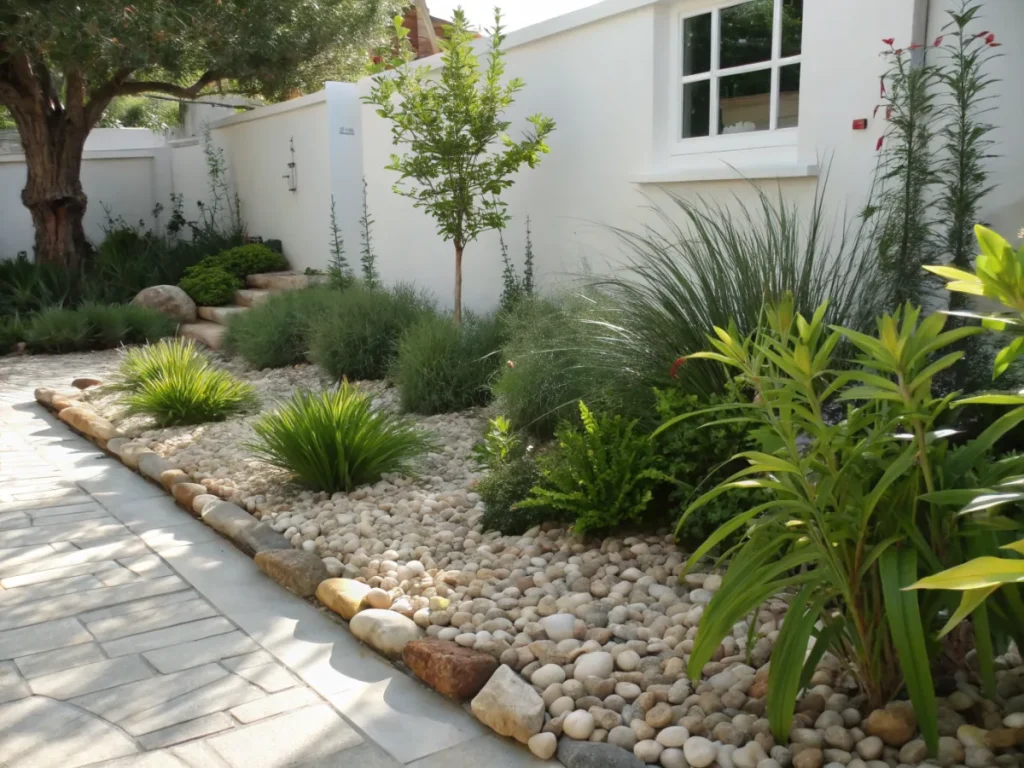
Reduce your lawn area, as lawns are typically the most resource-intensive part of a garden. Replace areas of turf with native plant beds, permeable pathways made from gravel or stepping stones, or a low-maintenance groundcover. This reduces watering, mowing, and fertilizing. When selecting hardscaping materials, opt for permeable options like gravel, permeable pavers, or flagstone with wide joints that allow water to infiltrate the soil, reducing runoff and replenishing groundwater.
Seasonal Considerations for Year-Round Low Maintenance
Even low-maintenance gardens benefit from a seasonal check-in to ensure they continue to thrive with minimal fuss.
- Spring: A crucial time. Inspect your mulch layer and top it up if it has thinned out. Lightly prune any winter-damaged branches. Divide overgrown perennials if necessary to maintain vigor. This is also a good time to plant new additions, allowing them the full growing season to establish. Check for emergent weeds before they take hold.
- Summer: Focus on occasional deep watering during prolonged dry spells, especially for newly established plants. Deadhead flowers if you desire to encourage more blooms or prevent self-seeding, though many low-maintenance plants don’t strictly require it. Keep an eye out for any diseases or pests, addressing them naturally if possible.
- Autumn: Allow perennial foliage to stand over winter, providing insulation for the plant crowns and shelter for beneficial insects. The plant material will also catch snow, adding more insulation. Resist the urge to do a “fall cleanup” that strips your garden bare. Prune woody shrubs and trees if needed, but avoid heavy pruning too late in the season, which can stimulate new growth vulnerable to winter damage. Replenish mulch as needed.
- Winter: Generally a rest period for your garden and for you! Ensure plants are well-watered before the ground freezes solid in colder climates. Protect tender new plants with a layer of straw or burlap if severe cold is anticipated. Enjoy the winter structure of your garden beds.
Expert Resources for Further Learning
To deepen your knowledge and refine your low-maintenance gardening skills, these expert resources offer invaluable information:
- Gardening Know How: An excellent website with a vast library of articles on specific plants, common gardening problems, and how-to guides. Their advice is practical and easy to understand. Visit Gardening Know How
- Royal Horticultural Society (RHS): A world-renowned gardening charity based in the UK, offering comprehensive information on plant care, garden design, and sustainable practices. Their plant finder tool is particularly useful. Explore the RHS Website
- University Extension Offices (e.g., University of Minnesota Extension): Your local university extension office is an unparalleled resource for region-specific gardening advice, recommended plant lists, and pest/disease management tailored to your climate and soil. They often provide free or low-cost soil testing. Check out University of Minnesota Extension Garden
Conclusion: Your Path to a Beautiful, Effortless Garden
Creating a beautiful, low-maintenance garden is not about being lazy; it’s about being smart. It’s about designing a space that works with nature, not against it, allowing you to enjoy the countless benefits of a stunning outdoor oasis without the constant demands of traditional gardening. By thoughtfully planning your design, selecting the right plants for your conditions, preparing your soil effectively, and leveraging the power of mulch, you can significantly reduce the time and effort required to keep your garden looking its best.
Embrace the principles of sustainability and choose plants that thrive in your local environment. The ten low-maintenance designs possible with these strategies offer a diverse palette of aesthetics, from modern minimalist landscapes to rustic cottage gardens, all united by their ease of care. Remember, the initial investment of time in planning and preparation will be repaid tenfold in years of effortless beauty. So, grab your sketchpad, research your local flora, and start transforming your garden into the amazing, low-stress sanctuary you deserve!
FAQ About Low-Maintenance Garden Designs
A1: The absolute essentials are proper site assessment (sunlight, soil), selecting plants appropriate for your climate and conditions (especially native and drought-tolerant ones), and a generous layer of high-quality mulch. These three elements combined will save you the most time and effort.
A2: Absolutely! Low-maintenance doesn’t mean boring. Many native plants, ornamental grasses, and drought-tolerant perennials offer a spectacular array of colors, textures, and forms. Focus on plants with long blooming periods or interesting foliage for year-round interest.
A3: Once established (typically after their first year), most low-maintenance plants, especially native and drought-tolerant varieties, require minimal supplemental watering. You might only need to water during extended dry spells or severe heat waves. Mulch greatly reduces the need for frequent watering.
A4: The initial cost can be comparable to or even slightly higher than a traditional garden, mainly due to investing in good soil amendments, quality plants, mulch, and potentially hardscaping. However, you’ll save significantly over time on water bills, fertilizers, pesticides, and tools, making it a very cost-effective choice in the long run.