10 Ultimate Steps to Create a Sensory Garden for Wellbeing
Imagine a space where every breath fills you with calm, every touch brings a sense of wonder, and every sound soothes your soul. This isn’t just a dream; it’s the reality of a well-designed sensory garden. More than just a collection of plants, a sensory garden is a carefully curated environment intended to engage all five senses – sight, sound, smell, touch, and even taste – to promote relaxation, mental clarity, and overall wellbeing. In our increasingly fast-paced world, finding sanctuaries within our homes and lives has become paramount. A sensory garden offers precisely that: a personal oasis designed for therapeutic benefits and a deeper connection with nature.
Creating such a haven might seem daunting at first, but with a thoughtful approach and a touch of creativity, anyone can transform a patch of green into a powerful tool for stress reduction and mindfulness. This comprehensive guide will walk you through every stage of designing and building your own sensory garden, emphasizing the practical, encouraging an eco-conscious mindset, and providing actionable steps to achieve a truly beneficial outdoor space. Get ready to embark on a journey that will not only beautify your surroundings but also significantly enhance your quality of life.
[lwptoc]

Why This Matters for Your Garden: Beyond Just Pretty Flowers
The concept of a garden designed for wellbeing isn’t new, but its importance has surged in recent years. Our modern lives often involve prolonged screen time, artificial lighting, and a fundamental disconnect from the natural world. This constant stimulation can lead to increased stress, anxiety, and a feeling of being overwhelmed. A sensory garden acts as an antidote, offering a natural escape where the brain can decompress and the body can relax.
For children, especially those with developmental differences, sensory gardens provide an invaluable space for exploration and learning, helping to develop sensory processing skills in a safe and engaging environment. For adults, it’s a place for meditation, gentle exercise, or simply unwinding after a long day. The intentional design elements stimulate different senses, diverting attention from internal worries and focusing it on the present moment. This mindful engagement can lower blood pressure, reduce muscle tension, and improve mood.
Moreover, embracing a sensory approach to garden design often leads to a more biodiverse and ecologically rich space. By selecting plants that appeal to a variety of senses, you’re likely to choose species that attract pollinators, birds, and beneficial insects. This creates a miniature ecosystem that not only thrives but also enhances the overall sensory experience with the buzz of bees, the flitting of butterflies, and the chirping of birds. It’s a holistic approach that benefits both you and the environment.
What You Need: Tools, Materials, and the Right Plants
Before you dig in, a little planning goes a long way. Gathering your resources beforehand will ensure a smooth and enjoyable creation process. You don’t need a massive budget or a vast plot of land; even a small balcony or a corner of an existing garden can be transformed into a sensory haven.
Essential Tools:
- Gardening gloves
- Hand trowel and fork
- Shovel
- Rake
- Pruners/shears
- Watering can or hose
- Wheelbarrow (optional, but helpful for larger projects)
- Measuring tape
Key Materials:
- Soil amendments: Compost, organic matter, sand (depending on your soil type). Healthy soil is the foundation of a thriving garden.
- Mulch: Bark chips, straw, or shredded leaves to retain moisture, suppress weeds, and add visual/olfactory interest.
- Path materials: Smooth pebbles, soft wood chips, or flagstones for tactile pathways.
- Seating: A comfortable bench, a swing, or even strategically placed large rocks to encourage contemplation and rest.
- Water feature components: Pond liner, pump, fountain, or bird bath for sound and visual appeal.
- Decorative elements: Wind chimes, sculptures, bird feeders, or reflective surfaces.
Plant Selection for Each Sense:
This is where the magic truly happens. Choose a diverse range of plants that appeal to each of the five senses. Consider their mature size, light requirements, and your local climate.
- Sight:
- Vibrant colors: Lavender (purple), sunflowers (yellow), cosmos (various), petunias, salvias.
- Varied textures/forms: Lamb’s ear (fuzzy), ornamental grasses (swaying), hostas (large leaves), ferns (delicate).
- Movement: Tall grasses like incorporating drought-tolerant plants can add movement, or bamboo.
- Sound:
- Rustling leaves: Aspen, bamboo, large-leaved hostas.
- Attract wildlife: Plants that attract birds (berry-producing shrubs like elderberry, hawthorn) and bees (lavender, borage, clover).
- External elements: Wind chimes (bamboo, metal), small water features (trickling fountain).
- Smell:
- Aromatic foliage: Rosemary, thyme, mint, lemon balm, eucalyptus.
- Fragrant flowers: Roses, jasmine, honeysuckle, sweet peas, lilac, gardenia, phlox.
- Edible herbs: Many herbs offer delightful aromas and can double as taste elements.
- Touch:
- Soft/fuzzy: Lamb’s ear, Stachys byzantina, silver mound artemisia.
- Smooth: Heuchera leaves, smooth river stones in a pathway.
- Textured bark: Birch, Acer griseum (paperbark maple).
- Interesting foliage: Succulents, ferns, ornamental grasses with feathery plumes.
- Taste (if safe and edibles are desired):
- Herbs: Mint, chives, basil, rosemary, thyme, oregano.
- Edible flowers: Nasturtiums, pansies, violas, chamomile, calendula.
- Small fruits: Strawberries, blueberries (requires specific conditions), cherry tomatoes.
Step-by-Step Guide: Bringing Your Sensory Garden to Life
Follow these steps to transform your vision into a therapeutic reality. Remember, this is your space, so feel free to adapt these guidelines to suit your personal preferences and garden size.
Step 1: Site Assessment and Planning – The Foundation
Begin by observing your chosen area. Note the sun exposure throughout the day – full sun, partial shade, or deep shade. Assess the soil type and drainage. Consider prevailing winds and any existing features like fences, walls, or established trees. Draw a simple sketch of your garden space, marking sunny and shady spots, and start brainstorming where different sensory elements might fit best. Think about pathways, seating areas, and where you might incorporate water features or taller plants for privacy or sound dampening. A well-thought-out plan saves time and effort later.
Step 2: Designing for Flow and Accessibility – Pathways and Zones
Sensory gardens should invite exploration. Create clear, accessible pathways using materials that offer varying tactile sensations, such as smooth pebbles, soft wood chips, or natural flagstones. Consider wider paths for wheelchair accessibility if needed. Divide your garden into “zones” – a quiet contemplation area, a vibrant flower bed, a fragrant herb patch, or a sound-focused section. This compartmentalization helps guide the senses and creates a journey through the garden. Ensure there’s a comfortable seating area where you can pause, observe, and absorb the atmosphere.
Step 3: Soil Preparation and Hardscaping – Building the Structure
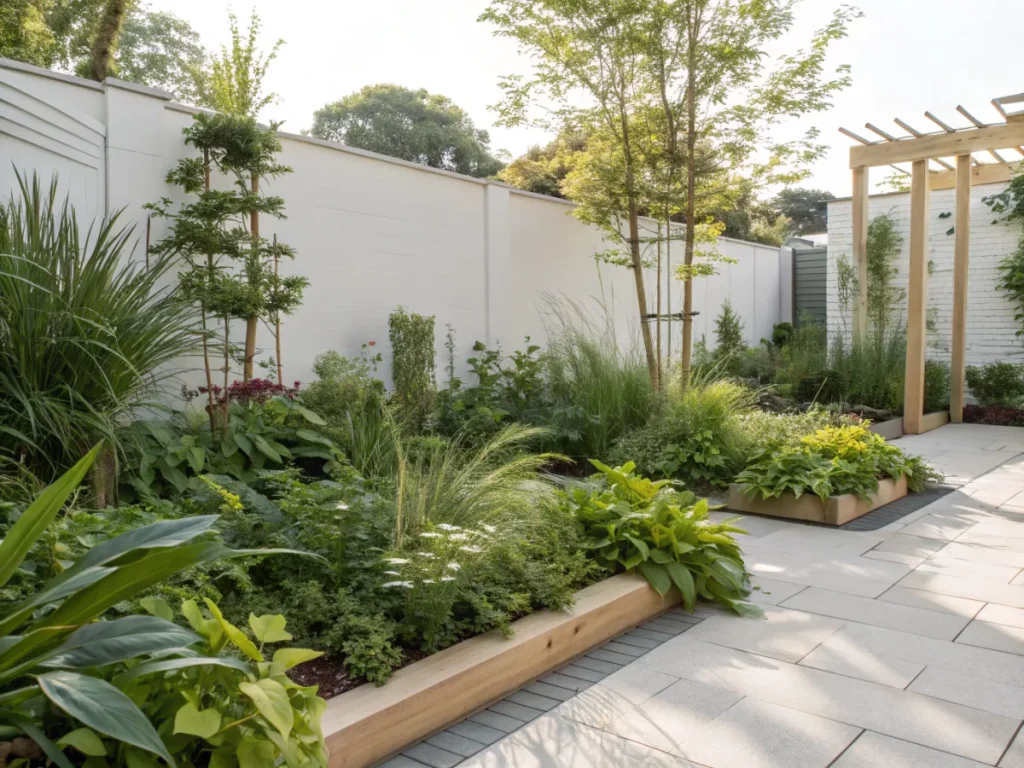
Good soil is crucial for healthy plants. Amend your soil with organic matter like compost to improve fertility and drainage. If your soil is very poor, consider raised beds for better control over soil quality. This is also the time to install any hardscaping elements, such as retaining walls, raised beds, permanent seating, or the base for your water feature. Proper installation of these elements ensures longevity and stability. Remember that composting is an excellent way to prepare soil.
Step 4: Planting for Sensory Impact – The Heart of the Garden
Now for the exciting part: planting! Refer back to your plant list and your design plan. Start with larger shrubs and trees that provide structure, shade, or privacy. Then, move to perennials, grasses, and annuals, arranging them to create visual interest through varying heights, textures, and colors. Group plants by their sensory appeal – a corner dedicated to aromatic herbs, a section with rustling grasses, or a bed of vibrant, touchable flowers. Space plants according to their mature size to avoid overcrowding and ensure proper air circulation.
Step 5: Incorporating Sound and Water – Auditory Delights
Sound is a powerful, often overlooked, sensory element. Install wind chimes in a breezy spot, choosing chimes made from bamboo, metal, or shells for different tones. A small water feature, whether a bubbling fountain, a gentle waterfall, or a simple bird bath, adds a wonderfully calming auditory layer. The sound of trickling water can mask unwanted urban noise and create a peaceful ambiance. Position water features where their sound can be easily enjoyed from your seating area.
Step 6: Adding Aromatic and Tactile Elements – Experiential Depth
Strategically place highly aromatic plants near seating areas or along pathways where they can be brushed against, releasing their scents. Culinary herbs like rosemary, thyme, and mint are perfect for this, as are fragrant flowers like lavender and jasmine. For touch, include plants with diverse textures: fuzzy lamb’s ear, smooth hosta leaves, spiky sedums, or feathery ornamental grasses. Incorporate smooth stepping stones or textured paving in paths to engage the feet. Consider an herb spiral or a patch of chamomile as a “scent lawn” to amplify the experience.
Step 7: Visual Enhancements – Art and Color
Beyond plants, incorporate visual elements that delight and soothe. Colorful bird feeders will attract avian visitors, adding both sight and sound. Sculptures, gazing balls, or natural rock arrangements can serve as focal points. Use contrasting colors to draw the eye, but avoid too many conflicting hues that can feel chaotic. Aim for a harmonious palette that feels calming. Reflective surfaces, like a mirror strategically placed, can create an illusion of space and bounce light.
Step 8: Consider All-Weather Comfort – Year-Round Enjoyment
A true wellbeing garden isn’t just for summer. Plan for year-round interest. Include evergreen shrubs for winter structure and color, plants with interesting bark (like dogwood or birch), and those with berries that persist into the colder months. Ensure your seating is comfortable and perhaps sheltered from direct sun or light rain. Consider adding outdoor lighting for evening enjoyment, creating a magical atmosphere and extending the usability of your space. Low-level path lighting can also improve safety.
Step 9: Maintenance and Evolution – Nurturing Your Oasis
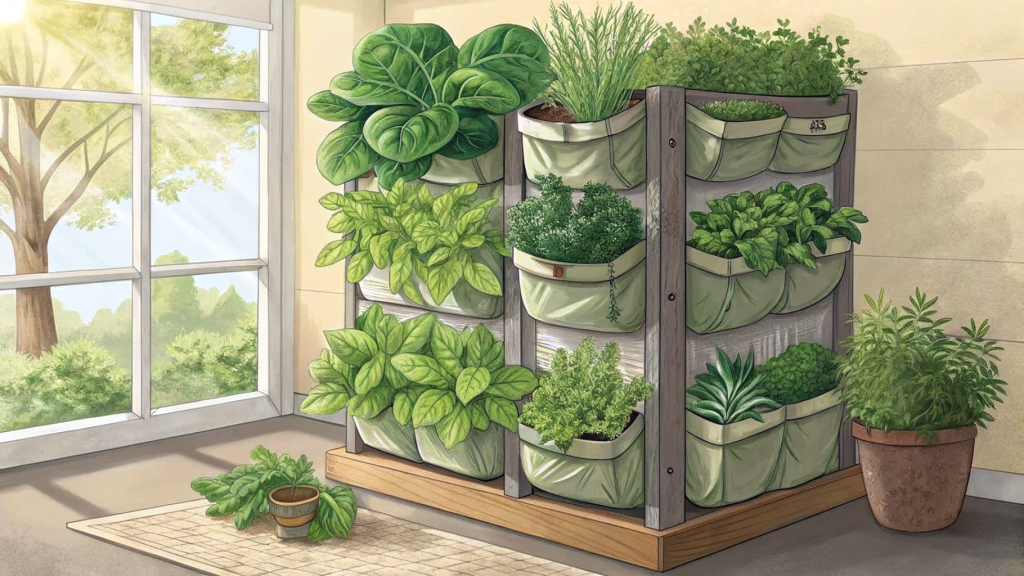
Once established, your sensory garden will need ongoing care. Regular watering, weeding, pruning, and occasional feeding will keep it thriving. However, don’t view maintenance as a chore; consider it another opportunity for mindful engagement. Pay attention to how the garden evolves through the seasons. Some plants may thrive, others may struggle. Be prepared to adapt and refine your planting scheme over time. A garden is a living entity, and its evolution is part of its charm. Learn about how to incorporate vertical gardening to optimize space and minimize maintenance.
Step 10: Personalization and Reflection – Making it Truly Yours
The most important step is to infuse your personality into the garden. Add personal touches: a handmade birdhouse, a special stone collected from a meaningful trip, or even artwork created by yourself or loved ones. Spend time in your garden, observing how it makes you feel. What senses are most stimulated? What brings you the most joy or calm? Use these reflections to tweak and enhance your space, ensuring it remains a deeply personal and effective haven for your wellbeing.
Pro Tips and Common Mistakes
Pro Tips:
- Layer plants: Create depth by placing taller plants at the back, medium-height plants in the middle, and low-growing ground covers or edibles at the front.
- Consider mature size: Always research the mature size of your plants. Overcrowding is a common mistake that leads to unhealthy plants and an uninviting space.
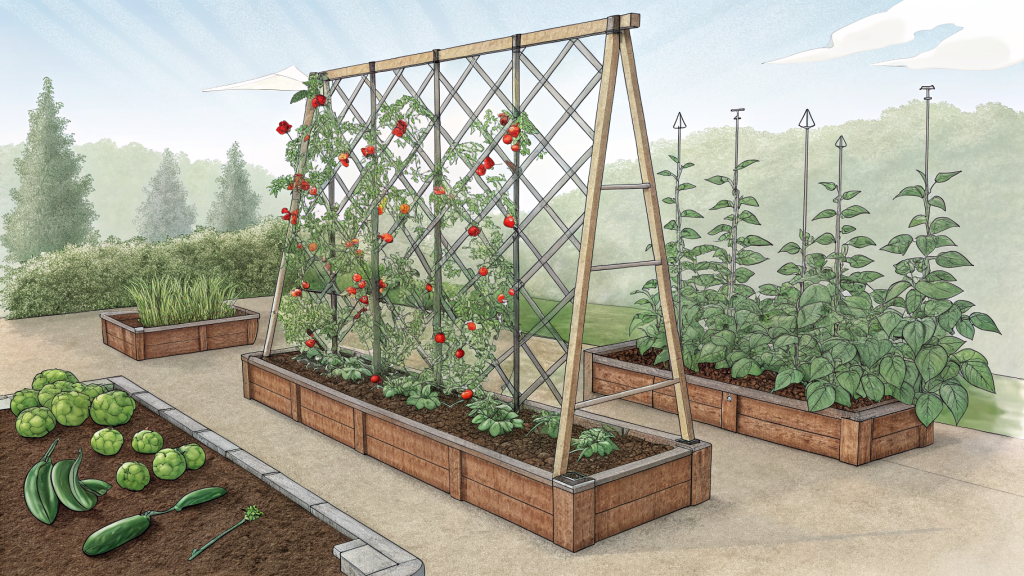
- Incorporate vertical elements: Trellises with climbing roses or jasmine, vertical gardens, or hanging baskets add dimension and maximize space.
- Think about companion planting: Some plants help each other grow, repel pests, or attract beneficial insects, adding another layer of ecological interest.
- Use containers: For flexibility, especially in smaller spaces, containers allow you to move plants around to optimize sun exposure or create temporary sensory focal points. They are also great for controlling invasive herbs like mint.
- Install a compost bin: An excellent way to enrich your soil and reduce waste, contributing to the eco-conscious aspect of your garden.
Common Mistakes to Avoid:
- Overplanting: Resist the urge to buy every appealing plant. A crowded garden can feel chaotic and lead to competition for resources.
- Ignoring light requirements: Placing sun-loving plants in shade or vice versa will lead to poor growth and disappointment.
- Neglecting pathways: Uneven or poorly maintained paths can be tripping hazards and detract from the garden’s calming atmosphere.
- Forgetting about seating: Without a comfortable place to sit, you won’t spend as much time enjoying your sensory creation.
- Lack of variety: A purely visual garden misses the larger point of engaging all senses. Ensure a good balance.
- Not considering maintenance: Choose plants that fit your availability for care. A high-maintenance garden can quickly become a source of stress.
Eco-Friendly Variations
Creating a sensory garden for wellbeing naturally aligns with eco-conscious practices. Here are some ways to enhance its environmental benefits:
- Water Harvesting: Install a rain barrel to collect rainwater for irrigation. This conserves water and reduces your carbon footprint, providing a sustainable water source for your plants.
- Native Plant Focus: As mentioned, prioritizing native plants supports local biodiversity, requires less water, and reduces the need for fertilizers and pesticides. Native flowering plants are also excellent for attracting pollinators.
- Organic Gardening: Avoid synthetic pesticides and chemical fertilizers. Opt for organic pest control methods and enrich your soil with homemade compost and other organic amendments. This protects beneficial insects and soil microbes.
- Upcycled Materials: Use reclaimed wood for raised beds, old tires for planters (research safe options), or repurposed bricks for pathways. This reduces waste and adds unique character to your garden.
- Pollinator-Friendly Design: Beyond native plants, include a variety of flowering plants that provide nectar and pollen throughout the seasons. Add a shallow water source for bees and butterflies. This makes your garden a vibrant hub of life, adding to the sensory experience with buzzing sounds and fluttering wings.
Seasonal Considerations
A truly effective sensory garden provides interest throughout the year. Planning for seasonal changes prevents your garden from becoming dormant or dull during certain months.
- Spring: Focus on early bloomers like daffodils, hyacinths (fragrance), creeping phlox (color, touch), and primroses. Consider plants with fresh, bright green foliage.
- Summer: This is the peak season for a sensory garden. Maximize vibrant colors with roses, lavender, cosmos, and sunflowers. Ensure a continuous bloom cycle by planting annuals and succession planting. Herbal plants are at their best, offering strong aromas and tastes. Include water features for cooling sounds.
- Autumn: Emphasize plants with interesting fall foliage like maples (Acer varieties), fothergilla, or witch hazel. Berry-producing shrubs (e.g., cotoneaster, pyracantha) add visual interest and attract birds. Ornamental grasses provide movement and texture as they dry. Chrysanthemums offer late-season color.
- Winter: Don’t let your garden sleep! Plant evergreens for structure and year-round color (e.g., pines, junipers, holly with berries). Witch hazel offers fragrant winter blooms. Consider plants with interesting bark (birch, dogwood) or dried seed heads that provide texture and visual interest against snow. Wind chimes and bird feeders become even more vital for sensory engagement.
Expert Resources for Deeper Dives
To further enrich your knowledge and find specific plant recommendations for your region, consult these reputable sources:
- The Royal Horticultural Society (RHS): rhs.org.uk – An excellent resource for plant information, gardening advice, and sustainable practices. Their plant selector tool is invaluable.
- Gardening Know How: gardeningknowhow.com – Offers a vast library of articles on various gardening topics, including specific plant care and problem-solving.
- University Extension Offices: extension.umn.edu/find-your-extension – Your local university extension office (like the University of Minnesota Extension here) provides region-specific gardening advice, plant lists, and workshops tailored to your climate and local ecology.
Conclusion
Creating a sensory garden for wellbeing is a deeply rewarding endeavor that extends far beyond mere aesthetics. It’s an investment in your mental, emotional, and physical health, providing a sanctuary where you can reconnect with nature, practice mindfulness, and alleviate the stresses of daily life. By thoughtfully engaging all five senses – sight, sound, smell, touch, and even taste – you cultivate a dynamic, therapeutic environment that continuously offers new experiences and solace.
The journey of designing and nurturing your sensory garden is itself a mindful practice, encouraging patience, observation, and a deeper understanding of the natural world. Remember that this garden is a living, evolving space, and its beauty lies not just in its perfection, but in its ability to adapt and change with the seasons and with your own needs. Embrace the process, experiment with different elements, and allow your sensory garden to become a personal haven that nurtures your soul and enhances your overall wellbeing for years to come.
FAQ
Q1: How much space do I need for a sensory garden?
You don’t need a large area. Even a small balcony with a few carefully chosen potted plants can create a sensory experience. A corner of an existing garden, a raised bed, or even a window box can be transformed. The key is intentional selection and arrangement, not size.
Q2: Are sensory gardens only for people with specific needs?
Absolutely not! While they are incredibly beneficial for individuals with sensory processing disorders, autism, or dementia, sensory gardens offer therapeutic benefits to everyone. They promote relaxation, reduce stress, encourage mindfulness, and enhance overall wellbeing for people of all ages and abilities.
Q3: What are the easiest plants to start with for a sensory garden?
For fragrance, try lavender or rosemary. For touch, lamb’s ear is wonderfully soft. For sound, ornamental grasses like fountain grass provide gentle rustling. For visual appeal, impatiens or petunias offer vibrant color, and for taste, mint or chives are robust and easy to grow. Choose plants suited to your local climate for best results.
Q4: How can I make my sensory garden eco-friendly?
Focus on native plants, which require less water and support local wildlife. Incorporate a rain barrel for irrigation and use organic gardening practices (compost instead of chemical fertilizers, natural pest control). Repurpose materials for pathways and seating, and ensure your plant choices provide habitat and food for pollinators to boost biodiversity.