Ultimate Guide: 7 DIY Organic Slug Repellent Methods That Actually Work
There’s nothing quite as disheartening for a gardener as waking up to find your flourishing plants riddled with holes, their tender leaves chewed to oblivion. The culprits? Slugs. These slimy, nocturnal gastropods can decimate a garden overnight, turning your hard work into a feast for their voracious appetites. While chemical pesticides offer a quick fix, they come with a hefty price tag for the environment, your soil health, and potentially your family’s well-being.
Fortunately, you don’t have to surrender your garden to these hungry mollusks. This comprehensive guide will equip you with seven effective, organic, and DIY slug repellent methods that are not only proven to work but also safe for your plants, pets, and the planet. Get ready to reclaim your garden, one healthy, slug-free leaf at a time!
[lwptoc]
Why Organic Slug Repellents Matter for Your Garden
Opting for organic solutions to pest control is more than just a trend; it’s a philosophy that nurtures the entirety of your garden ecosystem. Chemical slug baits, often containing metaldehyde or iron phosphate, while effective, can be toxic to beneficial insects, birds, and even domestic animals. Their residues can linger in the soil, affecting its long-term health and the uptake of nutrients by your plants.
Organic slug repellent DIY methods, on the other hand, focus on creating natural barriers, deterrents, or traps that specifically target slugs without harming other garden inhabitants. They contribute to a healthier soil microbiome, encourage biodiversity, and ultimately lead to a more resilient and productive garden. By choosing organic, you’re not just protecting your plants; you’re investing in the overall health and sustainability of your outdoor space.
Embracing organic pest control also reduces your exposure to harmful chemicals, making your garden a safer place for children and pets to play. It aligns with sustainable gardening practices, promoting a harmonious balance between nature and cultivation. Plus, many organic solutions are made from readily available household items, saving you money and reducing waste.
What You Need: Tools, Materials, and Beneficial Plants
Before diving into the specifics of each organic slug repellent DIY method, let’s gather some common tools and materials you might need. Many of these items are likely already in your home or can be easily sourced from a local garden center or even a grocery store. Having them on hand will make the process smooth and efficient.
- For Barriers: Copper tape, crushed eggshells, diatomaceous earth (food-grade), sawdust, wood ash, sand.
- For Traps: Shallow containers (yogurt cups, tuna cans), beer (cheap lager works best), yeast, sugar, water.
- For Sprays/Deterrents: Garlic, hot peppers (cayenne, chili), soap (unscented castile soap), coffee grounds, essential oils (peppermint, cedarwood, pine).
- Tools: Spray bottle, trowel, gloves, measuring cups/spoons.
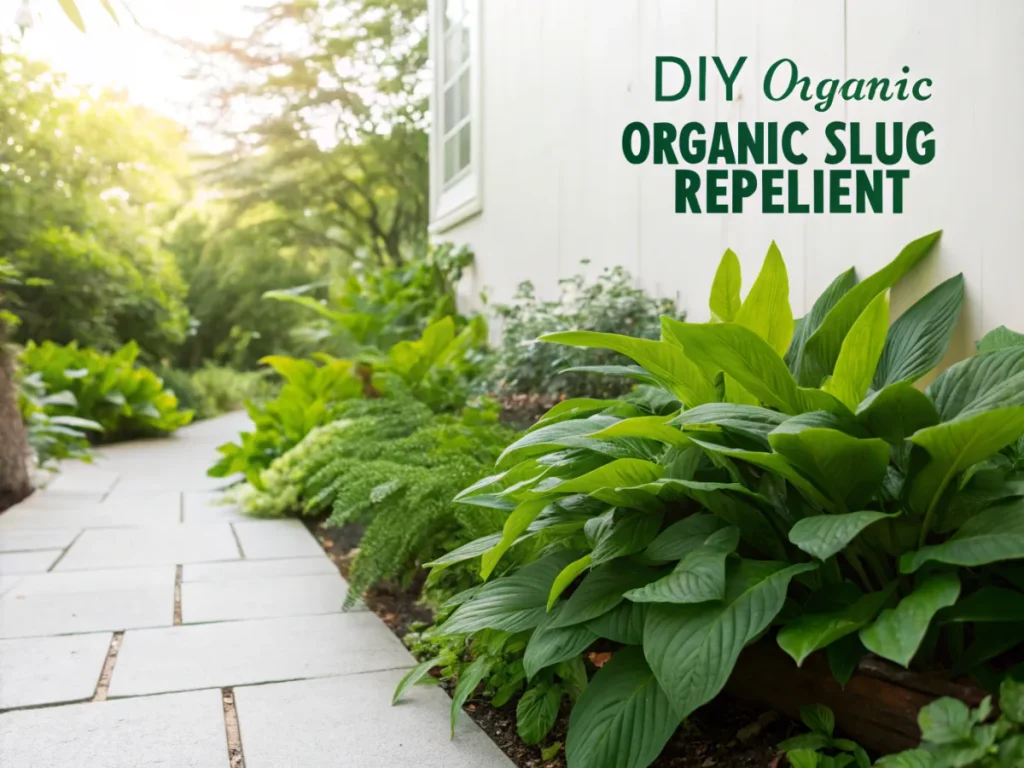
- Beneficial Plants: Many plants naturally deter slugs. Consider incorporating slug-resistant plants into your garden design. Some examples include strong-smelling herbs like rosemary, thyme, sage, and lavender. Other slug-resistant plants include bleeding hearts, hydrangeas, nasturtiums, and some varieties of hostas with thick, textured leaves.
Having a well-stocked garden shed or pantry will prove invaluable in your fight against slugs. Remember, the goal is to use natural, non-toxic ingredients that won’t harm your garden’s delicate ecosystem. Always opt for food-grade diatomaceous earth and unscented soaps to avoid introducing unwanted chemicals or fragrances into your garden.
Step-by-Step Guide: Seven Proven Organic Slug Repellent DIY Methods
Now, let’s explore seven effective organic slug repellent DIY strategies. Each method offers a unique approach to deterring or trapping slugs, and combining several techniques often yields the best results. Experiment to see which works best for your specific garden and slug population.
Method 1: The Beer Trap – An Irresistible Invitation
- Gather Materials: You’ll need several shallow containers (like yogurt cups or tuna cans) and some cheap beer. Any inexpensive lager will do; slugs aren’t picky connoisseurs.
- Prepare the Trap: Dig small holes in the soil near affected plants, ensuring the rim of the container is flush with the ground. This allows slugs to easily crawl in.
- Fill with Beer: Pour beer into each container, filling it about halfway. The yeast and fermented sugars in the beer are irresistible to slugs.
- Placement is Key: Place traps in strategic locations around your garden, especially near vulnerable plants. Space them a few feet apart for maximum coverage.
- Monitor and Refill: Check your traps daily, especially in the morning. Dispose of captured slugs and refresh the beer as needed, typically every 1-3 days depending on slug activity and weather.
- Variation (Yeast Trap): If you don’t have beer, mix a tablespoon of active dry yeast with a tablespoon of sugar in a cup of warm water. Pour this mixture into your shallow containers. This fermentation process produces CO2 and an attractive scent equally appealing to slugs.
Note: Beer traps are highly effective but require consistent maintenance. They specifically target slugs and snails, leaving other garden inhabitants unharmed.
Method 2: Crushed Eggshells – A Prickly Barrier
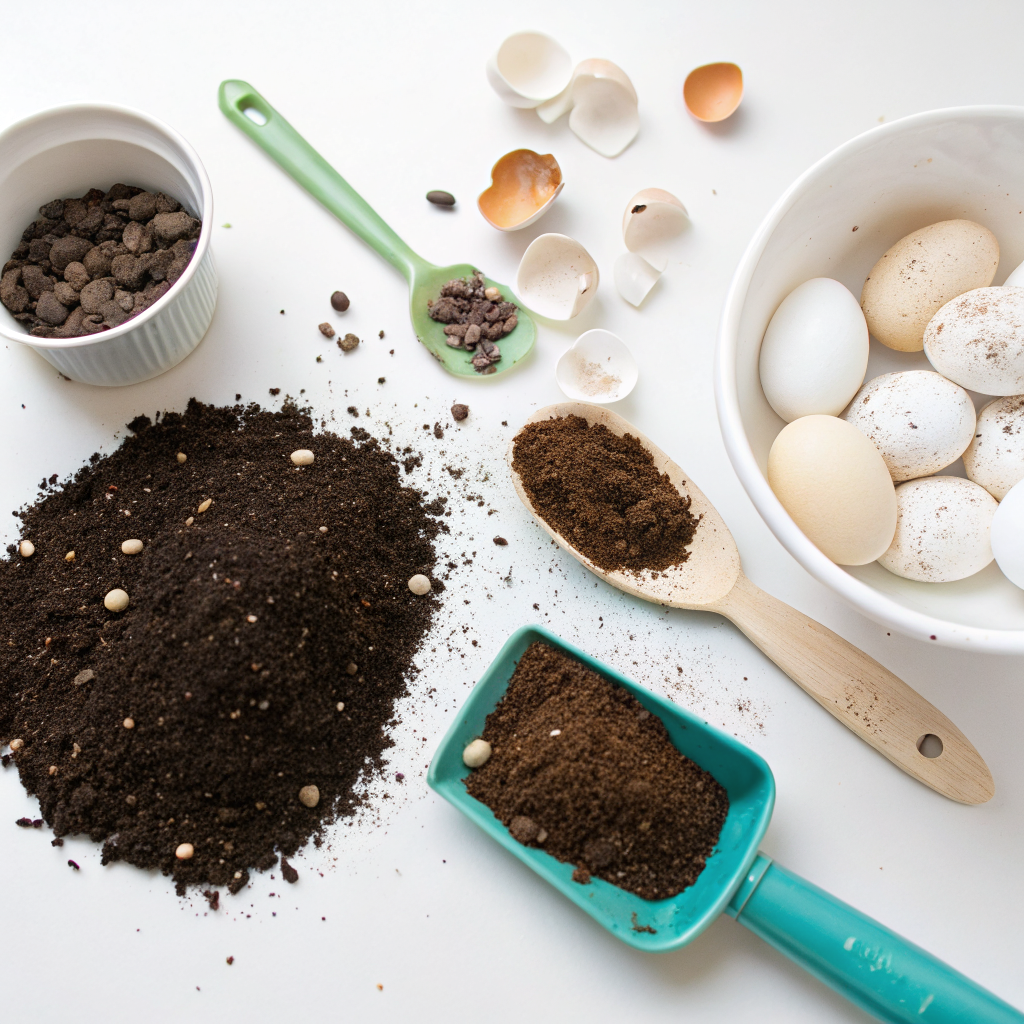
- Collect Eggshells: Start saving your eggshells! Rinse them thoroughly to remove any egg residue.
- Prepare the Shells: Allow the rinsed eggshells to dry completely. Once dry, crush them into small, sharp pieces. A food processor or simply crushing them by hand in a bag works well.
- Create a Barrier: Sprinkle the crushed eggshells generously around the base of plants that are susceptible to slug damage. Create a continuous band about an inch or two wide.
- Maintain the Barrier: Reapply eggshells after heavy rain or watering, as they can get pushed into the soil. Periodically refresh the barrier as it breaks down over time.
- Understanding the Deterrent: Slugs dislike crawling over sharp, abrasive surfaces. The jagged edges of the eggshells act as a physical deterrent, making it uncomfortable for them to reach your plants.
Method 3: Diatomaceous Earth (DE) – A Dehydrating Defense
- Obtain Food-Grade DE: It is crucial to use only food-grade diatomaceous earth when applying it in your garden, especially if you have pets or edible plants.
- Apply on Dry Ground: Sprinkle a thin, continuous layer of DE around the base of vulnerable plants. Ensure the soil and leaves are dry for maximum effectiveness.
- How it Works: Diatomaceous earth consists of microscopic fossilized algae with sharp edges. When slugs crawl over it, these sharp particles abrade their protective slime layer, causing them to dehydrate and eventually die.
- Reapply After Moisture: DE loses its effectiveness when wet. Reapply after rain, heavy dew, or overhead watering to maintain a continuous barrier.
- Safety Precautions: While food-grade DE is safe, avoid inhaling the fine dust during application. Wear a mask if you are sensitive or applying a large amount.
Method 4: Copper Tape – An Electric Shock (for Slugs)
- Purchase Copper Tape: Look for self-adhesive copper tape, often sold at garden centers or online.
- Apply to Containers/Beds: Stick the copper tape around the rims of pots, raised beds, or even wooden garden borders. Create a complete, unbroken band.
- How it Deters: When a slug attempts to cross the copper tape, it reacts with their slime, creating a small, harmless electrical charge. This gives them a mild shock, deterring them from crossing further.
- Ensure Contact: Make sure the tape makes good contact with the surface and that there are no gaps for slugs to sneak through.
- Durability: Copper tape is quite durable and can last for several seasons, though it may tarnish over time. Wiping it clean can help maintain its effectiveness.
Method 5: Garlic Spray – A Potent Repellent
- Prepare Garlic Infusion: Crush 4-5 cloves of garlic and steep them in 1-2 cups of hot water for several hours or overnight.
- Strain the Mixture: Strain out the garlic solids, leaving only the garlic-infused water.
- Add Soap (Optional but Recommended): Mix in a few drops of unscented liquid castile soap. The soap acts as a surfactant, helping the spray adhere to plant leaves.
- Dilute and Spray: Dilute the concentrated garlic solution with an equal amount of water in a spray bottle. Test on a small area of a plant first to ensure no adverse reactions.
- Apply Regularly: Spray the leaves of vulnerable plants, especially in the evening when slugs are most active. Reapply every few days, particularly after rain.
- How it Works: The strong scent and taste of garlic are highly repugnant to slugs, making them avoid treated plants.
Method 6: Coffee Ground Barriers – A Caffeinated Deterrent
- Collect Coffee Grounds: Start saving your used coffee grounds. They are an excellent multi-purpose garden amendment.
- Dry the Grounds: Spread the coffee grounds on a tray to dry completely. Wet grounds can mold and clump.
- Apply as a Barrier: Sprinkle a generous band of dried coffee grounds around the base of plants. Aim for a barrier about 1-2 inches wide.
- Why it Works: The rough texture of the coffee grounds is unpleasant for slugs to crawl over, similar to eggshells. Additionally, the caffeine in the grounds acts as a natural pesticide, which slugs find toxic.
- Replenish: Reapply coffee grounds after watering or rain, as their effectiveness can diminish when wet.
- Bonus: Coffee grounds also enrich the soil with nitrogen as they decompose, benefiting your plants! Learn more about composting coffee grounds here.
Method 7: Hand-Picking – The Most Direct Approach
- Timing is Crucial: Slugs are nocturnal. The best time to hand-pick is at dusk, after dark with a flashlight, or in the early morning before the sun gets too strong.
- Use Gloves: Wear gloves to avoid direct contact with slug slime.
- Search Thoroughly: Look under leaves, in dense foliage, under pots, and in any damp, shady spots where slugs hide during the day.
- Dispose Safely: Collect the slugs in a bucket of soapy water. The soap breaks down their protective slime layer, causing them to drown quickly and humanely. Alternatively, you can drop them into a strong salt solution.
- Consistency is Key: Regular hand-picking, especially during peak slug season, can significantly reduce their population over time.
Pro Tips and Common Mistakes
Implementing organic slug repellent DIY methods effectively requires a bit of understanding and consistency. Here are some pro tips and common mistakes to help you maximize your success and avoid pitfalls.
Pro Tips:
- Combine Methods: No single method is a silver bullet. Combine barriers (eggshells, DE, copper tape) with traps (beer) and deterrents (garlic spray) for a multi-pronged defense.
- Early Intervention: Start your slug control efforts early in the season, before populations explode. It’s much easier to manage a few slugs than an infestation.
- Garden Hygiene: Remove dead leaves, weeds, and garden debris. These provide perfect hiding spots for slugs during the day. Keeping your garden tidy reduces their preferred habitats.
- Water Smart: Water your plants in the morning rather than the evening. This allows the soil surface to dry out before nightfall, making it less attractive for slugs.
- Encourage Predators: Attract natural slug predators to your garden, such as frogs, toads, birds, and ground beetles. Provide habitats like log piles or bird baths. Learn how to attract beneficial insects to your garden.
- Plant Strategically: Place slug-vulnerable plants near slug-deterring plants, or in areas less prone to slug activity (e.g., sunnier, drier spots).
Common Mistakes to Avoid:
- Inconsistent Application: Applying barriers or sprays sporadically will not be effective. Consistency is crucial, especially after rain or heavy watering.
- Ignoring Habitat: Focusing solely on repellents without addressing slug habitats (damp, shady, debris-filled areas) will lead to recurring problems.
- Over-Reliance on One Method: Don’t put all your eggs in one basket. If one method isn’t working, combine it with another or try a different approach.
- Using the Wrong DE: Always ensure you are using food-grade diatomaceous earth. Industrial grade DE can contain crystalline silica which is harmful to humans and animals.
- Wasting Good Beer: While slugs love beer, you don’t need to use your craft IPA. Cheap lager works just as well and is more cost-effective for traps.
- Not Checking Traps Regularly: Beer traps become less effective when full of slugs. Empty and refresh them frequently to maintain their appeal.
Eco-Friendly Variations and Enhancements
Beyond the core methods, there are several eco-friendly variations and enhancements you can integrate into your slug control strategy. These often involve leveraging natural processes or incorporating additional safe ingredients.
- Herbal Mulches: Instead of traditional wood chips, consider mulching with strong-smelling herbs like mint, basil, or sage. Slugs generally dislike these aromas. Ensure the mulch layer is not excessively thick and damp, as this can create a slug haven.
- Wool Pellets: Some garden supply stores offer wool pellets as a slug deterrent. When wet, these pellets swell and become uncomfortable for slugs to crawl over. They also provide nutrients to the soil as they break down.
- Ash Barriers: Wood ash can be used as a temporary barrier similar to eggshells or DE. It dries out slug slime. However, be mindful of its alkalinity, as excessive application can alter soil pH. Use sparingly and reapply after rain.
- Saltwater Spray (Targeted Use): A very dilute saltwater spray can be used directly on slugs as an emergency measure. However, avoid spraying plants or drenching the soil with salt water, as this can severely damage plant health and soil structure. This method is best reserved for direct application onto visible slugs.
- Comfrey Leaves: Some gardeners experiment with placing fresh comfrey leaves around plants. Slugs are reportedly attracted to comfrey, allowing you to collect and dispose of them from these “trap” leaves.
- Homemade Soap Spray: A simple spray made from a few drops of unscented dish soap diluted in water can be sprayed directly onto slugs. The soap breaks down their protective outer coating. Again, use sparingly on plants themselves to avoid potential leaf burn. For general deterrence, garlic or coffee sprays are safer for plants.
Note: Always test any new spray or barrier method on a small, inconspicuous part of your plant first to ensure there are no adverse effects.
Seasonal Considerations for Slug Control
Understanding slug lifecycles and seasonal behaviors can significantly improve the effectiveness of your organic slug repellent DIY efforts. Tailoring your strategy to the time of year will save you time and effort.
Spring: The Awakening
As temperatures rise in spring, slugs emerge from dormancy. This is a critical time for prevention. Start setting beer traps early to catch overwintered adults. Apply barriers like eggshells or diatomaceous earth around new seedlings before they become a slug buffet. Monitor young plants closely, as they are most vulnerable.
Summer: Peak Activity
Summer, especially after rain or during humid periods, sees the highest slug activity. This is when daily checks of traps and consistent reapplication of barriers are essential. Hand-picking becomes an effective ongoing maintenance task. Water in the morning to allow the ground to dry before the slugs come out at night.
Autumn: Preparing for Winter
In autumn, slugs are still active, feeding and laying eggs before winter sets in. Continue your control methods to reduce the number of slugs that will overwinter and emerge next spring. Tidy up fallen leaves and plant debris which serve as ideal egg-laying sites and winter shelters. Consider applying a final, robust barrier around perennial plants.
Winter: Dormancy (Mostly)
During winter, slugs are largely dormant, hiding in soil, under rocks, or in compost piles. While direct control is minimal, focusing on garden hygiene (removing potential hiding spots) remains important. Early spring will require renewed vigilance as the cycle begins again.
By adapting your organic slug repellent DIY strategies to the season, you can stay ahead of these pesky pests and maintain a healthier, more productive garden year-round. This proactive approach is far more effective than trying to battle a full-blown infestation.
Expert Resources for Further Reading
For those eager to delve deeper into organic slug control and sustainable gardening practices, here are some reputable external resources that offer a wealth of information:
-
Gardening Know How – Slug Control Information
Gardening Know How provides extensive articles on identifying, preventing, and combating various garden pests, including slugs. Their advice often includes a good balance of organic and conventional methods, allowing gardeners to choose what best suits their philosophy.
-
Royal Horticultural Society (RHS) – Slugs and Snails Advice
The RHS is a leading gardening charity in the UK, offering authoritative and research-backed advice. Their pest and disease section provides detailed information on the lifecycle of slugs and snails, along with various control strategies, including many organic options.
-
University of Minnesota Extension – Slugs and Snails in Home Gardens
University Extension services in the US are invaluable resources for regional gardening advice, often based on scientific research. The University of Minnesota Extension provides practical guides on identifying slug and snail damage and offers environmentally sound management techniques.
Conclusion: Reclaiming Your Garden, Naturally
Battling slugs in your garden doesn’t have to involve harsh chemicals or endless frustration. By embracing these seven organic slug repellent DIY methods and incorporating them into a holistic gardening strategy, you can effectively protect your precious plants. From simple beer traps to robust barriers of crushed eggshells or diatomaceous earth, each technique offers a sustainable and eco-friendly way to deter these voracious pests.
Remember, consistency is key, and a multi-pronged approach often yields the best results. Combine physical barriers with deterrent sprays and active trapping for maximum effect. By understanding slug behavior and adapting your methods to seasonal changes, you’ll be well on your way to a thriving, slug-free garden. Not only will your plants thank you, but you’ll also contribute to a healthier, more balanced ecosystem in your own backyard. Happy gardening!
FAQ: Your Questions About Organic Slug Repellent DIY Answered
<p><strong>Q1: Are organic slug repellents really as effective as chemical ones?</strong><br>
A1: While chemical slug baits can provide a rapid knockdown, organic slug repellents, when used consistently and in combination, can be highly effective for long-term control. They work by deterring, trapping, or creating inhospitable environments rather than directly poisoning. With patience and diverse methods, organic solutions often lead to a more sustainable, healthier, and pest-resilient garden in the long run.</p>

<p><strong>Q2: How often should I reapply these DIY slug repellents?</strong><br>
A2: The frequency of reapplication depends on the method and weather conditions. Barriers like diatomaceous earth, eggshells, and coffee grounds need to be reapplied after rain or heavy watering as their effectiveness diminishes when wet. Beer traps should be checked and refreshed every 1-3 days. Sprays like garlic solution may need reapplication every few days, especially after rain or heavy dew. Consistent monitoring is key.</p>

<p><strong>Q3: Will these organic methods harm my pets or beneficial insects?</strong><br>
A3: The methods outlined in this article are specifically chosen for their low impact on pets, beneficial insects, and the environment. Food-grade diatomaceous earth is safe. Copper tape only affects slugs. Garlic and coffee grounds are natural deterrents. However, always ensure pets don't consume large quantities of eggshells or coffee grounds, and use unscented, gentle soaps for sprays. The goal is targeted slug control without collateral damage.</p>

<p><strong>Q4: Can I use salt to kill slugs? Is it safe for my garden?</strong><br>
A4: Direct application of salt to individual slugs will kill them by dehydrating them. However, it is NOT recommended to sprinkle salt around plants or in the soil as a barrier. Salt is highly detrimental to plant health and soil structure, leading to stunted growth, leaf burn, and long-term soil salinity issues. If you choose to use salt, only apply it directly onto visible slugs and avoid contact with your plants or soil.</p>