10 Essential Container Permaculture Productive Combinations for Urban Gardeners
Welcome, urban green thumbs and aspiring permaculturists! Are you ready to transform your balconies, patios, and even windowsills into thriving, edible ecosystems? If you’ve ever dreamt of growing an abundance of fresh produce, herbs, and vibrant flowers, all within the confines of containers, then you’ve come to the right place. Container permaculture offers an ingenious solution for maximizing yield and biodiversity in limited spaces.
This comprehensive guide will unlock the secrets to creating harmonious and highly productive plant pairings, focusing on synergistic relationships that benefit all members of your mini-ecosystem. Get ready to explore innovative combinations that deter pests, attract beneficial insects, improve soil health, and deliver a continuous harvest right to your kitchen.
We’ll delve into the ‘why’ behind these powerful partnerships, equip you with the knowledge of essential tools, and walk you through step-by-step planting instructions. From understanding companion planting principles to mastering vertical gardening techniques, you’ll gain the expertise to cultivate a truly resilient and abundant container garden. Let’s dig in and discover the top 10 productive container permaculture combinations that will revolutionize your urban gardening experience!
[lwptoc]
Why This Matters for Your Urban Garden
In the bustling concrete jungles of our cities, green spaces are a precious commodity. Container permaculture isn’t just a hobby; it’s a profound statement of self-sufficiency, sustainability, and rebellion against monoculture. It allows urban dwellers to reconnect with their food sources, reduce their carbon footprint, and cultivate a sense of peace amidst the urban chaos.
By mimicking natural ecosystems in miniature, these productive combinations maximize every inch of available space. They leverage the power of companion planting, where different species grow better together than apart, providing pest deterrence, nutrient cycling, and increased yields. This approach fosters a more resilient garden, less reliant on external inputs like synthetic fertilizers or pesticides, aligning perfectly with permaculture principles of working with nature, not against it.
Furthermore, growing your own food in containers offers unparalleled flexibility. You can move plants to optimize sun exposure, protect them from extreme weather, and even bring tender varieties indoors during colder months. It’s an empowering way to ensure fresh, organic produce is always within reach, promoting healthier eating habits and a deeper appreciation for the cycles of life.
What You Need: Tools, Materials, and Plants
Embarking on your container permaculture journey requires a few essential items, but nothing overly specialized. The beauty of this approach is its adaptability and resourcefulness.
Essential Tools:
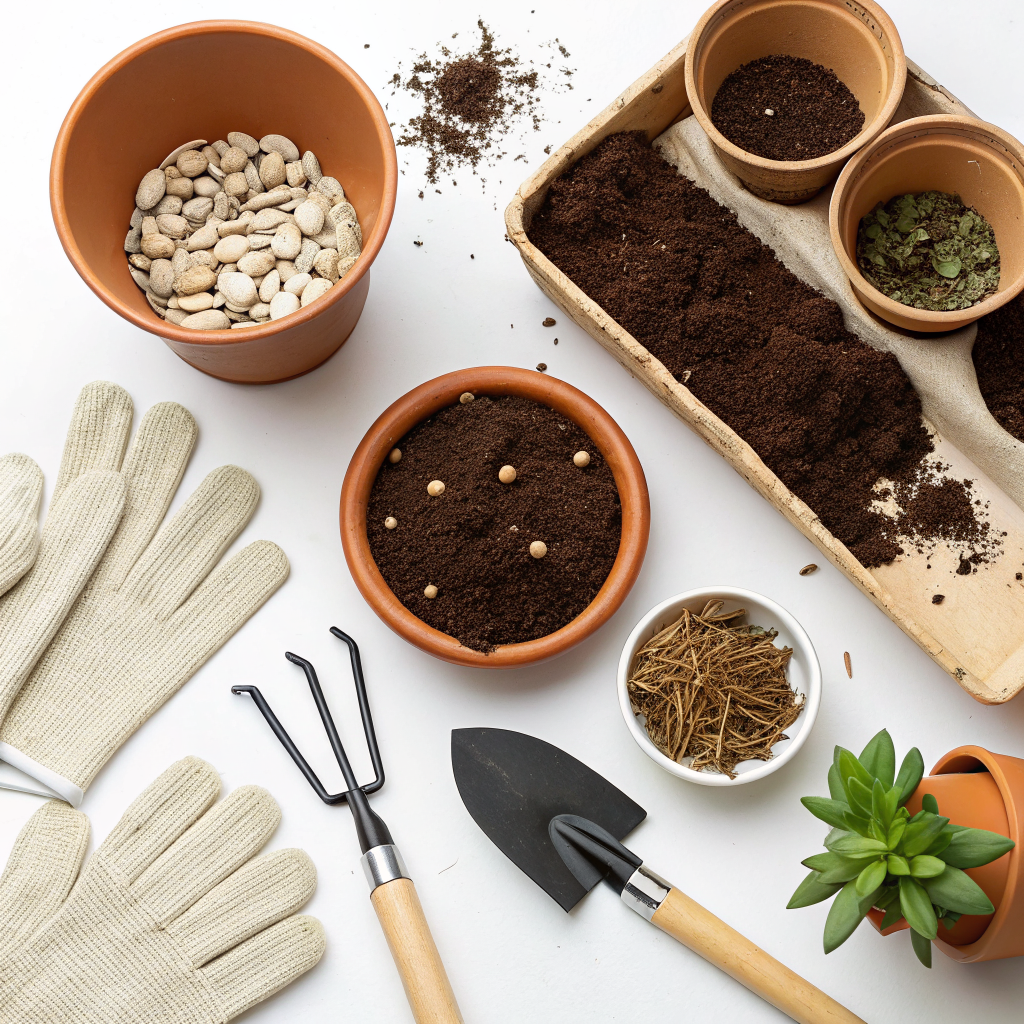
- Hand Trowel and Cultivator: For planting and light soil work.
- Watering Can or Hose with a Gentle Sprayer: Consistent watering is crucial for containers.
- Pruning Shears/Snips: For harvesting and trimming.
- Gardening Gloves: To protect your hands.
- Small Shovel/Scoop: For mixing soil and filling containers.
Materials:
- Containers: Choose various sizes and materials (terra cotta, plastic, fabric grow bags, repurposed buckets). Ensure good drainage with holes at the bottom. Aim for larger containers (10-20 gallon equivalent) for most combinations to allow root development.
- Potting Mix: A high-quality, organic potting mix is vital. Look for one with good drainage and water retention. Consider mixing in compost for added nutrients.
- Organic Compost/Worm Castings: Essential for enriching your potting mix and providing slow-release nutrients.
- Mulch: Straw, shredded leaves, or wood chips help retain moisture, regulate soil temperature, and suppress weeds.
- Organic Fertilizers: Liquid seaweed, fish emulsion, or slow-release granular organic fertilizers can supplement nutrients as needed.
- Stakes, Trellises, or Cages: For vining or taller plants.
Plants (Examples for Combinations Below):
- Vegetables: Tomatoes (bush varieties for containers), bush beans, peppers, lettuce, spinach, kale, radishes, carrots (short varieties), Swiss chard, compact cucumbers.
- Herbs: Basil, mint (in its own container!), rosemary, thyme, oregano, parsley, cilantro, chives.
- Flowers: Marigolds (French and African), nasturtiums, calendula, borage, sunflowers (dwarf varieties), sweet alyssum.
- Edible Groundcovers: Low-growing thyme, purslane.
Step-by-Step Guide to Container Permaculture
Creating your productive container combinations is a rewarding process. Follow these steps to ensure a healthy and thriving garden.
- Plan Your Combinations: Before buying plants, decide which of our 10 combinations (or your own variations) you want to implement. Consider your sun exposure, container size, and desired harvest. Sketch out your ideas.
- Choose Your Containers Wisely: Select containers appropriate for the mature size of your plants. Deeper containers are better for root vegetables and larger plants. Fabric grow bags are excellent for aeration and preventing rootbound plants. Always ensure adequate drainage holes. You can learn more about choosing the best pots for container gardening on our site.
- Prepare Your Potting Mix: Fill your containers with a high-quality organic potting mix, leaving about an inch or two from the rim. Mix in a good amount of compost or worm castings (about 1 part compost to 3-4 parts potting mix) to boost fertility.
- Plant Your Combination: Follow the specific planting instructions for each plant. Generally, place taller plants in the center or back of the container, vining plants where they can trail, and smaller herbs or flowers around the edges. Give each plant enough space to grow, referring to their mature size.
- Water and Mulch: Water thoroughly after planting until water drains from the bottom. Apply a layer of organic mulch (straw, shredded leaves) on top of the soil. This helps retain moisture, suppress weeds, and keep soil temperatures stable.
- Provide Support (If Needed): If you’re planting vining tomatoes, cucumbers, or peppers, install stakes, trellises, or cages at the time of planting to avoid disturbing roots later.
- Monitor and Maintain: Regularly check soil moisture, especially during hot weather. Containers dry out faster than in-ground gardens. Feed with a diluted organic liquid fertilizer every 2-4 weeks, especially for heavy feeders. Watch for pests and address them organically (e.g., neem oil, insecticidal soap). Harvest regularly to encourage more production.
Pro Tips and Common Mistakes
Even seasoned gardeners can encounter challenges. Here are some pro tips and common mistakes to avoid for successful container permaculture.
Pro Tips:
- Layering for Success: Implement vertical layering within your containers. Think “thriller, filler, spiller” design principles, but with edible plants! Taller plants (thriller), bushy plants (filler), and trailing plants (spiller) can all coexist.
- Succession Planting: For fast-growing annuals like lettuce or radishes, plant small batches every 2-3 weeks. This ensures a continuous harvest rather than a single large yield.
- Watering Smart: Water at the base of the plant to prevent fungal issues. Use self-watering containers or Ollas for consistent moisture, reducing daily watering needs. Early morning watering is generally best.
- Attract Pollinators: Always include at least one flowering plant known to attract beneficial insects (e.g., calendula, borage, sweet alyssum) in your combinations. This increases pollination for fruiting plants and helps control pests naturally.
- Observe and Adapt: Your garden is dynamic. Pay attention to how your plants are growing, their color, and any signs of stress. Learn from what works and what doesn’t, and be prepared to adjust your approach.
- Embrace Diversity: The more diverse your container garden, the more resilient it will be. Don’t be afraid to experiment with unusual edibles.
Common Mistakes to Avoid:
- Too Small Containers: The most frequent mistake! Plants will become rootbound, stressed, and unproductive. Always err on the side of larger containers.
- Poor Drainage: Root rot is a swift killer of container plants. Ensure all containers have sufficient drainage holes.
- Overwatering or Underwatering: Both extremes are detrimental. Stick your finger an inch or two into the soil; if it feels dry, it’s time to water.
- Ignoring Soil Health: Potting mix degrades over time. Replenish nutrients with compost and organic fertilizers. Don’t reuse old, depleted potting mix without revitalizing it.
- Neglecting Sunlight Requirements: Placing sun-loving plants in shade or shade-loving plants in full sun will lead to poor performance. Understand each plant’s needs.
- Overcrowding: While the goal is productivity, cramming too many plants into one container will lead to competition for resources and reduced yields. Give your plants room to breathe and grow.
10 Productive Container Permaculture Combinations:
Here are our top picks for synergistic plant pairings that thrive in containers, maximizing your urban garden’s output and ecological health.
1. The “Pizza Garden” Trio: Tomato, Basil, Marigold
- Principle: Classic companion planting. Basil repels tomato hornworms and flies, while marigolds deter nematodes and other soil-borne pests. The fragrance of basil is also said to improve tomato flavor.
- Container Size: At least 15-20 gallons (or 2 separate, large containers if using a large indeterminate tomato). A bush or determinate tomato variety is best here.
- Placement: Tomato in the center, basil around its base, marigolds at the edges.
- Benefits: Pest deterrence, flavor enhancement, continuous harvest of herbs and tomatoes.
2. The “Stir-Fry” Stack: Bush Beans, Radishes, Nasturtium
- Principle: Nitrogen fixation, quick harvest, pest trap. Bush beans fix atmospheric nitrogen, benefiting nearby plants. Radishes are fast-growing fillers. Nasturtiums act as a trap crop for aphids, drawing them away from your beans, and their leaves/flowers are edible.
- Container Size: 10-15 gallons.
- Placement: Beans in the center, radishes scattered around, nasturtiums trailing over the edges.
- Benefits: Nutrient cycling, quick harvest, pest control, edible flowers.
3. The “Salad Bowl” Mix: Lettuce, Spinach, Chives, Sweet Alyssum
- Principle: Succession planting, beneficial insect attraction, diverse harvest. Leafy greens thrive in partial shade provided by taller elements or in cooler spots. Chives deter aphids, and sweet alyssum attracts tiny beneficial insects like parasitic wasps and hoverflies, which prey on pests.
- Container Size: 7-10 gallons, wider than deep.
- Placement: Mix greens, with chives centrally, and alyssum trailing.
- Benefits: Continuous fresh salad, pest deterrence, pollinator attraction.
4. The “Pepper Power” Combo: Pepper, Oregano, French Marigold
- Principle: Pest deterrence, complementary growth habits. Marigolds protect against nematodes and other soil pests. Oregano acts as a living mulch, suppressing weeds and keeping soil cool, while its strong scent can deter some insects.
- Container Size: 10-15 gallons.
- Placement: Pepper plant in the center, oregano spreading around its base, marigolds at the front/sides.
- Benefits: Pest resistance, flavor, soil health.
5. The “Squash & Sun” Duo: Compact Summer Squash, Borage
- Principle: Pollinator attraction, beneficial growth. Borage is a fantastic pollinator magnet, drawing bees essential for squash fruiting. It’s also believed to deter squash bugs and can improve the vigor of host plants.
- Container Size: 20+ gallons for compact squash varieties like ‘Patio Star’ or ‘Bush Champion’.
- Placement: Squash in the center, borage planted nearby to slightly shade the root zone of the squash in hot weather.
- Benefits: Increased squash yield, pest management, beautiful edible flowers.
6. The “Herb Haven”: Rosemary, Thyme, Calendula
- Principle: Diverse scents, medicinal properties, continuous bloom. Rosemary and thyme are drought-tolerant Mediterranean herbs. Calendula (pot marigold) attracts beneficial insects and provides edible, medicinal petals.
- Container Size: 10-gallon, well-draining.
- Placement: Rosemary as the structural element, thyme spreading, calendula filling in gaps.
- Benefits: Aromatic, culinary and medicinal herbs, pollinator attraction.
7. The “Root Revival” Pair: Carrots (Short Varieties), Radishes, Mint (separate pot nearby)
- Principle: Soil loosening, quick succession, pest deterrence. Radishes break up heavy soil, benefiting carrots. Mint, while a good companion, is best kept in its own container due to its aggressive spreading nature, but its strong aroma can deter flea beetles.
- Container Size: 10-12 gallons, deeper varieties work well.
- Placement: Interplanting carrots and radishes, with mint in an adjacent pot.
- Benefits: Improved soil structure, dual harvest of root crops, remote pest deterrence.
8. The “Beetroot Bliss”: Beets, Garlic Chives, Chamomile
- Principle: Nutrient cycling, pest deterrence, soil conditioning. Beets benefit from the nutrient-releasing properties of companion plants. Garlic chives deter aphids and Japanese beetles. Chamomile attracts beneficial insects and is said to improve the flavor of beets.
- Container Size: 10-15 gallons.
- Placement: Beets slightly separated, with chives and chamomile interplanted.
- Benefits: Enhanced flavor, pest control, medicinal flowers.
9. The “Kale & Kapers” (or Nasturtium) Combo: Kale, Swiss Chard, Nasturtium
- Principle: Mutual shade, pest distraction, continuous harvest. Taller kale provides some shade for Swiss chard in hot climates. Nasturtiums can act as a trap crop for aphids and whiteflies, protecting your brassicas.
- Container Size: 15 gallons.
- Placement: Kale and chard somewhat centralized, nasturtium trailing.
- Benefits: Diverse greens, pest protection, edible flowers.
10. The “Urban Cucumber Trellis”: Compact Cucumber, Dwarf Sunflower, Sweet Alyssum
- Principle: Vertical growth, pollinator magnet, groundcover. A compact cucumber variety can be trellised for vertical growth. Dwarf sunflowers provide visual appeal and attract pollinators. Sweet alyssum acts as a living mulch and attracts beneficial small insects.
- Container Size: 20+ gallons.
- Placement: Cucumber with a trellis, sunflower in the background, alyssum around the base.
- Benefits: Vertical space utilization, increased pollination, pest control, aesthetic appeal.
Eco-Friendly Variations for Container Permaculture
Embracing permaculture goes beyond just companion planting; it’s about minimizing waste and maximizing natural resources. Here are some eco-friendly variations to integrate into your container gardening.
- Container Upcycling: Transform old plastic storage bins, laundry baskets, metal tubs (with drainage holes added), or even old tires into planters. Just ensure they are food-safe if growing edibles.
- Composting in Containers: Practice vermiculture (worm composting) in a separate bin near your containers. The worm castings are a fantastic soil amendment. You can also bury kitchen scraps directly into larger containers to break down and feed your plants, creating a closed-loop system.
- Water Harvesting: Set up a small rain barrel or collect rainwater to use for your container plants. Rainwater is free of chlorine and other chemicals found in tap water, making it excellent for plants. You can find tips for small-space rainwater harvesting on our blog.
- DIY Fertilizers: Instead of buying fertilizers, make your own nutrient-rich teas from compost, comfrey leaves, or even nettles. Diluted urine (1:10 ratio with water) is also a powerful nitrogen source for hungry plants.
- Seed Saving: Allow some of your plants to go to seed at the end of their season. Collect and store these seeds for next year, reducing costs and preserving plant varieties adapted to your microclimate.
- Companion Plant for Pest Control: As highlighted in our combinations, use plants to deter pests and attract beneficial insects instead of relying on organic pesticides, which still have an environmental impact.
Seasonal Considerations for Container Permaculture
Container permaculture isn’t just a summer affair. With a little planning, you can extend your harvest throughout much of the year.
- Spring: This is a time for cool-season crops. Plant varieties like lettuce, spinach, radishes, peas, and kale. Start seeds indoors for tomatoes, peppers, and other warm-season crops to give them a head start. Gradually harden off seedlings before planting them outdoors once frost danger has passed.
- Summer: The peak growing season! Focus on warm-season crops like tomatoes, peppers, cucumbers, squash, and beans. Ensure consistent watering as containers dry out quickly in the heat. Mulching is crucial. Consider providing shade for sensitive plants during the hottest parts of the day.
- Autumn: As summer plants fade, plant a second succession of cool-season crops. Fall is excellent for leafy greens, root vegetables like carrots and beets, and brassicas. Harvest summer crops regularly. Prepare containers for winter by planting cover crops if they won’t be used for edibles.
- Winter: For many climates, winter means bringing tender plants indoors. Create a mini indoor herb garden. For colder regions, focus on cold-tolerant greens like kale, collards, and some varieties of lettuce that can survive light frosts, especially if given some protection (e.g., covered with an old sheet or moved against a warm wall). Consider setting up a simple cold frame around your containers for extended season growing. Learn more about winter container gardening tips on our website.
Expert Resources for Further Learning
To deepen your knowledge and hone your container permaculture skills, here are some invaluable resources:
- Gardening Know How: An extensive online resource for all gardening questions, including companion planting and container gardening. www.gardeningknowhow.com
- Royal Horticultural Society (RHS): A leading UK gardening charity with scientifically-backed advice on plant care, pests, and sustainable gardening. www.rhs.org.uk
- University of Minnesota Extension: Offers research-based information on home gardening, including specific guides for various plants and ecological approaches. extension.umn.edu/lawn-and-garden
Conclusion
Embarking on the journey of container permaculture is more than just growing food; it’s about cultivating a sustainable mindset, fostering biodiversity, and finding joy in the urban landscape. By implementing these 10 productive combinations and embracing permaculture principles, you’re not just creating a garden – you’re building a resilient mini-ecosystem right on your doorstep.
Remember, patience and observation are your greatest tools. Each container garden tells a unique story, adapting to your specific microclimate and care. Don’t be afraid to experiment, learn from what thrives, and continue to explore new combinations. Your urban oasis awaits, ready to provide you with abundance, beauty, and a deeper connection to nature. Happy container gardening!
Frequently Asked Questions (FAQ)
<p><strong>Q1: Can I really grow enough food in containers to make a difference?</strong></p>
<p>A1: Absolutely! While you might not feed an entire family from a few containers, productive combinations like those discussed can provide a consistent supply of fresh herbs, greens, and even main vegetables. Even a small harvest significantly reduces grocery bills and increases access to organic produce. Succession planting and vertical gardening maximize yields in limited space.</p>

<p><strong>Q2: What's the biggest challenge with container permaculture?</strong></p>
<p>A2: The biggest challenge is often maintaining consistent moisture and nutrient levels. Containers dry out faster than in-ground gardens and nutrients leach out more readily. Regular watering, good mulching practices, and consistent feeding with organic fertilizers or compost tea are crucial. Choosing larger containers also helps immensely.</p>

<p><strong>Q3: How do I deal with pests naturally in container gardens?</strong></p>
<p>A3: Companion planting is your first line of defense! Strategic plant pairings deter pests and attract beneficial insects. Hand-picking visible pests, using insecticidal soap for aphids, neem oil for broad-spectrum control, and introducing predatory insects (like ladybugs) are all effective organic strategies. A healthy, diverse garden is naturally more resilient to pest outbreaks.</p>

<p><strong>Q4: Can I grow fruit in containers with this method?</strong></p>
<p>A4: Yes! Many dwarf fruit trees and berry bushes are well-suited for containers. Think dwarf citrus, figs, blueberries (in acidic soil), strawberries (great as a trailing "spiller" in combinations), and even some compact raspberry varieties. Integrate them into your larger permaculture strategy, ensuring they have adequate container size, sun, and appropriate companion plants.</p>