Ultimate Guide: 10 Wood Ash Garden Uses That Will Transform Your Garden
Are you looking for an eco-friendly and readily available amendment to boost your garden’s health and productivity? Look no further than your fireplace! Wood ash, often discarded as waste, is a surprisingly valuable resource with numerous benefits for the discerning gardener. From balancing soil pH to deterring pests, incorporating wood ash into your gardening practices can lead to a healthier, more vibrant landscape. Let’s delve into the incredible, often overlooked, advantages of this humble byproduct.
[lwptoc]
Why This Matters for Your Garden: Unlocking Nature’s Potential
Understanding the composition of wood ash is key to appreciating its value in the garden. Primarily, wood ash is a rich source of potassium (potash), an essential macronutrient vital for plant growth, flowering, and fruiting. It plays a crucial role in water regulation within plants, disease resistance, and stem strength.
Beyond potassium, wood ash contains a variety of other beneficial micronutrients, including calcium, magnesium, and phosphorus, albeit in smaller quantities. These elements are vital for cellular structure, photosynthesis, and overall plant vigor. By returning these nutrients to the soil, you’re mimicking natural decomposition processes, creating a more sustainable and cyclical garden ecosystem.
One of the most significant impacts of wood ash is its ability to raise soil pH. Many garden soils, especially in regions with high rainfall or older agricultural areas, tend to be acidic. Acidic soil can lock up essential nutrients, making them unavailable to plants, leading to stunted growth and poor yields. Wood ash acts as a natural liming agent, slowly neutralizing soil acidity and making a wider range of nutrients accessible to your plants.
Furthermore, the physical properties of wood ash can subtly improve soil structure. It can help loosen heavy clay soils when applied sparingly, improving drainage and aeration. For sandy soils, it can contribute to better moisture retention by adding fine organic matter, though its primary benefit is still nutrient provision and pH adjustment.
The eco-conscious gardener will also appreciate that using wood ash reduces waste going to landfills. Instead of simply disposing of it, you’re repurposing a valuable resource, closing the loop in your home and garden system. This approach aligns perfectly with sustainable living practices and reduces your reliance on synthetic fertilizers, which can have environmental drawbacks.
Finally, integrating wood ash into your garden care can save you money. Commercial soil amendments, pH adjusters, and nutrient supplements can be costly. By utilizing a byproduct of your home heating, you’re embracing a cost-effective strategy for enhancing your garden’s health naturally. This makes it an attractive option for gardeners of all experience levels looking to economize without compromising quality.
What You Need: Simple Tools for a Powerful Amendment
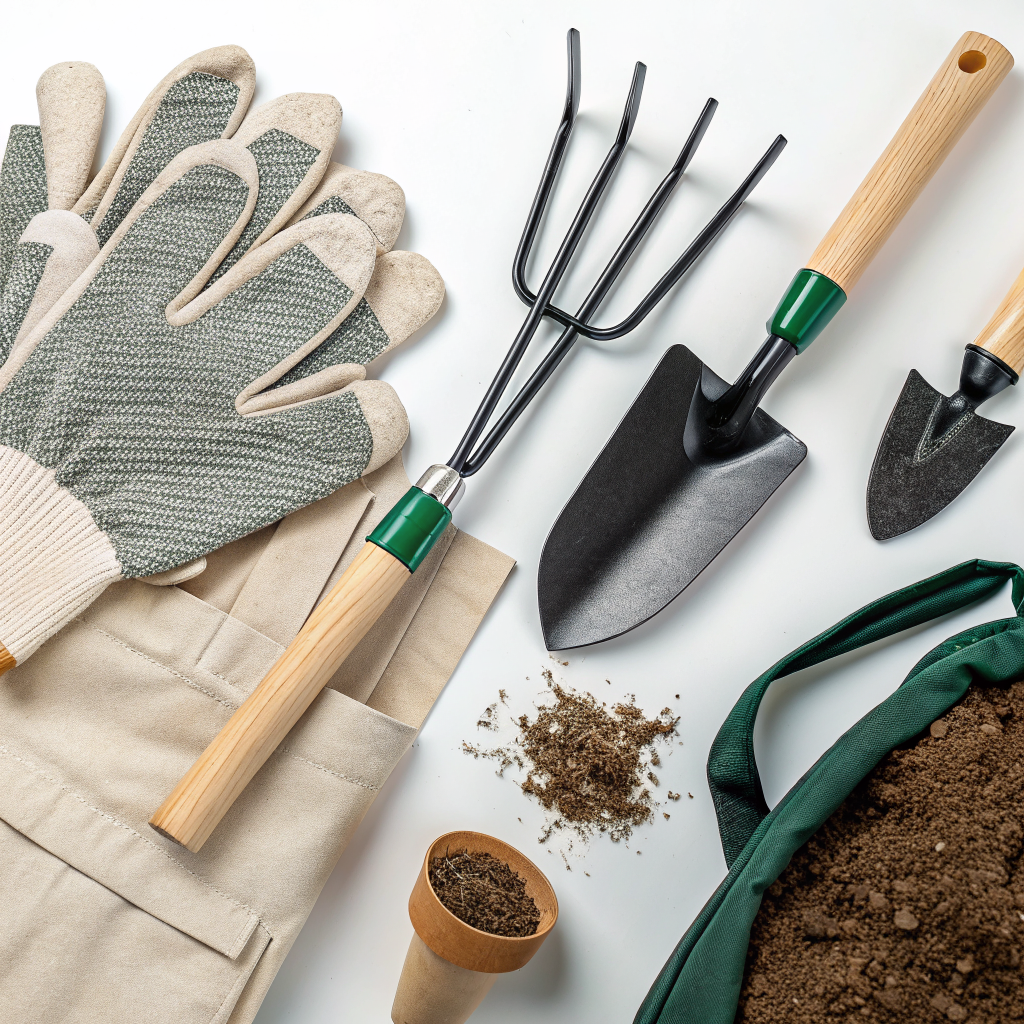
The beauty of using wood ash in the garden is its simplicity. You don’t need highly specialized tools or expensive materials. Here’s a breakdown of what you’ll require:
- Wood Ash: This is the star of the show. Ensure it comes from untreated, natural wood. Ash from treated lumber, particleboard, or composite materials can contain harmful chemicals that should never be introduced into your garden soil. Stick to hardwoods like oak, maple, hickory, and ash, as they generally produce more nutrient-rich ash than softwoods.
- A Container with a Lid: For collecting and storing your wood ash. A metal bin with a tight-fitting lid is ideal, as it will keep the ash dry and prevent it from blowing away.
- Gloves: Wood ash can be alkaline and slightly abrasive, so wearing gardening gloves will protect your hands during application.
- Mask (Optional but Recommended): Fine ash particles can be irritating if inhaled. A simple dust mask can prevent respiratory discomfort, especially when handling larger quantities.
- Soil pH Test Kit: Absolutely essential for determining if your soil actually needs wood ash. Applying ash to already alkaline soil can harm your plants. Simple, inexpensive kits are widely available at garden centers and online.
- Trowel or Small Shovel: For mixing ash into the soil or spreading it evenly.
- Rake: To gently incorporate ash into the topsoil, especially in established garden beds or lawns.
- Watering Can or Hose: To water the area after application, helping the nutrients leach into the soil.
These basic items are likely already in your gardening shed, making the integration of wood ash a truly accessible and low-barrier practice. The most crucial component is the wood ash itself, so ensure you source it responsibly and safely from untreated wood burning.
Step-by-Step Guide: How to Safely and Effectively Use Wood Ash
Step 1: Source Your Ash Responsibly
The foundation of safe wood ash use lies in its origin. Only use ash from clean, untreated wood, such as logs from fireplaces, wood stoves, or bonfires. Avoid ash from charcoal briquettes, glossy paper, chemically treated lumber (like pressure-treated wood or plywood), or anything that has been painted, stained, or glued. These materials can contain heavy metals and toxic chemicals that will harm your soil, plants, and potentially your health. Hardwood ashes (oak, maple, hickory, ash) are generally richer in nutrients and have a higher liming effect than softwood ashes (pine, fir, spruce).
Step 2: Test Your Soil pH
This is arguably the most critical step. Wood ash is highly alkaline, with a pH typically between 10 and 12. Applying it to soil that is already alkaline can raise the pH too high, leading to nutrient deficiencies (e.g., iron, manganese) and plant stress. Use a reliable soil pH test kit to determine your current soil acidity. Most garden vegetables, fruits, and flowers prefer a slightly acidic to neutral pH (6.0 to 7.0). If your soil pH is already above 7.0, avoid using wood ash. If it’s below 6.5, wood ash can be beneficial. For more information on soil health, check out our related article.
Step 3: Determine the Right Application Rate
The amount of wood ash to apply depends on your soil pH, soil type, and the needs of your plants. As a general guideline, for soils that need a moderate pH increase, apply about 10-20 pounds (4.5-9 kg) of wood ash per 1,000 square feet (93 square meters) of garden area. This equates to roughly 1-2 cups per 100 square feet. For very acidic soils, you might increase this slightly, but always err on the side of caution. sandy soils require less ash than clay soils to achieve the same pH change, as they have a lower buffering capacity. Remember, it’s better to apply smaller amounts incrementally than to over-apply.
Step 4: Application Methods
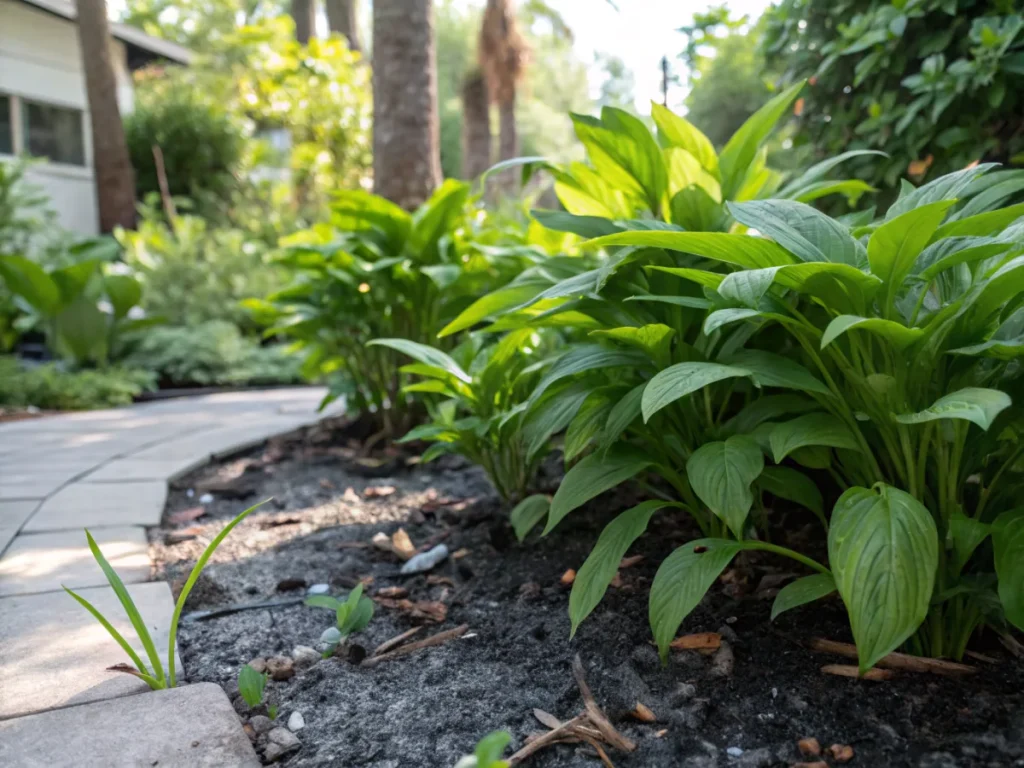
- Broadcasting: For lawns or large garden beds, simply spread the wood ash evenly over the surface. Use a rake to lightly work it into the top inch or two of soil.
- Around Plants: For individual plants or rows, sprinkle a thin layer (a tablespoon or two) around the base, keeping it a few inches away from the stem to avoid direct contact, which can cause chemical burns. Gently scratch it into the soil.
- Compost Booster: Add a thin layer of wood ash to your compost pile occasionally. It provides nutrients and helps to neutralize acidity, promoting microbial activity. Do not add large amounts, as it can slow decomposition.
- Seed Starting Mixes: A tiny pinch (less than a teaspoon per gallon of mix) can be beneficial for seedlings needing calcium and potassium, but only if your starting mix is known to be acidic. Be extremely cautious here.
Step 5: Water Thoroughly After Application
After applying wood ash, water the area thoroughly. This helps to dissolve the soluble nutrients and carry them down into the soil where plant roots can access them. It also helps to prevent the fine ash particles from blowing away in the wind. Allow several weeks before re-testing your soil pH to see the effects, as changes are gradual.
Step 6: Integrate into Your Gardening Calendar
The best time to apply wood ash is typically in the fall or early spring, before planting or as plants begin active growth. This gives the ash time to interact with the soil and adjust the pH before plants are actively drawing on soil nutrients. Avoid applying wood ash just before a heavy rain, as significant runoff could carry the ash away before it has a chance to integrate into the soil.
Pro Tips and Common Mistakes: Mastering Wood Ash Application
Pro Tips:
- Store Wood Ash Properly: Always store wood ash in a dry, covered container. If it gets wet, the valuable potassium can leach out, rendering it less effective. A metal bin with a tight-fitting lid is ideal.
- Mix with Compost: For a more balanced application, mix wood ash with your compost before adding it to garden beds. This dilutes the alkalinity and ensures a wider range of nutrients are provided. However, use sparingly in compost to avoid disrupting decomposition too much. Discover more composting benefits here.
- Use as a Mild Pest Deterrent: A light dusting of wood ash around the base of plants can deter soft-bodied pests like slugs and snails, as the ash is abrasive and dehydrating. Reapply after rain. This also works for common garden diseases, forming a protective barrier.
- Fertilize Root Vegetables: Root vegetables like carrots, radishes, and potatoes especially benefit from the potassium in wood ash, which promotes strong root development. Apply sparingly around these plants.
- Enhance Blossom Set: For tomatoes, peppers, and fruiting plants, the potassium helps with blossom set and fruit development. Apply a small amount before flowering begins.
- Winterize Asparagus Beds: Asparagus thrives in slightly alkaline soil. A light application of wood ash in the late fall can benefit established asparagus beds, providing potassium for the following season.
- Boost Fruit Tree Growth: Apply a small amount around the drip line of fruit trees that prefer neutral to slightly alkaline soil. The calcium and potassium are beneficial for fruit development and overall tree health.
Common Mistakes to Avoid:
- Using Ash from Treated Wood: As mentioned, this is a dangerous mistake. Treated wood contains toxic chemicals that will pollute your soil and potentially your harvest. Always verify the source of your ash.
- Applying to Already Alkaline Soil: Without a soil pH test, you risk raising the pH too high. This can lead to nutrient lock-up, where essential micronutrients become unavailable to plants, causing chlorosis (yellowing leaves) and stunted growth.
- Over-Application: Too much wood ash can be detrimental. It can drastically change soil pH too quickly, burn plant roots, or create nutrient imbalances. Think of it as a potent supplement, not a bulk filler. Always less is more when starting out.
- Applying to Acid-Loving Plants: Blueberries, azaleas, rhododendrons, and camellias will suffer if wood ash is applied near them. They require acidic conditions to thrive.
- Direct Contact with Stems/Leaves: High alkalinity can “burn” plant tissue. Apply ash to the soil, not directly onto leaves or stems.
- Ignoring Soil Type: Sandy soils have lower buffering capacity and require less wood ash to change pH compared to heavy clay soils. Adjust your application rate accordingly.
- Mixing with Nitrogen Fertilizers: Avoid combining wood ash with nitrogen fertilizers, especially those containing ammonium. The high alkalinity of ash can convert ammonium to ammonia gas, leading to nitrogen loss and a strong, unpleasant odor.
- Using Wet Ash: While useful for watering in, storing wet ash can cause potassium to leach out, reducing its nutrient value. Also, wet ash can become heavy and difficult to spread evenly.
Eco-Friendly Variations: Maximizing Your Sustainable Impact
Embracing wood ash in your garden is inherently eco-friendly, but you can enhance its sustainable impact even further:
- Closed-Loop System: If you burn wood from your own property (fallen branches, sustainably harvested timber), you’re creating a true closed-loop nutrient system. The nutrients are returned to the very soil from which the wood grew, minimizing external inputs.
- Community Ash Collection: Partner with neighbors who have wood-burning stoves or fireplaces to collect their untreated wood ash. This diverts more waste from landfills and shares the benefits across a larger gardening community.
- Balanced with Organic Matter: While wood ash provides minerals and raises pH, it doesn’t offer significant organic matter. Always use it in conjunction with generous applications of compost or other organic amendments. This ensures a holistic approach to soil health, improving structure, water retention, and microbial life alongside nutrient provision. Explore more sustainable gardening practices.
- Reduce Synthetic Inputs: By effectively using wood ash for pH adjustment and potassium supply, you can significantly reduce your reliance on synthetic fertilizers and liming agents, which often have higher carbon footprints and can lead to nutrient runoff issues.
- Natural Pest Control Alternative: Using wood ash as a barrier against slugs and snails is a natural, non-toxic alternative to chemical molluscicides, protecting beneficial insects and maintaining ecosystem balance.
- Support Local Arborists: Inquire with local arborists if they have untreated wood chips or logs that are waste from their operations. Burning these sustainably (if applicable and always safely) can provide a consistent source of wood ash while preventing their disposal.
Seasonal Considerations: Timing is Everything
The timing of your wood ash application can significantly impact its effectiveness and prevent potential harm to your plants.
- Fall Application: This is often considered the ideal time. Applying wood ash in the autumn allows it several months to react with the soil, slowly adjusting the pH and releasing nutrients before the spring planting season. This is particularly beneficial for perennial beds, lawns, and areas destined for next year’s heavy feeders. The winter rains and snow will help leach the nutrients effectively into the soil.
- Early Spring Application: If you missed the fall application, early spring, just before planting, is the next best time. Work the ash into the top few inches of soil a couple of weeks before you intend to put plants in the ground. This gives it a head start in adjusting the soil chemistry.
- During the Growing Season (with Caution): For established plants showing signs of potassium deficiency or in slightly acidic conditions, a very light, careful application during the growing season can be done. Sprinkle a minimal amount (a tablespoon or two) around the drip line of plants, well away from the stem, and water in immediately. Avoid heavy applications, as sudden pH shifts can stress actively growing plants.
- Avoid Mid-Summer Heat: Applying large amounts of wood ash during peak summer heat can stress plants, especially if followed by dry conditions. The concentrated alkalinity can be more damaging when moisture is scarce.
- Winterizing Perennial Beds and Lawns: A light dusting over dormant perennial beds, fruit tree bases, and lawns in late fall can provide critical winter protection and nutrient replenishment, preparing them for robust spring growth.
- Before Planting Potatoes: Potatoes are heavy potassium feeders. Incorporating wood ash into the soil a few weeks before planting potatoes in the spring can significantly boost their yield and quality.
Always remember that wood ash is a soil amendment, not a fast-acting fertilizer. Its benefits are realized over time as it slowly dissolves and integrates with the soil matrix. Patience and careful observation of your soil and plants are key to successful application.
Expert Resources: Deepening Your Knowledge
To further enhance your understanding and provide scientific backing for using wood ash in the garden, consult these reputable sources:
- Gardening Know How – Wood Ash FAQs: An excellent comprehensive resource that answers common questions about wood ash use, including safety, specific plant applications, and storage.
- Royal Horticultural Society (RHS) – Wood Ash: The RHS offers authoritative advice on gardening practices, including the benefits and precautions when using wood ash, particularly from a UK perspective.
- University of Minnesota Extension – Using Wood Ashes in the Garden: University extension services provide research-backed information tailored to local conditions, making them a reliable source for practical gardening advice rooted in science.
Conclusion: Embrace the Power of Ash
Wood ash, a humble byproduct of burning untreated wood, holds immense potential for transforming your garden into a more vibrant, productive, and sustainable ecosystem. By understanding its composition and applying it thoughtfully and responsibly, you can naturally correct soil pH imbalances, enrich your soil with essential nutrients like potassium and calcium, and even deter common garden pests.
From fall soil preparation to boosting the vitality of your root vegetables, the ‘wood ash garden uses’ are diverse and highly effective. Remember to always prioritize soil testing to ensure your garden truly benefits from this alkaline amendment and source your ash only from clean, untreated wood. With careful application, wood ash becomes not just a waste product, but a valuable asset, embodying the true spirit of eco-friendly gardening. Embrace this time-honored practice and watch your garden flourish, naturally and sustainably.
FAQ: Your Burning Questions About Wood Ash Answered
Q1: Can I use ash from my barbecue or charcoal grill?
A: No, generally it’s not recommended. Ash from charcoal briquettes or barbecue coals can contain chemicals, lighter fluid residues, or other additives that are harmful to your garden soil and plants. Only use ash from pure, untreated wood.
Q2: How often should I apply wood ash to my garden?
A: This largely depends on your soil’s pH and how quickly it tends to re-acidify, as well as the needs of your plants. For most gardens requiring pH adjustment, an annual application in the fall or early spring is sufficient. Always re-test your soil pH every 2-3 years to ensure you’re maintaining the desired level and not over-applying.
Q3: Will wood ash hurt my worms and other beneficial soil organisms?
A: When applied in appropriate amounts, wood ash should not harm beneficial soil organisms like earthworms. In fact, by improving soil pH and nutrient availability, it can contribute to a healthier soil environment, which indirectly supports these organisms. However, large, concentrated amounts could temporarily create an overly alkaline environment that is undesirable.
Q4: Can wood ash be used on all plants?
A: No, wood ash should not be used on acid-loving plants such as blueberries, azaleas, rhododendrons, camellias, and some conifers. These plants thrive in acidic soil conditions (pH typically 4.5-5.5), and the alkalinity of wood ash would be detrimental to their health, potentially causing nutrient deficiencies and stunted growth.