The Ultimate Guide to 7 Vertical Growing Systems for Maximum Urban Yield
Urban living often means limited space, but it doesn’t have to mean limited gardening. Vertical growing systems offer a revolutionary solution for maximizing food production in even the smallest city balconies, patios, or backyards. By stacking growing layers, you can transform a tiny footprint into a flourishing, bountiful garden, providing fresh, healthy produce right at your fingertips. Discover how to unlock the incredible potential of vertical gardening and turn your urban plot into a verdant oasis of productivity.
[lwptoc]
Why Vertical Growing Systems Matter for Your Urban Garden
In densely populated urban areas, every square inch counts. Traditional horizontal gardening methods, while effective, simply aren’t feasible for many city dwellers due to space constraints. Vertical growing systems directly address this challenge by utilizing upward space, dramatically increasing the plant capacity of a given area.
Beyond optimizing space, vertical gardens offer a multitude of benefits. They can improve air quality, reduce the urban heat island effect, and provide a beautiful, living aesthetic to concrete landscapes. For the urban permaculturist, these systems embody the principles of intensive production, resource efficiency, and localized food sourcing.
Imagine harvesting fresh herbs, crisp lettuce, juicy tomatoes, and vibrant strawberries, all grown within arm’s reach of your kitchen. This isn’t just a dream; with the right vertical system, it becomes a tangible reality. These setups also make gardening more accessible for individuals with mobility issues, as many designs elevate plants to a comfortable working height.
What You Need for Your Vertical Growing Adventure
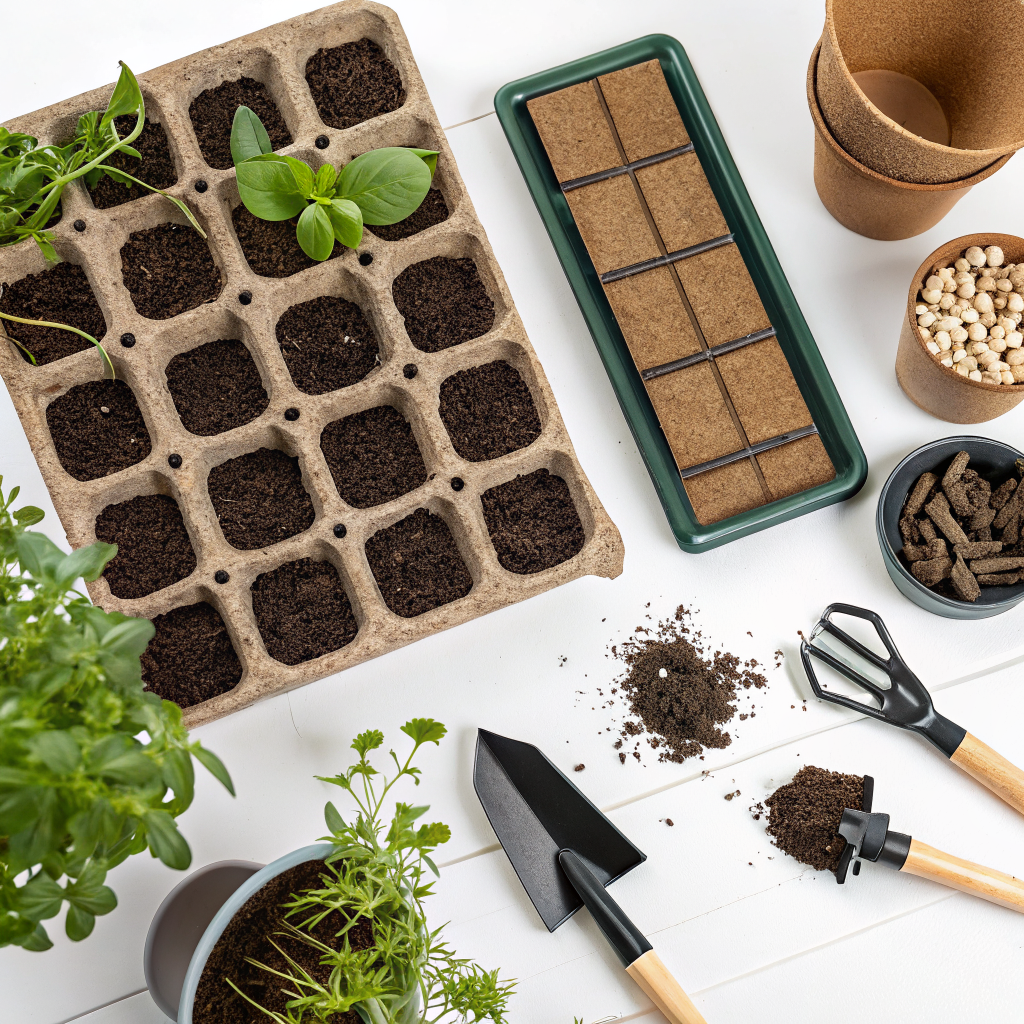
Embarking on your vertical gardening journey requires a thoughtful selection of tools, materials, and plants. The specific items will depend on the type of vertical system you choose, but some essentials are universal.
Essential Tools:
- Hand Trowel and Cultivator: For planting and aerating soil.
- Watering Can or Drip Irrigation Kit: Efficient watering is key in vertical systems to prevent runoff and ensure even moisture distribution.
- Pruning Shears: For maintaining plant health and harvesting.
- Gloves: Protect your hands during planting and maintenance.
- Measuring Tape: Crucial for planning your system layout, especially for custom builds.
- Level: Ensures your stacked planters are stable and evenly positioned.
- Drill (for certain systems): If anchoring structures or assembling specific kits.
Key Materials:
- Vertical Growing System: This is the core of your setup. Options include stacked planters, living walls, pallet gardens, tower gardens, and hanging systems. Each offers unique advantages in terms of cost, aesthetics, and plant capacity.
- Potting Mix: A high-quality, well-draining potting mix is vital. Look for mixes specifically designed for containers, often blended with perlite or vermiculite to improve aeration and drainage. Avoid heavy garden soil, which can compact in containers.
- Compost: An excellent organic amendment to enrich your potting mix, providing essential nutrients and improving soil structure.
- Organic Fertilizer: Slow-release granular or liquid organic fertilizers can supplement your plants’ nutrient needs throughout the growing season.
- Containers/Pots (if not a complete system): Ensure they have adequate drainage holes. Fabric grow bags are also excellent for vertical gardening due to their breathability.
- Trellis/Stakes: For vining plants that will grow upwards within or alongside your vertical system.
- Water Source: Proximity to a tap or rain barrel is highly beneficial.
Ideal Plants for Vertical Growing Systems:
Not all plants are suited for vertical growing. Focus on compact, bush varieties, trailing plants, and those with shallow root systems. Consider the light requirements of your chosen plants and the sun exposure of your vertical garden location.
- Leafy Greens: Lettuce, spinach, kale, Swiss chard are excellent choices. They tolerate partial shade and have shallow roots.
- Herbs: Basil, mint, parsley, cilantro, oregano, thyme, rosemary thrive in vertical environments and offer continuous harvests.
- Strawberries: Trailing varieties are perfect for spilling over the edges of vertical planters, producing sweet fruit.
- Bush Beans and Peas: Compact bush varieties or dwarf vining types can be trained upwards.
- Cherry Tomatoes: Bush or determinate varieties work best. Ensure adequate support.
- Compact Cucumbers: ‘Bush Crop’ or ‘Patio Snacker’ varieties can be trellised.
- Radishes and Carrots (short varieties): Can be grown in deeper pockets of some vertical systems.
- Flowers: Nasturtiums, petunias, pansies, and violas add beauty and can attract pollinators.
Step-by-Step Guide to Setting Up Your Vertical Garden
Setting up your vertical garden is a rewarding process. Follow these steps to ensure a successful and productive system.
Step 1: Choose Your Vertical System and Location
The first crucial step is selecting the right vertical system for your space, budget, and desired plant types. Research various options:
- Stacked Planters/Tiered Gardens: Economical and easy to assemble, these consist of interlocking tiers where each level provides shade and water to the one below.
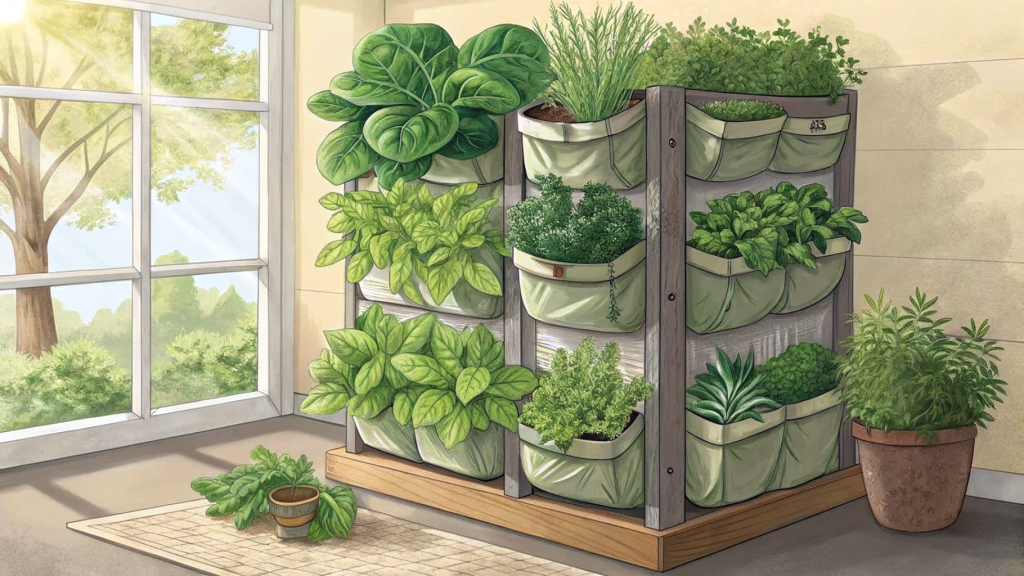
- Pocket Planters/Wall-Mounted Systems: Fabric or plastic pockets affixed to a wall or frame. Great for herbs and leafy greens.
- Pallet Gardens: Upcycled wooden pallets transformed into horizontal planting shelves. A DIY-friendly, rustic option.
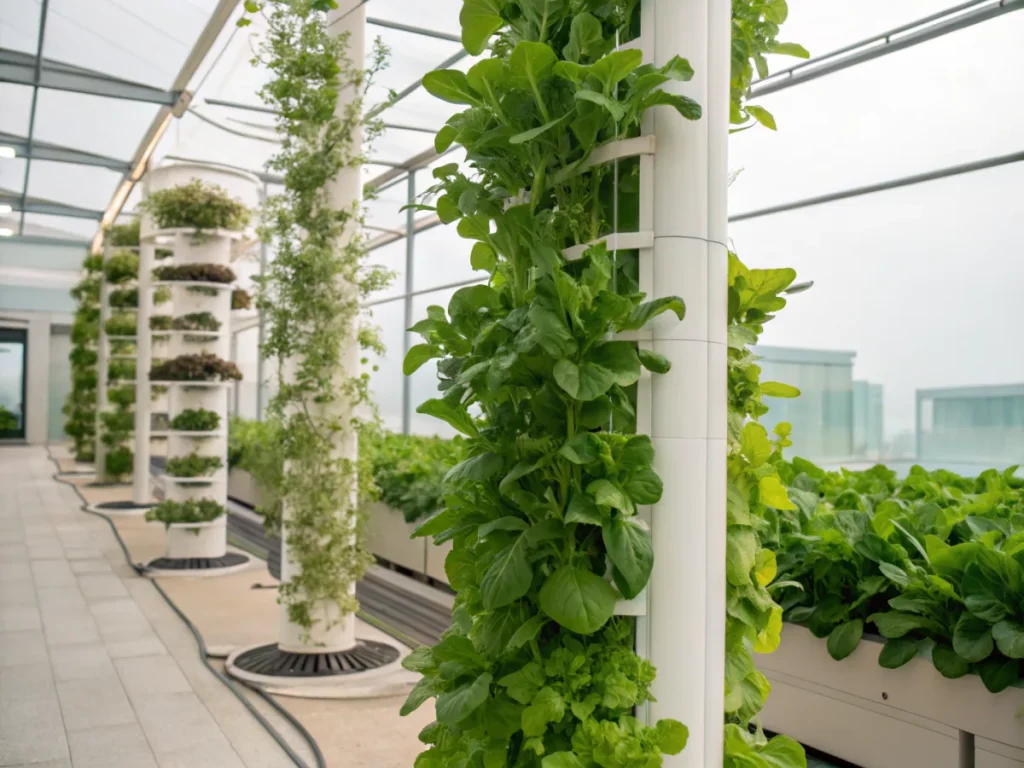
- Hydroponic Towers: Advanced systems that use nutrient-rich water, often seen in commercial vertical farms. Excellent for rapid growth and water efficiency, but higher initial cost.
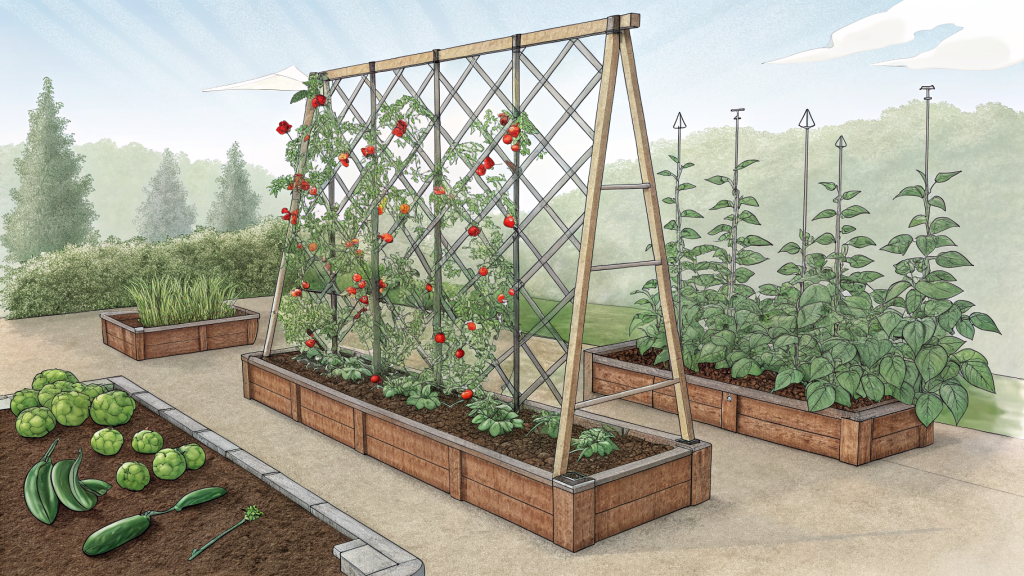
- DIY Trellis/Espalier: Utilizing existing walls or fences to train climbing plants. Simple and effective for certain vegetables and fruits.
- Hanging Bag/Container Gardens: Individual pots or grow bags suspended from a frame or railing. Offers flexibility in plant arrangement.
- Modular Walls: Interlocking panels allowing for expansion, excellent for building large-scale living walls.
Once you’ve chosen a system, identify the best location. Most edible plants require at least 6-8 hours of direct sunlight daily. Observe your chosen spot throughout the day to gauge sun exposure. Ensure it’s easily accessible for watering and harvesting, and ideally, near a water source. Ensure stability; many vertical systems, especially when filled with wet soil, become very heavy. Secure wall-mounted systems properly.
Step 2: Prepare Your Growing Medium
A good quality potting mix is paramount for container gardening. It needs to be light, well-draining, and nutrient-rich. Avoid using dense garden soil, which can compact and suffocate roots in containers.
Mix your potting soil with compost at a ratio of approximately 3:1 (three parts potting soil to one part compost). This blend provides aeration, drainage, and a slow release of nutrients. You can also add perlite or vermiculite for extra aeration and moisture retention, especially in fabric containers. Ensure your mix is thoroughly damp before filling your system.
Step 3: Fill Your System and Plant Your Seeds/Starts
Carefully fill each planting pocket or tier of your vertical system with the prepared potting mix. Don’t compact the soil too much. Leave about an inch of space from the top of the container or pocket to prevent spillover during watering.
Now, it’s time to plant. If using seeds, follow the planting depth and spacing recommendations on the seed packet. For seedlings or young starts, gently remove them from their nursery pots, taking care not to disturb the root ball too much. Dig a hole large enough to accommodate the roots, set the plant in, and gently backfill with soil, lightly firming around the base. Water immediately after planting to help settle the soil and reduce transplant shock.
Step 4: Establish a Watering and Feeding Routine
Vertical gardens, especially those exposed to sun and wind, tend to dry out more quickly than in-ground gardens. Monitor your plants daily, especially during hot weather. The finger test is a good indicator: stick your finger about an inch into the soil; if it feels dry, it’s time to water.
For stacked systems, water from the top tier down, allowing water to percolate through. Consider installing a drip irrigation system for larger setups, which can save time and water. Aim for consistent moisture, but avoid waterlogging, which can lead to root rot. Supplementing with a balanced liquid organic fertilizer every 2-4 weeks, especially for heavy feeders, will ensure robust growth.
Note: Hydroponic systems require constant monitoring of nutrient solution pH and EC (electrical conductivity) levels. Consult your specific system’s guidelines for detailed instructions on nutrient management.
Step 5: Ongoing Care, Maintenance, and Harvesting
Regular maintenance is crucial for a thriving vertical garden. Prune any yellowing or diseased leaves to promote air circulation and prevent pest and disease spread. Pinch back herbs and leafy greens to encourage bushier growth and extend your harvesting period.
Keep an eye out for pests. Healthy plants are more resistant, but if you spot any, address them quickly with organic solutions like neem oil or insecticidal soap. Support vining plants with stakes or small trellises as they grow. Harvest regularly to encourage continuous production and prevent plants from going to seed too early.
Consider companion planting within your vertical system to naturally deter pests and attract beneficial insects. For more detailed pest control strategies, visit Gardening Know How’s pest control section for valuable insights.
Pro Tips and Common Mistakes to Avoid
Maximizing your vertical garden’s yield involves a few insider tips and avoiding common pitfalls.
Pro Tips:
- Plant for Sun Exposure: Place sun-loving plants (tomatoes, peppers, herbs) in the top and sunniest sections, and more shade-tolerant plants (lettuces, spinach, Swiss chard) in lower, shadier pockets.
- Consider Self-Watering Systems: Some vertical planters come with built-in reservoirs that wick water up to the soil, reducing watering frequency and ensuring consistent moisture. This is a game-changer for busy urban gardeners.
- Rotate Crops: Even in small spaces, rotating your crops annually can help replenish soil nutrients and disrupt pest cycles.
- Utilize Microclimates: Notice how different parts of your vertical garden receive varying amounts of sun, wind, and shade. Use these microclimates to your advantage by planting species that thrive in specific conditions.
- Mulch if Possible: A thin layer of mulch (shredded leaves, straw) on top of the soil in larger pockets can help retain moisture and regulate soil temperature.
- Attract Pollinators: Incorporate some pollinator-friendly flowers (nasturtiums, marigolds) into your vertical garden to encourage fruit set for plants like tomatoes and strawberries.
Common Mistakes to Avoid:
- Over or Under-Watering: This is the most common mistake. Check soil moisture daily. Vertical systems dry out faster, but overwatering can lead to root rot. Ensure good drainage.
- Inadequate Sunlight: Don’t underestimate plants’ need for sun. A spot that seems bright may not receive enough direct sunlight for fruiting vegetables.
- Using Poor Quality Soil: Dense garden soil will compact in containers, hindering root growth and drainage. Invest in a quality potting mix.
- Overcrowding Plants: While the goal is maximum yield, giving plants adequate space prevents disease, improves air circulation, and allows for better light penetration. Too many plants can stress the system and each other.
- Ignoring Nutrient Needs: Container plants quickly deplete soil nutrients. Regular feeding with organic fertilizers is essential.
- Neglecting Structural Stability: A vertical garden can become very heavy. Ensure your chosen system is robust and securely anchored, especially if it’s tall or wall-mounted.
- Skipping Pest and Disease Checks: Regularly inspect your plants. Early detection makes organic pest and disease management much easier. Learn more about plant health at RHS Gardening Problems & Advice.
Eco-Friendly Variations for Sustainable Urban Permaculture
Embracing vertical gardening is inherently sustainable, but you can take it a step further with eco-friendly variations that align perfectly with urban permaculture principles.
- Rainwater Harvesting Integration: Connect your vertical garden’s watering system to a rainwater harvesting barrel. This reduces reliance on municipal water and utilizes a free, natural resource. Many vertical systems can be designed to catch and redistribute rainwater more effectively. Discover more about smart water management on Nouvelles Technologie’s Smart Water Management article.
- Composting Integration: Maintain a small vermicomposting bin or Bokashi system near your vertical garden. The nutrient-rich compost and “compost tea” can feed your plants, closing the nutrient loop and reducing waste.
- Recycled Material Systems: Build your vertical garden from repurposed materials. Pallet gardens are a classic example. Old plastic bottles, tires, or PVC pipes can also be creatively transformed into planters. Ensure any recycled plastics are food-safe, especially for edibles.
- Solar-Powered Irrigation: For larger or more advanced vertical setups, consider a small solar-powered pump for your drip irrigation system. This reduces energy consumption and makes your garden off-grid capable.
- Native Plant Integration: While edibles are a priority, integrating native flowers or small plants can support local biodiversity and attract beneficial insects without consuming additional space.
- Biochar Application: Incorporate biochar into your potting mix. This stable form of carbon improves soil structure, water retention, and nutrient availability, contributing to long-term soil health.
- Passive Hydroponics/Wicking Beds: Explore passive hydroponic systems or self-watering wicking beds. These systems minimize water waste and require less frequent attention, using capillary action to deliver water to plant roots.
- No-Dig Vertical Methods: Even in containers, you can apply no-dig principles. Start with a layer of organic matter like partially decomposed leaves before adding compost and potting mix. This layered approach mimics natural soil building processes.
Seasonal Considerations for Year-Round Urban Yield
In many urban environments, maximizing yield means extending the growing season. Vertical gardens offer advantages and specific considerations for different times of the year.
- Spring: This is prime planting season. Start with cool-season crops like lettuce, spinach, radishes, and peas. As temperatures rise, transition to warm-season plants like tomatoes, peppers, and cucumbers. Ensure your system is clean and ready.
- Summer: Peak production! Keep plants well-watered, as vertical systems can dry out quickly in summer heat. Provide shade for sensitive crops during the hottest part of the day if necessary. Focus on consistent harvesting to encourage more growth. Consider succession planting for leafy greens – plant a small batch every 2-3 weeks for a continuous supply.
- Autumn: As temperatures cool, switch back to cool-season crops. Many leafy greens, kale, and root vegetables thrive in autumn. Protect plants from early frosts with row covers or by temporarily moving portable systems indoors or under shelter. You can also plant garlic for next year’s harvest in deeper vertical pockets.
- Winter: For most regions, outdoor production will slow significantly or stop entirely. However, cold-hardy greens like specialty kales, certain mustards, and mache can survive mild winters with protection. Consider moving small, portable vertical systems indoors under grow lights for year-round fresh herbs and salad greens. This is an excellent time for planning and maintenance, cleaning your system, and amending soil for the next season. Explore options for indoor vertical gardening to maintain some yield year-round. Nouvelles Technologie has some great Smart Indoor Garden Solutions.
By understanding your local climate and adapting your plant choices and protection strategies, your vertical growing system can provide fresh produce for a significant portion, if not all, of the year.
Expert Resources and Further Learning
To deepen your knowledge and refine your vertical gardening skills, consult these reputable sources:
- Gardening Know How: An extensive online resource offering practical advice on a vast range of gardening topics, including specific plant care, pest management, and vertical gardening techniques. Their articles are well-researched and easy to understand. Visit Gardening Know How
- Royal Horticultural Society (RHS): A world-renowned gardening charity, the RHS provides authoritative information on plant selection, cultivation, and sustainable gardening practices. Their website offers detailed guides and problem-solving tools, highly relevant for urban permaculture. Explore the RHS website
- University of Minnesota Extension: University extension services provide research-based horticultural information tailored to local conditions. The University of Minnesota Extension offers valuable resources on urban gardening, container gardening, and sustainable practices that are applicable to many climates. Check out the University of Minnesota Extension’s Gardening section
- Your Local Master Gardener Program: Many regions have Master Gardener programs run by local universities or agricultural extensions. These volunteers are passionate and knowledgeable; they can offer tailored advice for your specific growing zone and conditions, including vertical gardening.
- Urban Permaculture Books: Invest in books specifically on urban permaculture, vertical gardening, or small-space gardening. Authors like Toby Hemenway or Brad Lancaster offer comprehensive insights into ecological design for city environments.
Conclusion
Vertical growing systems are more than just a gardening trend; they are a vital component of sustainable urban living and the future of food production in densely populated areas. By embracing these innovative methods, you can transform overlooked spaces into productive havens, providing fresh, healthy food for yourself and your community.
From simple stacked planters to advanced hydroponic towers, the options are diverse and adaptable to almost any urban setting. With careful planning, a commitment to ongoing care, and a mindful approach to eco-friendly practices, your vertical garden will not only yield an abundance of delicious produce but also contribute to a greener, healthier, and more resilient urban environment. Start small, learn as you grow, and watch your urban yield flourish!
For more innovative solutions in urban gardening and smart living, don’t forget to explore other articles on Nouvelles Technologie.
FAQ: Vertical Growing Systems Urban Yield
Q1: What are the best plants for beginners in vertical growing systems?
A1: For beginners, leafy greens like lettuce, spinach, and kale are excellent choices due to their quick growth and relatively shallow root systems. Herbs such as basil, mint, and parsley also thrive in vertical setups and are very forgiving. Strawberries are another fantastic option for their compact growth and prolific yields in vertical arrangements.
Q2: How much sunlight do vertical growing systems need in an urban environment?
A2: Most edible plants in vertical growing systems require at least 6-8 hours of direct sunlight per day for optimal growth and yield. Fruiting plants like tomatoes and peppers will need the full 8 hours. Leafy greens and some herbs can tolerate slightly less, around 4-6 hours, and may benefit from some afternoon shade in hot climates. Observe your chosen location carefully throughout the day.
Q3: Are vertical growing systems more water-efficient than traditional gardening?
A3: Yes, many vertical growing systems, especially those with integrated drip irrigation, wicking beds, or hydroponic/aeroponic designs, can be significantly more water-efficient. Water often flows from top to bottom, minimizing evaporation and runoff. Hydroponic systems recirculate water, using up to 90% less water than traditional soil gardening. Even basic stacked planters can be more efficient if watered correctly from the top down.
Q4: Can I use recycled materials to build my own vertical growing system?
A4: Absolutely! Building vertical growing systems from recycled materials is a cornerstone of urban permaculture. Pallets can be transformed into planting shelves, plastic bottles can be cut and stacked, and even old tires can be repurposed. Just ensure that any plastics used are food-grade (e.g., HDPE or PP plastics, often marked with recycling codes #2 or #5) to prevent chemical leaching into your edible crops. Proper drainage is also key for any DIY system.