The Ultimate 7-Step Guide to Inoculate Seeds with Beneficial Bacteria for a Thriving Garden
Are you looking to unlock the full potential of your garden, naturally boost plant growth, and reduce your reliance on synthetic fertilizers? The secret might be simpler than you think: inoculating your seeds with beneficial bacteria. This powerful technique, especially when focusing on rhizobium bacteria for legumes, supercharges your plants’ ability to fix nitrogen directly from the atmosphere, leading to healthier soil, more robust crops, and a more sustainable gardening practice.
[lwptoc]
This comprehensive guide will walk you through everything you need to know about how to inoculate seeds with beneficial bacteria. From understanding the science behind it to a practical, step-by-step approach, you’ll gain the knowledge and confidence to transform your gardening efforts.
Why This Matters for Your Garden: The Power of Microbes
Inoculating seeds with beneficial bacteria isn’t just a niche gardening trick; it’s a fundamental practice that harnesses nature’s own mechanisms for plant health and soil fertility. At its core, this process introduces specific microorganisms to your seeds, forming a symbiotic relationship with the developing plant.
For legumes like beans, peas, and clover, the star of the show is often Rhizobium bacteria. These remarkable microbes enter the root hairs of the plant and cause the formation of nodules, specialized structures where atmospheric nitrogen (N2) is converted into a form that plants can readily use (ammonia). This process, known as nitrogen fixation, is essential for plant growth, chlorophyll production, and overall vitality.
Imagine your plants having their own built-in nitrogen factory! This natural process significantly reduces the need for synthetic nitrogen fertilizers, which can be costly, energy-intensive to produce, and potentially harmful to the environment through runoff. By promoting biological nitrogen fixation, you’re not only saving money but also contributing to a more resilient and eco-friendly ecosystem in your garden.
Beyond nitrogen fixation, beneficial bacteria can offer a myriad of other advantages. Some promote phosphorus solubilization, making this crucial nutrient more available to plants. Others produce plant growth-regulating hormones, enhance disease resistance, or help plants tolerate environmental stresses like drought or salinity.
By actively fostering a vibrant microbial community around your plant roots, you’re building a stronger foundation for sustainable growth. This leads to higher yields, more nutrient-dense produce, and a garden that thrives with minimal external inputs. It’s an investment in the long-term health of your soil and the vitality of your crops, paving the way for truly organic and productive gardening.
What You Need: Tools, Materials, and Target Plants
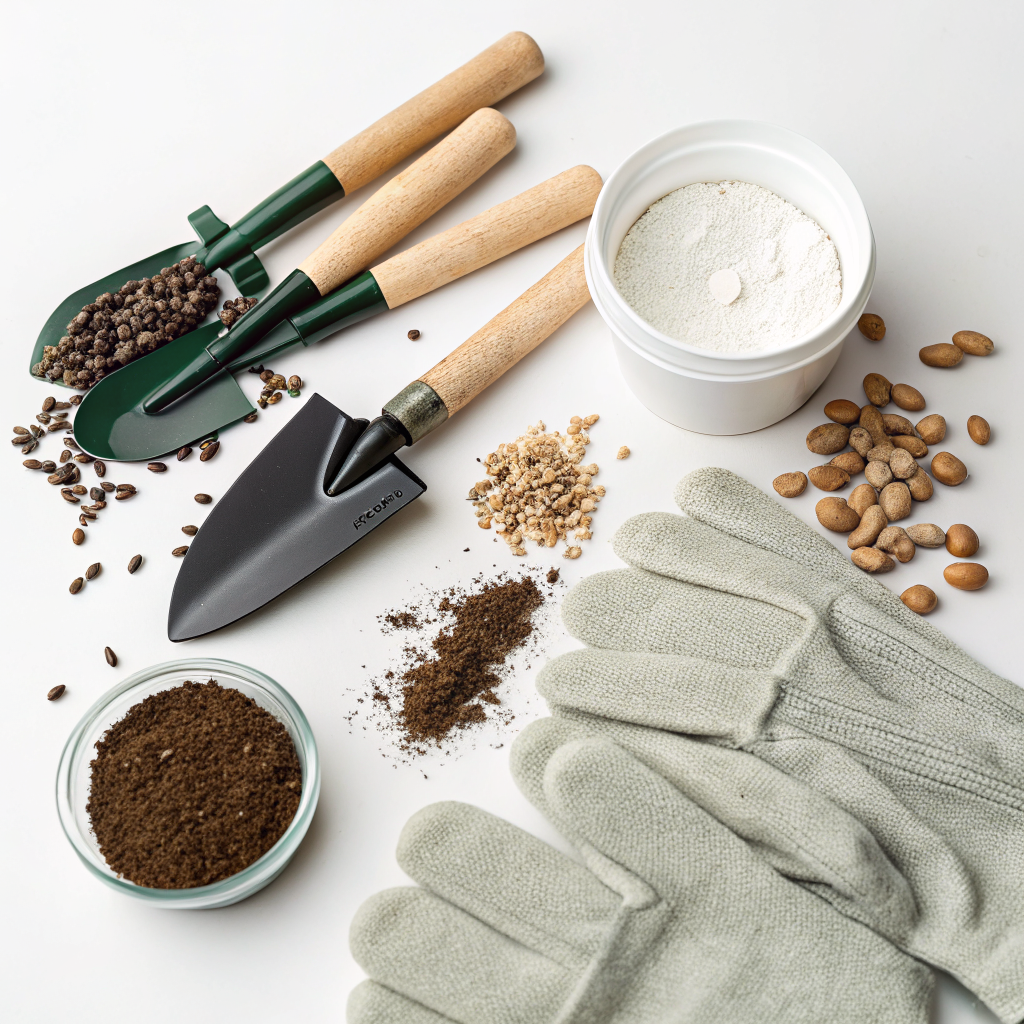
To successfully inoculate seeds with beneficial bacteria, you won’t need a high-tech laboratory. Most of the necessary items are readily available, and the process is quite straightforward. Here’s a breakdown of what you’ll need:
Essential Materials:
- Legume Seeds: This method is primarily focused on legumes due to the specific nitrogen-fixing relationship with Rhizobium. Think beans (bush, pole, lima), peas (snap, snow, shelling), lentils, chickpeas, soybeans, peanuts, clover, and alfalfa. Ensure your seeds are fresh and viable.
- Inoculant Powder: This is the most crucial ingredient. You’ll need a specific Rhizobium inoculant that is formulated for the type of legume you’re planting. For example, peas and lentils use one type of Rhizobium, while beans might use another. Read the product label carefully to ensure compatibility. Inoculants are usually available as a fine, dark powder.
- Non-chlorinated Water: Tap water often contains chlorine, which can kill beneficial bacteria. Use distilled water, rainwater, or allow tap water to sit uncovered for 24-48 hours to allow the chlorine to dissipate.
- A Small Bowl or Container: Large enough to comfortably mix your seeds and inoculant.
- Measuring Spoons: For accurately measuring the inoculant.
- Mixing Utensil: A spoon or small stick for gently stirring.
- Protective Gloves: While inoculants are generally safe, it’s good practice to wear gloves to avoid skin contact and cross-contamination.
- Paper Towels or Cardboard: For spreading out inoculated seeds to dry slightly. Avoid direct sunlight.
Target Plants:
As mentioned, legumes are the primary beneficiaries of Rhizobium inoculation. Here’s a quick list:
- Beans: Green beans, kidney beans, black beans, pinto beans, fava beans, etc.
- Peas: Garden peas, snap peas, snow peas.
- Lentils: All varieties.
- Chickpeas (Garbanzo beans): All varieties.
- Soybeans: For edamame or dry beans.
- Peanuts: If you’re growing them.
- Cover Crops: Clover, alfalfa, vetch, and other leguminous cover crops also benefit immensely, improving soil fertility for subsequent plantings.
Step-by-Step Guide: How to Inoculate Seeds with Beneficial Bacteria
Inoculating your seeds is a straightforward process, but precision and promptness are key to ensuring the bacteria survive and effectively colonize your plant roots. Follow these steps for successful inoculation:
Step 1: Gather Your Materials
Ensure you have all the necessary items laid out and ready to go. This includes your legume seeds, the correct type of inoculant powder, non-chlorinated water, a mixing bowl, measuring spoons, a mixing utensil, and protective gloves. Having everything organized will make the process smooth and efficient, minimizing exposure time for the bacteria.
Step 2: Moisten the Seeds (Slightly)
The inoculant powder needs something to adhere to. Place your seeds in the mixing bowl. Add a very small amount of non-chlorinated water, just enough to lightly dampen the seed coats. The goal is to make them tacky, not soaking wet. Think of it like a light mist. For example, for a cup of seeds, a teaspoon of water might be sufficient. Gently toss or stir the seeds to ensure even coverage.
Pro Tip: Some gardeners prefer to use a milk-water solution (1 part milk to 9 parts water) as the wetting agent, as the sugars and proteins in milk can provide an initial food source for the bacteria. However, plain non-chlorinated water works perfectly fine. For more tips on soil health, check out this article on improving soil health.
Step 3: Apply the Inoculant Powder
Once the seeds are lightly moistened, sprinkle the inoculant powder over them. Refer to the inoculant packaging for specific ratios; typically, it’s about 1-2 teaspoons per pound of seeds, but this can vary. Stir or gently shake the seeds in the bowl, ensuring that every seed is thoroughly coated with the dark powder. The seeds should look dusty and dark brown or black. The intent is total coverage for optimal results.
Step 4: Dry the Inoculated Seeds (Briefly)
After coating, spread the inoculated seeds in a thin layer on a paper towel, a piece of cardboard, or a clean tray. Allow them to air dry for a short period, typically 10-15 minutes. The goal is for the seed coats to be dry to the touch, preventing the powder from clumping or rubbing off during planting. Avoid direct sunlight, as UV radiation can harm the beneficial bacteria. A shaded, well-ventilated area is ideal.
Step 5: Plant Immediately
This is perhaps the most critical step. Inoculated seeds should be planted as soon as possible after drying, ideally within an hour or two. The beneficial bacteria are living organisms, and their viability decreases rapidly once exposed to air, light, and heat. The sooner they are in the soil, the better their chances of survival and successful colonization of the seedling roots. Plant at the recommended depth and spacing for your chosen legume.
Consideration: If you cannot plant immediately, store the inoculated seeds in a cool, dark, and slightly humid environment (e.g., in a sealed bag in a refrigerator) for no more than 24-48 hours. However, for best results, plant right away.
Step 6: Water Thoroughly
After planting, water the seedbed thoroughly. This helps settle the soil around the seeds and provides the necessary moisture for germination. It also helps transport the beneficial bacteria into close proximity with the emerging root systems, facilitating their initial colonization. Consistent, gentle watering is crucial during the early stages of germination and seedling establishment.
Step 7: Observe and Enjoy!
As your seedlings grow, you won’t necessarily see immediate visual cues from the inoculation. However, healthy legume plants inoculated with Rhizobium typically exhibit vigorous growth, lush green foliage (due to abundant nitrogen), and robust root systems. If you carefully unearth an older plant later in the season (e.g., after flowering), you might observe small, pinkish or reddish nodules on the roots – these are the nitrogen-fixing factories at work!
By following these steps, you’ll be well on your way to harnessing the power of beneficial bacteria for healthier, more productive legume crops.
Pro Tips and Common Mistakes to Avoid
Inoculating seeds is a relatively simple process, but a few nuances can make a big difference in success. Here are some pro tips and common pitfalls to help you maximize your results:
Pro Tips for Maximum Efficacy:
- Check Inoculant Expiration Dates: Inoculants contain living organisms. Always check the expiration date and use fresh product. An expired inoculant will have significantly reduced viability and effectiveness.
- Store Inoculant Properly: Keep inoculant powders in a cool, dark place, away from direct sunlight and extreme temperatures. Refrigeration is often recommended after opening.
- Match Inoculant to Crop: As repeatedly emphasized, ensure you are using the correct strain of Rhizobium for your specific legume. A “general legume” inoculant might cover a broad range, but specific inoculants often yield better results for particular crops.
- Use Non-Chlorinated Water: Chlorine in tap water is a disinfectant and will kill beneficial bacteria. Use distilled water, rainwater, or let tap water sit out overnight.
- Plant Promptly: The window for maximum bacterial viability after inoculation is short. Plant those seeds within an hour or two for the best outcome.
- Gentle Handling: Treat your inoculated seeds with care. Avoid excessive rubbing or vigorous shaking, which can dislodge the beneficial bacteria.
- Consider Soil pH: Rhizobium bacteria thrive in a specific pH range, usually slightly acidic to neutral (6.0-7.0). If your soil is highly acidic or alkaline, consider amending it to optimize conditions for bacterial activity. You can learn more about managing soil pH on Gardening Know How.
- Re-inoculate if Necessary: If you’re growing legumes in new garden beds or areas where legumes haven’t been grown for many years, the native Rhizobium population might be low. Regular inoculation can help establish and maintain healthy populations.
- Trial and Error: Gardening is an ongoing learning process. Don’t be discouraged if results aren’t immediately dramatic. Pay attention to your plants, soil, and practices, and adjust as needed.
Common Mistakes to Avoid:
- Using the Wrong Inoculant: This is arguably the biggest mistake. An inoculant designed for peas will not work effectively on beans, and vice versa. Always double-check the label!
- Planting Too Late: Delaying planting after inoculation significantly reduces the number of viable bacteria making it to the soil. Time is of the essence.
- Exposure to Sunlight/Heat: Direct sunlight and high temperatures are detrimental to the living bacteria. Perform inoculation in a shaded area and keep seeds out of direct sun.
- Using Too Much Water: Overly wet seeds can cause the inoculant to clump rather than coat evenly, or it can even drown the bacteria. A light dampness is all that’s required.
- Ignoring Soil Conditions: Poor soil drainage, extreme pH, or nutrient deficiencies can hinder both plant growth and bacterial activity, regardless of inoculation. Add compost and assess soil conditions before planting. Explore the benefits of compost for your garden.
- Assuming Inoculation is a Cure-All: While powerful, inoculation is just one piece of the puzzle for healthy plants. Good watering practices, adequate sunlight, pest management, and overall soil health remain critical.
- Storing Leftover Inoculant Improperly: Don’t just toss an open packet in the shed. Seal it well and store it according to package directions, usually in the refrigerator, to maintain viability for future use.
Eco-Friendly Variations and Long-Term Strategies
The very act of inoculating seeds with beneficial bacteria is an inherently eco-friendly practice, as it reduces the need for synthetic fertilizers and promotes natural nutrient cycling. However, there are further steps and long-term strategies you can employ to amplify these benefits and build an even more sustainable garden ecosystem.
Enhancing the Ecosystem:
- Compost and Organic Matter: Regularly amending your soil with high-quality compost and other organic matter is paramount. Compost provides a diverse array of beneficial microorganisms, improves soil structure, water retention, and nutrient availability, creating an ideal environment for inoculated bacteria to thrive. A living, rich soil is the best incubator for beneficial microbes. For details on making your own, check this guide to composting.
- Cover Cropping with Legumes: Beyond growing legumes for harvest, consider planting them as cover crops during off-seasons. Leguminous cover crops like clover, vetch, or Austrian winter peas can be inoculated, allowed to grow, and then tilled into the soil. This not only fixes nitrogen but also adds abundant organic matter, suppresses weeds, and prevents erosion.
- Crop Rotation: Implement a thoughtful crop rotation plan that includes legumes. Even if you inoculate, maintaining a healthy soil biome means rotating crops to prevent disease buildup and optimize nutrient use. Placing a nitrogen-hungry crop (like corn or brassicas) after a legume crop leverages the residual nitrogen left in the soil.
- Minimize Tillage: Excessive tilling can disrupt soil structure and harm beneficial microbial networks. Practices like no-till or minimal-till gardening help preserve these delicate underground ecosystems, allowing the beneficial bacteria to establish and persist more effectively.
- Avoid Synthetic Pesticides and Herbicides: Many conventional garden chemicals can be detrimental to beneficial soil microorganisms. Opt for organic pest and weed control methods to protect your microbial allies.
Long-Term Soil Health:
The goal isn’t just to get nitrogen into this season’s crop; it’s to build a soil that can sustain itself for years to come. By consistently adding organic matter, rotating crops, and supporting microbial life, you create a positive feedback loop: healthy soil fosters healthy bacteria, which foster healthy plants, which in turn contribute to healthier soil. This holistic approach moves beyond single-season fixes to create a truly resilient and productive garden.
Adopting these eco-friendly variations ensures that the initial effort of inoculating seeds reverberates throughout your entire garden system, contributing to greater biodiversity, reduced external inputs, and a robust, self-sustaining growing environment.
Seasonal Considerations for Inoculation
While the process of inoculating seeds remains consistent, the timing and environmental factors vary with the seasons, impacting the success of your efforts. Understanding these nuances can optimize your results.
Spring Planting:
Spring is the most common time for planting legumes. As soil temperatures begin to rise and the danger of hard frost passes, it’s an ideal window for inoculation. Plant your inoculated seeds when soil temperatures are consistently above 50°F (10°C) for most legumes. Planting too early into cold, wet soil can stress the seeds and inhibit bacterial activity. Ensure good drainage, as waterlogged conditions can be detrimental.
Summer Planting:
For successional planting or late-season crops, inoculation in summer can still be effective. However, be mindful of extreme heat. Perform inoculation in a shaded area and plant immediately to protect the bacteria from high temperatures and direct sunlight. Ensure consistent watering in warmer weather, as drought stress can also hinder bacterial establishment.
Autumn/Fall Planting:
Some legumes, particularly certain varieties of peas (e.g., winter peas), fava beans, or clover destined as winter cover crops, are planted in the fall. Inoculating these seeds is crucial for fixing nitrogen over the winter and enriching the soil for the following spring. Plant early enough in the fall so that the plants can establish before the hardest freezes. The cooler, but not freezing, soil temperatures are generally suitable for bacterial activity until dormancy sets in.
Key Seasonal Factors:
- Soil Temperature: This is paramount. Most Rhizobium strains have an optimal temperature range for activity, typically between 60-80°F (15-27°C). While they can function outside this range, their efficiency will be reduced. Cold, wet soils can lead to poor establishment.
- Moisture Levels: Adequate soil moisture is essential for seed germination and bacterial survival. However, excessively waterlogged soils can create anaerobic conditions that are harmful to these aerobic bacteria.
- Sunlight Exposure: Always remember that direct sunlight is lethal to the inoculant bacteria. Keep seeds shaded during the inoculation and brief drying process, and plant them quickly.
- Storage Conditions: If you’re sowing in very cold or very hot conditions, ensure your inoculant is stored properly and remains viable until use.
By aligning your inoculation practices with the seasonal rhythms of your garden and remaining mindful of environmental conditions, you significantly increase the chances of successful symbiotic relationships and bountiful harvests.
Expert Resources for Deeper Dives
To further your understanding and refine your technique, here are some invaluable resources from trusted gardening and agricultural institutions:
- Cooperative Extension Services: Universities across the globe, particularly in the US, offer vast amounts of research-backed information. For example, University of Minnesota Extension provides excellent resources on soil health, including insights into beneficial microorganisms and sustainable practices. Search for your local extension office for region-specific advice.
- Royal Horticultural Society (RHS): For gardeners in the UK and beyond, the RHS website is a treasure trove of information on gardening techniques, plant science, and environmental sustainability. Their guides on nitrogen-fixing plants and soil improvement are highly recommended.
- Gardening Know How: This popular online resource offers practical advice for home gardeners on a wide array of topics, including specific guides on plant care, soil amendments, and pest control. Their articles often cover practical aspects of using inoculants and improving soil fertility, such as this piece on Rhizobium inoculant.
These resources provide scientific backgrounds, practical tips, and regional considerations that can help you become a more effective and knowledgeable gardener. Leveraging expert advice ensures you’re applying the best practices for inoculating seeds beneficial bacteria.
Conclusion: Cultivating Life from the Ground Up
Learning how to inoculate seeds with beneficial bacteria is more than just a gardening technique; it’s an embrace of ecological principles. By intentionally introducing these microscopic superheroes, especially rhizobium bacteria for your legumes, you are actively participating in a natural process that profoundly impacts soil fertility, plant health, and environmental sustainability.
You’re not simply planting a seed; you’re cultivating a vibrant underground ecosystem. The rewards are manifold: stronger, healthier plants, increased yields of nutritious produce, a reduced reliance on synthetic inputs, and a garden that thrives in harmony with nature. This practice is a testament to the power of working with, rather than against, the natural world.
As you embark on inoculating your seeds, remember the simple steps, heed the pro tips, and delight in the knowledge that you are fostering life from the ground up. Whether you’re a seasoned gardener or just starting your green journey, incorporating beneficial bacteria into your seed-starting routine is a small effort with colossal impact. So go ahead, get your hands a little dirty, and watch your garden flourish like never before!
FAQ: Inoculating Seeds with Beneficial Bacteria
<p><strong>Q1: Do I need to inoculate all my seeds, or just specific types?</strong></p>
<p>A1: You primarily need to inoculate legume seeds (beans, peas, lentils, clover, etc.) with the appropriate Rhizobium bacteria. Other plant families, while still benefiting from a healthy soil microbiome, don't typically form the same specialized nitrogen-fixing nodules with Rhizobium, so general bacterial inoculants are a different category and not covered by this guide's focus on nitrogen fixation.</p>

<p><strong>Q2: How often do I need to inoculate seeds?</strong></p>
<p>A2: It's generally recommended to inoculate legumes every time you plant them, especially if you're growing them in a new area where they haven't been grown before, or if it's been several years since legumes were in that soil. While some bacteria may persist in the soil, their numbers can dwindle, and fresh inoculation ensures a strong start for each crop.</p>

<p><strong>Q3: What happens if I don't inoculate my legume seeds?</strong></p>
<p>A3: If your soil already contains a healthy population of the correct Rhizobium strain, your legume plants may still fix nitrogen naturally. However, if the specific bacteria are absent or in low numbers, your plants will be nitrogen-deficient. This can lead to stunted growth, yellowing leaves, and poor yields, forcing the plants to rely solely on soil nitrogen, much like non-leguminous plants.</p>

<p><strong>Q4: Can I use too much inoculant powder? Will it harm my seeds or plants?</strong></p>
<p>A4: While it's best to follow the manufacturer's recommended rates, using a little more inoculant than specified is generally not harmful. The excess bacteria usually won't colonize additional sites on the roots, and the plant will only form as many nodules as it needs. The primary concern with "too much" would be waste of product rather than plant damage.</p>