If you’re looking to replace a fence or add a living screen that buzzes with life, consider planting a native pollinator hedge with dogwood and serviceberry. These shrubs and small trees form a dense, multi-season hedge that provides food and shelter for bees, butterflies, and birds. Here’s how to design and plant your own.
Table of Contents
ToggleWhy Choose Dogwood and Serviceberry for a Pollinator Hedge
Both dogwood (Cornus spp.) and serviceberry (Amelanchier spp.) are keystone plants for pollinators. They offer early spring blooms, summer berries, and excellent fall color. Dogwood flowers attract early bees and butterflies, while serviceberry fruits feed birds and small mammals. Their branching structure provides nesting sites and cover.
Designing Your Hedge
Selecting Species
Choose species native to your region. For dogwood, consider Cornus florida (flowering dogwood) in the East, Cornus sericea (red twig dogwood) in wet areas, or Cornus racemosa (gray dogwood) for a thicket-forming hedge. For serviceberry, Amelanchier laevis (Allegheny serviceberry) or Amelanchier canadensis (shadblow) work well.
Layout and Spacing
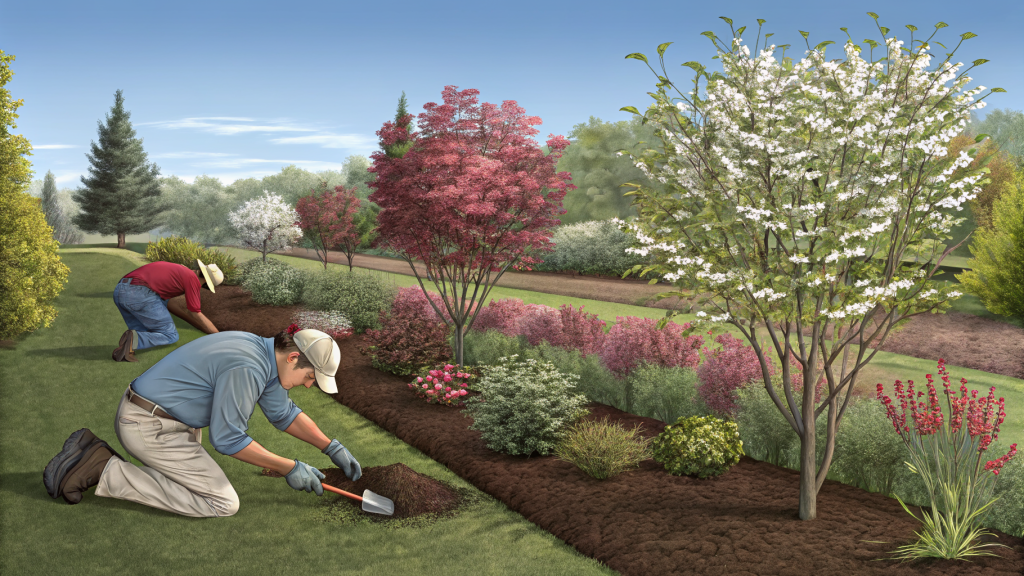
Plan a staggered double row for a dense hedge. Space plants 4–6 feet apart within rows, with rows 3–4 feet apart. This creates a thick screen that also allows airflow. For a more natural look, vary spacing.
Companion Plants
Add native understory plants like spicebush (Lindera benzoin), viburnum, or wild columbine (Aquilegia canadensis) to increase diversity and extend bloom times.
Planting Steps
- Site preparation: Choose a spot with full sun to partial shade. Remove existing grass or weeds. Test soil pH (dogwood prefers slightly acidic, serviceberry adapts).
- Dig holes: Dig twice as wide as the root ball but no deeper. Place the plant so the root flare is at soil level.
- Amend soil: Mix in compost if soil is poor, but avoid heavy fertilizer. Backfill with native soil.
- Water deeply: Water each plant thoroughly after planting. Apply a 2–3 inch layer of organic mulch (wood chips or shredded bark) around each plant, keeping mulch away from stems.
- Initial care: Water weekly for the first growing season during dry spells. Prune only to remove damaged branches.
Maintenance for Pollinator Health
Watering
Once established, both dogwood and serviceberry are moderately drought-tolerant. Water during prolonged dry periods, especially when fruit is developing.
Pruning
Prune in late winter or early spring before new growth. For dogwood, remove old canes to the ground to encourage vibrant twig color (red twig dogwood) or to maintain shape. Serviceberry requires minimal pruning; remove suckers if you want a tree form, or allow them for a thicket.
Avoiding Pesticides
To protect pollinators, never use systemic insecticides or broad-spectrum sprays. Handpick pests or use insecticidal soap if absolutely necessary.
Year-Round Benefits
Spring
Early flowers provide nectar for queen bumblebees and solitary bees. Serviceberry blooms just before leaves emerge, offering a critical food source.
Summer
Berries ripen in June–July, attracting cedar waxwings, robins, and other birds. Dogwood fruits are eaten by mammals and birds.
Fall
Foliage turns brilliant red to purple. Dogwood berries persist, offering winter food. Birds also use the hedge for shelter during migration.
Winter
Red twig dogwood stems add color to the landscape. The dense branches provide roosting cover for birds on cold nights.
Troubleshooting Common Issues
- Dogwood anthracnose: Choose resistant cultivars like Cornus kousa if in a high-humidity area. Ensure good air circulation.
- Leaf spot: Rake and remove fallen leaves to reduce fungal spores. Avoid overhead watering.
- Deer browsing: If deer are problematic, protect young plants with wire cages until they are tall enough to withstand light browsing.
Practical takeaway: Start with a mix of 3–5 native dogwood and serviceberry species suited to your region. Plant in a staggered double row, water well the first year, and avoid chemicals. Within three years, you’ll have a thriving native pollinator hedge that supports local wildlife and adds beauty to your landscape.