Table of Contents
ToggleWhy Your Suburban Yard Needs a Pollinator Corridor Hedgerow
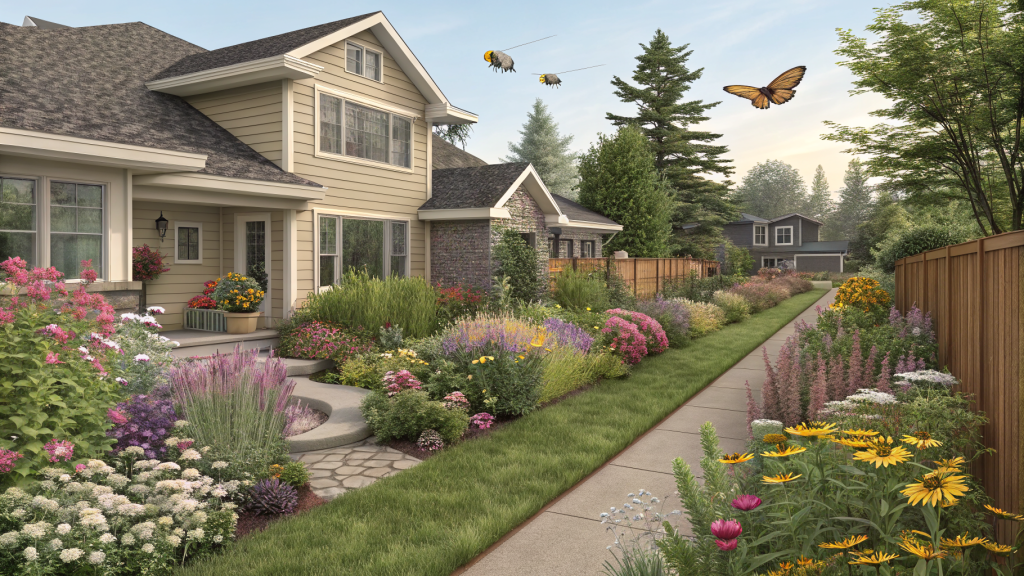
Suburban landscapes often fragment natural habitats, leaving pollinators like bees, butterflies, and birds stranded in isolated pockets of greenery. A pollinator corridor hedgerow bridges these gaps by planting a continuous strip of native shrubs and perennials. This design not only supports local wildlife but also creates a beautiful, low-maintenance border for your yard.
Planning Your Corridor: Site Assessment and Plant Selection
Mapping the Route
Walk your property and identify existing habitat patches—a neighbor’s mature tree, a community garden, or a nearby park. Your hedgerow should connect these areas, preferably along property lines or utility easements. Aim for a width of at least 6–10 feet to provide shelter and foraging space.
Choosing Native Plants
Select a mix of shrubs and perennials that bloom from early spring to late fall. Use these actionable steps:
- Research local native species using resources like your state’s extension service or native plant society.
- Choose keystone genera (e.g., oaks, willows, goldenrod) that support the most caterpillar species.
- Include at least three layers: canopy (small trees like serviceberry), shrub (e.g., ninebark, viburnum), and herbaceous (e.g., milkweed, coneflower).
- Add a groundcover like wild strawberry or violets for nesting sites.
Designing the Hedgerow for Maximum Impact
Structure and Density
Plant in staggered rows, spacing shrubs 3–5 feet apart. Dense plantings provide cover from predators and wind. Leave small openings for ground-nesting bees. Incorporate a few large rocks or logs for basking and shelter.
Seasonal Bloom Calendar
Ensure continuous nectar and pollen sources:
- Spring: Redbud, pussy willow, wild columbine.
- Summer: Mountain mint, bee balm, purple coneflower.
- Fall: Goldenrod, asters, native sunflowers.
Installation and Maintenance
Preparing the Site
Remove lawn grass and invasive plants in a strip the length of your corridor. Smother with cardboard and mulch 4–6 weeks before planting. Test soil pH and amend only if necessary—natives generally prefer poor soil.
Planting Steps
- Dig holes twice as wide as root balls and as deep.
- Water thoroughly after planting and apply 2–3 inches of organic mulch (keep away from stems).
- Water weekly for the first growing season unless rainfall is adequate.
Long-Term Care
Minimal intervention is key. Avoid fertilizers and pesticides. Cut back dead stems in late winter to leave habitat for overwintering insects. Thin aggressive species if they outcompete others.
Connecting with the Neighborhood
Encourage neighbors to add native plantings or reduce pesticide use. Even small patches—a pot of milkweed on a balcony—contribute to the corridor. Consider certifying your yard as a wildlife habitat (e.g., through the National Wildlife Federation) to inspire others.
Practical Takeaway
Start small: a 10-foot section of native shrubs and perennials can become a vital link in your local ecosystem. By designing a pollinator corridor hedgerow, you transform your suburban yard into a lifeline for wildlife while enjoying a vibrant, resilient landscape.