10 Ultimate Steps to Design a Cottage Garden from Scratch
The allure of a cottage garden is undeniable: a romantic tapestry of vibrant blooms, fragrant herbs, and whimsical charm. More than just a collection of plants, it’s an artful dance between nature and design, creating a space that feels both wild and cultivated. If you’ve dreamt of transforming your outdoor area into such a haven, you’re in the right place. This comprehensive guide will walk you through every essential step to design a cottage garden from scratch, ensuring your vision blossoms into a breathtaking reality.
[lwptoc]
Why Designing a Cottage Garden Matters for Your Outdoor Space
Designing a cottage garden from scratch is more than just planting; it’s about crafting an experience. This style of gardening excels at creating a sense of informal beauty and abundance, inviting wildlife and providing continuous interest throughout the seasons. It prioritizes biodiversity, often incorporating a diverse range of flowering plants, edibles, and even small trees and shrubs, making it an ecological asset.
Beyond its aesthetic appeal, a well-designed cottage garden can significantly enhance the value and enjoyment of your property. It provides a personal sanctuary, a place for relaxation, contemplation, and connection with nature. Furthermore, its inherent adaptability means it can be tailored to various microclimates and garden sizes, from expansive rural landscapes to urban courtyards, proving that even a small space can accommodate this charming style.
What You Need: Essential Tools, Materials, and Plant Choices
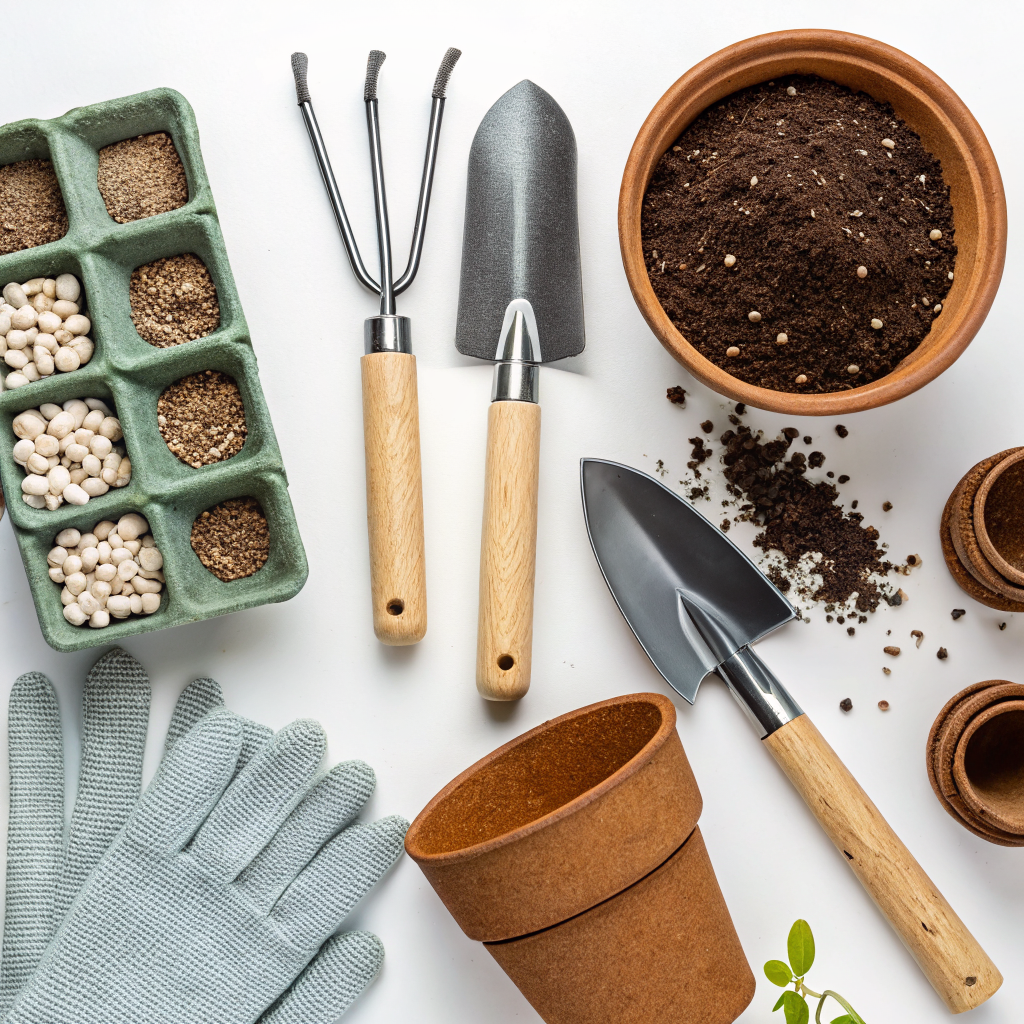
Before you dig in, gather your essentials. Having the right tools and materials will make the design and planting process much smoother. Thoughtful plant selection is also paramount to achieving the authentic cottage garden look, focusing on layered planting and continuous bloom.
Essential Tools:
- Shovel and Spade: For digging, turning soil, and transplanting.
- Hand Trowel and Fork: Ideal for smaller planting, weeding, and working in tight spaces.
- Rake: For leveling soil, spreading mulch, and clearing debris.
- Pruning Shears/Secateurs: For deadheading, shaping plants, and general maintenance.
- Gloves: Protect your hands from thorns, soil, and irritation.
- Wheelbarrow: Indispensable for moving soil, compost, mulch, and plants.
- Hose with Adjustable Nozzle or Watering Can: For efficient and gentle watering, especially of new plants.
- Measuring Tape and Stakes/String: For laying out beds and defining pathways accurately.
- Garden Fork: For aerating compacted soil.
Key Materials:
- Organic Compost/Well-Rotted Manure: Crucial for enriching your soil and providing nutrients. Aim for a generous amount.
- Mulch (e.g., wood chips, straw, shredded leaves): Helps suppress weeds, retain soil moisture, and regulate soil temperature.
- Edging Materials (optional): Bricks, recycled timber, or natural stone for defining beds.
- Support Structures: Arches, obelisks, trellises for climbing roses, clematis, and sweet peas. Consider an effective garden tool storage solution for these.
- Path Materials: Gravel, stepping stones, or even simple mown grass paths contribute to the cottage aesthetic. Find inspiration on garden design apps for path layouts.
Plant Choices for the Quintessential Cottage Garden:
The heart of a cottage garden lies in its diverse and abundant plant palette. Focus on a mix of annuals, perennials, biennials, climbers, and even some small shrubs and trees.
- Classic Perennials: Hollyhocks, Delphiniums, Foxgloves, Peonies, Lavender, Catmint (Nepeta), Bee Balm (Monarda), Echinacea, Rudbeckia, Phlox, Anemone.
- Romantic Roses: English Roses, climbing roses, shrub roses – select fragrant varieties.
- Fragrant Herbs: Rosemary, Thyme, Sage, Mint, Chives, Oregano. Integrate them directly into your flower beds for easy access.
- Flowering Shrubs: Hydrangeas (especially lacecap and mophead varieties), Lilacs, Viburnums.
- Climbers: Clematis, Rambling Roses, Honeysuckle, Wisteria (for larger structures).
- Bulbs: Daffodils, Tulips, Alliums, Crocus for early spring interest.
- Self-Seeding Annuals/Biennials: Forget-Me-Nots, Calendula, Poppies, Cosmos, Nicotiana, Honesty, Verbena bonariensis – these create a natural, informal feel.
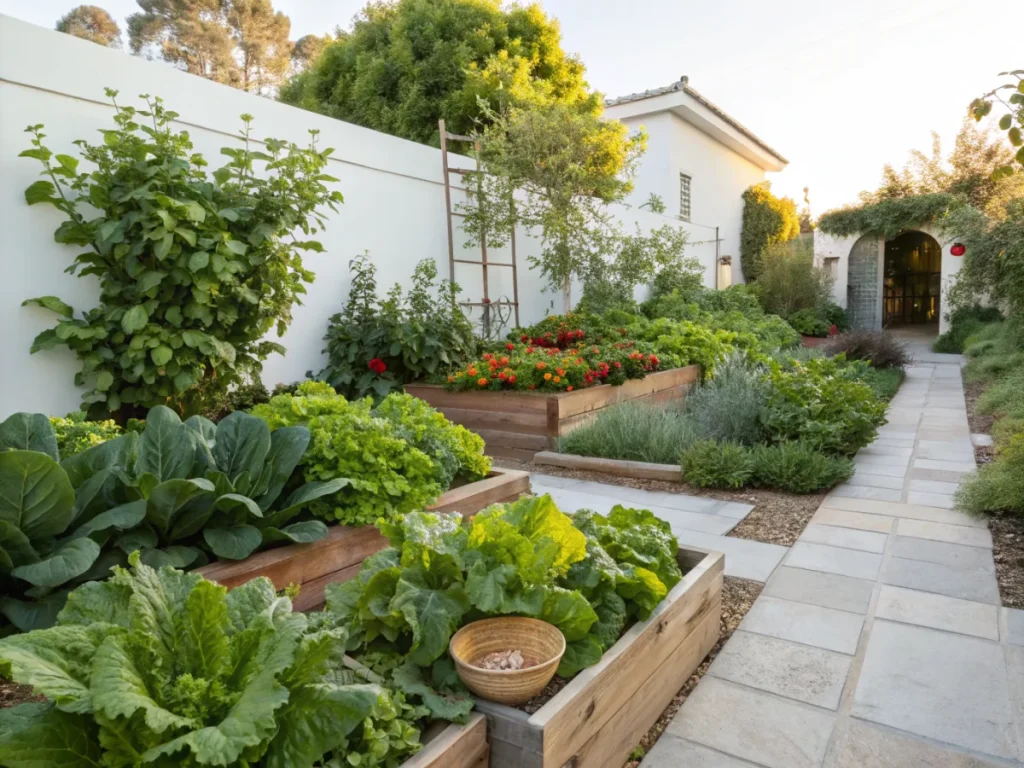
- Edibles and Fruits: Strawberries, Raspberries, tomatoes (on trellises), lettuce, chard – seamlessly woven into the ornamental plantings. Consider a small fruit tree like an apple or pear if space allows.
Step-by-Step Guide: How to Design a Cottage Garden from Scratch
Creating a beautiful cottage garden is a journey, not a sprint. Follow these steps to lay a solid foundation for your blooming masterpiece.
Step 1: Site Analysis and Vision Board – Dream Big, Plan Smart
Begin by thoroughly understanding your chosen space. Observe the movement of the sun throughout the day and year, noting areas of full sun, partial shade, and deep shade. Identify prevailing wind directions and any existing features like fences, walls, trees, or sheds that you might want to incorporate or screen.
Next, define your vision. What colors do you love? Do you prefer a vibrant riot of color or a more subdued, harmonious palette? Are you aiming for an English country cottage feel, or something more Mediterranean? Gather inspiration from books, magazines, and online sources. Create a mood board to consolidate your ideas for a truly personalized eco-friendly garden design.
Consider the practicalities: Where will pathways go? Do you need a seating area, a compost bin, or a water feature? Sketch out a rough plan of your garden space, marking important elements and potential plant beds. This initial mapping will be invaluable.
Step 2: Soil Assessment and Preparation – The Foundation of Life
Healthy soil is the cornerstone of any thriving garden, especially one as densely planted as a cottage garden. Take a soil test to determine its pH level and nutrient composition. This will inform what amendments are needed.
Regardless of your soil type, enriching it with organic matter is almost always beneficial. Dig in copious amounts of good quality compost, well-rotted manure, or leaf mold. This improves drainage in heavy clay soils and increases water retention in sandy soils. Aim to dig down at least 12-18 inches (30-45 cm) to create a deep, fertile growing environment for your plants. Remove any persistent weeds, especially perennial varieties, at this stage to save future trouble.
Step 3: Laying Out the Structure – Paths, Borders, and Focal Points
With your vision clear and soil enriching underway, it’s time to define the bones of your garden. Cottage gardens often feature informal, winding paths that invite exploration. Use stakes and string, or even just a garden hose, to outline the curves of your paths and the edges of your planting beds.
Consider where you’ll place any permanent structures like arches, trellises, or birdbaths. These focal points add vertical interest and provide support for climbing plants. Create defined borders even if they are informal; this helps contain plants and provides a visual break. Think about the scale of your garden – larger spaces can accommodate wider paths and deeper beds, while smaller gardens will benefit from more compact designs.
Step 4: Layered Planting – The Secret to Abundance
The hallmark of a cottage garden is its abundant, layered planting. This isn’t just about cramming plants in; it’s a careful arrangement of different heights, textures, and bloom times to create continuous interest and depth. Start with the tallest plants at the back of your borders (against a wall or fence), such as hollyhocks, delphiniums, or climbing roses.
Next, introduce mid-height perennials and shrubs like lavender, phlox, and hydrangeas. In the front, place lower-growing plants, ground covers, and bulbs, ensuring they don’t overshadow their neighbors. Don’t be afraid to allow plants to spill over paths and soften hard edges. Repeat key plants throughout the garden to create a sense of cohesion and rhythm. Mix in herbs and edibles for a truly integrated environment.
Step 5: Color Palette and Texture – Weaving a Tapestry
While cottage gardens are often seen as riots of color, a thoughtful approach to your palette will yield the most stunning results. You can opt for a harmonious scheme (e.g., blues, purples, and whites) or a vibrant, contrasting one (e.g., yellows, oranges, and deep reds). Consider the overall mood you want to create.
Beyond color, texture is crucial. Combine plants with fine foliage (ferns, grasses) with those with bold leaves (hostas, peonies). Mix airy, delicate flowers (cosmos, gaura) with sturdy, architectural forms (foxtail lilies, cardoon). This interplay of varied textures adds depth and interest even when plants aren’t in bloom. Remember that foliage provides year-round structure and color, so select plants with interesting leaves as well as beautiful flowers.
Step 6: Incorporating Hardscaping and Ornaments – Adding Character
Hardscaping elements and strategically placed ornaments contribute significantly to the cottage garden’s charm. Gravel paths, stepping stones, or reclaimed brick paths provide practical access and aesthetic appeal. Low stone walls or rustic timber edging can define beds.
Introduce vintage-inspired elements like antique watering cans, old wooden barrels used as planters, or salvaged garden gates. Birdbaths, sundials, and whimsical statuettes can add focal points and personality. Ensure these elements blend naturally with the garden style rather than feeling out of place. A weathered bench nestled among fragrant flowers provides an inviting spot for relaxation and contemplation.
Step 7: Water Features and Vertical Interest – Sound and Dimension
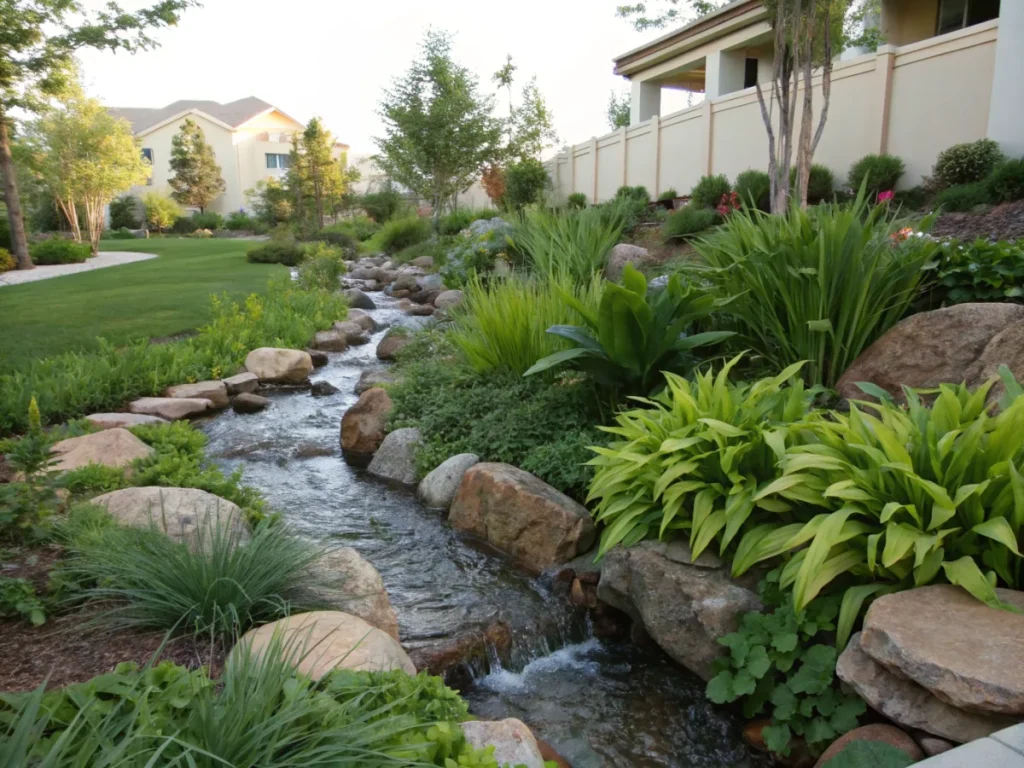
The gentle trickle of water can transform a garden, adding a sense of tranquility and attracting wildlife. Even a small, self-contained water feature or a bird bath can make a significant impact. Consider a small pond if space and maintenance allow, but often simpler options are just as effective in a cottage garden setting.
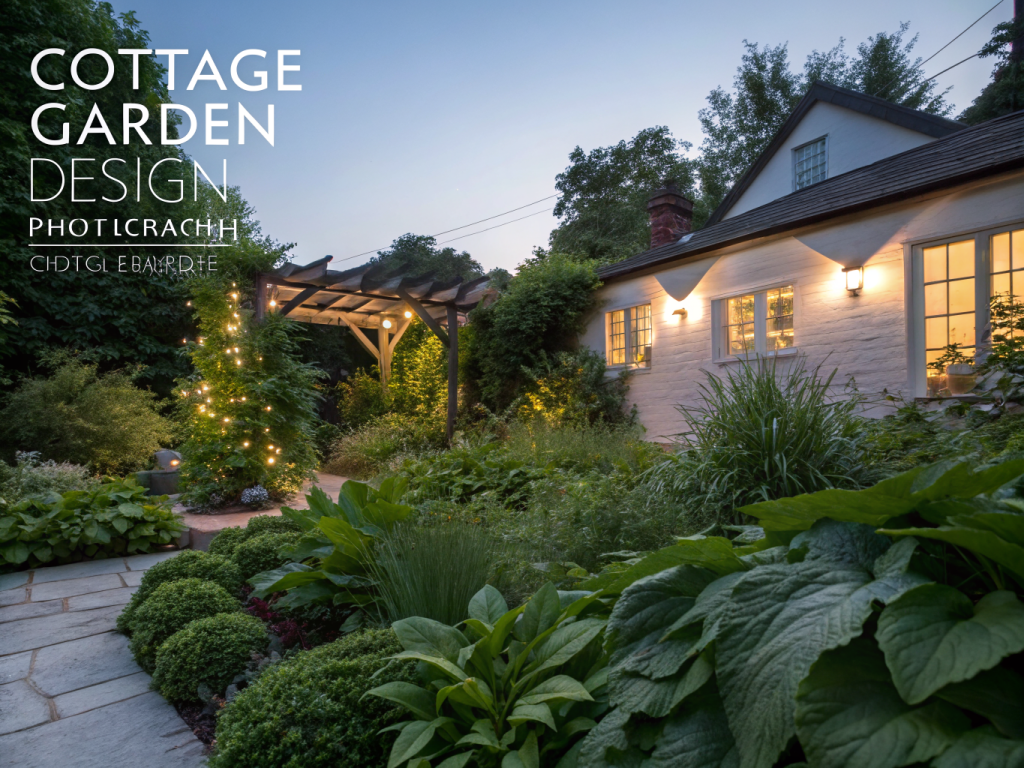
Vertical interest is key to creating depth and drawing the eye upwards. Plant climbers on trellises, arbors, and pergolas. Use tall plants at the back of borders. Consider decorative obelisks for sweet peas or clematis. Even tall sculptural elements can add verticality. This layering from ground level to eye level and beyond contributes to the immersive feel of a cottage garden.
Step 8: Planting and Initial Care – Bringing it to Life
Once your design is in place and soil is prepared, it’s time to plant! Dig holes that are twice as wide as the plant’s root ball and just as deep. Gently remove the plant from its container, tease out any circling roots, and place it in the hole. Backfill with enriched soil, firming gently around the base. Water thoroughly immediately after planting.
During the first few weeks, new plants require consistent watering to establish themselves. Apply a layer of mulch after planting to conserve moisture, suppress weeds, and moderate soil temperature. Continue to monitor for pests and diseases, addressing any issues promptly. This initial care is crucial for the long-term success of your cottage garden.
Step 9: Maintenance and Evolution – Nurturing Your Creation
A cottage garden is a living, evolving entity that thrives with regular care. This includes deadheading spent blooms to encourage new flowers, weeding (though a dense planting plan helps suppress weeds), and feeding your plants with organic fertilizers or compost tea.
Pruning is essential for shaping shrubs and perennial plants, and for training climbers. Observe your garden through the seasons; you’ll likely discover areas that need more plants, or others that are becoming too crowded. Don’t be afraid to divide perennials, transplant plants that aren’t thriving in their current spot, or experiment with new additions. A cottage garden is meant to be a dynamic space, reflecting your ongoing interaction with it.
Step 10: Embracing Imperfection and Enjoyment – The True Spirit
Perhaps the most important step in designing a cottage garden is to embrace its inherent informality and a certain degree of wildness. Unlike highly manicured gardens, a cottage garden thrives on a slightly overgrown, naturalistic look. A few self-seeded plants in unexpected places add to its charm. Don’t strive for absolute perfection; instead, enjoy the process and the beautiful, evolving landscape you’ve created.
Take time to sit in your garden, observe the bees and butterflies, and breathe in the scents. A cottage garden is a space for joy, relaxation, and connection with nature. Remember that gardening is a journey, and your cottage garden will continue to grow and develop with you.
Pro Tips and Common Mistakes When You Design a Cottage Garden from Scratch
Pro Tips:
- Succession Planting: Plan for continuous blooms by selecting plants with staggered flowering times. Combine early spring bulbs with summer perennials and fall-blooming asters.
- Consider Winter Interest: Include plants with attractive bark, evergreen foliage, or interesting seed heads (like sedum or ornamental grasses) to provide structure and beauty in colder months.
- Attract Pollinators: Choose single-flowered varieties where possible and a wide range of nectar-rich plants to support bees, butterflies, and other beneficial insects.
- Group for Impact: Plant in drifts or groups of three, five, or more rather than single specimens. This creates a more natural, abundant, and visually impactful display.
- Utilize Vertical Spaces: Don’t forget walls, fences, and pergolas. Climbing plants add drama and maximize planting space, especially in smaller gardens.
- Mix it Up: Incorporate edibles like herbs, vegetables, and small fruit bushes directly into your ornamental beds for a truly functional and beautiful space.
Common Mistakes to Avoid:
- Ignoring Soil Health: Trying to plant in poorly prepared soil is a recipe for disappointment. Spend time amending and enriching your soil.
- Overcrowding (Initially): While cottage gardens are dense, respect mature plant sizes. Planting too closely makes plants compete for resources and increases disease risk. Allow some space for growth.
- Lack of Focal Points: Without a few key structures or dramatic plants, a dense planting can look chaotic rather than charming.
- Forgetting Evergreen Structure: Purely deciduous plantings can look bare in winter. Incorporate evergreen shrubs, conifers, or hedges for year-round interest.
- Not Considering Maintenance: While informal, cottage gardens still require care. Choose plants appropriate for your climate and time commitment.
- Ignoring Hardscaping: Paths, benches, and structures are essential to grounding the design and providing functionality. Don’t just focus on plants.
- Neglecting Water Needs: Especially for newly planted gardens, consistent watering is critical for establishment. Don’t assume rain is always enough.
Eco-Friendly Variations for Your Cottage Garden
A cottage garden inherently lends itself to eco-conscious practices, promoting biodiversity and working with nature. Enhance this natural synergy with these variations:
- Native Plant Integration: While traditional cottage gardens feature many old-world plants, incorporating native perennials and shrubs will provide superior ecological benefits. Native plants are adapted to your local climate and soil, require less water and fertilizer, and provide essential food and habitat for local wildlife.
- Water Harvesting: Install rain barrels to collect rainwater from your roof, providing a sustainable source for watering your garden. Design your garden with swales or rain gardens in mind to capture stormwater run-off and replenish groundwater.
- Composting and Mulching: Embrace on-site composting to create your own nutrient-rich soil amendments. Use organic mulches generously to suppress weeds, retain soil moisture, and improve soil health, reducing the need for synthetic inputs.
- Pest Management: Promote beneficial insects by planting a diverse array of flowers and herbs. Avoid synthetic pesticides; instead, opt for organic pest control methods like hand-picking, insecticidal soap, or introducing natural predators.
- Sustainable Materials: Choose reclaimed or locally sourced materials for paths, structures, and ornaments. This reduces your carbon footprint and adds character. Consider recycled plastic lumber for raised beds or salvaged bricks for pathways.
- Reduced Lawn Area: Embrace the cottage garden philosophy by converting excess lawn into biodiverse planting beds. Lawns are often resource-intensive; more planted areas mean less mowing, watering, and fertilizing.
Seasonal Considerations for Year-Round Beauty
A truly captivating cottage garden offers interest in all four seasons.
- Spring: Usher in spring with bulbs like daffodils, tulips, and crocus peeking through groundcovers. Early-flowering perennials such as primroses, hellebores, and bleeding hearts provide initial bursts of color. Spring-blooming shrubs like lilac and forsythia add fragrance and structure.
- Summer: This is the peak season for classic cottage garden blooms. Roses, delphiniums, foxgloves, campanulas, and coneflowers create a riot of color and abundance. Ensure a mix of heights and textures, and deadhead regularly to encourage more flowers. Include annuals like cosmos and zinnias for continuous cheer.
- Autumn: As summer wanes, transition into autumn with asters, sedum, chrysanthemums, and ornamental grasses. The rich hues of changing foliage on small trees and shrubs like acer or certain viburnums add warmth. Leave some seed heads for winter interest and food for birds.
- Winter: While flowers may be scarce, winter interest comes from evergreen shrubs, conifers, and plants with attractive bark (e.g., dogwood, birch). Seed heads of perennials, dried grasses, and architectural forms of structures like pergolas or obelisks provide skeletal beauty. Hellebores often brave the cold with their early blooms, offering a touch of magic.
Expert Resources for Your Cottage Garden Journey
To deepen your knowledge and gather more inspiration, consult these reputable gardening resources:
- Gardening Know How: Offers a vast array of practical advice, troubleshooting tips, and plant information suitable for all levels of gardeners.
- The Royal Horticultural Society (RHS): A world-renowned gardening charity, the RHS provides authoritative guidance, plant profiles, and design principles specifically for cottage gardens.
- University of Minnesota Extension: Provides research-based information on various garden design principles and plant care, which can be adapted to your specific climate and cottage garden style.
Conclusion
Designing a cottage garden from scratch is a deeply rewarding endeavor. It’s a journey that combines planning with passion, structure with spontaneity, and nature’s beauty with your personal touch. By following these comprehensive steps, from meticulous site analysis and soil preparation to thoughtful plant selection and seasonal contemplation, you can create a garden that is not only visually stunning but also a vibrant, living ecosystem.
Embrace the process, enjoy the transformation, and allow your cottage garden to evolve as a reflection of your dreams and dedication. The abundant charm, fragrant air, and buzzing life that await will be your greatest reward.
FAQ: Designing a Cottage Garden from Scratch
Q1: How do I ensure continuous blooms throughout the growing season in my cottage garden?
A1: Achieving continuous blooms, also known as succession planting, involves selecting plants with staggered flowering times. Combine early spring bulbs, mid-spring perennials like peonies, summer favorites such as roses and delphiniums, and late-season bloomers like asters and sedums. Research bloom times for your chosen plants and aim for a diverse mix. Deadheading spent flowers regularly will also encourage many plants to produce more blooms.
Q2: What’s the best way to deal with weeds in a densely planted cottage garden?
A2: A thick layer of organic mulch (like wood chips, straw, or shredded leaves) is your best friend in a cottage garden for weed suppression. Dense planting itself also helps by shading out weed seeds. Hand-pulling weeds when they are small is effective. For existing perennial weeds, address them thoroughly during the soil preparation phase. Avoid disturbing the soil unnecessarily, as this can bring dormant weed seeds to the surface.
Q3: Can I design a cottage garden in a small urban space?
A3: Absolutely! Cottage gardens are highly adaptable. In small urban spaces, focus on vertical gardening with climbing roses or clematis on walls and trellises. Use containers and raised beds to maximize planting area. Choose compact varieties of traditional cottage plants and incorporate fragrant herbs and small edibles. Even a tiny courtyard can become a charming, abundant cottage garden with clever design and plant selection.
Q4: How important is soil preparation when starting a cottage garden?
A4: Soil preparation is critically important – it’s the foundation of your garden’s health. Cottage gardens are typically densely planted, requiring nutrient-rich, well-draining soil to support a high volume of plants. Amending your soil with generous amounts of organic compost or well-rotted manure improves its structure, fertility, and water retention. Skimping on soil preparation can lead to struggling plants, increased pest and disease issues, and a less vibrant garden overall.