If you want to maximize your tomato harvest while improving plant health, tomato grafting double root is a technique worth mastering. By grafting two tomato stems onto a single, vigorous rootstock, you create a plant with two sets of roots that can absorb more water and nutrients, leading to more fruit and better disease resistance. This method is especially useful for gardeners with limited space or challenging soil conditions.
Table of Contents
ToggleWhy Graft Tomatoes for Double Roots?
Grafting combines the best traits of two plants: the strong, disease-resistant root system of one variety (rootstock) with the high-quality fruit production of another (scion). In double-root grafting, you attach two scions—often from the same or different varieties—to one rootstock, effectively giving the plant two above-ground stems, each supported by the same robust root system.
Key Benefits
- Higher yields: More roots mean more water and nutrient uptake, supporting two stems that can each produce a full truss of fruit.
- Disease resistance: Rootstocks are bred to resist soilborne diseases like fusarium wilt, verticillium wilt, and root-knot nematodes.
- Extended harvest: With two stems, you can stagger pruning or let both grow, potentially lengthening the fruiting period.
- Space efficiency: One plant with two stems takes up less room than two separate plants, ideal for small gardens or containers.
What You’ll Need
Grafting tomatoes requires a few specialized supplies, but most are inexpensive and reusable.
- Rootstock seeds: Choose a vigorous, disease-resistant variety like ‘Maxifort’ or ‘Beaufort’ (or any local recommended rootstock).
- Scion seeds: Your preferred fruiting varieties (e.g., ‘Brandywine’, ‘Sun Gold’, ‘Cherokee Purple’).
- Grafting clips: Small silicone or plastic clips that hold the graft union together.
- Sharp razor blade or grafting knife: Sterilize with alcohol to prevent infection.
- Humidity dome or plastic bag: To keep grafts humid during healing.
- Seed starting mix and small pots (2–3 inches).
Step-by-Step Grafting Process
Timing is critical: both rootstock and scions should have stems about 1/8 to 3/16 inch thick (roughly the diameter of a toothpick) and be at the same growth stage. Sow seeds so that rootstock is 5–7 days ahead of scions, as rootstock grows faster.
1. Prepare Seedlings
- Sow rootstock seeds 5–7 days before scions.
- Grow all seedlings in a warm, bright location. Keep soil evenly moist but not waterlogged.
- When seedlings have 2–3 true leaves, they are ready to graft.
2. Make the Cuts
- Water seedlings well a few hours before grafting to ensure they are turgid.
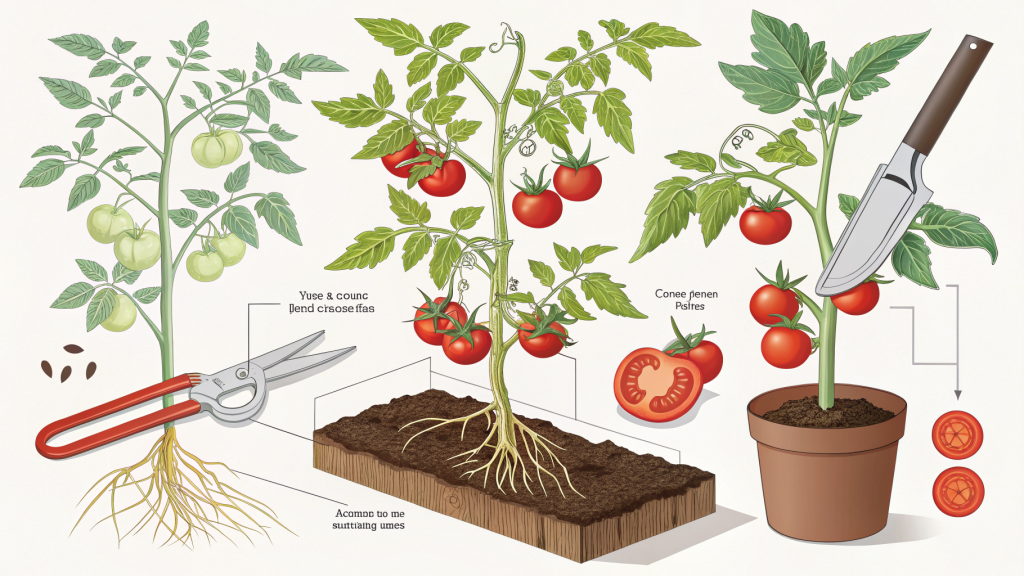
- Using a clean razor blade, cut the rootstock stem horizontally about 1 inch above the soil line. Then make a vertical slit down the center of the stem about ½ inch deep.
- For each scion, cut the stem at a 45-degree angle about ½ inch long, creating a wedge shape. The cut should be just above a leaf node.
3. Join and Clip
- Insert one scion wedge into the rootstock slit, ensuring the cut surfaces align (cambium layers should match).
- Repeat with the second scion on the opposite side of the rootstock stem, if possible. Alternatively, you can make two slits in the rootstock—one on each side—to accommodate both scions.
- Secure each graft with a grafting clip. The clip should hold the union firmly without crushing the stems.
4. Heal the Grafts
- Immediately place the grafted plant in a humidity dome or cover with a clear plastic bag. Maintain high humidity (close to 100%) and indirect light for 3–5 days.
- Keep temperature around 70–75°F (21–24°C). Avoid direct sun, which can wilt scions.
- After 3 days, gradually open the dome or bag over 2–3 days to acclimate plants to lower humidity.
- Once new growth appears (usually 7–10 days), remove the cover and treat as a normal seedling.
Caring for Your Double-Rooted Tomato
After grafting, the plant needs extra attention to ensure both scions thrive.
Transplanting
- Harden off the grafted plant over a week before moving it to the garden or a large container.
- When transplanting, bury the root ball deep enough so the graft union is at least 2 inches above the soil line. This prevents the scion from rooting and bypassing the rootstock’s disease resistance.
Support and Pruning
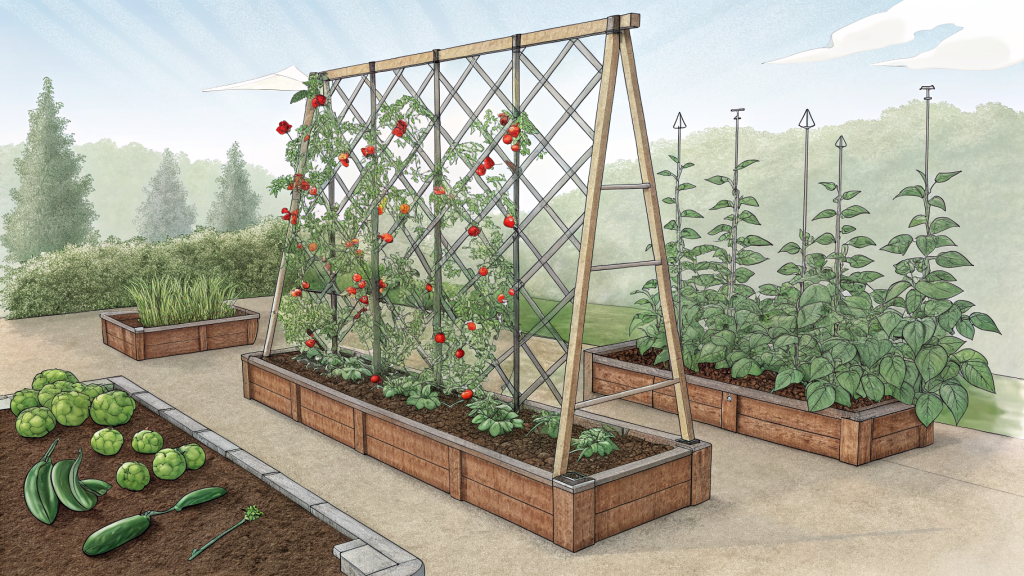
- Provide a sturdy stake or cage for each stem, as double-rooted plants can become heavy with fruit.
- You can choose to let both stems grow as a multi-stem plant, or prune one stem for earlier fruit. Many gardeners allow both to grow for maximum yield.
- Remove any suckers that develop below the graft union—these come from the rootstock and will not produce desirable fruit.
Watering and Feeding
- Water consistently; the extra root system can dry out soil faster. Mulch to retain moisture.
- Fertilize with a balanced tomato fertilizer every 2–3 weeks, as the double canopy demands more nutrients.
Troubleshooting Common Grafting Issues
- Graft failure: If scions wilt and die within a few days, the graft may not have taken. Causes include poor cambium alignment, drying out, or infection. Always use clean tools and maintain high humidity.
- Uneven growth: One scion may outgrow the other. This is normal; you can pinch the tip of the stronger scion to encourage branching and balance.
- Rootstock suckers: Vigorously remove any shoots emerging from below the graft union. They will compete with your scions.
- Fruit quality: If fruit seems smaller than expected, ensure adequate pollination and sunlight. Double-rooted plants often produce more fruit but individual size may be slightly smaller unless thinned.
Practical Takeaway
Tomato grafting double root is a rewarding technique that can significantly increase your harvest while protecting plants from soil diseases. Start with easy-to-grow rootstocks and practice on a few plants before scaling up. With careful attention to grafting technique and aftercare, you’ll enjoy a robust, productive tomato plant that makes the most of your garden space.