Worm castings tea foliar spray is a powerful, natural way to boost your plants’ immunity against pests. By applying a liquid extract of worm castings directly to the leaves, you deliver beneficial microbes and nutrients that strengthen cell walls and trigger systemic resistance. This simple practice can reduce pest problems without harsh chemicals.
Table of Contents
ToggleWhat Is Worm Castings Tea Foliar Spray?
Worm castings tea is made by steeping worm castings in water to extract nutrients and microorganisms. When used as a foliar spray, it coats leaves with a thin layer of beneficial bacteria, fungi, and protozoa. These microbes compete with pathogens and stimulate the plant’s own defense mechanisms. The tea also supplies micronutrients like iron, zinc, and manganese that support healthy growth.
How It Enhances Pest Resistance
Foliar application of worm castings tea works in several ways to deter pests:
- Boosts plant immunity: The microbes trigger the plant’s systemic acquired resistance (SAR), making it less susceptible to attack.
- Improves nutrient uptake: Healthy plants are better able to fend off pests. The tea provides readily available nutrients that strengthen tissues.
- Creates a protective biofilm: Beneficial microbes form a physical barrier on leaf surfaces, blocking pathogens and making it harder for pests to feed.
- Repels soft-bodied insects: Some microbes produce compounds that deter aphids, spider mites, and whiteflies.
How to Brew Worm Castings Tea for Foliar Spray
Making effective worm castings tea requires a few simple steps. Use non-chlorinated water to avoid killing beneficial microbes.
Basic Recipe
- 1 cup of high-quality worm castings (free of synthetic fertilizers).
- 5 gallons of dechlorinated water (let tap water sit out for 24 hours or use rainwater).
- Optional: 1 tablespoon of unsulfured molasses to feed microbes.
Brewing Instructions
- Place the worm castings in a mesh bag or nylon stocking.
- Suspend the bag in a bucket of water and stir vigorously.
- Add molasses if desired and stir again.
- Aerate the mixture with a bubbler or stir every few hours for 24–48 hours.
- Use immediately for best results. Do not store for more than 4 hours.
How to Apply Worm Castings Tea as a Foliar Spray
Timing and technique matter for maximum effectiveness.
Best Time to Spray
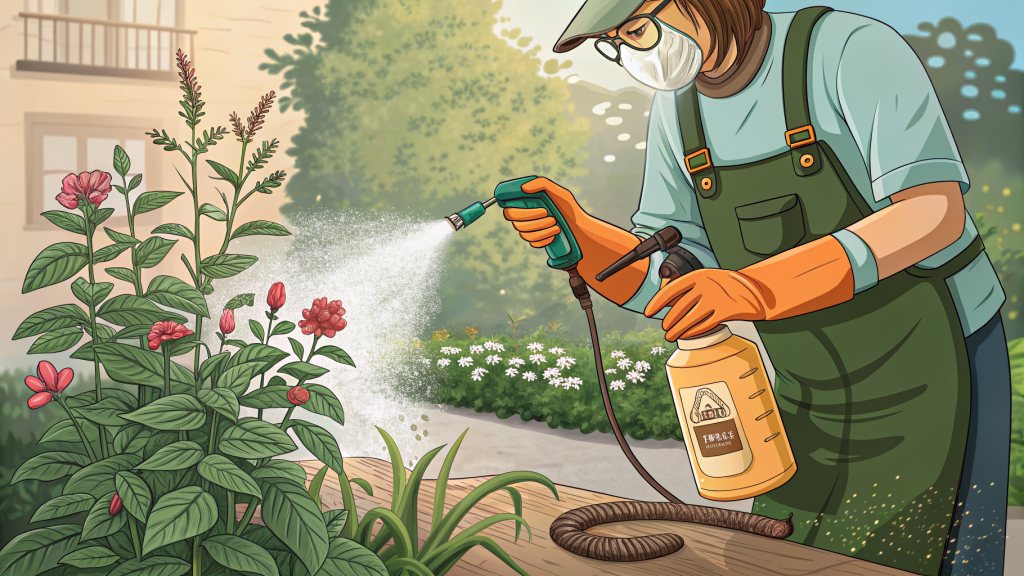
Apply in the early morning or late evening when stomata are open and temperatures are cool. Avoid direct sunlight to prevent leaf burn.
Application Steps
- Strain the tea through a fine mesh to avoid clogging your sprayer.
- Use a pump sprayer set to a fine mist.
- Spray both upper and lower leaf surfaces thoroughly.
- Repeat every 7–14 days during the growing season or after rain.
Tips for Success
- Use fresh tea: Beneficial microbes decline rapidly after brewing. Use within 4 hours.
- Avoid chlorine: Chlorine kills microbes. Always dechlorinate water.
- Test on a small area: Some plants may react. Spray a few leaves first.
- Combine with other IPM practices: Use alongside row covers, companion planting, and beneficial insects for best results.
Common Mistakes to Avoid
- Using too much molasses: Excess sugar can promote fungal diseases. Use sparingly (1 tbsp per 5 gallons).
- Storing tea: Do not store brewed tea; it can go anaerobic and become harmful.
- Spraying in direct sun: Heat and UV rays kill microbes and can damage leaves.
Practical Takeaway: Worm castings tea foliar spray is a simple, effective tool for building pest resistance naturally. By applying a fresh, aerated brew every week or two, you will strengthen your plants’ defenses and reduce the need for chemical interventions. Start with a small batch and adjust based on your garden’s response.