Ultimate 10 Vegetables That Thrive in Partial Shade
Do you dream of a bountiful vegetable garden but find yourself limited by shady spots? You’re not alone! Many gardeners believe that a full-sun location is essential for any successful harvest. However, this common misconception often leads to underutilized areas of the garden, missing out on valuable growing space. The truth is, a surprising number of delicious and nutritious vegetables actually prefer or tolerate a bit of shade, thriving where sun-loving plants might falter. This guide will unlock the potential of your partial-shade spots, helping you maximize every corner of your garden for an abundant and diverse harvest. We’ll explore how to identify partial shade, understand its benefits for certain crops, and introduce you to ten incredible vegetables perfectly suited for these less-than-sunny conditions. Get ready to transform those neglected corners into productive food factories!
[lwptoc]
Why Growing Vegetables in Partial Shade Matters for Your Garden
Embracing partial shade gardening isn’t just about making the most of limited space; it’s a smart, sustainable, and often more productive approach for certain crops. In many regions, especially during the peak of summer, intense midday sun can stress out even sun-loving plants, leading to bolting, wilting, and diminished flavor. Partial shade, typically defined as 3-6 hours of direct sunlight per day or dappled sunlight throughout the day, offers a welcome respite.
For one, it helps conserve moisture in the soil, reducing the need for frequent watering – a crucial benefit for both your water bill and the environment. Less sun exposure also means lower soil temperatures, which can be ideal for cool-season crops that tend to bolt or become bitter in direct, hot sun. Furthermore, partial shade can extend the harvesting season for some vegetables, allowing you to enjoy fresh produce for longer. This approach promotes biodiversity within your garden, creates a more balanced ecosystem, and allows you to experiment with a broader range of edibles, making your growing space more resilient and productive.
What You Need to Get Started (Tools, Materials, and Plants)
Embarking on a partial shade vegetable garden doesn’t require a complete overhaul of your gardening toolkit, but a few considerations and specific selections will set you up for success. Understanding these essentials will make your gardening journey smoother and your harvests more rewarding.
- Good Quality Soil: This is paramount for any garden, but especially important in areas where plants might already be working a bit harder to get light. Incorporate plenty of organic matter like compost or well-rotted manure to improve drainage, water retention, and nutrient availability. A healthy soil structure will buffer against minor environmental stresses.
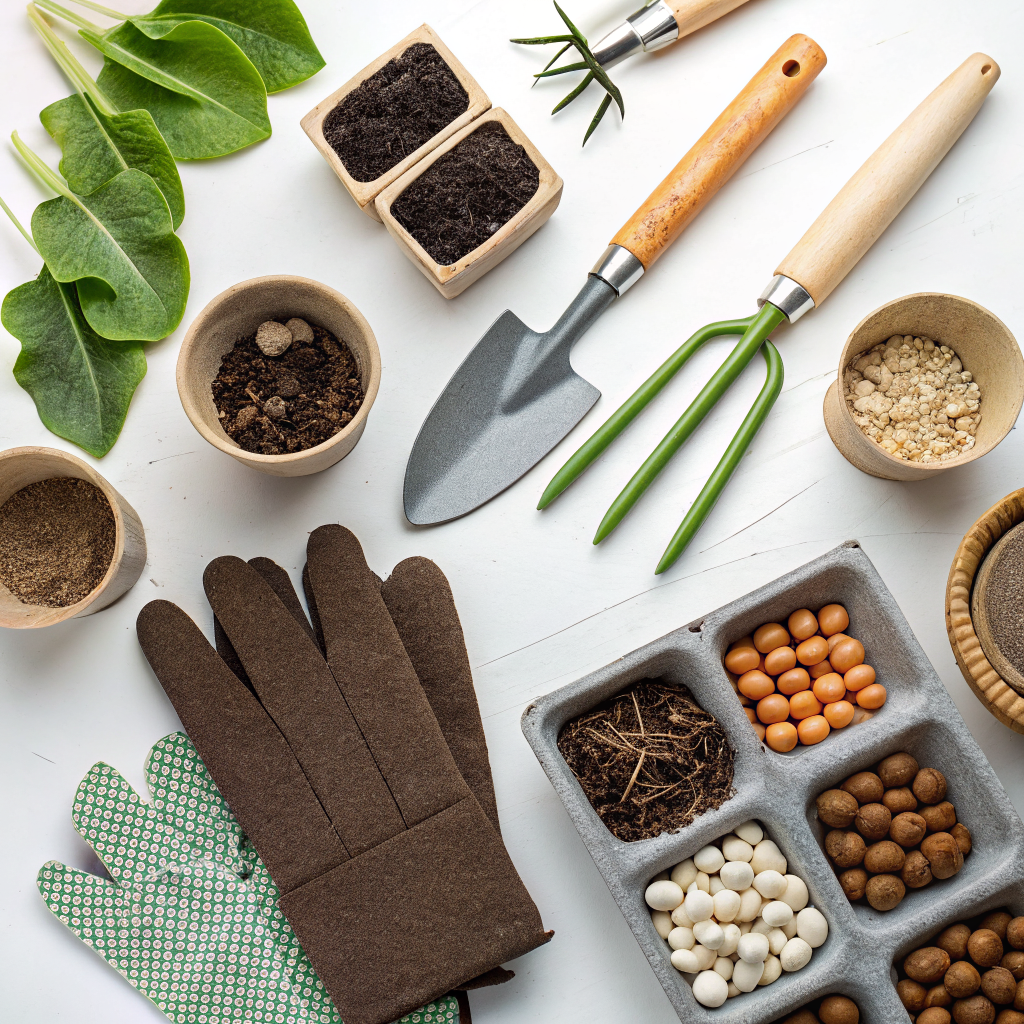
- Basic Gardening Tools: You’ll need a trowel, hand fork, watering can or hose with a gentle nozzle, and possibly a garden fork for turning soil. Pruning shears might be useful for harvesting or plant maintenance.
- Mulch: An absolute must for partial shade gardening. Mulch helps retain soil moisture, suppresses weeds, and regulates soil temperature. Organic mulches like straw, wood chips, or shredded leaves break down over time, further enriching the soil.
- Selected Vegetable Varieties: Pay close attention to plant tags or seed packets, looking for varieties explicitly noted as “shade tolerant” or “partial shade friendly.” Heirloom varieties often exhibit greater resilience to varied conditions.
- Containers (Optional): If your partial shade areas are spread out or located on a patio, containers offer flexibility. Choose larger pots to provide ample root space and prevent rapid drying out. This also allows you to move plants if light conditions change with the seasons.
- Compost Starter (Optional): For those looking to create their own nutrient-rich soil amendments, a compost starter kit can accelerate the process.
- Seed Starting Mix (Optional): If you plan to start seeds indoors before transplanting, a quality seed starting mix will give your young plants the best possible start.
Step-by-Step Guide: Cultivating Your Partial Shade Vegetable Garden
Transforming a shady spot into a productive vegetable patch is a rewarding process. Follow these steps to ensure your shade-loving edibles flourish, providing you with fresh, homegrown produce.
Step 1: Assess Your Shade
Understanding the nuances of your partial shade is the first crucial step. “Partial shade” isn’t a one-size-fits-all definition; it encompasses a range of light conditions. Spend a full day observing the area where you intend to garden, ideally from early morning to late afternoon. Note how many hours of direct sunlight the spot receives. Areas getting 3-6 hours of direct sun, especially morning sun followed by afternoon shade, are ideal. Dappled shade, where sunlight filters through tree leaves all day, is also excellent for many shade-tolerant vegetables. Identify any large trees or structures that cast shadows and how those shadows shift throughout the day and even across different seasons. This detailed observation will guide your plant selection, ensuring you choose vegetables optimally suited for the specific light conditions present.
Step 2: Prepare Your Soil
Good soil is the foundation of any successful garden, and for partial shade, it’s even more critical. Healthy soil provides essential nutrients, retains moisture without becoming waterlogged, and allows roots to establish strongly. Begin by clearing any weeds or debris from the designated area. Then, incorporate a generous amount of organic matter – think compost, well-rotted manure, or leaf mold – into the top 6-12 inches of soil. This improves soil structure, enhances drainage in compacted soils, and increases water retention in sandy soils. Organic matter also provides a slow-release source of nutrients, vital for plants that might be under slightly more stress due to reduced light. Conduct a simple soil test if possible, to determine pH and nutrient levels, and amend accordingly. Aim for a slightly acidic to neutral pH (6.0-7.0) for most vegetables.
Step 3: Choose the Right Vegetables
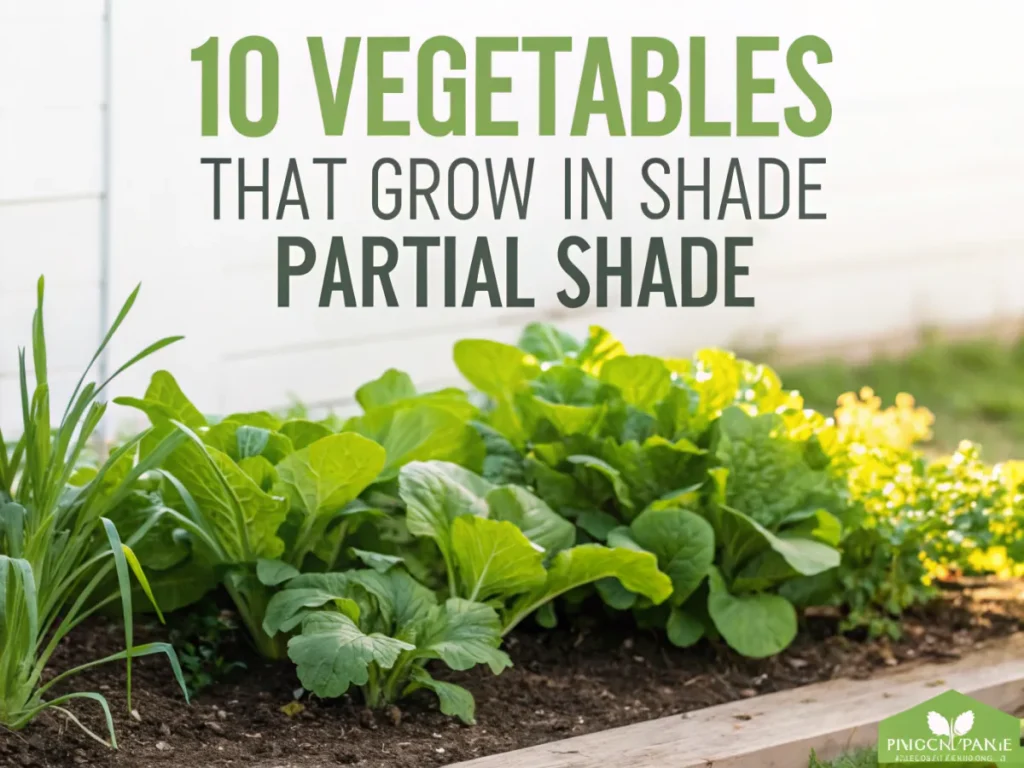
This is where your shade assessment pays off. Select varieties known to perform well in partial or dappled shade. Prioritize leafy greens, root vegetables, and certain herbs. Examples include loose-leaf lettuces, spinach, Swiss chard, kale, mustard greens, arugula, radish, carrots, beets, and most culinary herbs. Consider the specific needs of each plant; for instance, some leafy greens appreciate morning sun and protection from intense afternoon heat, which partial shade provides perfectly. Don’t be afraid to experiment with different varieties recommended for cooler, shadier conditions. Pay attention to their mature size and spacing requirements to prevent overcrowding, which can further reduce light penetration and air circulation.
Step 4: Planting and Initial Care
Once your soil is prepared and plants are selected, it’s time to plant. If starting from seeds, follow packet directions for depth and spacing. For transplants, dig a hole slightly larger than the root ball, gently place the plant, and backfill with soil, lightly firming around the base. Water thoroughly immediately after planting to settle the soil and help establish the roots. In partial shade, plants may grow a bit slower than those in full sun, so gentle and consistent care is key. Keep an eye on moisture levels; while shade conserves water, young plants still need consistent hydration. Protect new seedlings from pests that also appreciate the cooler, moister environment of shade, such as slugs and snails, using organic slug pellets or beer traps.
Step 5: Ongoing Maintenance and Harvesting
Ongoing care is essential for a productive partial shade garden. Regular watering, especially during dry spells, is crucial as plants can still dry out, albeit slower than in full sun. Apply a layer of organic mulch (2-4 inches) around your plants to conserve moisture, suppress weeds, and regulate soil temperature. Fertilize sparingly with a balanced organic liquid feed, as too much nitrogen can lead to lush leafy growth but little else in low light. For leafy greens, practice ‘cut and come again’ harvesting to encourage continuous production. For root vegetables, harvest when they reach a suitable size, typically indicated on the seed packet. Observe your plants for any signs of stress, pests, or disease and address them promptly. Enjoy the process and the delicious rewards of your shade-grown efforts!
Pro Tips and Common Mistakes for Partial Shade Gardening
Mastering the art of growing vegetables that grow in partial shade involves a blend of specific techniques and an understanding of common pitfalls. These insights will help you cultivate a thriving and productive garden, even in less-than-sunny spots.
Pro Tips:
- Maximize Air Circulation: In shadier, often cooler and moister environments, proper air circulation is vital to prevent fungal diseases. Space plants adequately, and consider pruning lower leaves of larger plants if they are impeding airflow.
- Use Light-Colored Mulch: While dark mulches absorb and retain heat, a lighter-colored mulch like straw can reflect some light back onto lower leaves, subtly increasing available light for plants.
- Container Planting Strategy: If your partial shade is dynamic (e.g., changes with seasonal tree foliage), consider planting in containers. This allows you to move plants to optimal light conditions throughout the day or season, following the sun’s path. Ensure containers are large enough for adequate root development.
- Focus on Leafy Greens & Roots: These plant types are generally the most forgiving in lower light. Prioritize them for your shadier spots, and save the sunniest spots for demanding fruiting vegetables.
- Succession Planting: Maximize your harvest by planting new batches of quick-growing shade-tolerant crops every few weeks. This strategy ensures a continuous supply of fresh greens.
- Observe and Adapt: Your garden is a unique ecosystem. Pay close attention to how your plants respond to the specific light conditions. Some spots might be shadier than anticipated, requiring a different plant choice, while others might receive more light than you thought. Be prepared to adapt and learn from your observations.
Common Mistakes to Avoid:
- Overwatering: Shade significantly reduces evaporation rates. While consistent moisture is good, overwatering can lead to root rot and fungal issues. Always check soil moisture before watering again. Stick your finger an inch or two into the soil; if it feels damp, hold off.
- Expecting Full-Sun Yields: Plants in partial shade will often grow slower and yield slightly less than their full-sun counterparts. Adjust your expectations accordingly. The goal is a healthy harvest, not necessarily maximum production.
- Ignoring Soil Quality: Poor soil exacerbated by less light can severely stunt growth. Don’t skimp on enriching your soil with organic matter. Hard, compacted soil will prevent healthy root development.
- Planting Too Densely: Overcrowding plants in a shaded area further reduces the already limited light reaching the plants. It also restricts airflow, increasing the risk of disease. Always adhere to recommended spacing.
- Neglecting Fertilization: While less light means plants might grow slower, they still need nutrients. A lack of light can reduce a plant’s ability to utilize nutrients effectively. Use a balanced, organic fertilizer every few weeks, but sparingly, as too much nitrogen can lead to weak, leggy growth in low light.
- Using Large-Leaved Varieties: While most leafy greens do well, some very large-leaved varieties might struggle to photosynthesize effectively in low light. Opt for smaller, more compact varieties where possible for better light penetration.
Eco-Friendly Variations for Your Shade Garden
Integrating eco-conscious practices into your partial shade garden is not only beneficial for the environment but can also enhance the health and productivity of your plants. These variations focus on sustainability and fostering a natural balance.
- Rainwater Harvesting: Set up rain barrels to collect rainwater for irrigation. Rainwater is naturally soft and free of chlorine and other chemicals found in tap water, making it excellent for your plants. This is especially useful in shaded areas where water conservation is a key benefit.
- Composting and Vermicomposting: Continuously feed your soil by incorporating homemade compost. For smaller spaces or if you prefer an indoor option, vermicomposting (using worms) creates nutrient-rich worm castings perfect for boosting plant growth. This reduces waste and enriches soil structure.
- Companion Planting: Utilize companion planting specifically for shade-tolerant plants. For example, planting marigolds or nasturtiums nearby can deter common pests like slugs and snails (which thrive in moist, shady conditions) without resorting to chemical pesticides. Some herbs like mint will also enjoy partial shade and can deter pests.
- Organic Pest Control: Instead of chemical sprays, opt for organic pest control methods. This could include hand-picking slugs, using homemade insecticidal soap (diluted dish soap solution), or introducing beneficial insects (if pest populations are high enough to sustain them, though less common in small shade gardens).
- Natural Mulching: Go beyond traditional mulches by using fallen leaves, pine needles, or shredded twigs from your yard. These not only suppress weeds and conserve moisture but also break down over time, contributing valuable organic matter and nutrients to the soil food web.
- DIY Soil Amendments: Collect kitchen scraps (coffee grounds, eggshells) and incorporate them into your compost or directly into the soil to provide trace minerals. Coffee grounds, for instance, can slightly acidify the soil, which some shade-loving plants appreciate, and add nitrogen.
- Attracting Pollinators (Even in Shade): While fewer pollinators might visit very shady spots, some may still frequent partially shaded areas. Plant shade-tolerant flowering herbs like chives, borage, or even some impatiens near your vegetable beds to attract bees and other beneficial insects.
- Sustainable Watering Practices: Consider drip irrigation or soaker hoses to deliver water directly to the root zone, minimizing evaporation and water waste. This is particularly efficient in areas where plants are closely spaced.
Seasonal Considerations for a Shade-Tolerant Garden
Gardening in partial shade isn’t static; the amount and intensity of light can change dramatically with the seasons. Understanding these shifts is key to maximizing your harvests throughout the year and adapting your strategies.
- Spring: As the sun begins its ascent, spring shade can be less dense than in summer. This is an ideal time to plant cool-season crops like spinach, lettuce, kale, radishes, and peas. Trees typically haven’t fully leafed out, allowing more light to filter through. Take advantage of this increased light to get an early start on these vegetables, which will appreciate the mild temperatures and then benefit from increased shade as summer approaches.
- Summer: This is when shade is most crucial for many crops. Intense summer sun can cause heat stress, bitter flavors, and bolting (premature flowering) in leafy greens. Ensure your shade-tolerant vegetables are well-established by early summer. Afternoon shade is particularly beneficial during hot spells. Monitor soil moisture closely, as even with shade, dry winds and high temperatures can still lead to dehydration. This is also a good time to plant successive crops of greens that can be harvested regularly.
- Autumn: As days shorten and temperatures cool, partial shade spots become excellent environments for another round of cool-season crops. The reduced light intensity of autumn mornings and afternoons is perfect for extending the harvest of greens, root vegetables, and brassicas. Many tree leaves will begin to drop, potentially increasing light briefly before winter. Consider planting crops like spinach, broad beans, and overwintering varieties of kale for a late autumn or early winter harvest.
- Winter: In many climates, winter means significantly less light and colder temperatures. In very cold regions, partial shade gardening might cease, requiring protection for sensitive plants. In milder climates, the reduced light is less of a concern than the cold. Cold frames or cloches can be used to protect hardy greens like kale, chard, and some lettuces, allowing them to continue growing, albeit very slowly, through the winter months. Remember that deciduous trees will have dropped their leaves, potentially allowing more sun into previously shaded areas, which can be an advantage for winter-hardy crops.
Expert Resources for Further Learning
To deepen your understanding of gardening in partial shade and beyond, these expert resources offer comprehensive advice and practical tips. From universities to well-known gardening organizations, these sites are valuable assets for any gardener.
- Gardening Know How – Shade Loving Vegetables: An excellent resource for general gardening questions, offering articles specifically on vegetables that thrive in shaded conditions.
- Royal Horticultural Society (RHS) – Growing Vegetables in Shady Places: The RHS provides authoritative advice based on extensive research and practical experience, including specific recommendations for gardening in less-than-ideal light.
- University of Minnesota Extension – Vegetable Gardening in Shady Spots: University extension services are a goldmine of research-based information tailored to specific regional conditions, offering reliable guidance for local gardeners.
Conclusion
Embracing the challenge of gardening in partial shade opens up a world of possibilities, transforming overlooked areas of your landscape into vibrant, productive vegetable patches. As we’ve explored, a surprising array of delicious and nutritious vegetables don’t just tolerate less sun – they often thrive in it, benefiting from cooler temperatures, reduced water stress, and an extended harvest season. By understanding your specific light conditions, adequately preparing your soil with organic matter, and selecting the right shade-loving varieties, you can cultivate a resilient and abundant garden.
This approach isn’t just about growing food; it’s about smart, sustainable gardening that maximizes every square foot of your property, reduces resource consumption, and encourages a deeper connection with your garden’s unique ecosystem. From crisp lettuce and tender spinach to flavorful root vegetables, the rewards of growing in partial shade are immense. So, don’t let a “shady spot” deter your gardening aspirations. Instead, see it as an opportunity to innovate, experiment, and enjoy a continuous bounty from your very own backyard. Happy gardening!
Frequently Asked Questions About Vegetables in Partial Shade
<h4>Q1: What exactly defines "partial shade" for gardening purposes?</h4>
<p>A1: Partial shade generally refers to an area that receives 3 to 6 hours of direct sunlight per day, or continuous dappled sunlight throughout the day. The ideal partial shade often involves morning sun and relief from the intense heat of the afternoon sun.</p>

<h4>Q2: Can I grow any fruit in partial shade?</h4>
<p>A2: While this article focuses on vegetables, some fruits can indeed tolerate partial shade, though yields might be reduced. Examples include certain varieties of currants, gooseberries, and some native berries. It's best to research specific varieties known for shade tolerance.</p>

<h4>Q3: Do vegetables grown in partial shade taste different or have fewer nutrients?</h4>
<p>A3: Often, leafy greens grown in partial shade can have a milder, sweeter flavor due to slower growth and less stress from intense sun, which can prevent bitterness. Nutrient content typically remains comparable, though growth might be slightly slower.</p>

<h4>Q4: How often should I water plants in partial shade compared to full sun?</h4>
<p>A4: Plants in partial shade generally require less frequent watering than those in full sun because the reduced light intensity leads to less evaporation from both the leaves and the soil. Always check the soil moisture level a few inches deep before watering to avoid overwatering, which can be detrimental in shadier, cooler conditions.</p>