The Ultimate 7-Step Guide to Water-Wise Garden Design for Drought Resilience
In an increasingly unpredictable climate, designing a garden that thrives with minimal irrigation is not just an eco-conscious choice; it’s a practical necessity. Urban permaculture principles offer a powerful framework for creating beautiful, productive, and resilient landscapes that can weather even the harshest droughts. This comprehensive guide will walk you through the essential steps to cultivate a water-wise sanctuary right in your backyard, ensuring your plants flourish while conserving precious water resources.
[lwptoc]
Why Water-Wise Garden Design Matters for Your Garden (and the Planet)
The changing global climate has brought more frequent and intense droughts to many regions, making water conservation a critical issue. Traditional gardening often relies on significant irrigation, which can deplete local water supplies and increase utility bills. Embracing water-wise garden design, often termed xeriscaping or drought-tolerant landscaping, shifts this paradigm.
By mimicking natural ecosystems and utilizing smart design choices, you can drastically reduce your garden’s water footprint. This approach not only saves water but also fosters healthier soil, attracts beneficial wildlife, and often requires less maintenance in the long run. It’s about working with nature, not against it, to create a sustainable and vibrant outdoor space.
Beyond environmental benefits, a water-wise garden can be incredibly beautiful and diverse. Many drought-tolerant plants offer unique textures, vibrant colors, and fascinating forms that can elevate your landscape aesthetics. It’s a testament to the idea that sustainability and beauty can, and should, go hand-in-hand.
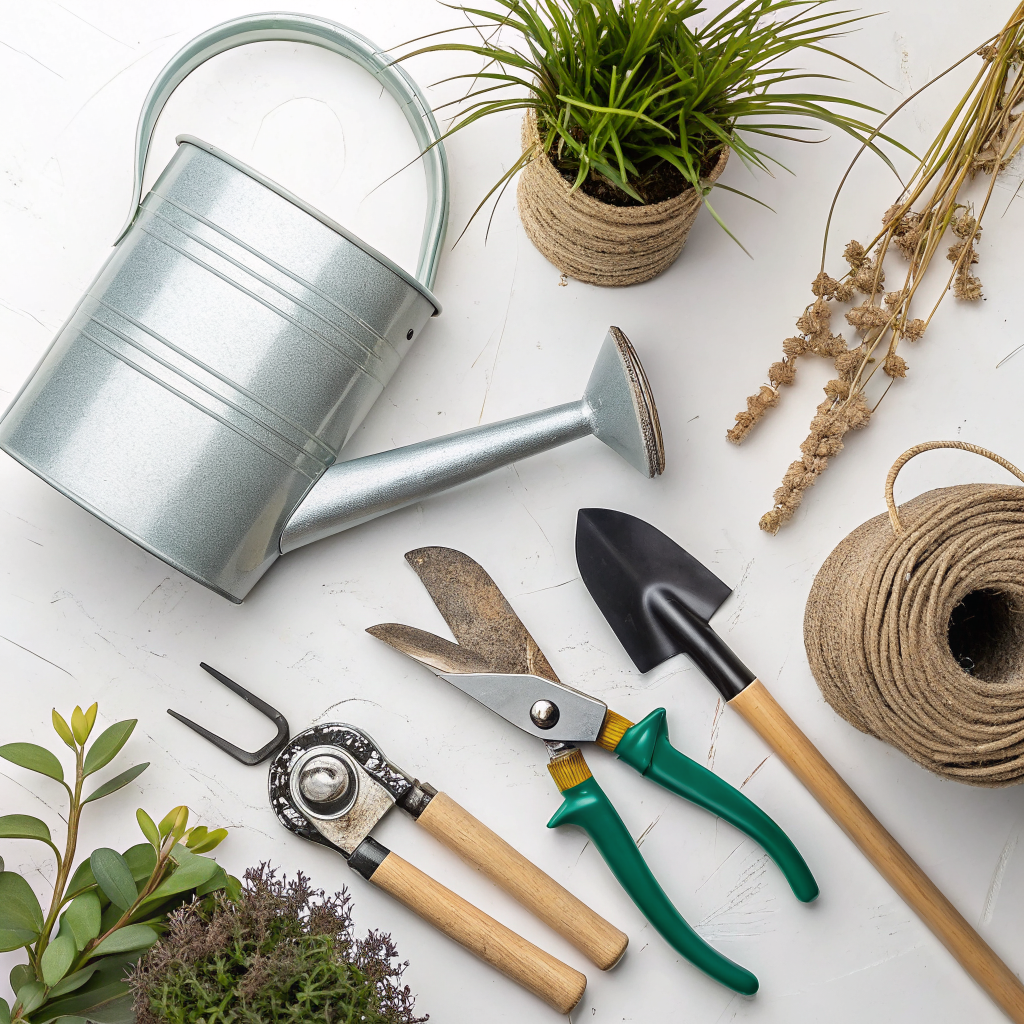
What You Need: Tools, Materials, and the Right Plants
Embarking on a water-wise garden design project doesn’t require a specialized arsenal, but a few key items will make your work much more efficient and effective. Thinking ahead about your materials and plant choices is crucial for long-term success.
Essential Tools:
- Shovel and Spades: For digging planting holes, creating swales, and moving soil.
- Wheelbarrow: Indispensable for transporting mulch, soil amendments, and plants.
- Rake: For spreading mulch evenly and preparing beds.
- Pruners/Loppers: For plant maintenance and shaping.
- Measuring Tape: For accurate layout and spacing.
- Level: Especially useful when creating swales or terracing.
- Gloves: To protect your hands while working.
Key Materials:
- Organic Mulch: Wood chips, straw, shredded leaves, or pine needles are excellent for retaining soil moisture, suppressing weeds, and regulating soil temperature. Aim for a 2-4 inch layer.
- Compost: Essential for improving soil structure, water retention, and nutrient availability. Incorporate generous amounts into your planting beds.
- Soil Amendments (as needed): Rock dust for minerals, gypsum for heavy clay, or sand for improving drainage in very dense soils. A soil test can guide your specific needs.
- Edging Materials: For defining beds and pathways, which can also help retain mulch – think stone, metal, or recycled plastic.
- Drip Irrigation/Soaker Hoses: While the goal is minimal irrigation, efficient systems are crucial for establishment and during extreme dry spells.
- Rainwater Harvesting Components: Rain barrels or more elaborate cistern systems to collect water from impervious surfaces.
The Right Plants (The Heart of Water-Wise Design):
Choosing plants adapted to your local climate and rainfall patterns is the cornerstone of water-wise gardening. These are often referred to as native or drought-tolerant plants.
- Native Plants: These are inherently adapted to your region’s rainfall, soil, and temperature fluctuations. They require minimal intervention once established. Research your local native plant societies or extension offices for recommendations.
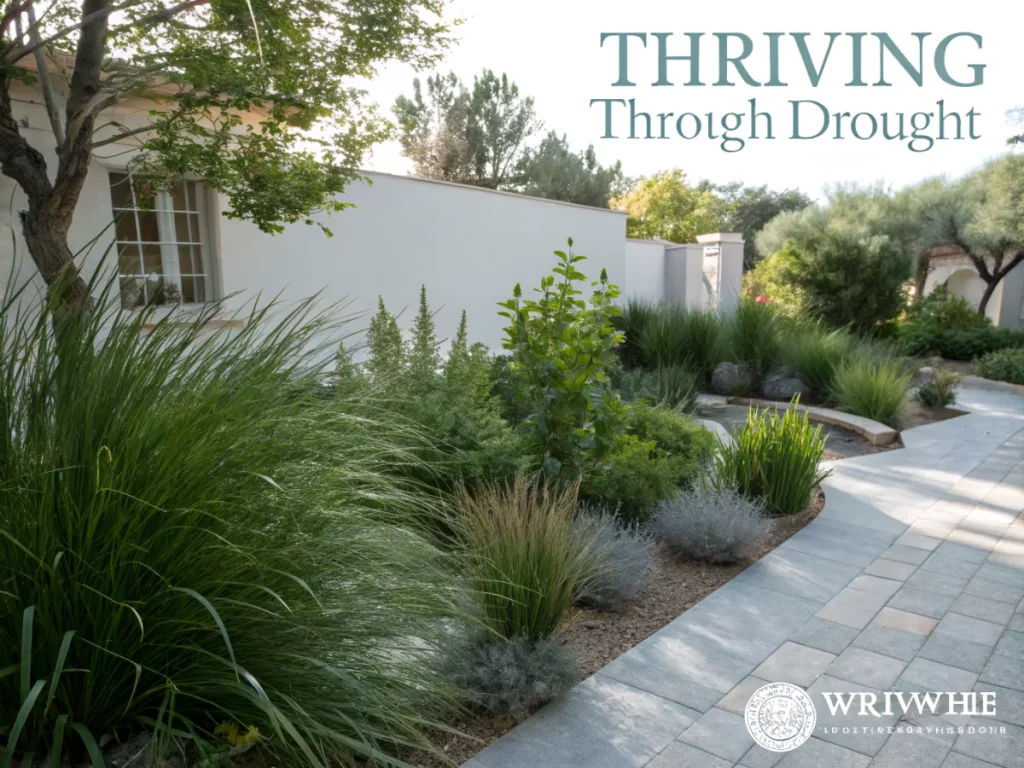
- Drought-Tolerant Plants: Many non-native species are also highly drought-resilient. Look for plants with characteristics like small leaves, silvery or hairy foliage, waxy coatings, or succulent tissues – these are all adaptations to conserve water. Examples include Lavender, Sedum, Russian Sage, Agastache, and various ornamental grasses.
- Succulents and Cacti: These are masters of water storage and can be striking additions, especially in drier zones or rock gardens.
- Deep-Rooted Plants: Plants with extensive root systems can tap into deeper soil moisture, reducing their reliance on surface irrigation.
- Consider Plant Grouping (Hydrozoning): Group plants with similar water needs together. This allows you to irrigate more efficiently, providing water only where and when it’s needed.
Always check plant tags for water requirements and mature size to ensure they are suitable for your design and climate. A diverse selection of plants will also increase the biodiversity of your garden.
Step-by-Step Guide to Crafting Your Water-Wise Oasis
Transforming your garden into a water-wise haven is a systematic process that combines thoughtful planning with practical implementation. Follow these steps for a successful and sustainable outcome.
Step 1: Assess Your Site and Understand Your Climate
Before you lift a shovel, take time to understand your garden’s unique characteristics. This initial assessment is foundational to all subsequent design decisions.
- Sunlight Mapping: Observe your garden throughout the day and across seasons. Map areas that receive full sun (6+ hours), partial sun (3-6 hours), and shade (less than 3 hours). This will dictate where certain plants can thrive.
- Soil Analysis: Get a soil test done or conduct a simple jar test to determine your soil type (sand, loam, clay) and pH level. This informs what amendments are needed to improve water retention and drainage. Poor soil health is a major contributor to water waste.
- Drainage Patterns: Watch how water moves through your landscape during and after rain. Identify areas where water pools, runs off quickly, or where the ground remains consistently moist. These observations will help you plan for rainwater harvesting and prevent erosion.
- Microclimates: Notice areas sheltered from wind, spots next to paved surfaces that get extra heat, or north-facing walls that stay cooler. Utilizing these microclimates can expand your plant palette.
- Local Climate Data: Understand your average annual rainfall, typical drought periods, and hardiness zone. This knowledge is crucial for selecting appropriate plants.
Step 2: Design with Zones and Permaculture Principles
Permaculture emphasizes intelligent design that mimics natural patterns and minimizes human intervention. Integrating these principles is key to water efficiency.
- Hydrozoning: Group plants with similar water requirements together. Place plants needing more water closer to your house or water source for easier (and minimal) irrigation. Drought-tolerant plants go in outer zones.
- Catch and Store Water: Design your landscape to capture rainwater rather than letting it run off. Install rain barrels or cisterns to collect water from rooftops. Consider creating swales or rain gardens to slow, spread, and sink water into the landscape. See our guide on Rainwater Harvesting for Urban Gardens for more ideas.
- Pervious Surfaces: Minimize impermeable surfaces like concrete patios and unnecessarily wide driveways. Opt for gravel, pavers with gaps for planting, or permeable grids that allow water to infiltrate the soil.
- Pathways and Flow: Plan pathways that guide movement efficiently and also consider opportunities for water redirection. Contoured pathways can slow water flow.
Step 3: Improve Your Soil Health
Healthy soil is the foundation of any thriving garden, but it’s especially critical for water-wise design. It acts like a sponge, holding onto moisture and nutrients.
- Incorporate Organic Matter: Generously mix compost, well-rotted manure, or other organic materials into your planting beds. For new beds, aim for several inches of organic matter incorporated into the top 6-12 inches of soil.
- Avoid Compaction: Once beds are prepared, try to avoid walking on them. Use designated pathways to prevent soil compaction, which reduces water penetration and oxygen availability for roots.
- Mushroom Mycelium: Consider inoculating your soil with beneficial mycorrhizal fungi. These fungi form symbiotic relationships with plant roots, extending their reach to access water and nutrients more efficiently.
Step 4: Select and Place Drought-Tolerant Plants
This is where your vision comes to life. Strategic plant selection and placement will define your garden’s aesthetic and resilience.
- Research Local Options: Prioritize native plants as they are already adapted to your local climate. Supplement with other regionally appropriate drought-tolerant species. Visit local nurseries or botanical gardens for inspiration.
- Consider Mature Size: Always select plants that will fit their space at maturity. Overcrowding can lead to competition for water and air circulation issues.
- Layering: Use different plant heights and forms to create visual interest and mimic natural ecosystems. Think groundcovers, perennials, shrubs, and small trees.
- Strategic Placement: Place sun-loving, drought-tolerant plants in the hottest, driest spots. Use larger plants or structures to provide shade for more sensitive plants if needed.
- Planting Technique: Dig a hole twice as wide as the root ball and just as deep. Gently loosen circling roots. Backfill with amended soil, ensuring the plant’s crown is at soil level. Water thoroughly after planting to settle the soil.
Step 5: Mulch, Mulch, Mulch!
Mulch is your garden’s best friend when it comes to water conservation. It’s a simple, yet incredibly effective technique.
- Apply Generously: Spread a 2 to 4-inch layer of organic mulch (wood chips, shredded bark, straw, compost) over all exposed soil in your planting beds. Keep mulch a few inches away from plant stems and tree trunks to prevent rot.
- Benefits of Mulch:
- Water Retention: Reduces evaporation by up to 30%, keeping soil moist for longer.
- Weed Suppression: Blocks sunlight, preventing weed seeds from germinating and competing for water and nutrients.
- Temperature Regulation: Insulates the soil, keeping it cooler in summer and warmer in winter, reducing plant stress.
- Soil Enrichment: As organic mulches break down, they add valuable nutrients and improve soil structure.
- Replenish Annually: Mulch decomposes over time, so plan to top it off each year to maintain its benefits.
Pro Tips and Common Mistakes to Avoid
Even with the best intentions, there are nuances that can make or break your water-wise garden. Learn from common pitfalls and integrate these pro strategies.
Pro Tips for Maximizing Water Efficiency:
- Passive Rainwater Harvesting: Beyond barrels, consider earthworks like swales, berms, and Hugelkultur beds. Swales are ditches on contour that slow water runoff, allowing it to soak into the ground. Berms are raised mounds of soil that can direct water. Hugelkultur beds are raised beds built with decaying wood, which acts like a sponge. For detailed permaculture techniques, explore our articles on Understanding the Hugelkultur Bed.
- Deep and Infrequent Watering: When you do water, do so deeply to encourage roots to grow down, not just at the surface. Irrigate less frequently, allowing the topsoil to dry out slightly between waterings, which strengthens plants.
- Timing is Everything: Water early in the morning, before the sun gets high, to minimize evaporation. Evening watering can encourage fungal diseases if foliage remains wet overnight.
- Observe Your Plants: Learn to read the signs of thirst in your specific plants. Some will wilt slightly, others may show color changes. Don’t water on a rigid schedule; water when plants actually need it.
- Incorporate Hardscaping Strategically: Use rocks, stones, and pavers for paths and seating areas. These elements won’t require water and can add aesthetic appeal. They can also define spaces for planting.
- Consider a Greywater System: For the truly dedicated, installing a simple greywater system to divert water from sinks or showers to certain parts of your landscape can significantly reduce potable water use. Our resource on Sustainable Living at Home touches on this.
Common Mistakes to Avoid:
- Overwatering Drought-Tolerant Plants: Just because a plant can tolerate drought doesn’t mean it enjoys constant moisture. Many drought-tolerant species are susceptible to root rot in poorly drained, waterlogged soil.
- Removing All Weeds Bare Ground: While weeding is important, completely bare soil between plants is a visual cue of wasted opportunity. Either plant more groundcover or mulch heavily. Bare soil loses water quickly to evaporation.
- Planting Too Densely or Too Sparsely: Overcrowding leads to competition for limited water. Planting too sparsely leaves large areas of unplanted, unmulched soil vulnerable to evaporation and weed invasion.
- Ignoring Soil Health: Thinking you can just plant drought-tolerant species in poor, unamended soil is a recipe for failure. Good soil chemistry and structure are paramount for water retention.
- Watering Small Amounts Frequently: This encourages shallow root systems that are highly vulnerable to drought. It also leads to more water loss through evaporation.
- Not Establishing Plants Properly: Even drought-tolerant plants need regular watering during their establishment period (usually the first one to two years) until their root systems are fully developed.
Pro Tip: The Percolation Test
To determine your soil’s drainage, dig a hole roughly 1 foot deep and 1 foot wide. Fill it with water and let it drain. Immediately refill it. Measure how much the water level drops in an hour.
- Less than 1 inch/hour: Very poor drainage (heavy clay).
- 1-3 inches/hour: Moderate, good drainage.
- More than 4 inches/hour: Excellent drainage (sandy soil).
This helps you decide on amendments or plant choices.
Eco-Friendly Variations and Enhancements
Taking your water-wise garden further involves integrating deeper ecological principles and embracing a holistic approach to your landscape. These variations enhance the resilience and biodiversity of your space.
- Biodiversity Hotspots: Beyond planting water-wise species, aim for a diversity of plant types, flower shapes, and bloom times to support pollinators, beneficial insects, and local wildlife year-round. This creates a more stable ecosystem.
- Composting and Vermicomposting: Generate your own high-quality compost from kitchen scraps and garden waste. This closed-loop system reduces waste and provides nutrient-rich, water-retentive amendments for your soil. Earthworms (vermicomposting) further enhance soil health.
- Sheet Mulching: An excellent method for converting a lawn or existing bed without digging. Layer cardboard, compost, and then organic mulch. This smothers weeds, enriches the soil, and sets up a perfect environment for new plantings while conserving water from the start.
- Living Mulch (Groundcovers): Instead of relying solely on inorganic mulches, consider planting drought-tolerant groundcovers like creeping thyme, sedum, or certain native grasses. These living mulches offer similar benefits to organic mulch but also provide habitat and aesthetic appeal.
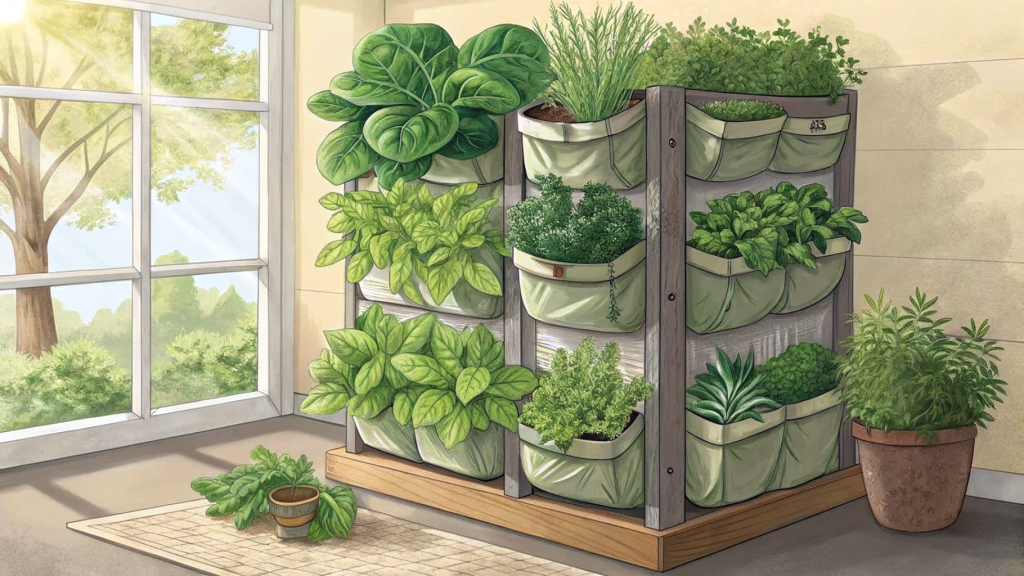
- Vertical Gardens and Green Walls: In urban settings, vertical gardening can maximize planting space. With careful design, these can be water-wise, often utilizing drip irrigation or wicking systems. They also help cool structures through evapotranspiration.
- Food Forests and Edible Landscapes: Integrate edible plants into your water-wise design. Many herbs (rosemary, thyme, sage), several fruit trees (olives, pomegranates, figs in appropriate climates), and even some vegetables are surprisingly drought-tolerant once established. Design in layers – canopy, understory, shrubs, herbaceous layer, groundcovers, and root crops – to maximize productivity and mimic natural forests.
- Wildlife Ponds (Mini-Wetlands): If space allows, a small, naturally filtered pond can provide a crucial water source for wildlife, even if not directly for irrigation. Ensure it’s designed to minimize evaporation and potentially integrate with your rainwater harvesting.
Seasonal Considerations for a Resilient Garden
A water-wise garden isn’t a “set it and forget it” system, but rather one that requires mindful observation and adapted care throughout the seasons.
Spring: The Reawakening and Initial Setup
- Soil Preparation: Top-dress beds with fresh compost and reinforce mulch layers before summer heat. This is the best time to incorporate new organic matter.
- Planting: Spring is the ideal time to plant new perennials, shrubs, and trees, giving them a full growing season to establish roots before the dry spells. Water new plantings diligently.
- Rainwater System Check: Clean out rain barrels, gutters, and ensure your rainwater harvesting system is in prime condition.
- Monitor Drainage: Observe how melting snow or spring rains move across your landscape. Make adjustments to swales or berms if needed.
Summer: The Season of Conservation
- Deep Watering (if necessary): During extended dry periods, focus on deep, infrequent watering. Check soil moisture levels with your finger before turning on irrigation.
- Mulch Maintenance: Ensure mulch layers are still adequate (2-4 inches) to minimize evaporation. Reapply if thinning.
- Weeding: Stay on top of weeds, as they compete directly with your desirable plants for precious water.
- Heat Stress Observation: Watch plants for signs of severe heat stress. Some wilting is normal, but persistent drooping or browning edges may indicate a need for a targeted deep watering.
- Harvesting Rain: Make sure your rain barrels are capturing all possible rainfall during summer storms.
Autumn: Preparing for Dormancy and Next Year
- Fall Planting: For many regions, fall is an excellent time to plant trees and shrubs, allowing them to establish roots in cool, moist soil before winter.
- Leaf Mulch: Don’t rake away all your fallen leaves! Use them as a free, nutrient-rich mulch for your garden beds. Shredding them helps them break down faster.
- Composting: Add garden debris and fallen leaves to your compost pile, building up reserves for next spring.
- System Drain: If you live in a freezing climate, drain and disconnect rain barrels and irrigation systems to prevent damage.
Winter: Rest and Reflection
- Protection for New Plants: For newly planted or tender drought-tolerant plants, consider providing some winter protection in colder zones, like a layer of straw or burlap.
- Winter Rains/Snow: Appreciate the natural irrigation winter provides. Your water-wise design is quietly recharging the soil’s moisture reserves.
- Planning: Use the dormant season to reflect on your garden’s performance. What worked well? What areas struggled? Plan for new additions or modifications for the coming year. Review your plant choices and consider Gardening Know How for new ideas.
Expert Resources for Deeper Dives
To further enhance your water-wise gardening journey, here are some invaluable external resources that offer in-depth information, local plant guides, and practical advice on sustainable gardening practices.
- Gardening Know How: For a vast library of articles on all aspects of gardening, including drought-tolerant plants, soil improvement, and pest management, visit Gardening Know How. Their extensive content covers a wide range of topics and is suitable for both beginners and experienced gardeners.
- Royal Horticultural Society (RHS): While based in the UK, the RHS offers world-class horticultural advice, research, and plant lists that translate globally. Their focus on sustainable gardening, including water conservation, is highly relevant. Explore their resources at RHS.org.uk.
- University Extension Offices (e.g., University of Minnesota Extension): Your local university extension office is an unparalleled resource for region-specific gardening advice. They provide science-backed information on native plants, water conservation techniques, pest control, and soil testing tailored to your climate zone. A good example is the University of Minnesota Extension, which offers many free guides and publications applicable to various regions. Search for your state or province’s extension office online.
Conclusion: Cultivating Resilience, One Drop at a Time
Embracing water-wise garden design is more than just a trend; it’s a fundamental shift towards a more sustainable and resilient way of living. By understanding your site, nurturing your soil, selecting appropriate plants, and implementing smart water management techniques, you create a garden that thrives even in the face of drought.
This journey is a continuous learning process, a dance with nature that rewards patience, observation, and thoughtful intervention. Your water-wise garden will not only conserve a precious resource but also become a vibrant ecosystem, supporting local wildlife and providing a beautiful, peaceful space for you to enjoy. Start small, observe, adapt, and watch your water-wise oasis flourish.
FAQ: Water-Wise Garden Design
Q1: What exactly is “xeriscaping” and how does it relate to water-wise garden design?
A1: Xeriscaping is a specific approach to landscape design that minimizes the need for supplemental water from irrigation. The term actually combines “xeros” (Greek for dry) and “scape” (as in landscape). It’s a key component of general water-wise garden design, focusing on seven principles: planning and design, soil improvement, efficient irrigation, proper plant selection, mulching, limiting turf areas, and appropriate maintenance. Water-wise garden design is a broader concept that encompasses xeriscaping as a primary methodology, often integrating permaculture principles for an even more holistic and productive approach.
Q2: Can I still have a beautiful, colorful garden if I go water-wise? Won’t it look like just rocks and cacti?
A2: Absolutely! This is a common misconception. A water-wise garden can be incredibly diverse, lush, and vibrant. There are countless drought-tolerant plants with striking flowers, varied foliage textures, and attractive forms. Think of the rich purples of lavender, the bright yellows of yarrow, the deep greens of succulents, or the swaying movement of ornamental grasses. By applying principles of design, color theory, and layering, you can create a stunning and sophisticated landscape that is also water-efficient. It’s about choosing the right plants for the right places, not limiting your aesthetic choices.
Q3: How much water can I realistically save by converting to a water-wise garden?
A3: The amount of water saved can be substantial, often ranging from 30% to 70% or even more, depending on your current landscape and local climate. Replacing thirsty lawns with drought-tolerant plantings, implementing efficient irrigation (like drip systems), and using ample mulch are the biggest contributors to savings. On average, a landscape using water-wise principles can reduce outdoor water use by half, which translates directly into lower utility bills and significant environmental benefits. Initial investment in design and plants often pays for itself through water savings over a few years.
Q4: Do water-wise gardens require less maintenance than traditional gardens?
A4: Once established, water-wise gardens generally require significantly less maintenance than traditional, high-water landscapes, particularly when it comes to watering, fertilizing, and often weeding. Because plants are adapted to the environment, they are less stressed and thus less prone to pests and diseases. The thick layer of mulch reduces weeds and retains moisture, meaning less time spent pulling weeds and watering. The initial setup and establishment phase might involve some effort, but the long-term benefits in reduced labor are a major advantage.